
Last updated October 8, 2026
Non-destructive entry first, always - and we re-key Schlage, Kwikset, and Baldwin locks on the spot while you watch
You get a price before we start. It does not change when we arrive. No surprises.
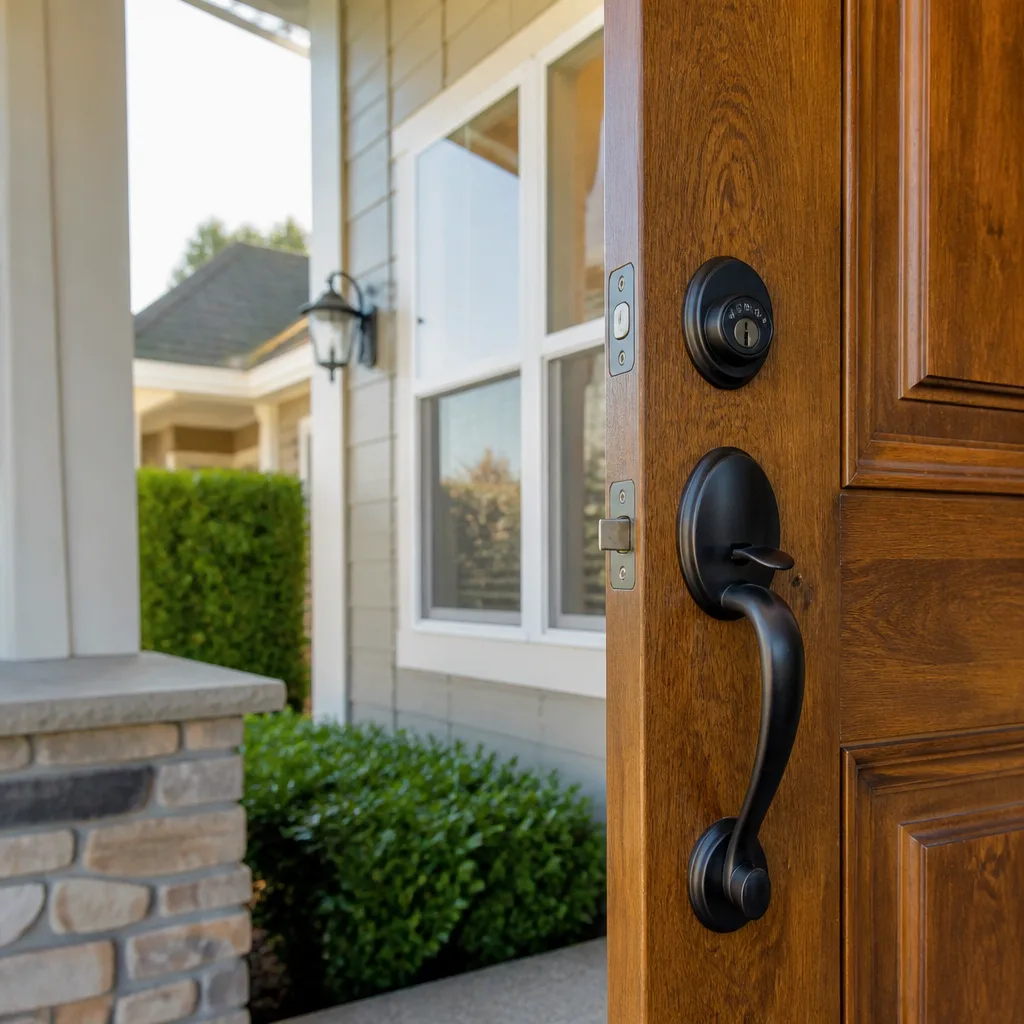
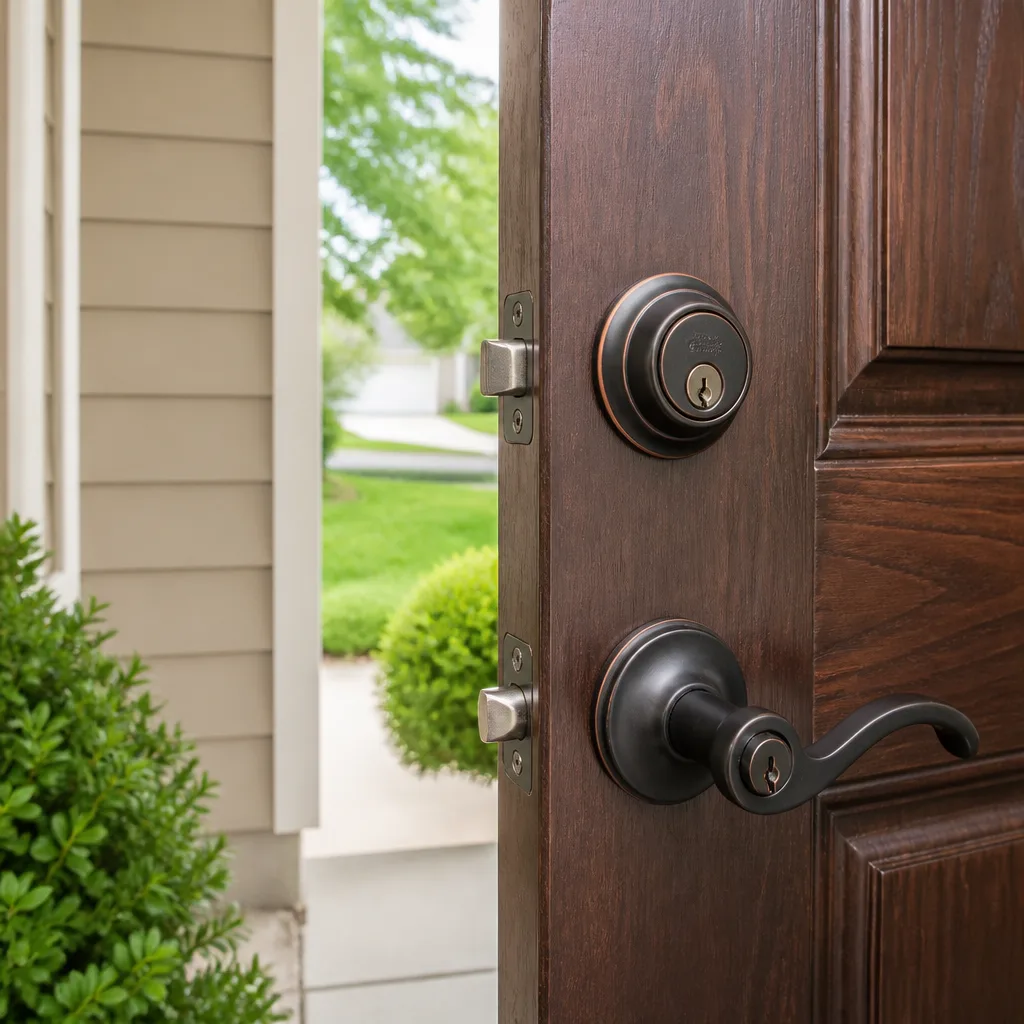
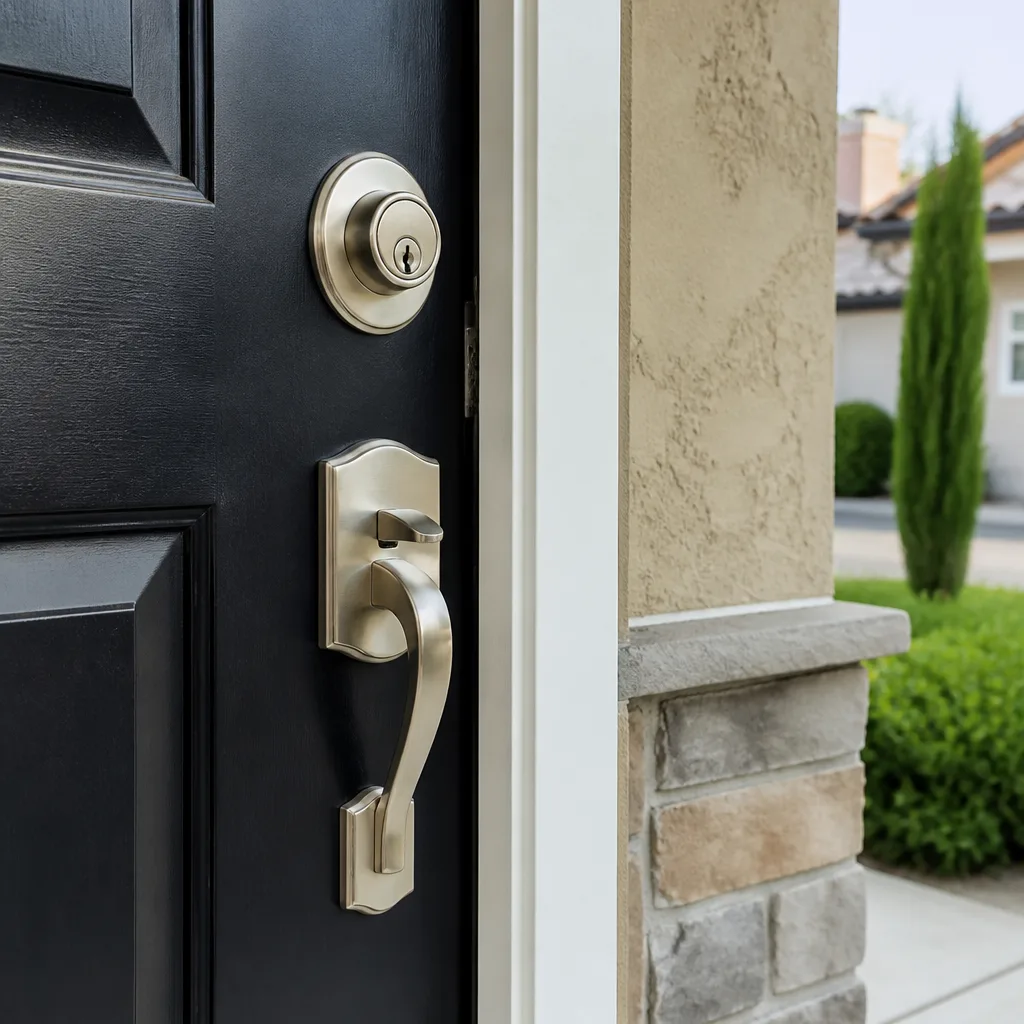
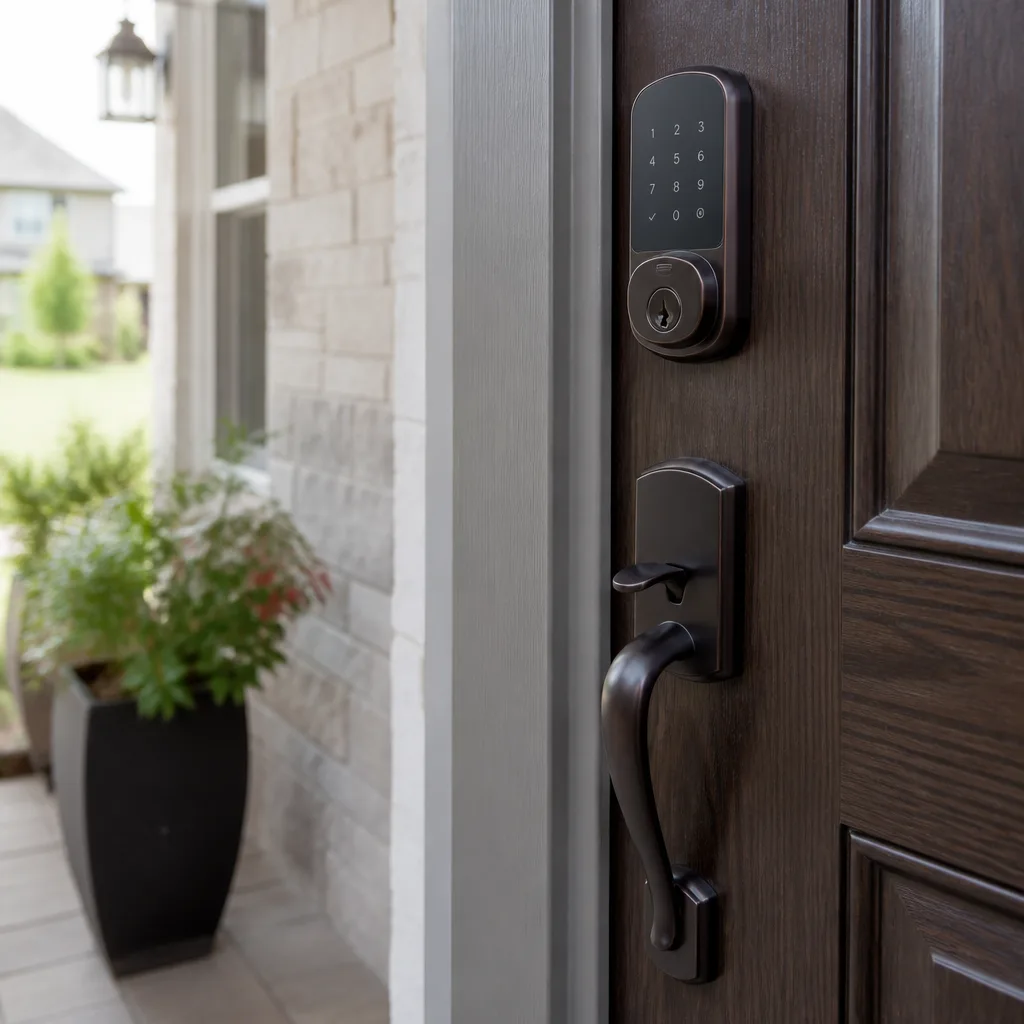
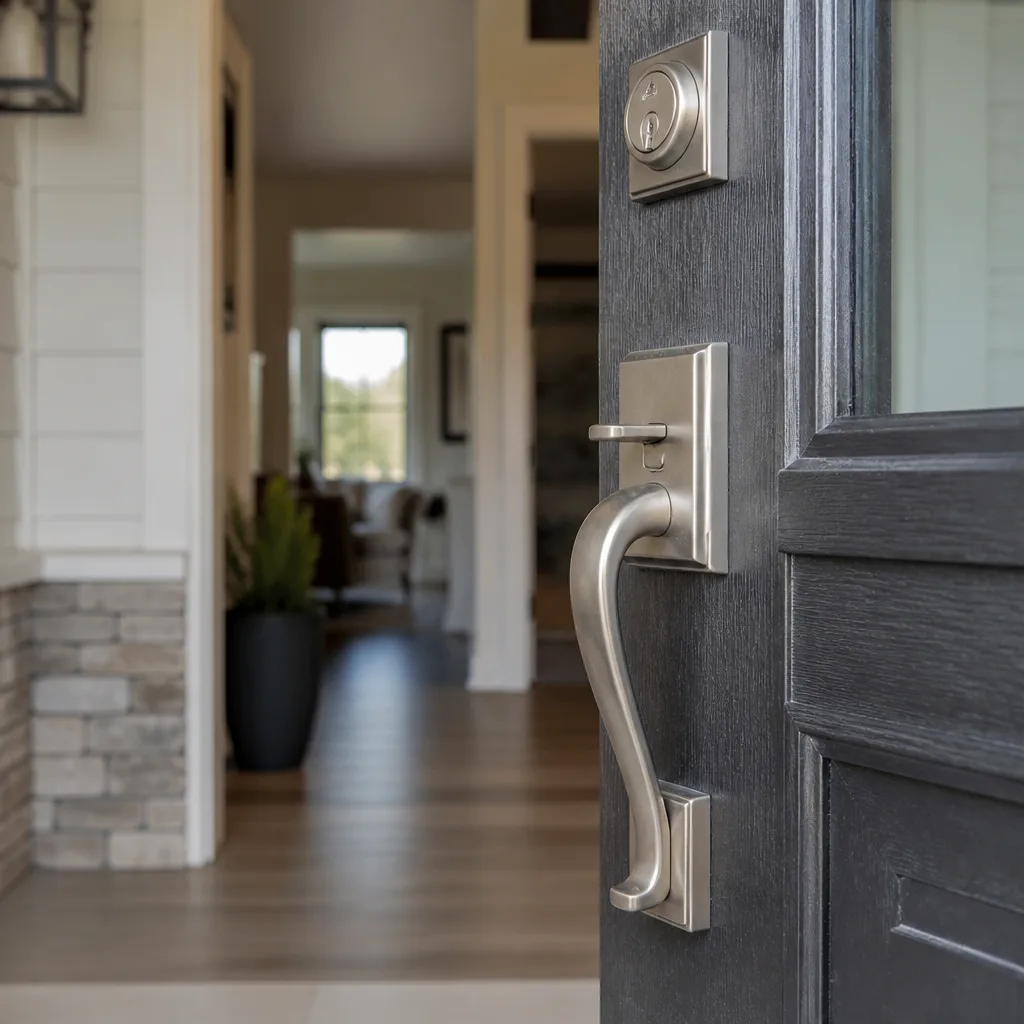
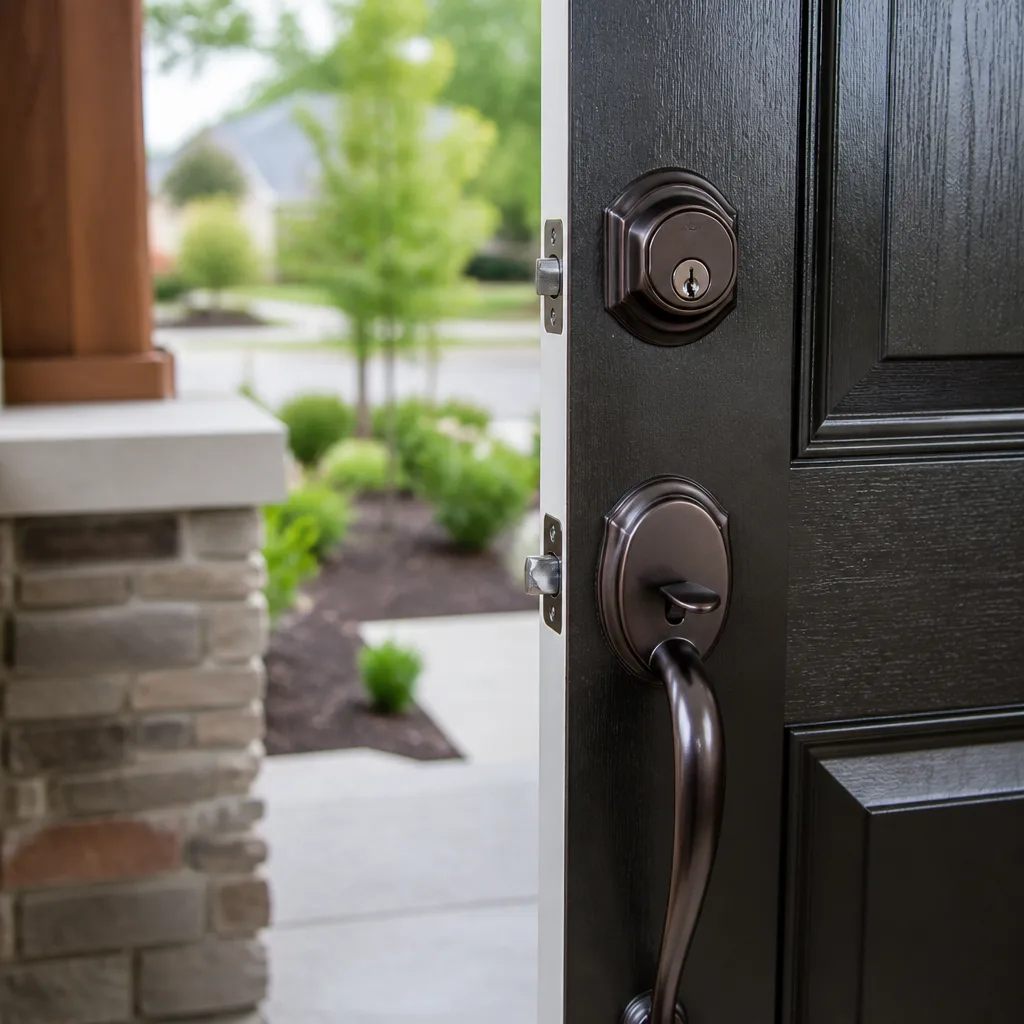
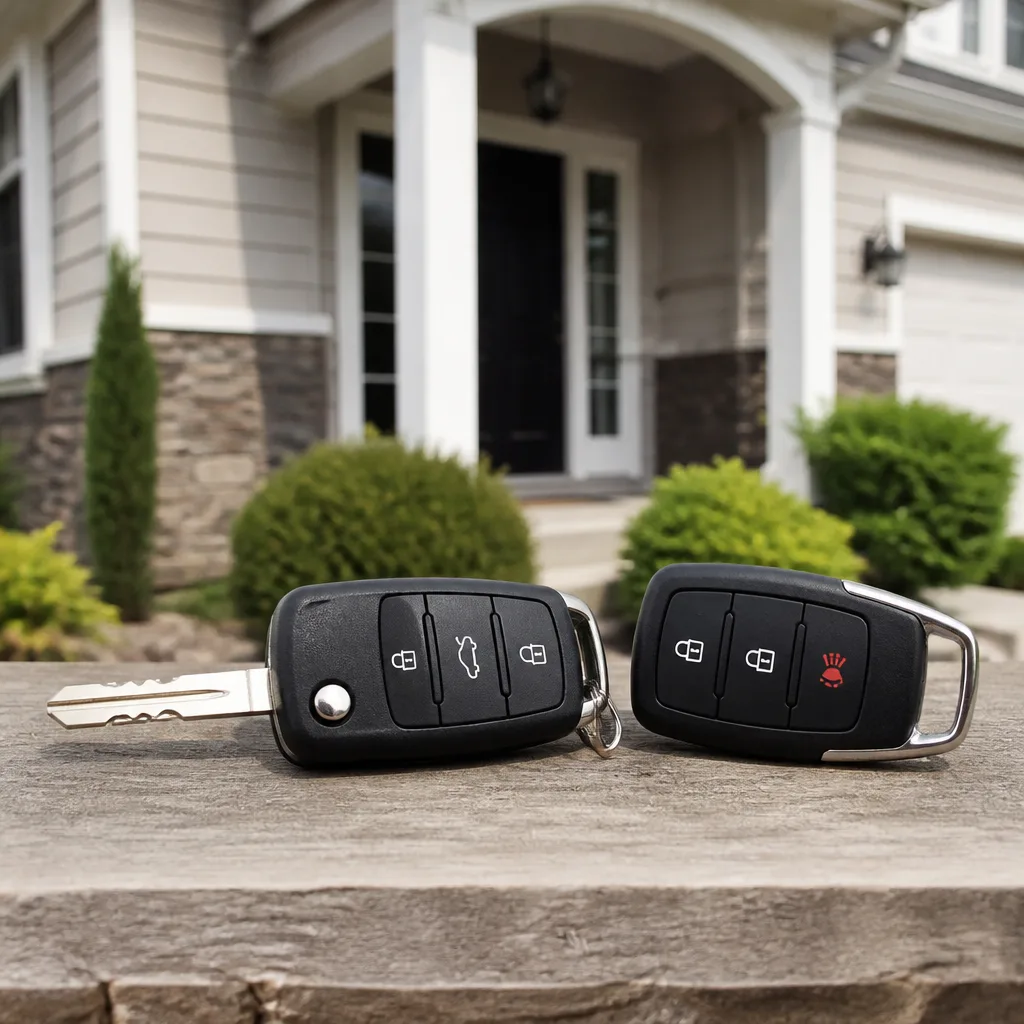
Seasonal Locksmith Care for Los Angeles: Year-Round Homeowner’s Guide
Most Los Angeles homeowners assume their locks fail from wear and tear. In our experience, that’s only half the story. What actually kills lock hardware in Los Angeles is the weather calendar most people don’t take seriously: the June marine layer, August’s dry furnace heat, October’s Santa Anas, and January’s rain. Each one attacks a different component in a different way. This guide explains exactly what happens to your locks in each stretch of the Los Angeles year, what to check yourself, what needs a professional, and what each fix typically costs. For more guides & resources, visit our blog.
Quick Answer
Seasonal locksmith maintenance in Los Angeles means checking and addressing four distinct stress cycles: June-July marine layer humidity on exterior lock finishes, August-September thermal expansion in steel door frames causing stiff deadbolts, October-November Santa Ana particulate fouling inside keyways, and January-February rain-swollen wood frames creating strike plate misalignment. Most homeowners can handle basic lubrication and cleaning but frame adjustments and component replacement typically call for a qualified locksmith. A standard service visit in Los Angeles ranges from $85 to $150, with basic rekeying running $65 to $120 per lock.
Table of Contents
- June-July: Marine Layer Humidity and Zinc-Alloy Corrosion
- August-September: Thermal Expansion and Stiff Deadbolts
- October-November: Santa Ana Particulates in Keyways
- January-February: Rain-Swollen Frames and Strike Plate Gaps
- Year-Round: Smart Lock Battery Performance in LA Temperature Swings
- A Homeowner’s Seasonal Locksmith Toolkit
- Common Mistakes to Avoid
- When to Call a Professional
- Frequently Asked Questions
June-July: Marine Layer Humidity and Zinc-Alloy Corrosion
Los Angeles coastal neighborhoods get a nightly marine layer that pushes humidity above 80 percent from June through mid-July. Westchester, Playa del Rey, Mar Vista, and anything within three miles of the ocean sits in damp air for ten to fourteen hours at a stretch. What many homeowners don’t realize is that most affordable deadbolts and entry handlesets use zinc-alloy internal components because zinc is cheap to cast. Zinc corrodes differently than steel: it doesn’t rust red, it blooms a powdery white oxidation that seizes the internal tailpiece and makes the thumbturn feel gritty or frozen. We see this every June.
Symptoms of marine layer damage include a thumbturn that feels rough rather than smooth, a key that scrapes when inserted, and visible white powder around the cylinder face or the base of the handle. The fix for early-stage corrosion is straightforward: flush the keyway with a dry PTFE lubricant and work the mechanism a dozen cycles. Do not use WD-40. It leaves an oily residue that attracts grime and accelerates the problem within weeks. For locks already stiff or frozen, the cylinder usually needs to be removed, disassembled, and either cleaned or replaced. A replacement Grade 2 knob or deadbolt in Los Angeles typically runs $45 to $95 for the hardware plus $65 to $110 for installation.
If you live within sight of the coast, choose hardware with brass or stainless internal components rather than zinc. Baldwin and Yale both manufacture residential lines with solid brass cylinders that resist marine layer corrosion far longer than big-box zinc models. The upfront cost is higher, but in our experience a quality Baldwin entry set lasts twelve to fifteen years in Santa Monica or Venice where a zinc model gets gritty in four.
- Check monthly June-July: thumbturn smoothness, white powder residue, key insertion resistance
- Best defense: PTFE-based dry lube every 60 days during humid months
- When to replace: visible corrosion blooms or a thumbturn that requires two hands to turn
August-September: Thermal Expansion and Stiff Deadbolts
Los Angeles interior neighborhoods including Sherman Oaks, Studio City, Pasadena, and the San Fernando Valley routinely see daytime highs above 95 degrees in August and September. Steel expands when heated, and a steel door frame in direct afternoon sun can grow by up to 1/16 inch. That’s enough to misalign the deadbolt throw with the strike plate opening by just 2 to 3 millimeters, which makes the bolt bind against the plate edge. Homeowners report it as ‘the deadbolt suddenly got stiff’ or ‘the key turns but the bolt won’t throw.’ The lock itself is often fine. The frame has moved.
Here is the one adjustment that fixes most August stiff-deadbolt calls. Loosen the two screws on the strike plate, shift the plate 1 to 2 millimeters toward the direction the bolt needs to travel, retighten, and test. If that doesn’t provide clearance, file the inside edge of the strike opening slightly, no more than 1.5 millimeters. A third option is to replace the strike screws with 3-inch screws that bite into the wall framing and pull the jamb back into position. This is a ten-minute fix that requires only a screwdriver and a small file, and it saves a service call in the majority of cases. However, if the bolt still binds after you re-align the plate, the door itself has likely sagged on its hinges, and that’s a hinge adjustment we handle regularly.
For homeowners in the Valley, where afternoon sun hits the front door directly, consider a door with a thermal break or at minimum periodic strike plate adjustment every August. If you’re having to force the deadbolt with shoulder pressure to secure the door, stop forcing it. A snapped tailpiece is a $110 to $180 repair that compounds fast. The Door Lock Repair in Los Angeles service covers this exact seasonal adjustment, and we walk homeowners through it on the phone for free if they’d rather do it themselves.
October-November: Santa Ana Particulates in Keyways
Santa Ana wind events in October and November push fine desert dust, pollen, and micro-debris across Los Angeles at sustained speeds often exceeding 40 mph. That particulate matter works its way into keyways, settling in the pin chambers where your key slides in and out each day. Each insertion pushes a little more grit deeper. Within weeks, the key feels scratchy, then sticky, then refuses to turn altogether. Most LA homeowners discover their lock is fouled on the first cold evening of December when the lock seizes completely. It rarely fails on a comfortable Tuesday afternoon.
The right way to handle Santa Ana particulate fouling without voiding a warranty is a two-step flush. First, use compressed air with a narrow nozzle to blow loose debris out of the keyway. Second, apply a dry PTFE lubricant in short bursts while slowly inserting and withdrawing the key six or eight times. Wipe the key clean between each insertion. This pulls fine grit out of the pin chambers and onto the key where you can remove it. Never use graphite powder in Los Angeles. The dry desert air mixes graphite with Santa Ana dust into a paste that hardens inside the cylinder. Never use oil-based products for the same reason. If the lock remains stiff after a flush-and-lube, schedule a professional cleaning before the cylinder needs to be replaced.
In neighborhoods bordering open brush zones including Porter Ranch, Granada Hills, Tujunga, and parts of the Hollywood Hills, Santa Ana dust carries an additional load of carbonized plant matter from the burn season. We service mortise locks in older Hancock Park and Los Feliz homes where decades of accumulated seasonal dust have effectively cemented the cylinder internals. A full mortise lock teardown, ultrasonic clean, and reassembly runs $95 to $160. If you’d prefer to start fresh, Change Door Locks in Los Angeles covers full replacement from $120 per lock, hardware included, and the old cylinder can often be re-pinned to match an existing key system.
January-February: Rain-Swollen Frames and Strike Plate Gaps
When Los Angeles gets its winter rain, typically concentrated in January and February, wood door frames absorb moisture and expand. A frame that was perfectly aligned during the previous summer’s lock assessment now has swollen 2 to 4 millimeters at the latch and strike plate. The door closes tight against the frame but the latch no longer seats cleanly into the strike plate opening. The result is a door that bounces slightly when pressed, a deadbolt that only throws halfway, or a visible gap at the strike plate that lets daylight through.
This is why a lock that passed a security test last spring can fail in February. The security weak point is not the lock at all. It’s the fact that only 3 millimeters of latch is engaging the strike plate, making the door easy to pry or shim from the outside. In our experience assessing Los Angeles homes after the first heavy rains, roughly one in four exterior doors has a latch engagement that dropped below acceptable security standards due to frame swelling alone.
The fix depends on severity. For minor swelling, filing the strike plate opening slightly deeper restores full latch engagement. For moderate swelling, re-positioning the strike plate outward and filling the old screw holes with wood plugs and carpenter’s glue restores security. For severe swelling, the strike plate needs a deeper mortise cut plus longer screws anchored into the framing studs. A professional strike plate repair and security adjustment in Los Angeles runs $75 to $140, about the same as a door lock repair. Some homeowners decide the swelling cycle is a recurring headache and add a Residential Locksmith in Los Angeles assessment to their January to-do list, which covers all exterior doors and frames for a single trip fee.
Year-Round: Smart Lock Battery Performance in LA Temperature Swings
Los Angeles has temperature swings that punish smart lock batteries unevenly. A lock mounted on a west-facing door endures 100-plus degree afternoon heat in summer and 40-degree overnight lows in winter. Smart locks draw more current when the deadbolt motor works against a thermally misaligned frame, meaning a battery that would last ten months in a mild climate lasts six in August because the motor is straining against a shifted strike plate. The two brands that handle this differently are Yale and Sargent. Yale’s consumer smart locks throttle motor voltage to reduce heat buildup, which extends battery life in LA heat but slows the bolt’s throw slightly. Sargent designs commercial-grade motors that push through resistance without voltage throttling, preserving speed but consuming batteries faster in a misaligned door. Neither brand fails early on a properly adjusted door.
Practical guidance: check smart lock battery levels monthly during August and September, not quarterly. A low battery warning in September means replace immediately; many smart lock owners let the warning sit for two weeks, and the first cold night in November kills the battery mid-cycle, leaving the lock in a half-thrown state. Always carry a physical key as backup, even if you’ve used the keypad exclusively for a year. And if you’re installing a smart lock on a door that has shown summer stiffness, fix the frame alignment first. A motorized deadbolt repeatedly straining against a misaligned strike plate is the single fastest way to kill a smart lock mechanism, and that repair is not covered under most manufacturer warranties.
A Homeowner’s Seasonal Locksmith Toolkit
Five items cover the majority of seasonal maintenance a Los Angeles homeowner can safely do themselves. Build the kit once and you’ll handle June through February without a single emergency call.
- Dry PTFE lubricant (not WD-40, not graphite, not oil). This is the workhorse for keyway maintenance in every season. Apply after Santa Anas and before marine layer months. A can runs $8 to $14 and lasts a year.
- Compressed air with a narrow nozzle tip. For blowing Santa Ana dust out of keyways. Buy the cans with the plastic straw attachment; a camera lens blower also works for low-pressure cleaning.
- Precision screwdriver set (Phillips #1 and #2, flathead 3mm and 5mm). For strike plate adjustments and smart lock battery covers. A set with magnetic tips saves frustration when replacing batteries in the dark.
- Needle file or small half-round file. For minor strike plate opening adjustments. A Nicholson 6-inch file from any hardware store handles the job; ten light passes, test, repeat.
- 3-inch construction screws (size #8 or #10). For re-anchoring strike plates into wall framing when the plate is pulling loose from the jamb. Keep a box of both sizes in the junk drawer.
Do not put your key in a grinder or try to file a key to fix a sticky cylinder. Filing the key masks the problem inside the lock and often leaves a rough key surface that drags more debris into the pin chambers. The cylinder fix is always cleaning or replacing, never key modification. In our experience, half of the December emergency calls for ‘my key stopped turning’ could have been prevented with a $10 can of dry PTFE applied in October. The Dunmore Locksmith home page carries our current service area and direct phone number if you’d rather hand the toolkit to a technician.
Common Mistakes to Avoid
- Using WD-40 on any lock component. The thin oil penetrates well initially, then evaporates and leaves a sticky residue that holds onto dust. Within three months in Los Angeles, a WD-40-treated lock is stickier than before treatment.
- Forcing a stiff deadbolt with shoulder pressure. Every forced throw stresses the tailpiece, which is the thinnest metal component in the assembly. A snapped tailpiece converts a free adjustment into a $110-plus replacement.
- Ignoring smart lock low battery warnings. LA overnight temperatures drop fast in November and December. A lock that lasted two weeks on a low battery in September will die mid-cycle on a 45-degree December night.
- Re-pinning a cylinder without cleaning the keyway first. New pins in a fouled cylinder just grind against the existing debris. The new key starts sticky and gets worse.
- Graphite powder in LA’s dry climate. Graphite is intended for humid environments where oil washes out. In Los Angeles, graphite combines with Santa Ana dust and hardens into a paste that locksmiths have to ultrasonic-clean out.
- Testing door security only once a year. A lock that checked out in May may have a 3mm strike plate gap by February because the frame swelled. Seasonal security checks catch these shifts before a break-in does.
- Replacing a lock without addressing the frame. A new deadbolt on a swollen or shifted frame is still a misaligned lock. The hardware is only as secure as the frame it throws into.
When to Call a Professional
Some seasonal lock conditions are safely handled at home: lubricating a keyway, tightening strike screws, replacing a battery. Others call for a professional who can see the problem without guessing. If your deadbolt binds against the strike plate even after you’ve re-aligned the plate, the door itself has likely sagged and needs hinge work. If the thumbturn feels gritty rather than smooth, the cylinder internals are corroding and should come out for cleaning or replacement. If a key turns in the cylinder but the bolt doesn’t throw, the tailpiece is likely broken, and continuing to turn it risks jamming the lock permanently. If you’re not comfortable evaluating any of these, our Change Door Locks Troubleshooting: Common Problems and How to Fix Them guide can help you diagnose the issue, or call Dunmore Locksmith for a free estimate in Los Angeles at (910) 714-4287 and a live person will walk you through symptoms before scheduling anything.
Frequently Asked Questions
A standard service visit for seasonal lock maintenance in Los Angeles runs $85 to $150 depending on how many locks are involved, including on-site cleaning, lubrication, and minor strike plate adjustment. Rekeying a standard knob lock runs $65 to $120 per lock. Full deadbolt replacement runs $120 to $180 per lock including hardware. The exact price is quoted in writing before any work begins, and that figure is the final invoice total – no trip charges added at the door. Call (910) 714-4287 for a line-item quote over the phone.
Yes. The price goes in writing before any work starts, and that written figure is what appears on the invoice. No dispatch fees, no fuel surcharges, no after-the-fact adjustments. If any additional work is discovered mid-repair, the technician stops and provides a new written quote for approval before continuing. This is the Dunmore standard since 2007.
Typical response time for non-emergency seasonal maintenance is same-day or next-day, and route-specific timing depends on where you are in Los Angeles. For lockouts or security emergencies where a door cannot be secured, response is immediate with a live dispatcher coordinating the closest available technician. Call (910) 714-4287 and a human answers the phone directly, 24 hours a day.
We service smart locks from the major residential brands including Yale, Schlage, and Kwikset, and we install the same lines. Smart lock diagnosis requires checking both the lock mechanism and the door alignment because a misaligned strike plate is the most common cause of smart lock battery drain and motor failure. If the smart lock needs warranty service, we advise on the manufacturer’s claim process so you’re not paying for a repair that should be covered.
Before the visit, you receive the technician’s name and photo by text or email. At the door, the technician shows a photo ID badge that matches that name and photo, and arrives in a marked company uniform. This is the Threshold Standard, applied to every visit without exception. If anyone arrives at your door claiming to be from Dunmore Locksmith without the advance name-and-photo notification, that visit is covered at no charge.
Rekeying (changing the internal pins so your old keys no longer work) is cheaper and keeps your existing hardware. Changing a lock replaces the entire mechanism. Rekeying a standard knob or deadbolt in Los Angeles runs $65 to $120 per lock. Changing a lock runs $120 to $180 per lock including new hardware. If your existing hardware is in good condition, rekeying is usually the better value. If the hardware is corroded, failing, or you want upgraded security, changing is the right call-see our Change Door Locks Warning Signs Every Homeowner Should Know to help decide. We’ll tell you which makes sense for your specific door after a look.
The Bottom Line
Los Angeles doesn’t have four textbook seasons, but it has four distinct stress cycles that degrade lock hardware in predictable ways. The marine layer corrodes zinc-alloy components in June and July. Valley heat shifts steel frames and stiffens deadbolts in August. Santa Ana winds foul keyways with fine particulates in October and November. Winter rain swells wood frames and creates security gaps at the strike plate in January. Five minutes of monthly attention, a dry PTFE can, and a Change Door Locks Maintenance Schedule: What to Do and When keep emergency calls off your calendar. When the job goes beyond a screwdriver, written pricing and a named technician before the visit are not extras in Los Angeles – they’re the basic standard. If that’s not what you’re getting, call (910) 714-4287 and we’ll show you what that standard looks like.
Written by Perry Osgood, Owner at Dunmore Locksmith, serving Los Angeles since 2007.