
Last updated October 8, 2026
Non-destructive entry first, always - and we re-key Schlage, Kwikset, and Baldwin locks on the spot while you watch
You get a price before we start. It does not change when we arrive. No surprises.
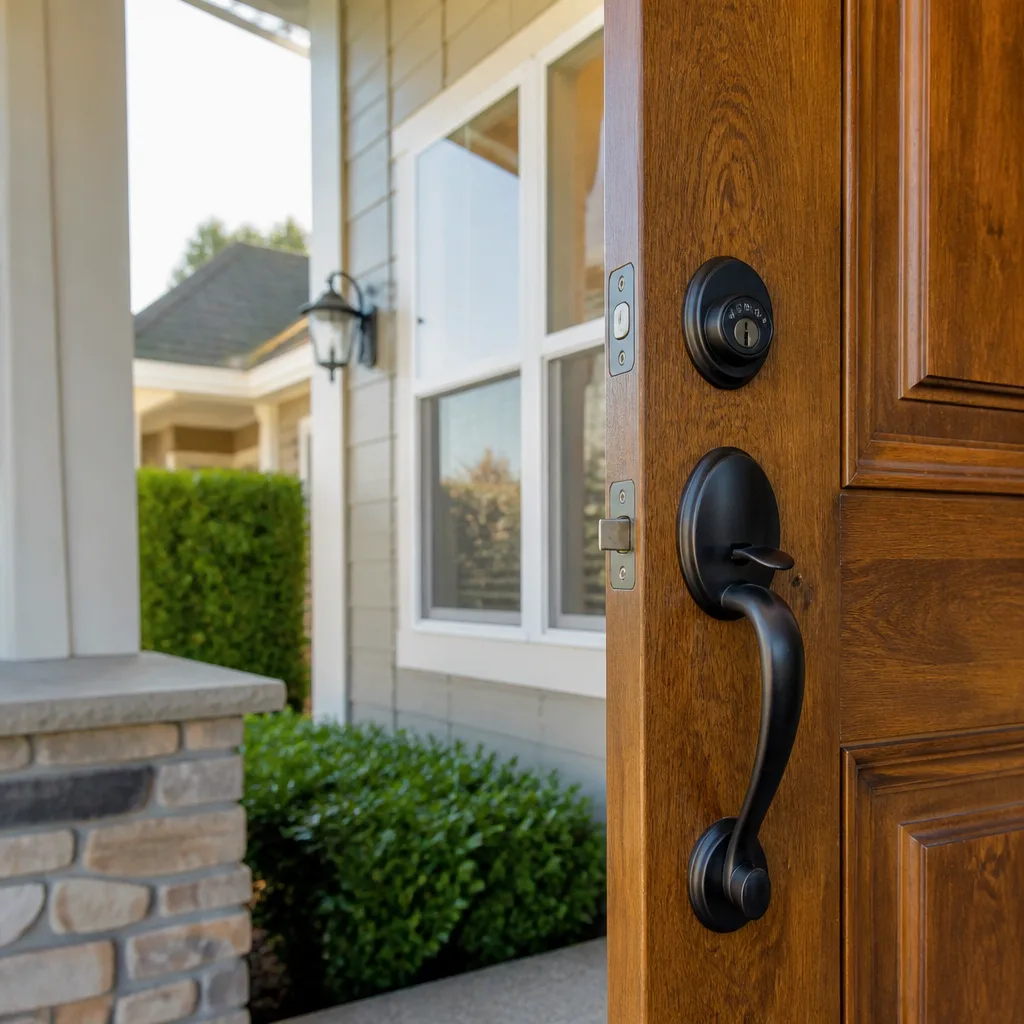
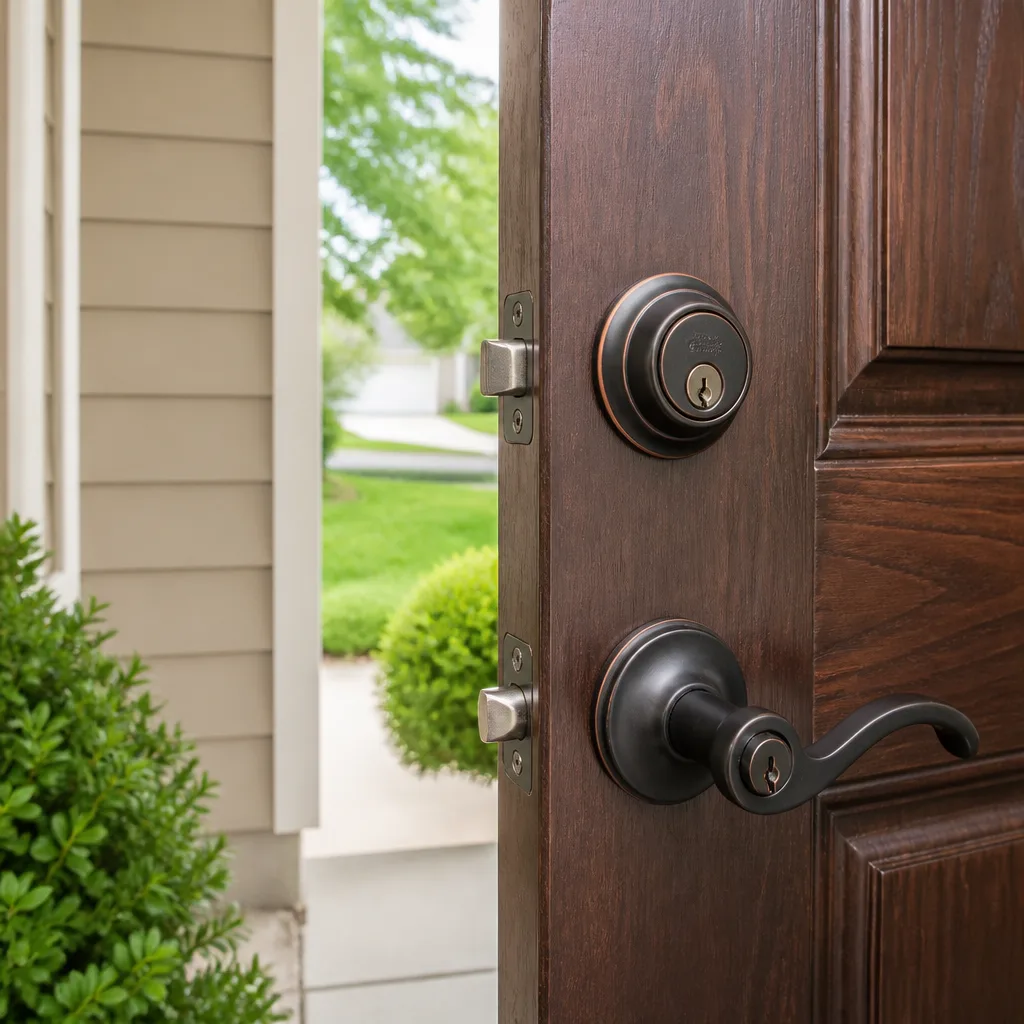
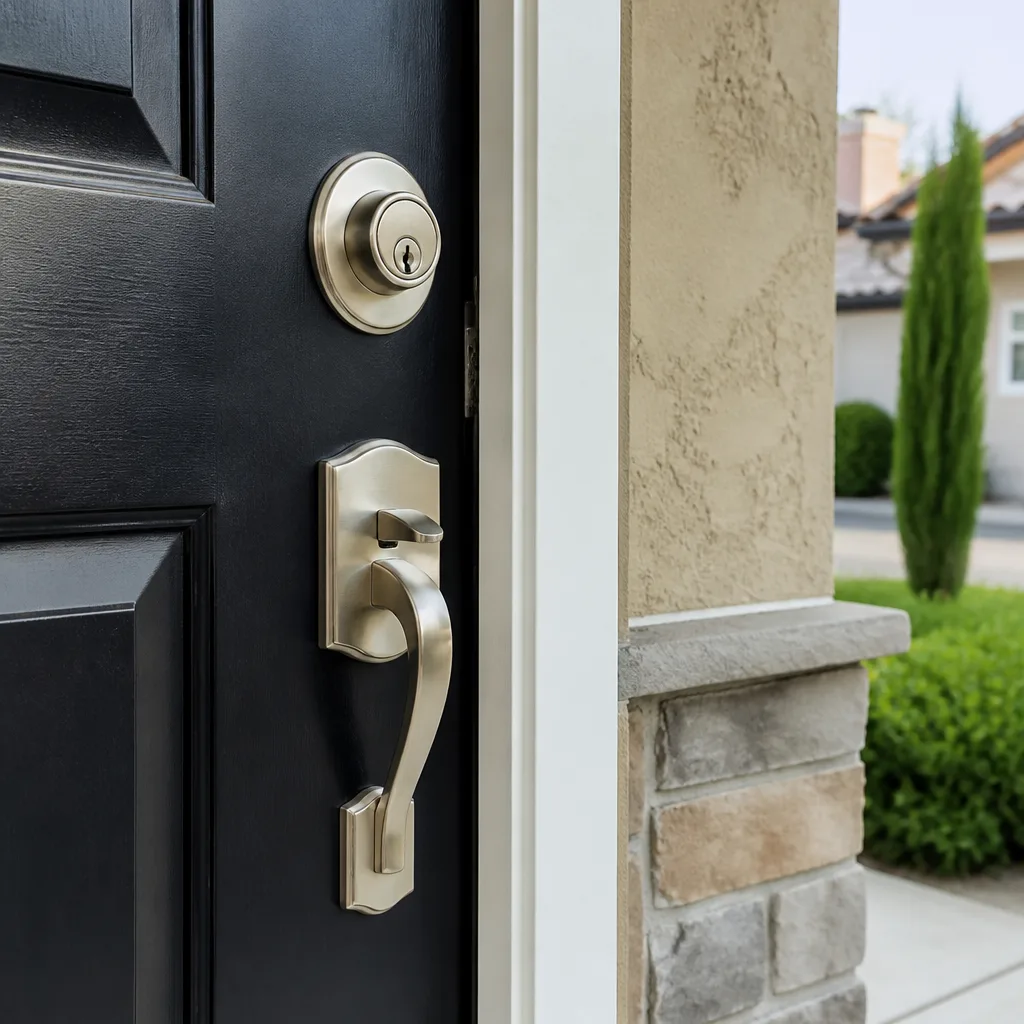
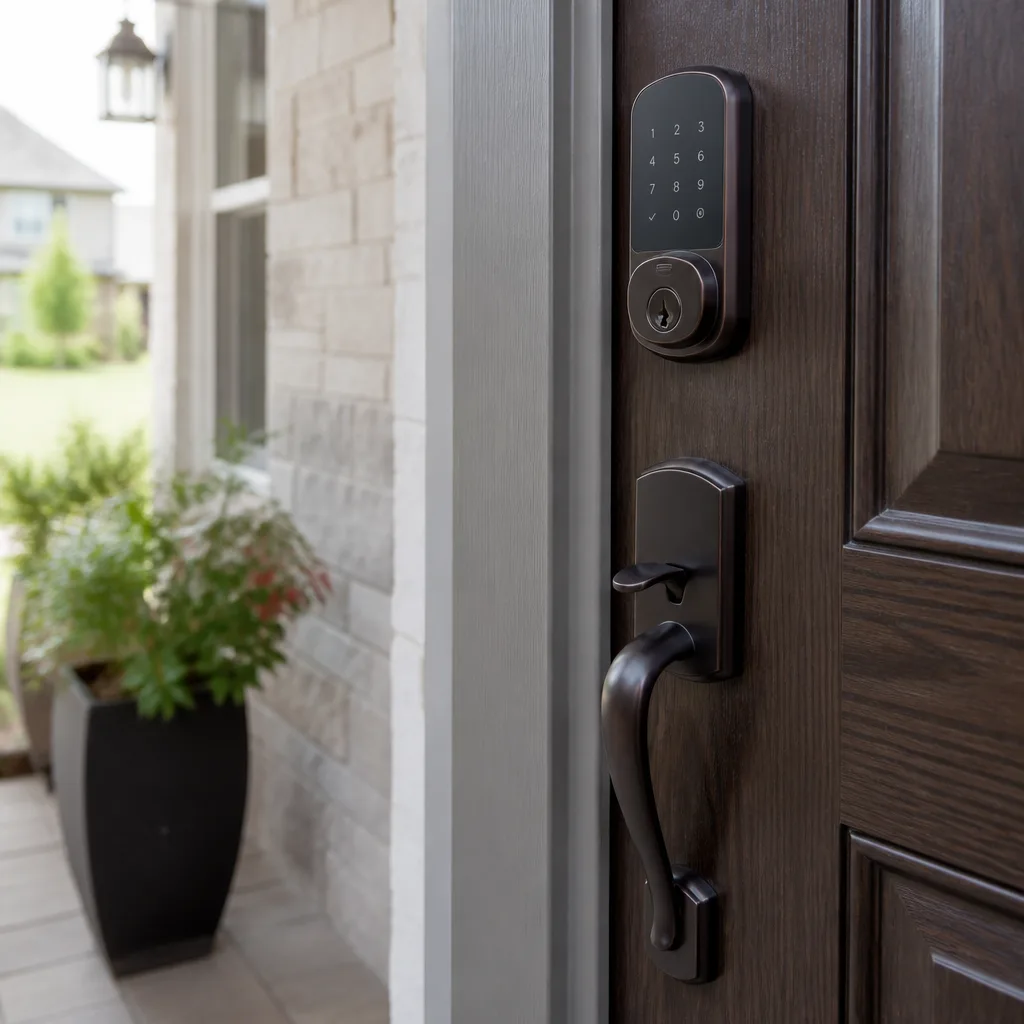
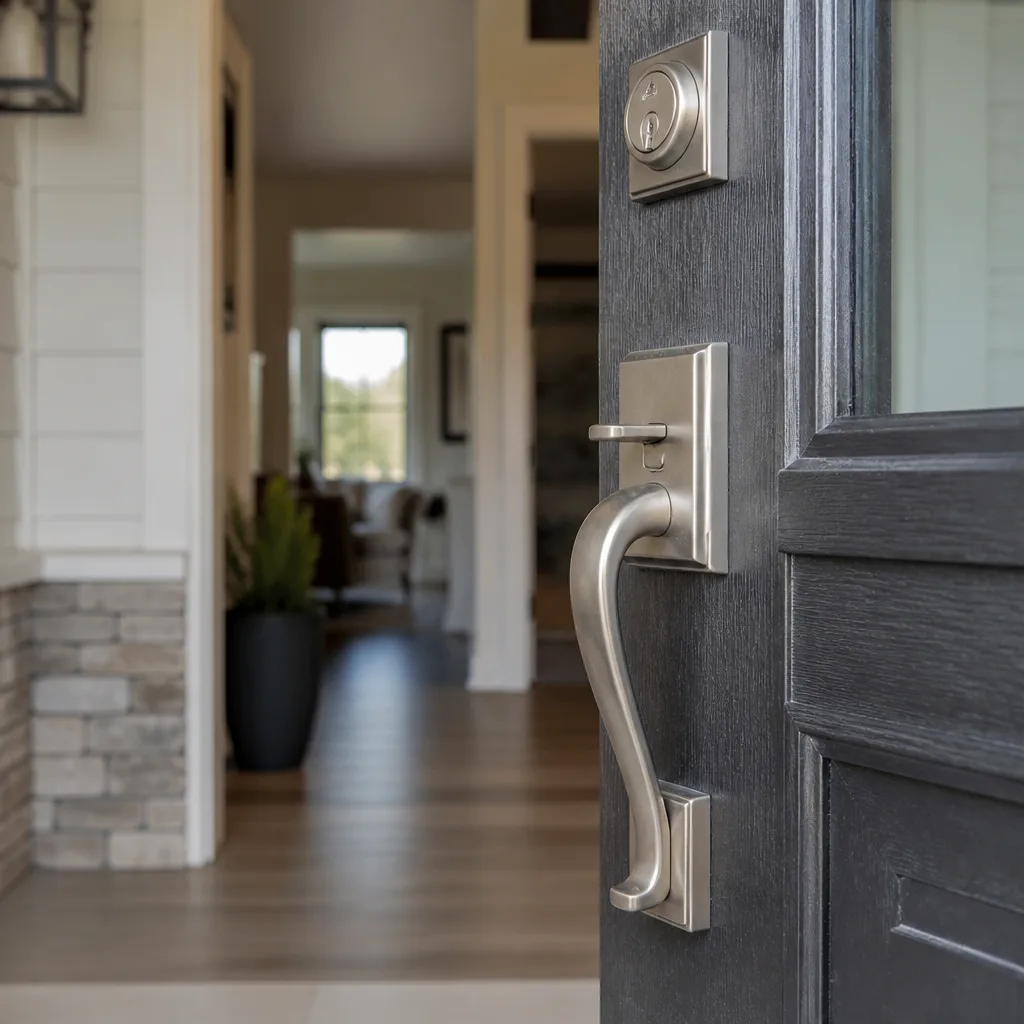
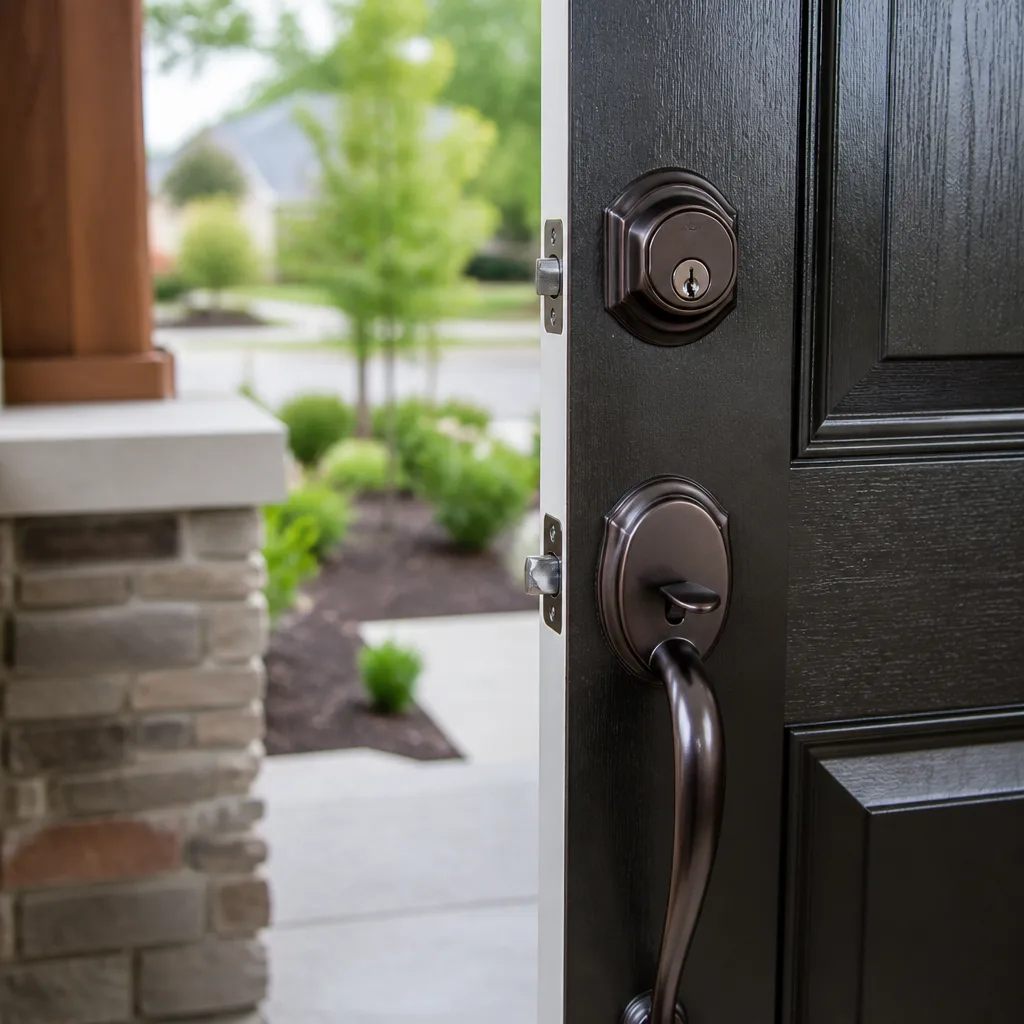
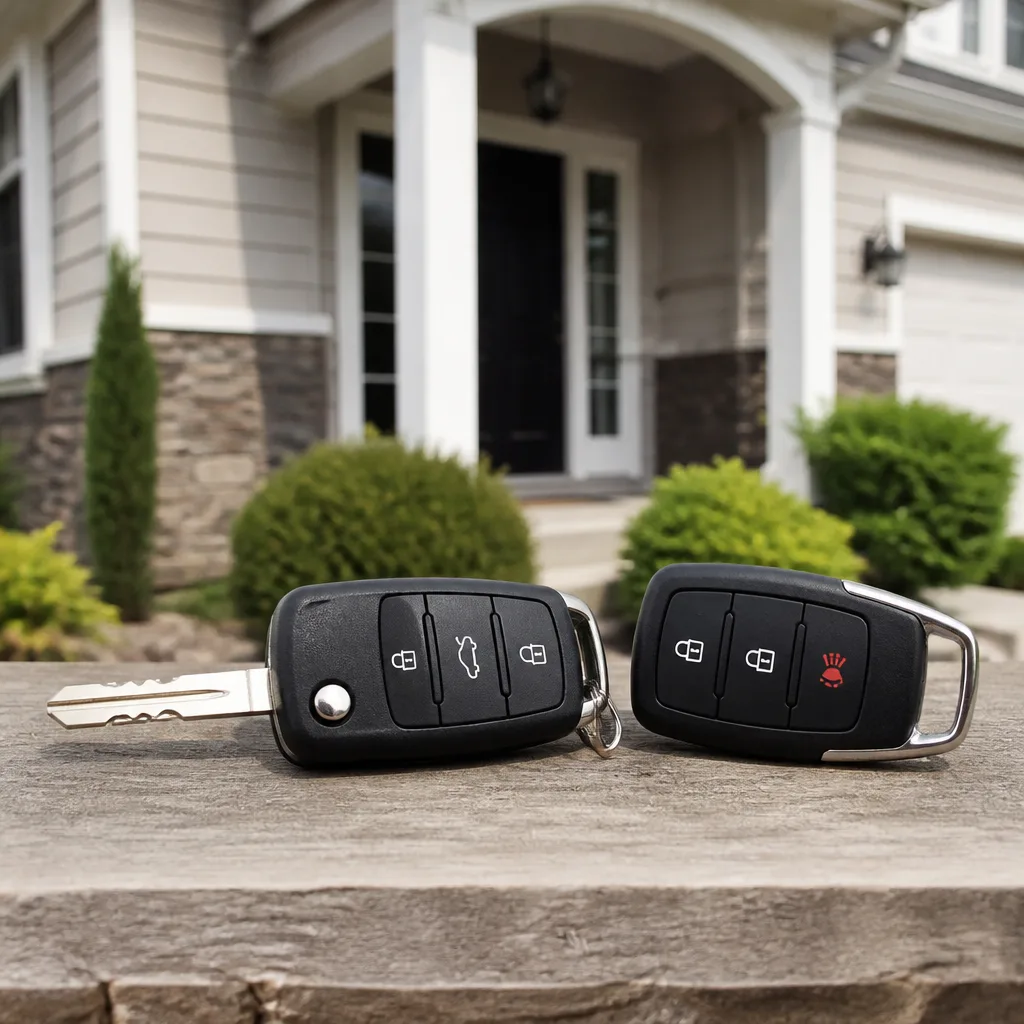
Change Door Locks Warning Signs Every Homeowner Should Know
Most homeowners change their locks twice in their life: when they move in and after something bad happens. But there are at least seven events in between that should trigger a lock change – and missing even one of them is how a house gets entered by someone who used to have a reason to be there. In Los Angeles, where rental churn, contractor culture, and shared living arrangements are more common than almost anywhere else in the country, the gap between “who has a key” and “who should still have a key” is wider than most people realize. This guide maps those triggers to action, so you make the decision before you’re forced to, and our Change Door Locks services are here when you do.
Quick Answer
You should change or rekey your door locks after any event that changes who has had access to your keys: a move, a breakup, the end of a contractor job, a lost key, or turnover in domestic staff. You should also rekey when your keys stop working smoothly, when your cylinder turns with light pressure, or when you notice visible wear on the outside of the lock. Rekeying (changing the internal pins so old keys stop working) is the cheaper option when the hardware is sound; replacing the lock is the right call when the hardware itself is worn, damaged, or compromised. Most Los Angeles homes need a rekey, not a replacement, which typically costs less than half the price of new hardware.
Table of Contents
- Life-Event Triggers Most Homeowners Miss
- Hardware Warning Signs That Mean Your Lock Is Failing
- Rekey vs. Replace: The Distinction That Saves You Money
- Why Los Angeles Homes Face Higher Lock-Change Risk
- The Access Audit: Your Most Useful Security Habit
- What Lock Changes Cost in Los Angeles
- Common Mistakes to Avoid
- When to Call a Professional
- Frequently Asked Questions
Life-Event Triggers Most Homeowners Miss
A lock change should follow the key, not the calendar. When someone who once had legitimate access to your home no longer needs it – or when a key’s whereabouts become uncertain – you have a security gap that no alarm system closes. Here are the triggers most homeowners overlook, in order of how often we see them in Los Angeles.
- End of a contractor job (especially a long-term one). Renovations, remodels, and repair projects routinely involve multiple workers, subcontractors, and day laborers. The general contractor you hired may have given a copy of your key to a painter who gave it to a drywall crew. Most contractors return one key and never account for the rest. If the job ran more than a week, rekey afterward. We’ve seen too many Los Angeles homes entered months after a remodel by someone who kept a key from the job site.
- Breakup or divorce where keys were shared. This is the most emotionally difficult trigger to act on, and the most important. Even when a split is amicable, rekeying removes any chance that a key resurfaces during a future dispute. You don’t need to replace the hardware – a rekey takes under an hour and costs a fraction of new locks – but you should do it the same week the person moves out.
- Lost or “found” key, even if it shows up later. If a key goes missing and reappears, assume it was copied while it was gone. Hardware store key duplication takes two minutes and leaves no trace. A key that spent one afternoon in someone else’s possession is a key you should treat as compromised. Rekey, don’t wait.
- Service worker turnover. Housekeepers, dog walkers, elder care aides, nannies, and property managers hold keys for months or years. When that relationship ends, the key becomes a liability – not because the person is untrustworthy, but because keys get left in bags, cars, and drawers and copied without the worker ever intending harm. In Los Angeles, where domestic staffing is common across every income bracket in neighborhoods from Silver Lake to Sherman Oaks, this is one of the most frequent rekeying calls we field.
- Airbnb or short-term rental hosting, even with a lockbox. A lockbox keeps the key in one place, but it doesn’t prevent guests from copying it. Neither do “smart” deadbolts with codes, unless you rotate those codes after every guest and delete recurring ones. If you’ve hosted more than a handful of guests, rekey or reprogram as a routine practice, not an exception.
- Purchasing a home from a company rather than a person. When you buy from a bank, a corporate relocation service, or an estate sale, the chain of key custody is fuzzy. Previous owners gave keys to relatives, neighbors, pet sitters, and handymen and those copies never found their way back. Every new homeowner should rekey on day one, but buyers from corporate sellers have an even stronger reason: no single person knows how many keys exist.
- A roommate moves out on good terms. Good terms don’t mean keys stop existing. Roommates give keys to partners, friends, and family members without thinking about it. Rekeying after a roommate departs is a 30-minute job that closes the loop for everyone, including people you’ve never met.
Hardware Warning Signs That Mean Your Lock Is Failing
Your lock tells you when it’s weakening. Most people ignore the signs because they’re gradual – a little more wiggle, a little more resistance, a little more visible wear – but each one is a signal that the lock is closer to failing or easier to defeat. Here’s what to look for
- Keys copied from your original feel different in the lock. When a new copy feels rough, catches at the pins, or requires jiggling while the original works fine, it often means the original key itself is worn. A worn original produces worn copies, and worn copies accelerate cylinder wear. If your duplicates consistently fail where the original succeeds, the cylinder is telling you it’s time for a rekey with fresh pins and fresh-cut keys.
- The cylinder turns with two-finger pressure, without the key. Take your key out. Grip the thin outer ring of the keyhole (the plug face) between two fingers and try to turn it. If it gives, or feels loose and wobbly before the key goes in, the cylinder’s internal tolerances are shot. This is the single biggest indicator that a cylinder is easy to bypass with basic tools. A healthy Schlage or Kwikset cylinder should feel rigid until the correct key is inserted.
- You can see the outer cylinder face worn shiny or recessed. Outdoor locks in Los Angeles get constant sun exposure in neighborhoods like Encino and Tarzana, and coastal areas like Playa del Rey throw salt air into the mix. Over time, the cylinder face wears smooth and slightly concave, which shortens the effective pin travel and makes the lock easier to pick or rake. If you can see a visible shine line or a recess around the keyway, the cylinder has already been degrading for years.
- The deadbolt needs a shoulder or a jiggle to throw. A deadbolt that only locks when you lift the door, press the door against the frame, or wiggle the knob has an alignment problem. The strike plate may have shifted as the house settled (common in older Los Angeles neighborhoods like West Adams and Highland Park), or the bolt itself may be bent. Either way, the lock is working against something, and every forced throw weakens the internal mechanism.
- The key inserts halfway and stops. This means a pin is worn, broken, or a spring has collapsed inside the cylinder. Don’t force it – you’ll snap the key in the core, and then you’re paying for both a key extraction and a rekey. If you have to tip the key or apply pressure to seat it, the cylinder is at the end of its life.
One caveat worth stating plainly: high-tension springs inside some older locks are genuinely dangerous to disassemble. We don’t recommend opening a lock cylinder yourself. Diagnosing these warning signs is something any homeowner can do; repairing them is a job for someone who knows when a cylinder should be rebuilt and when it’s a liability.
Rekey vs. Replace: The Distinction That Saves You Money
Rekeying and replacing are different jobs with different prices, and getting this wrong costs homeowners real money. Rekeying (changing the internal pins so your old keys no longer work) is the smarter choice in the majority of cases. Replacing is the smarter choice when the hardware itself is damaged, severely worn, or you want to upgrade to a more secure platform like a Medeco or Abloy cylinder.
Here’s how to decide:
- Rekey if: the lock functions smoothly, the key works, and your only concern is who has access. This covers nearly every life-event trigger: moved in, contractor finished, roommate left, breakup, lost key, staff turnover. A rekey changes the key without changing the lock. It costs less, takes 30 to 60 minutes, and leaves your existing door hardware intact.
- Replace if: the cylinder is visibly worn, the key sticks or jiggles, the deadbolt doesn’t throw cleanly, the finish is corroded, or you want to move from a standard pin-tumbler cylinder to a high-security option like Schlage Primus, Medeco, or Abloy. Replacement also makes sense when your exterior doors still have builder-grade hardware on a home that’s been occupied for fifteen or more years – especially in neighborhoods with higher property turnover rates near downtown Los Angeles, where keys have passed through many more hands than anyone can count.
For Los Angeles homeowners, the math is simple: a rekey of a standard knob or deadbolt typically runs $85 – $165 per cylinder, while replacing the same hardware with a mid-grade Schlage or Kwikset lock runs $180 – $400 per door, installed. If your locks are mechanically sound, rekeying is the right financial and security decision. If your locks are showing any of the hardware warning signs above, replacement is the honest recommendation – and any locksmith who pushes replacement without first assessing your existing hardware isn’t serving you. See our Commercial Locksmith Maintenance Schedule: What to Do and When for a framework that applies to homes as well.
Why Los Angeles Homes Face Higher Lock-Change Risk
Los Angeles has a lock problem that most cities don’t, and it comes down to churn. The average LA renter moves every 3.2 years, and property managers and landlords do not uniformly rekey between tenancies. Walk into any apartment building in Koreatown, Mid-City, or North Hollywood and ask how many former tenants’ keys are still circulating. The honest answer, in our experience, is that nobody knows.
For homeowners, the equation is different but the risk is similar. Los Angeles has one of the highest rates of accessory dwelling units and shared living arrangements in the country, which means more people with legitimate access at one time. It also has a large informal labor market – housekeepers, caregivers, tutors, and contractors who are trusted, reliable, and completely unregulated when it comes to key control. None of this impugns those workers; it simply means key distribution proliferates faster here than in cities where turnover is slower.
Add to that the climate. Los Angeles locks live outdoors year-round, in sun that bakes metal, in air that carries salt off the Pacific, and in a city where hundreds of thousands of homes were built before modern latch and cylinder standards existed. Locks degrade faster here than in colder, wetter climates where doors are less exposed. A cylinder that would last twenty years in Minneapolis might be visibly worn in twelve in Sherman Oaks.
The practical takeaway: if you live in Los Angeles and you haven’t rekeyed in five years, you’re overdue – not because of fear, but because the math of key distribution and hardware wear works against you faster here than elsewhere.
The Access Audit: Your Most Useful Security Habit
Before you spend a dollar on locks, spend ten minutes making a list. An access audit is a simple inventory of everyone who currently holds a key to your home, or who has held one in the past year and might still have a copy. It’s the single most useful security habit a homeowner can adopt, and it costs nothing.
Here’s how to run one:
- Write down every person who has ever had a key. Don’t filter. Include your partner, children, parents, in-laws, neighbors, and friends. Then add the less obvious: the contractor from last summer, the dog walker from two years ago, the house cleaner who stopped coming, the ex, the former roommate’s boyfriend who crashed for three weeks in 2023.
- Mark each person as “should still have access” or “should not.” Be ruthless. The standard isn’t whether you trust them – it’s whether they have a current, legitimate reason to enter your home without you present.
- Count the “should not” column. If the number is higher than zero, and you haven’t rekeyed since the last person in that column had access, schedule a rekey this month.
- Check your doors for unknown or forgotten locks. Many LA homes have more exterior doors than the front and back – side doors, garage entries, pool house doors, and service entrances. Each one is a key you haven’t accounted for. Most access audits reveal at least one door the homeowner forgot to check.
- Repeat the audit once a year, or after any major life event. Set a calendar reminder. The audit takes ten minutes; the rekey takes one visit.
This habit reorients you from reactive security (changing locks after a problem) to proactive security (changing locks when access changes). We’ve been doing this in Los Angeles since 2007, and the homeowners who run regular access audits are the ones who never call us with the story that starts, “I should have changed that lock sooner.”
What Lock Changes Cost in Los Angeles
Honest pricing is rare in the locksmith trade, so here’s a straightforward breakdown of what these jobs cost in the Los Angeles market.
| Service | Typical Los Angeles Price Range | What It Includes |
|---|---|---|
| Rekey standard knob or deadbolt (first cylinder) | $85 – $130 | Service call, cylinder repinning, two new keys |
| Each additional cylinder rekeyed (same visit) | $25 – $45 | Additional pins and keys |
| Replace standard knob or deadbolt (builder-grade Kwikset) | $180 – $280 | Hardware, install, two keys |
| Replace with mid-grade Schlage or Baldwin | $240 – $400 | Premium hardware, install, keying setup |
| High-security cylinder upgrade (Medeco or Abloy) | $350 – $650 | Restricted keyway, key control, drilling/pick resistance |
These ranges reflect the Los Angeles market for a competent, licensed, and insured locksmith. Prices in other cities will differ. The single biggest variable is hardware grade: a Kwikset deadbolt from the hardware store costs $25, a Schlage B60 series costs more, and a Medeco or Abloy cylinder is an investment in restricted key control that no corner-store duplicates can copy. Our Choosing the Right Locksmith Brand: A Buyer’s Guide for Los Angeles breaks down how to weigh these options.
One thing to be blunt about: the locksmith trade has a well-documented bait-pricing problem. A “$19 service call” that becomes $400 on the invoice is a story we hear weekly. When you call Dunmore Locksmith, the price goes in writing before any work begins. The number on that written estimate is the number on your invoice. No surcharges added on arrival, no “labor fee” that appears at the end. This is a core part of what the Threshold Standard requires of every Dunmore visit. If you’re calling elsewhere, ask the same question we tell every homeowner to ask: “Will the price you quote on the phone be the final price I pay?” Get the answer in writing.
Common Mistakes to Avoid
- Replacing locks when a rekey would do. If your cylinder turns smoothly and the only concern is who has keys, you don’t need new hardware. Rekeying costs half as much and accomplishes the same security goal. The only reason to replace is hardware condition or a genuine upgrade.
- Assuming the previous homeowner rekeyed before selling. They almost never do. If you moved in and didn’t rekey, the previous owner’s entire key ecosystem still works in your front door.
- Giving a key to a new partner or rental guest without logging it. Keys circulated informally in Los Angeles disappear into bags and cars every day. If you can’t run an access audit and say exactly how many keys exist, the answer is “too many.”
- Ignoring a key that’s “a little sticky.” A sticky key is a warning sign, not a personality quirk. It means pins are wearing, springs are weakening, or the key itself is bending. Fix it before it fails at midnight.
- Using the same key code for every lock in the house. In older LA homes, every exterior door is often keyed alike out of convenience. That’s fine until someone loses one key; then every door in your home is compromised. Consider keying front and back doors separately, or at least rekeying the most-used entry more frequently.
- Buying the cheapest deadbolt at the hardware store without checking the strike plate. A $30 deadbolt installed with a 1-inch strike plate screw is a decorative suggestion, not a lock. The strike plate and the screws that hold it are half the security.
- Waiting until a lock fails to research your locksmith. When a lock breaks at 11pm, you’ll call whoever answers. That’s how bait-pricing locksmiths operate. Find your locksmith before you need them, confirm their written-price policy, and save the number.
When to Call a Professional
Rekeying and lock replacement are not DIY jobs unless you already own pinning kits and understand cylinder anatomy. If your key sticks, your lock shows visible cylinder wear, or you’ve identified multiple people on your access audit who should no longer have access, call a professional. High-tension parts inside some cylinders can cause serious hand injuries when disassembled incorrectly.
Dunmore Locksmith offers free estimates in Los Angeles – call (910) 714-4287. When you call, you’ll speak to a live person, not a chatbot or a voicemail tree. We’ll give you a written price over the phone for the work described, and the technician who arrives will be the same person we told you to expect – by name, photo, and ID badge at the door. No surprises, because the price was committed to in writing before the truck rolled.
Frequently Asked Questions
Rekeying a standard knob or deadbolt in Los Angeles typically costs $85 – $130 for the first cylinder and $25 – $45 per additional cylinder in the same visit. Replacing the lock entirely runs $180 – $400 per door depending on hardware grade. Call (910) 714-4287 for an exact quote before any work is scheduled – estimates are free, and the price we quote is the price you pay.
Rekey when the hardware is sound and the only issue is who has keys. Replace when the cylinder shows visible wear, the key sticks or jiggles, or the deadbolt no longer throws cleanly. The distinction matters: rekeying costs less than half of replacing, and doing it at the wrong time wastes money.
Yes. Most rekey jobs take 30 to 60 minutes once the technician arrives, and Dunmore Locksmith offers same-day service across the Los Angeles area. Call (910) 714-4287 and a live person will schedule you, confirm the price in writing, and tell you who’s coming before they arrive.
Yes. Every Dunmore Locksmith job starts with a written price before any work begins. That number is the number on your invoice. We don’t add call-out surcharges or “labor fees” on arrival. The trade has a well-known bait-pricing problem, and we built our policy as a direct response to it.
Rekeying changes the internal pins so old keys stop working while keeping the existing lock hardware in place. Changing a lock means physically replacing the entire cylinder, deadbolt, or handle set. Rekeying is cheaper and sufficient for access-control concerns; replacement is necessary when hardware is worn, outdated, or being upgraded to high-security brands like Schlage, Medeco, or Abloy.
There is no fixed time interval; the interval is set by life events and hardware condition. Run an access audit once a year, rekey after any change in who holds keys, and inspect cylinder wear annually. In Los Angeles, where sun and salt age hardware faster and turnover is constant, most homes benefit from rekeying every three to five years.
The Bottom Line
Lock changes should follow events, not damage. The right time to rekey or replace is after a move, a breakup, a contractor job, a staff change, or a lost key – not after someone has already used an old key to get in. Los Angeles homeowners face faster hardware wear and more key proliferation than most of the country, which makes annual access audits and honest hardware inspections a practical necessity. Rekeying is the cheaper fix when hardware is sound; replacement is the honest call when the cylinder is worn or the lock is outdated. The habit that protects you isn’t buying stronger locks – it’s knowing exactly who has a key, and acting the day that list changes. For more guides & resources on keeping your home secure, visit our blog.
Written by Perry Osgood, Owner at Dunmore Locksmith, serving Los Angeles since 2007.