
Last updated October 8, 2026
Non-destructive entry first, always - and we re-key Schlage, Kwikset, and Baldwin locks on the spot while you watch
You get a price before we start. It does not change when we arrive. No surprises.
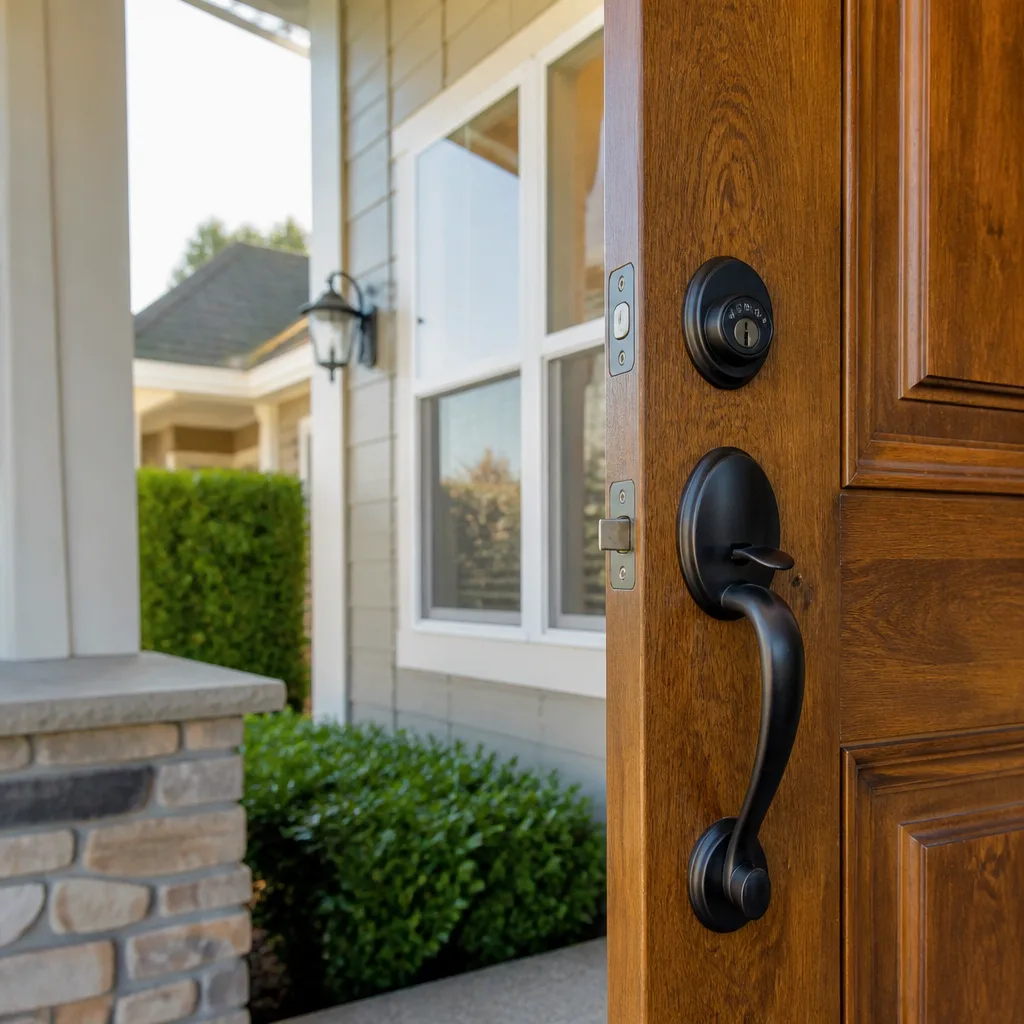
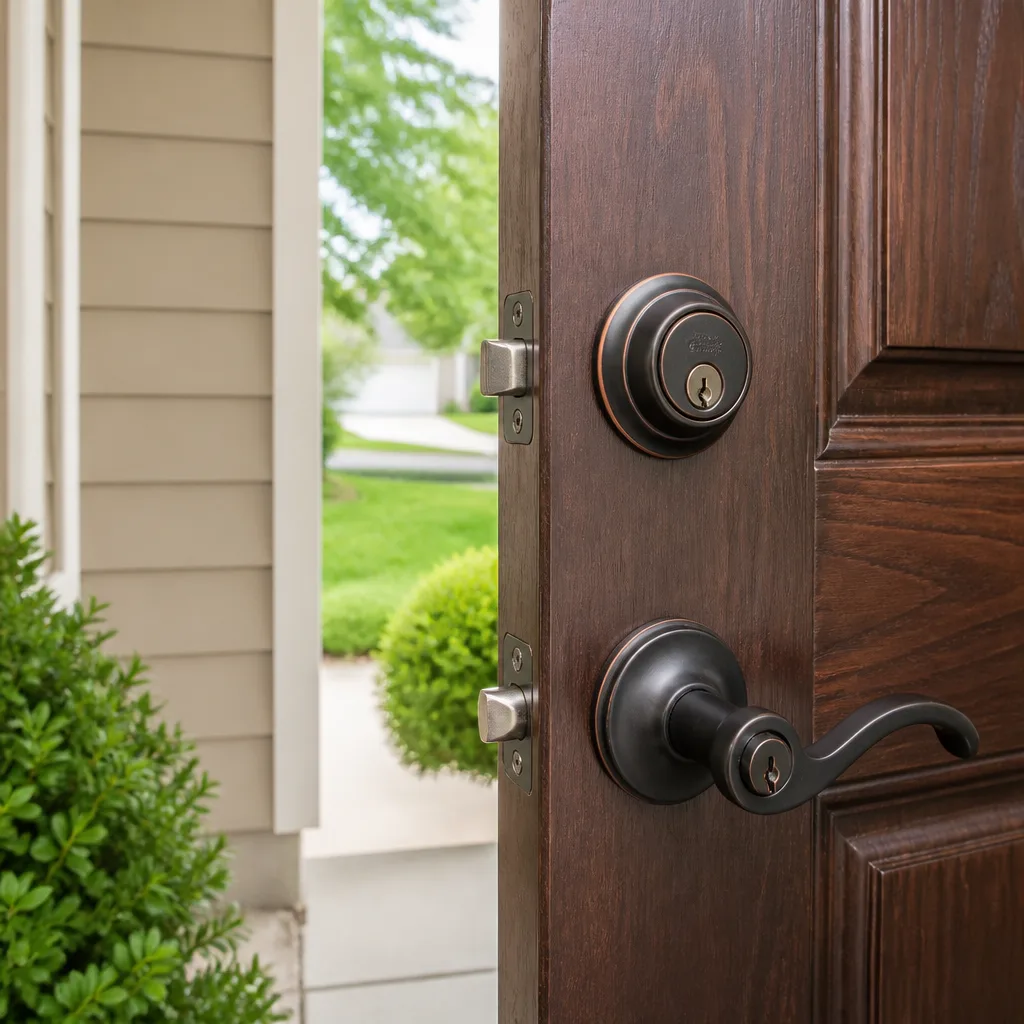
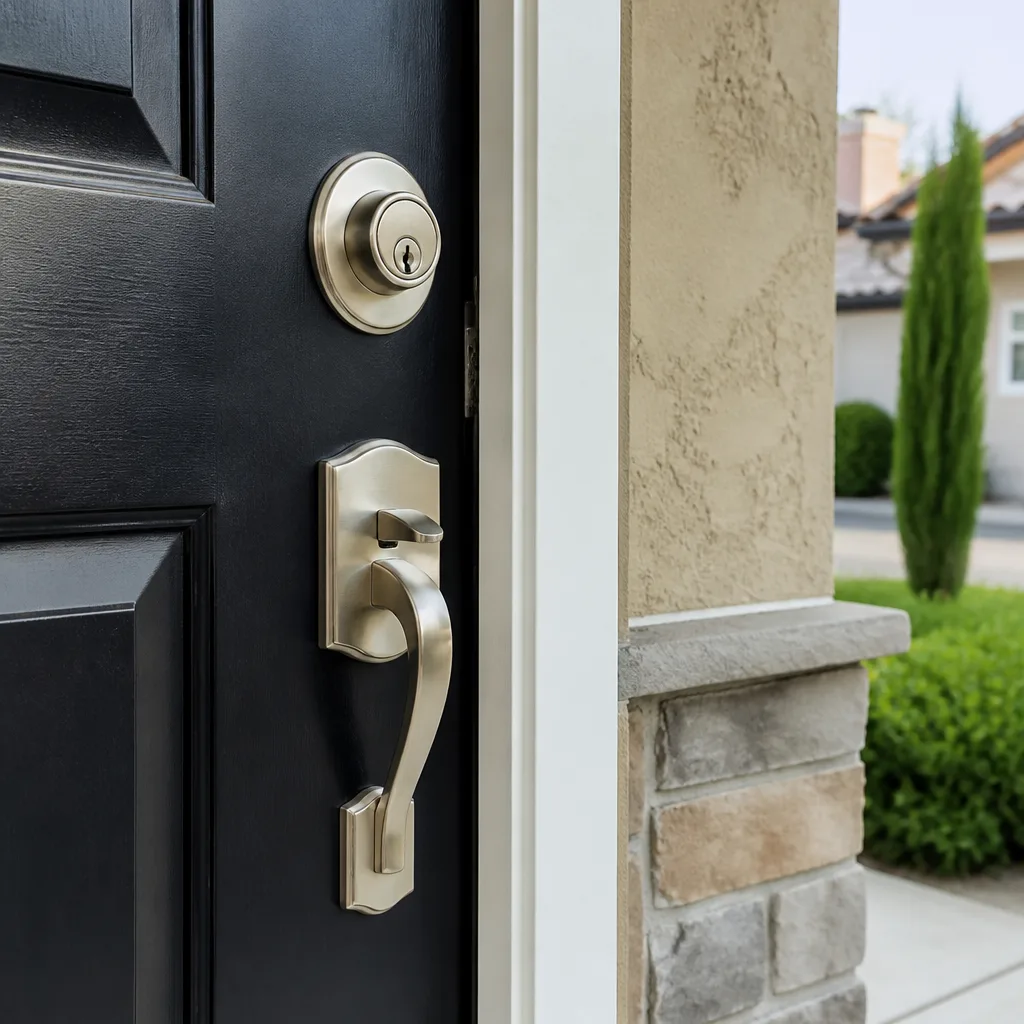
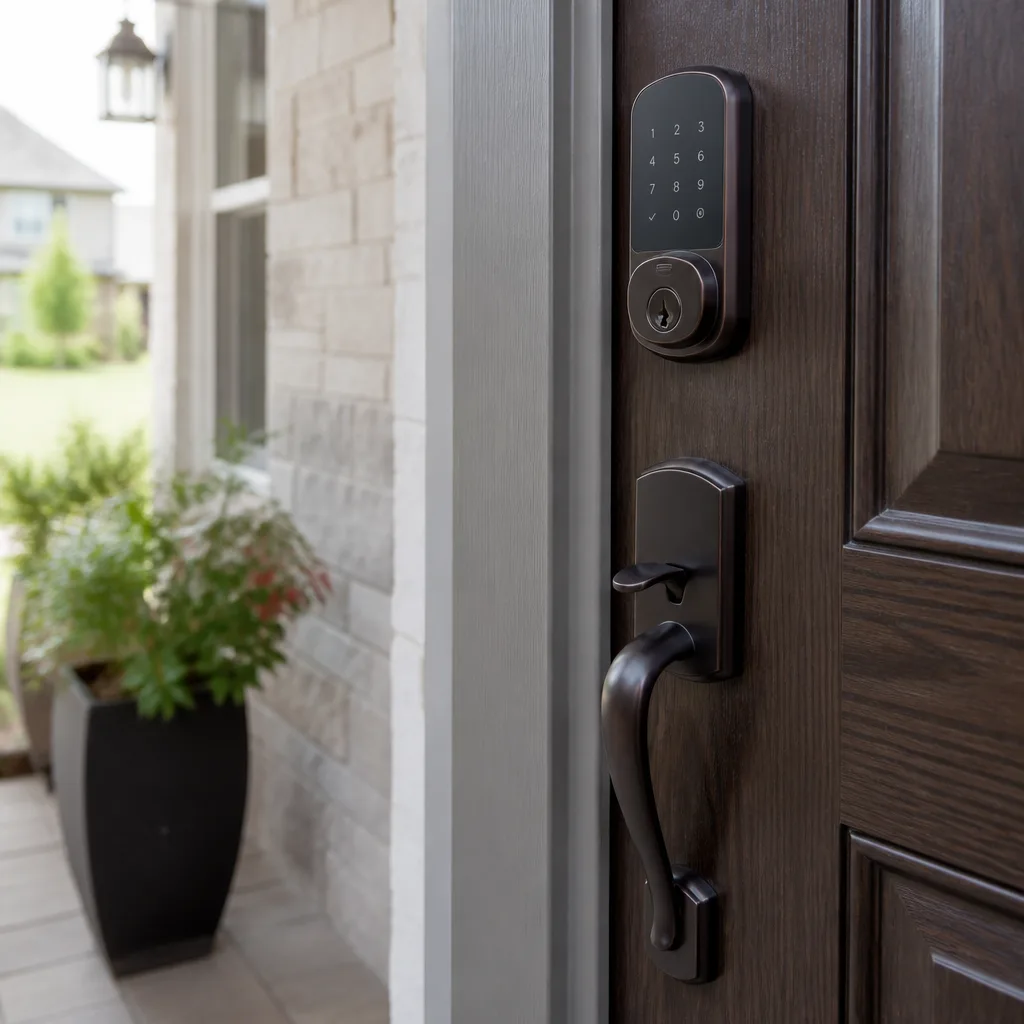
Change Door Locks Maintenance Schedule: What to Do and When
Most lock manufacturers void their warranty if the lock hasn’t been maintained, and they define “maintained” in the fine print as lubrication and inspection intervals most homeowners have never heard of. A $200 Baldwin lockset can become a $200 paperweight years before it should because nobody opened the fine-print manual. In Los Angeles, where dry air, coastal salt, and relentless sun work on metal hardware year-round, the gap between a lock that lasts 5 years and one that lasts 25 comes down to a routine that takes about 15 minutes per quarter. This guide gives you a calendar, not just a checklist.
Quick Answer
Door locks should be lubricated every 3 – 4 months, fully inspected twice a year, and professionally serviced or changed every 5 – 7 years depending on use and exposure. In Los Angeles, the dry-season dust and coastal humidity accelerate internal pin wear, so a quarterly schedule works best here. Use a dry PTFE or Teflon-based lubricant (never WD-40), check the strike plate alignment each quarter, and keep a written log for warranty claims.
Table of Contents
- Why Lock Maintenance Matters More Than You Think
- The Quarter-by-Quarter Maintenance Calendar
- Lubricants: What Works, What Destroys Locks
- Strike Plate Inspection for Wood Creep and Frame Settlement
- The Key Condition Test: Your Cylinder’s Worst Enemy
- The Maintenance Log: Proof That Protects Your Warranty
- Common Mistakes to Avoid
- When to Call a Professional
- Frequently Asked Questions
Why Lock Maintenance Matters More Than You Think
Locks fail slowly, then all at once. The internal pins and springs inside a pin-tumbler cylinder are machined to tolerances measured in thousandths of an inch. When dust, metal shavings, or congealed oil build up inside, the key doesn’t glide anymore, it grinds. Every stiff turn shaves a little more metal off the pins. Eventually, the key won’t turn at all, or worse, it turns halfway and jams, leaving you locked out with a cylinder that has to be drilled and replaced.
In Los Angeles, two environmental factors make this worse than in most parts of the country. First, the dry season from roughly May through October kicks up fine dust that finds its way into keyways and settles on lubricated surfaces like sandpaper. Second, many older LA homes sit on soil that shifts subtly with the seasons. Frames that were perfectly square when the house was built can drift a quarter inch over decades, which puts sideways pressure on the latch and deadbolt. That pressure is the silent killer of locks in this city, and it’s the reason we open a lot of doors that simply stopped cooperating overnight.
The good news: a 15-minute quarterly routine prevents nearly all of this. The even better news: that routine also keeps your hardware warranty intact. Schlage, Kwikset, and most major manufacturers explicitly state that failure to lubricate and inspect at recommended intervals voids coverage. When you keep a simple log, you have documentation that the warranty was honored on your end.
The Quarter-by-Quarter Maintenance Calendar
Here is the schedule we recommend for Los Angeles homeowners. It accounts for the city’s wet winter, mild spring, hot dry summer, and cool Santa Ana autumn. If you live in a coastal zone like Playa del Rey or San Pedro, add one extra lubrication cycle per year because salt air corrodes brass and steel faster.
Q1: January – March (Post-Winter Inspection)
Los Angeles winters are mild compared to the Northeast, but the rains are real. Water works its way into exterior locks through the keyway and around the cylinder face. After the rains taper off, do a full inspection.
- Wipe down all exterior locks with a clean, dry cloth. Look for green or white corrosion, especially on brass hardware.
- Test every key in every lock. A key that worked in December and feels sticky in March has water-related corrosion starting inside.
- Apply dry PTFE lubricant to every exterior cylinder and work the key in and out several times.
- Check the weatherstripping around the door frame. Worn weatherstripping lets rain drive sideways into the lock, which was a major issue during the January 2023 atmospheric river series in LA.
- Tighten all visible screws on hinge plates and lock faceplates. Wood expands and contracts with winter moisture, and screws loosen.
Q2: April – June (Heat Expansion Prep)
By late June, exposed hardware on south-facing and west-facing doors in neighborhoods like Woodland Hills, Sherman Oaks, and Pasadena can reach 140°F in direct sun. Metal expands. Frames shift.
- Lubricate all locks once in April and again in late June if the door gets direct afternoon sun.
- Check the deadbolt throw: with the door open, turn the key or thumbturn and watch the bolt extend. It should extend fully without hesitation. A sluggish bolt in May is a stuck bolt in July.
- Inspect the strike plate screws: heat makes wood shrink slightly, which loosens the screws that hold the strike plate in the jamb. Tighten them now, before the door sags.
- Test the door alignment: close the door slowly while watching the latch and deadbolt enter the strike plate holes. If either catches the edge, you have frame settlement starting.
Q3: July – September (Dry-Season Dust and Debris)
This is the hardest season on locks in Los Angeles. The air is dry, the dust is everywhere, and the Santa Anas can coat a keyway with fine grit in a single afternoon. Interior locks are affected too, because dust travels through the house every time a window is open.
- Blow out the keyway with a can of compressed air before lubricating. Do not use a cotton swab, which leaves fibers inside the cylinder.
- Lubricate locks that get daily use twice in this quarter, once in July and once in September.
- Check keys for wear: dry air plus dust means keys wear faster. Run your fingernail along the cuts. If the edges feel rounded instead of crisp, it’s time for a new key cut from the original code, not a copy of a copy.
- Vacuum the area around door thresholds. Grit tracked in from outside migrates into the lower hinge and eventually into the lock.
Q4: October – December (Pre-Holiday Security Audit)
The holiday season in Los Angeles brings an increase in package theft and opportunistic break-ins. Before you travel or host guests, do a security-focused inspection that combines maintenance with an honest assessment of your home’s weak points.
- Test every lock on every door, including doors you rarely use, like the side gate, the garage service door, and the door from the garage into the house. Unused locks seize faster than used ones.
- Rekeying assessment: if you’ve lost a key, had a break-in, or gone through a roommate or tenant change in the past year, now is the time to rekey. Rekeying means changing the internal pins so your old keys no longer work, and it’s a fraction of the cost of replacing the hardware.
- Upgrade check: if any exterior door still has a basic builder-grade lock, this is when we recommend upgrading to a Grade 1 deadbolt from Schlage or a high-security option from Mul-T-Lock. Holiday travel windows are when burglars test the most doors.
- Photograph and document: snap a photo of each lock and note its condition in your maintenance log. If you have to file a warranty claim, these photos are evidence.
Lubricants: What Works, What Destroys Locks
The single most common lock-damage mistake we see in Los Angeles homes comes down to what’s in the spray can. Most people reach for WD-40 because it’s in the garage and it feels like it works. It does not. Here is the honest breakdown.
WD-40: Not a Lubricant
WD-40 is a water-displacement solvent with a light oil carrier. It works briefly because it dissolves old gunk, but it leaves behind a thin, sticky film that attracts dust. In LA’s dry season, that film becomes a dust magnet within days, and the lock is worse off than before you sprayed it. WD-40 belongs in a garage, not a keyway.
Graphite: The Old Advice That’s Now Wrong
Graphite powder was the standard recommendation for decades, and you’ll still find it in hardware store aisles. The problem is that graphite is a dry powder that only works in dry environments. In humid conditions, like a Los Angeles winter or any coastal neighborhood, graphite combines with moisture and forms a paste that grinds pins. Modern locks, especially those with tighter tolerances from Baldwin or Sargent, were not designed for graphite. Skip it.
What Actually Works: Dry PTFE or Teflon-Based Lubricant
A dry PTFE lubricant (often sold as Teflon spray) is the right tool for lock maintenance. It coats the internal pins with a molecular layer of protection, repels water, and doesn’t attract dust. We recommend brands like Houdini Lock Lube or Tri-Flow Dry Lubricant, both widely available. The application method matters as much as the product.
- Aim the straw nozzle directly into the keyway where the key enters.
- Press for one second. Less is more.
- Insert the key and turn it clockwise, then counterclockwise, several times to distribute the lubricant.
- Wipe the key and the lock face with a clean cloth. Excess lubricant on the outside just gathers dirt.
- Test the deadbolt and latch with the door open to confirm smooth operation.
If a lock has already been doused in WD-40 or treated with graphite, the right fix is usually a professional cleaning. The cylinder comes out, gets disassembled or soaked, and is relubricated with the correct product. It’s a 20-minute job that costs far less than replacing a seized lock.
Strike Plate Inspection for Wood Creep and Frame Settlement
When a Los Angeles homeowner says their lock “got stiff” or the key “won’t turn all the way,” the cause is often not the lock at all. It’s the frame. Older homes in neighborhoods like Echo Park, Highland Park, and the San Fernando Valley sit on soil that expands and contracts with rain and drought cycles. Over years, that movement pulls the door frame out of square. The latch or deadbolt no longer enters the strike plate cleanly, and the sideways pressure makes the lock feel like it’s failing.
Here’s how to inspect in under five minutes, no tools required.
- Close the door slowly while watching the latch hit the strike plate. Does it scrape the edge of the plate before it retracts? If yes, the frame has shifted.
- Check the strike plate screw tension: place a finger over each screw and try to wiggle the plate. Any movement means the screws have stripped their holes, which is the earliest sign of settlement.
- Look at the plate’s positioning: the latch should enter the plate’s opening dead-center. If it enters high or low, the door has sagged, usually from a worn hinge or a shifted frame.
- Test the deadbolt separately: with the door open, throw the deadbolt and note the bolt’s position relative to the strike opening when you close the door. If the bolt doesn’t line up with the opening, that’s the fight you feel every time you turn the key.
If the strike plate has shifted, this is a repairable condition, not a lock replacement. A technician can file the strike plate opening or reposition it, and in the worst cases, fill the stripped screw holes with hardwood dowels and redrill. It’s a maintenance item that returns the lock to factory-smooth operation.
The Key Condition Test: Your Cylinder’s Worst Enemy
A worn key is a slow-motion wrecking ball for a lock cylinder. When a key’s ridges and valleys wear down from years of pocket friction, the pins inside the cylinder no longer align the way they should. Instead of clean separation at the shear line, the pins catch at the wrong angles. Every turn of a worn key stresses the internal springs and pushes tiny metal shavings into the pin chambers. Over time, the cylinder wears out and the key eventually fails to turn.
You can check your key’s condition in ten seconds.
- Run your fingernail along the cuts: the cuts should feel crisp and defined, like steps. If they feel rounded or shallow, the key is worn.
- Hold the key at an angle under light: look for flat shiny spots on the ridges where the original machining marks are gone. Shiny equals worn.
- Compare it to a spare: if you have a spare key that was cut at the same time and stored in a drawer, hold the two together. The difference in cut sharpness will be obvious.
- Try the key in a lock you rarely use: if the key works fine in the front door but feels loose or sticky in a back door that uses the same keyway, the front lock has internal wear that started with key degradation.
The fix for a worn key is not to get a copy made from the worn key. A duplicate of a worn key inherits all the wear. The right fix is a new key cut from the original code, which a locksmith can determine by measuring the existing key and referencing the manufacturer’s cut specifications. If you don’t have a code on file, the cylinder can be rekeyed to a fresh key, which resets both the key and the internal pins at the same time.
The Maintenance Log: Proof That Protects Your Warranty
Here’s the part almost nobody tells you. When a Schlage or Kwikset lock fails and you file a warranty claim, the manufacturer will ask for proof of maintenance. The fine print in most residential hardware warranties requires “reasonable care” and “periodic inspection and lubrication,” and if you can’t document it, they can and do deny claims. A simple log is your evidence.
We recommend keeping a single sheet of paper, or a note on your phone, with these fields:
- Lock location (front door, back door, garage service door)
- Brand and model (example: Schlage Encode deadbolt)
- Installation date or approximate age
- Date of each lubrication and product used
- Date of each inspection and findings (alignment, screw tightness, key condition)
- Any repairs or rekeying with date and what was done
This is not busywork. A one-page log that shows quarterly lubrication dates and inspection notes is the difference between “your claim is approved” and “your claim is denied due to lack of documented maintenance.” It also helps when you sell the home, because a maintained lock inventory tells a buyer that the house has been cared for in the details.
If you’d rather not keep a paper log, a photo of the lubricant can, the lock, and the door frame, taken on your phone each quarter with a dated timestamp, works as a visual record.
Common Mistakes to Avoid
- Using WD-40 as a lubricant: WD-40 is a solvent, not a lubricant. It cleans briefly and then attracts dust in LA’s dry air, leaving the lock gummier than before within a few weeks.
- Ignoring a stiff key: a key that gets harder to turn is a warning sign, not a permanent condition. Waiting until it fails completely means a drilled cylinder, a replaced lock, and a triple-digit bill instead of a $20 lubrication.
- Making copies from a worn key: every generation of copy loses a little more material. The fourth copy from a 15-year-old original often fails to work at all, and it wears the cylinder faster in the process.
- Lubricating without cleaning first: spraying PTFE into a keyway full of dust and grit just creates a lubricated abrasive slurry. Blow out the cylinder with compressed air first, every time.
- Forgetting the strike plate: most “lock problems” in older Los Angeles homes are actually strike plate alignment problems. You can replace a perfectly good cylinder and still have a sticky door if the plate is misaligned.
- Neglecting unused locks: the garage service door, the side gate, and the door from the garage into the house get ignored because they’re not used daily. Unused locks seize faster than used ones because nothing moves the pins and lubricant dries out.
- Assuming a warranty will cover it without proof: manufacturer warranties require documented maintenance. No log, no claim. The fine print has teeth.
When to Call a Professional
Most of this guide covers maintenance you can do yourself with a spray can and a screwdriver. But some conditions warrant a trained technician, and knowing the line saves you money and frustration. Call a professional if a key snaps off inside the cylinder, if a lock has been exposed to salt water or flood water, if a deadbolt no longer extends fully, if a strike plate has pulled completely out of the jamb, or if you’ve experienced a break-in and need the lock evaluated for damage. If you have a high-security cylinder from Medeco, Mul-T-Lock, Abloy, or Sargent, service work should be done by someone factory-authorized for that system, because those cylinders are not interchangeable with standard hardware. Dunmore Locksmith offers free estimates in Los Angeles, and you can call (910) 714-4287 to talk through what you’re seeing before anyone is dispatched. The price goes in writing before any work begins.
Frequently Asked Questions
Every three to four months for most Los Angeles homes. If you live within two miles of the coast, where salt air increases corrosion, lubricate monthly. If your door faces south or west and gets direct afternoon sun, add a mid-summer application.
Clean the keyway with compressed air, lubricate with a dry PTFE spray, and test again. If the key is still stiff after lubrication, the cylinder has internal wear or the strike plate has shifted, and you should have it inspected before it fails completely. Call (910) 714-4287 for a free estimate.
A basic cleaning and lubrication of one cylinder typically runs $45 – $80. Rekeying a standard knob or deadbolt usually costs $65 – $120 per lock, depending on the brand and keyway type. Full lock replacement with hardware starts around $150 for a Grade 2 deadbolt and goes up from there for commercial-grade or high-security systems. The price is quoted in writing before any work starts.
No. WD-40 is a solvent and water-displacement formula, not a lubricant. It dissolves old grime temporarily, then leaves a residue that attracts dust and makes the lock stickier within weeks. Use a dry PTFE lubricant made specifically for locks.
First, have the door and frame inspected for damage, even if the lock still works. Forced entry often stresses the strike plate, the deadbolt, and the frame in ways that aren’t visible. Second, rekey the affected locks so that any keys that may have been taken no longer work. Third, consider upgrading to a Grade 1 deadbolt or a high-security cylinder if the current hardware is builder-grade.
Yes. The price you receive from Dunmore Locksmith is delivered in writing before any work begins, and it is the price on the invoice. There is no dispatch fee added on arrival and no surprise total at the end. If anything about the job changes scope once the technician sees it, you’ll approve the change in writing before any additional work proceeds.
The Bottom Line
Lock maintenance is one of the most skipped home tasks because nothing seems broken until everything is. A quarterly routine of cleaning, lubricating with dry PTFE, checking the strike plate, and assessing key condition adds years to your hardware’s life, keeps manufacturer warranties valid, and alerts you to frame settlement before it becomes a lockout. In Los Angeles, with its dust, dry heat, and shifting soil, this routine matters more than in most of the country. For more guides & resources, visit our blog, and set a calendar reminder for the first week of January, April, July, and October. Fifteen minutes per quarter is the cheapest insurance policy a lock can have.
Written by Perry Osgood, Owner at Dunmore Locksmith, serving Los Angeles since 2007.
For a free estimate on lock maintenance, rekeying, or replacement in Los Angeles, call (910) 714-4287 or learn more about our Residential Locksmith in Los Angeles services, Door Lock Repair in Los Angeles, and Change Door Locks in Los Angeles. You can also start at the Dunmore Locksmith home page for a full look at what we do.