
Last updated October 8, 2026
Non-destructive entry first, always - and we re-key Schlage, Kwikset, and Baldwin locks on the spot while you watch
You get a price before we start. It does not change when we arrive. No surprises.
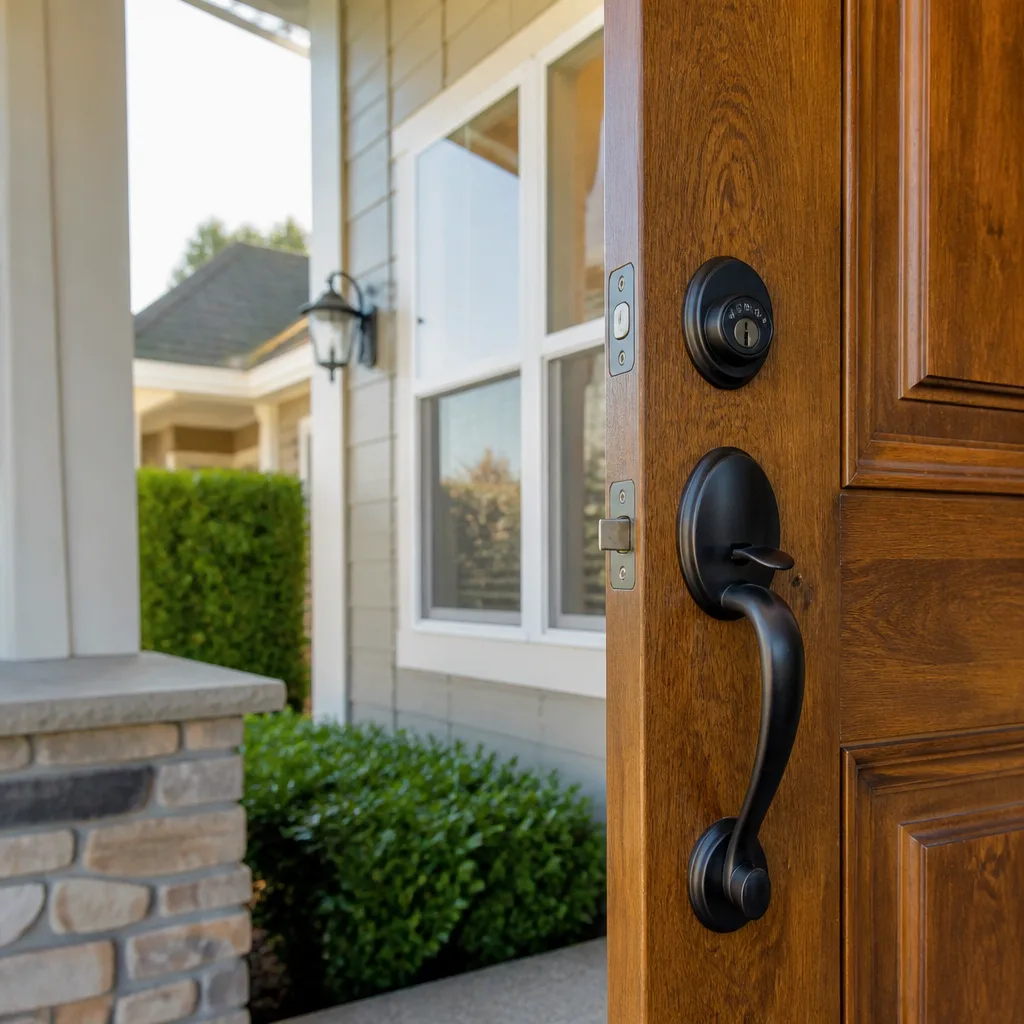
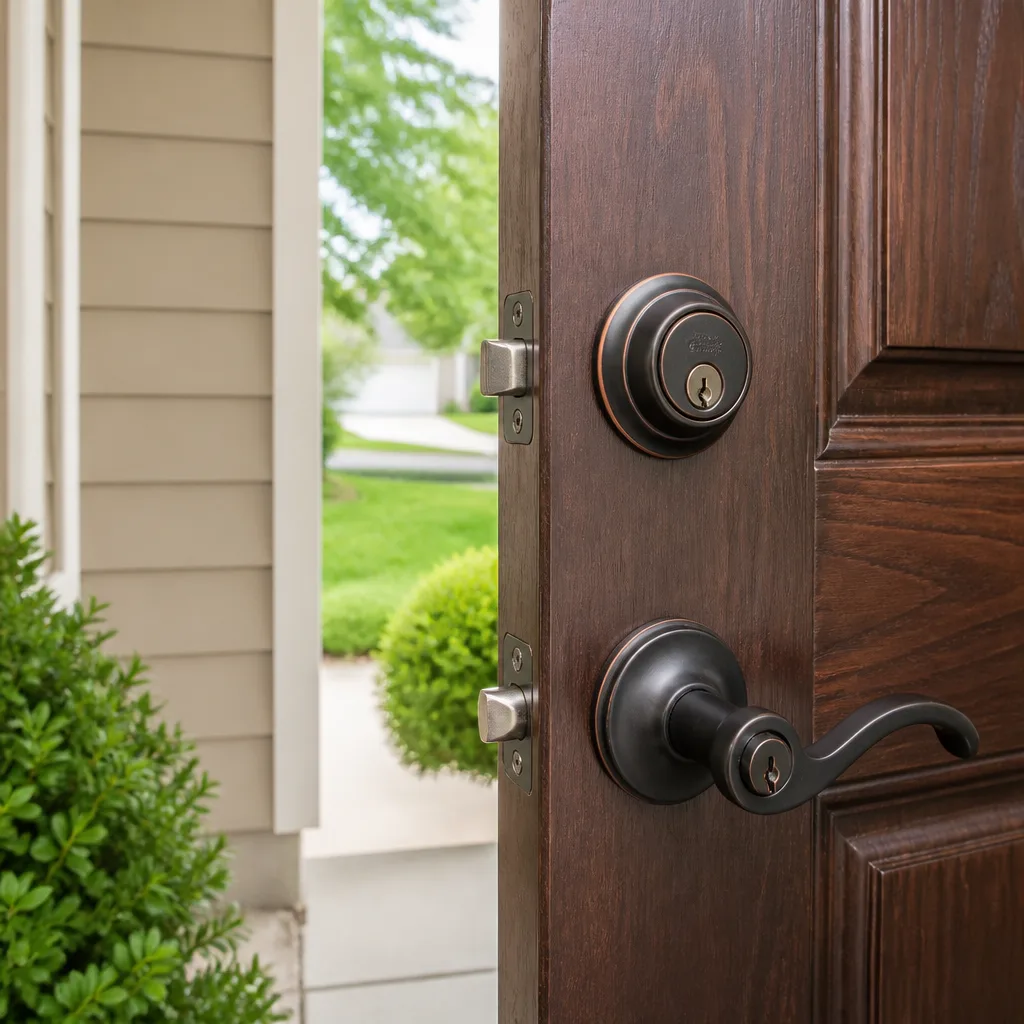
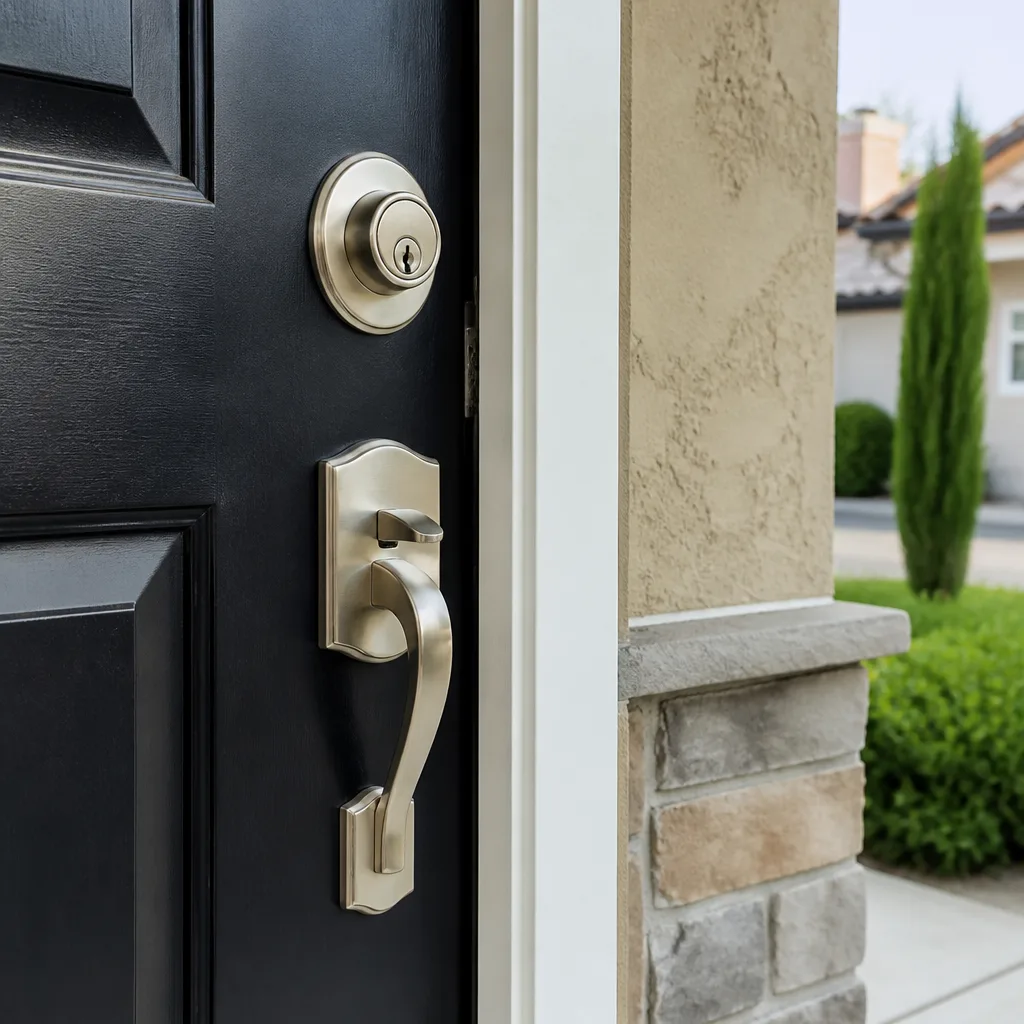
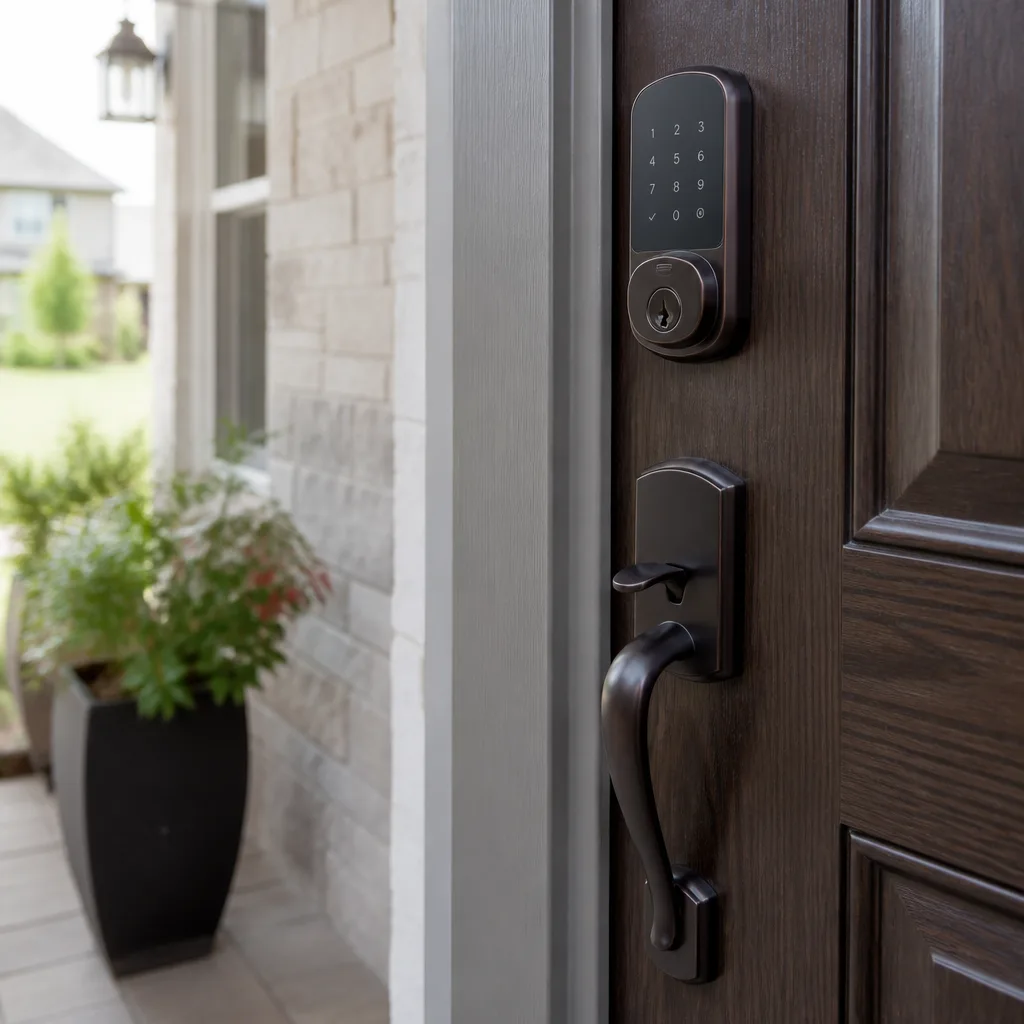
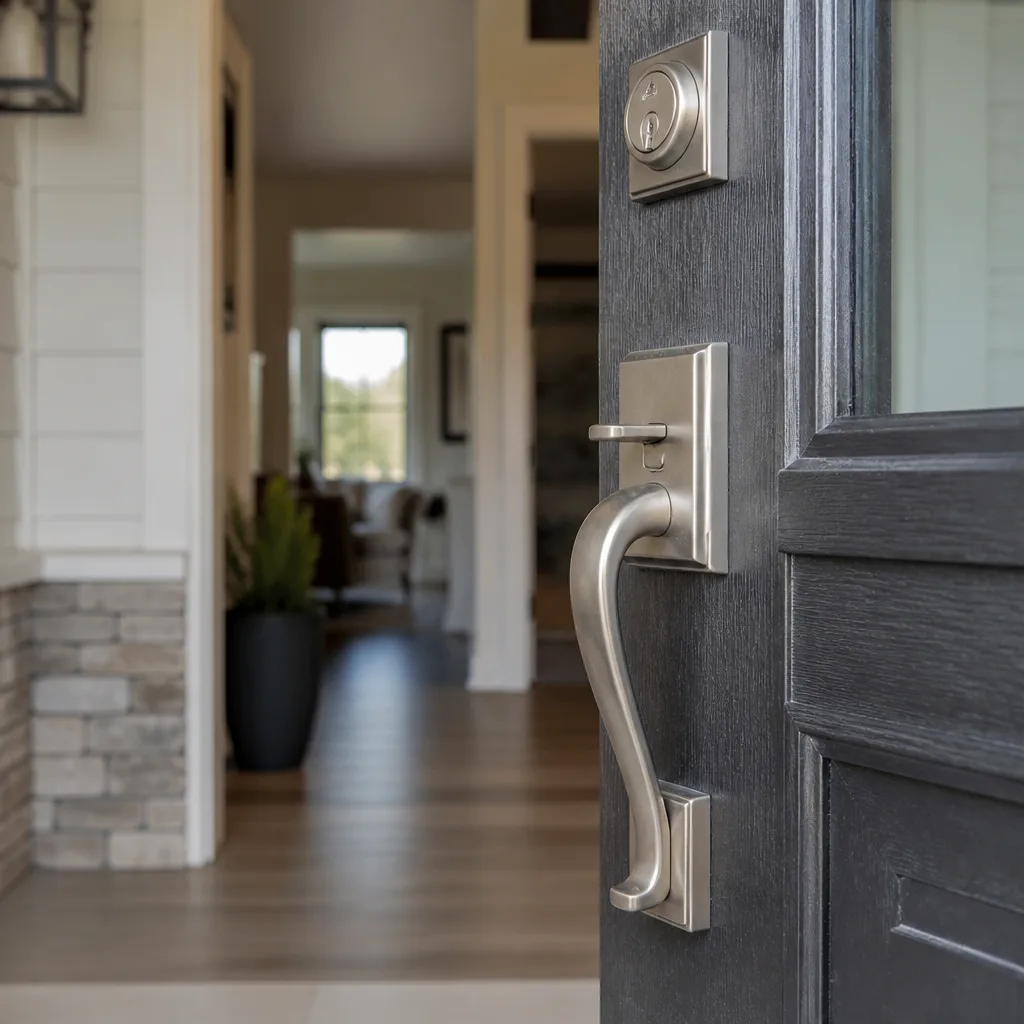
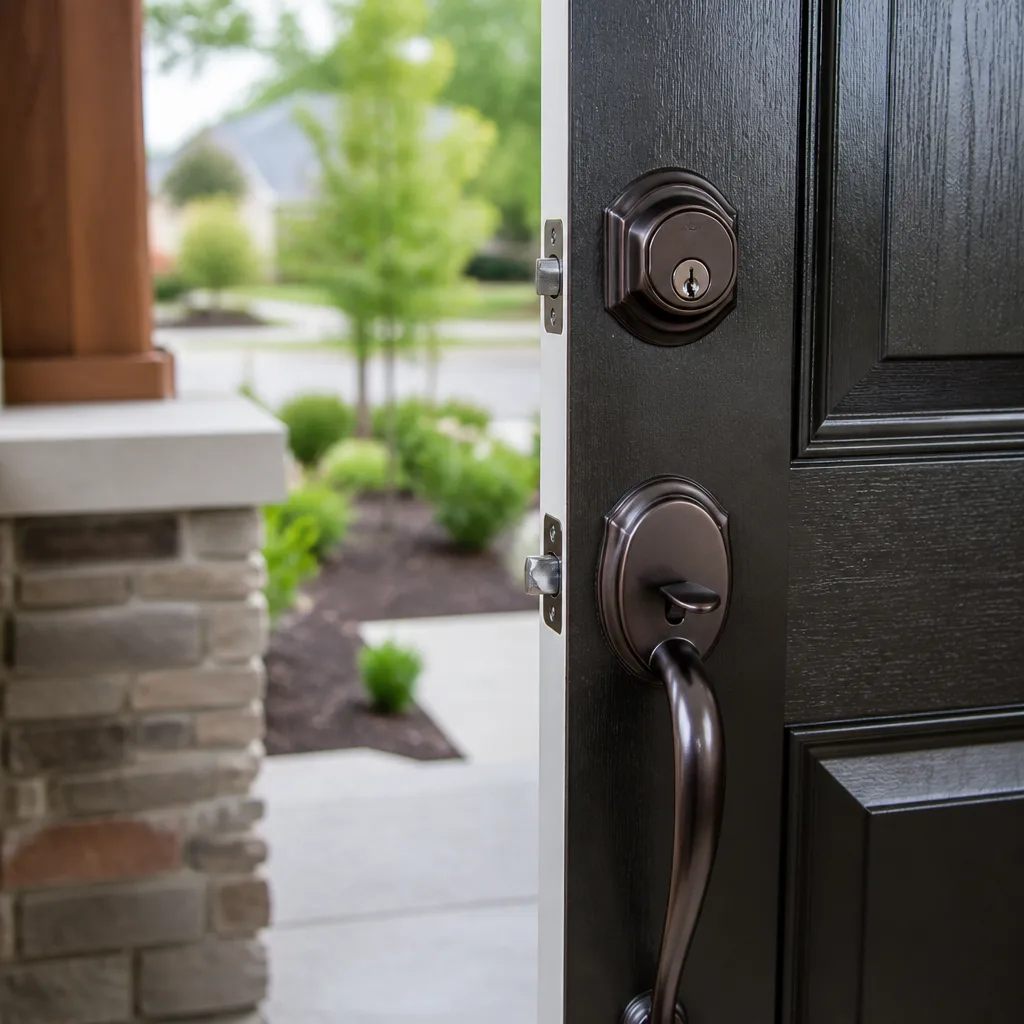
Door Lock Repair Troubleshooting: Common Problems and How to Fix Them
Here is a statistic that surprises most homeowners in Los Angeles: the majority of door lock repair calls we handle are not lock problems at all. They are door problems. A deadbolt that will not stay locked is almost never a deadbolt problem. In roughly 70% of cases, it is a strike plate that has migrated an eighth of an inch out of alignment, a twenty-minute fix with a chisel and two screws that nobody checks first. By the end of this guide, you will know how to tell the difference between a failing lock mechanism and a failing door, which repairs are safe to handle yourself, and which ones require a professional door lock repair before the lock fails completely.
Quick Answer
Most door lock problems are caused by door misalignment, loose hinges, or a shifted strike plate, not by the lock itself. Start by checking the door, then the strike plate, then the lock mechanism. If the lock body is cracked, the latch bolt is mushroomed, or the cylinder spins freely, stop using the door and call a locksmith, because continued use will cause a complete lockout.
Table of Contents
- The Door-First Diagnostic: Check the Door Before the Lock
- The Dollar Bill Strike Plate Test
- Six Common Door Lock Failure Modes and What They Mean
- Latch Not Catching: The Most Misdiagnosed Problem
- Deadbolt Hard to Turn After Years of Use
- Key Works From Outside but Not Inside (and Vice Versa)
- Sliding Glass Door Lock Diagnosis: Mechanism, Rollers, or Track
- When a Repair Makes the Problem Worse
- Common Mistakes to Avoid
- When to Call a Professional
- Frequently Asked Questions
- The Bottom Line
The Door-First Diagnostic: Check the Door Before the Lock
Before you touch a single screw on the lock, check the door itself. Sixty percent of what people call lock problems in Los Angeles are actually door problems: hinge sag, frame settling, or weatherstripping compression. Older homes in neighborhoods like Silver Lake, Echo Park, and the San Fernando Valley are especially prone to this because decades of seasonal expansion and contraction slowly shift door frames out of square.
Here is the diagnostic sequence we use on every service call, in order:
- Check hinge tightness. Open the door halfway and lift the handle upward. If the door moves vertically at all, the hinge screws are loose or the hinges are worn. Tighten the top hinge screws first. If a screw spins without grabbing, the screw hole is stripped. Replace it with a three-inch screw that reaches the framing stud behind the jamb. This single fix corrects more door lock problems than any lock adjustment ever will.
- Check door sag. Close the door until the latch touches the strike plate. Look at the gap between the door edge and the frame. A consistent gap means the door is square. A gap that narrows at the top or bottom means the door is sagging, and the latch will never align with the strike plate until the sag is corrected.
- Check frame squareness. Measure the diagonal distances of the door opening. In a square frame, both diagonals are equal. A difference of more than a quarter inch means the frame has shifted, and no amount of lock adjusting will compensate for it.
- Check weatherstripping compression. New weatherstripping, especially the adhesive foam type, creates resistance that makes a latch or deadbolt feel stiff and hard to engage. If you installed weatherstripping within the last few months and the lock started misbehaving shortly after, that is your cause. Trim or compress the stripping before touching the lock.
This sequence matters because lock mechanisms are designed to operate within tight tolerances. When the door shifts by even an eighth of an inch, the bolt no longer lines up with the strike plate hole, and the lock gets blamed for a problem it did not create. In our experience as a Door Lock Repair in Los Angeles provider, the door is the culprit more often than the lock.
The Dollar Bill Strike Plate Test
This is the lowest-tech diagnostic in the trade, and it works in about ten seconds. Take a dollar bill, close the door, and slide the bill between the strike plate and the latch bolt. Try to move the bill past the bolt. If it slides through without resistance, the bolt is not seating deeply enough in the strike plate hole. If the bill catches, the bolt is landing where it should.
When the bolt is not seating deeply, the door can be pushed open with a credit card or even firm shoulder pressure. This is the single most common security problem we find in Los Angeles homes, and it is usually blamed on a bad lock when the actual issue is a strike plate that has drifted out of position over time.
The fix, when the misalignment is less than an eighth of an inch, is straightforward:
- Remove the two screws holding the strike plate.
- Enlarge the strike plate hole slightly in the direction the bolt needs to move, using a chisel or a rotary tool.
- Fill the old screw holes with wooden toothpicks and wood glue, let them set, then re-drill pilot holes.
- Reinstall the strike plate at the corrected position and test with the dollar bill again.
If the strike plate is misaligned by more than a quarter inch, or if the strike plate screws keep working loose after repeated tightening, the fix involves repositioning the plate and possibly replacing the screws with longer ones that anchor into the framing. Do not ignore a loose strike plate. It is an invitation, and in Los Angeles, where most break-ins happen through a door that was simply pushed or kicked open, this is not a cosmetic issue.
Six Common Door Lock Failure Modes and What They Mean
When the door passes the diagnostic checks but the lock still misbehaves, here are the six failure modes we see repeatedly, along with what each one tells you about the actual problem:
- Latch not catching. The latch bolt does not enter the strike plate hole, or it catches on the edge of the plate. Ninety percent of the time this is a strike plate alignment issue, not a lock issue. The other ten percent is a latch that is worn or a spring inside the latch mechanism that has failed.
- Deadbolt hard to turn. If the deadbolt requires force to engage, the bolt is binding against the strike plate, the door is out of alignment, or the cylinder is gummed up. In dry Los Angeles summers, dust and debris accumulate inside cylinders and thicken over time. A graphite lubricant applied directly into the keyway often restores smooth operation, but only if the alignment is correct first.
- Handle spins freely without retracting the latch. This indicates a broken spindle or a spindle that has slipped out of the hub inside the lock body. It is a mechanical failure, not an alignment issue, and it will not correct itself. The lock mechanism needs replacement.
- Lock cylinder loose or wobbling. A loose cylinder is usually held in place by a setscrew or a retaining clip that has loosened or fallen out. If caught and tightened early, it is a five-minute fix. If ignored, the cylinder moves with every turn of the key and eventually damages the internal cam and tailpiece, which means a full lock replacement.
- Key works from outside but not inside. When the key operates the lock from one side but not the other, the problem is usually a broken tailpiece or a cylinder that has separated from the lock body on one side. This is not a lubrication issue and not an alignment issue. It is an internal component failure.
- Lock frozen after rain. After a rare heavy Los Angeles rainstorm, locks in exterior doors sometimes freeze or become extremely difficult to operate. This is usually water intrusion into the cylinder combined with accumulated grit. The fix is flushing the cylinder with a solvent-based cleaner, followed by a dry graphite lubricant. Never use oil-based lubricants like WD-40 in a lock cylinder. They work for a day and then attract so much dust that the lock is worse than before.
Latch Not Catching: The Most Misdiagnosed Problem
The latch is the spring-loaded bolt that keeps the door closed when the knob or lever is released. When the latch does not catch, the door either pops open on its own or stays closed only because the deadbolt is thrown. Homeowners often assume the entire lock is broken and replace it, spending money on hardware that was never the problem.
Before replacing anything, check these three things in order:
- The strike plate position. Use the dollar bill test described above. If the latch bolt is not entering the strike plate hole cleanly, the fix is on the frame, not the door.
- The latch bolt itself. Press the latch bolt with your thumb. It should depress smoothly and spring back instantly. If it is sluggish, sticky, or does not return fully, years of dust, paint overspray, or a broken spring inside the latch are the cause. In older Los Angeles homes, we frequently find latches clogged with paint from previous residents who painted the door without removing the hardware.
- The door position at the top. Close the door slowly while watching the top corner. If the door contacts the frame at the top before the latch reaches the strike plate, the door is warped or the top hinge is binding. This shifts the latch downward and prevents clean engagement.
When the latch itself is the problem, the repair is a latch replacement, which typically runs $65 to $150 for a standard residential knob or lever set, including the service call in the Los Angeles metro area. If the door needs to be re-hung or the frame repaired, the cost rises accordingly, but the specific number is always quoted in writing before any work starts when you call Dunmore Locksmith.
Deadbolt Hard to Turn After Years of Use
A deadbolt that becomes progressively harder to turn is sending you a warning-one of the Door Lock Repair Warning Signs Every Homeowner Should Know. The most common cause in Los Angeles is not the deadbolt at all. It is the strike plate drifting out of alignment, which makes the bolt scrape against the plate edge every time it extends or retracts. The scraping wears the bolt surface, creates drag, and gets blamed on the lock.
Run this sequence before lubricating anything:
- Throw the deadbolt with the door open. If it extends and retracts smoothly with the door open but binds when the door is closed, the alignment is the problem. The strike plate needs repositioning.
- If the deadbolt binds even with the door open, the issue is inside the lock. Apply a dry graphite lubricant into the keyway and work the key in and out several times. Many deadbolts go years in Los Angeles without lubrication, and the dry climate compounds the problem. If lubrication does not restore smooth operation, the cylinder has internal wear, and replacement is the correct fix.
- If the key itself is bent, worn, or you are using a heavily duplicated copy, stop using it. A worn key accelerates cylinder wear. Get a new key cut from the original or from a code, not from a copy of a copy.
Deadbolt cylinders for Schlage and Kwikset hardware are widely available, and a cylinder replacement typically takes a technician under thirty minutes. The labor and hardware for a deadbolt cylinder replacement in Los Angeles generally runs $95 to $185 depending on the finish and keyway. If the deadbolt body itself is damaged, full replacement is usually $150 to $300 for quality hardware installed, with the written price confirmed before work begins.
Key Works From Outside but Not Inside (and Vice Versa)
This is the failure mode that confuses people the most. The same key turns the lock from the outside but spins uselessly from the inside, or the reverse. The door alignment is not the issue, and neither is the key. The problem is a broken connection inside the lock.
Here is what is happening, in plain terms. A lockset has two cylinders: one facing outside, one facing inside. They are connected by a metal piece called a tailpiece. When you turn the key on the exterior cylinder, the tailpiece rotates and retracts the latch. When you turn the thumbturn on the interior cylinder, the same thing happens in reverse. If the tailpiece breaks, shears, or disconnects on one side, that side stops operating the lock. The other side keeps working because it is still connected to the latch.
The telltale signs:
- The key turns with no resistance and no result, as if the cylinder is disengaged.
- The thumbturn spins freely past its normal stopping point.
- The lock worked fine one day and failed the next, with no gradual decline.
There is no lubricant, adjustment, or alignment fix for a broken tailpiece. The lock must be disassembled and the broken part replaced. On quality Schlage and Kwikset hardware, this is a straightforward repair that typically costs $85 to $175. On budget hardware from big-box stores, the tailpiece is often not serviceable, and the entire lock needs replacement. We recommend spending a little more on hardware that uses replaceable components, because a lock that cannot be repaired is a lock that gets thrown away.
Sliding Glass Door Lock Diagnosis: Mechanism, Rollers, or Track
Los Angeles is a sliding glass door city. Patios, balconies, and bedroom deck access doors are everywhere, and when a sliding door lock fails, the diagnosis is more complex than a standard entry door because there are four possible causes, and each requires a different repair.
Here is how to isolate the problem in five minutes:
- Test the lock mechanism in isolation. With the door fully closed, engage the lock. If the locking finger or hook does not reach the keeper on the door frame, or if it engages but is loose, the lock mechanism is misaligned or worn. This is a lock repair.
- Test the rollers. Open the door as far as it will go. If it grinds, drags, or requires force to move, the rollers at the bottom of the door are worn or gummed up. Roller problems make it hard to close the door fully, which prevents the lock from engaging. This is not a lock problem. It is a roller replacement job.
- Test the track. Run your finger along the bottom track. Debris, bent track sections, or a track that is not level will cause the door to hang up before it reaches the locking position. Clean the track first, then check for bends or dips. A bent track needs straightening or section replacement.
- Test the door panel alignment. Close the door and look at the vertical gap between the door panel and the frame on the lock side. If the gap is wider at the top than the bottom, the door panel is out of plumb, usually due to roller wear or frame settling. The door must be lifted, adjusted, and re-leveled before the lock will align.
Sliding door lock replacement in Los Angeles typically runs $75 to $160 for a standard mortise-style sliding door lock, with roller replacement adding $120 to $250 depending on the roller type and door weight. Track repair costs depend on the extent of the damage and are quoted after inspection. The important insight is this: if the door does not close smoothly and fully, the lock is not the problem, and replacing the lock will not fix the issue.
When a Repair Makes the Problem Worse
There are two scenarios where attempting a DIY fix before a professional assessment causes the lock to fail completely. We see both of them regularly in Los Angeles homes, and they are expensive to undo.
Scenario one: a mushroomed latch bolt. When a latch has been scraping against a misaligned strike plate for months, the leading edge of the latch bolt deforms. It flares outward, creating a lip that catches on the strike plate. Some homeowners respond by filing the latch bolt down with a metal file to smooth it out. That files away the hardened outer layer of the bolt and leaves softer metal exposed. The latch then deforms faster than before, and within weeks the door will not stay closed at all. The proper fix is to correct the strike plate alignment first, then replace the damaged latch bolt. Filing first destroys the lock.
Scenario two: a cracked lock body. When a lock body or cylinder housing develops a hairline crack, often from years of force against a misaligned door, the lock is structurally compromised. Some homeowners try to compensate by tightening the mounting screws harder, which widens the crack. The lock body then splits during normal use, jamming the latch in the extended position and locking the door shut from the inside. At that point the repair is no longer a repair. It is force-entry to remove the broken lock and a full replacement. If you see a crack in any metal part of your lock, stop using the door and call a locksmith. The cost of inspection is far less than the cost of forced entry.
Common Mistakes to Avoid
- Lubricating before diagnosing. A dry lubricant fixes a dry lock, but it does not fix an aligned door or a shifted strike plate. If you lubricate first, you mask the symptom and make the real diagnosis harder. Check the door first, then the strike plate, then the lock.
- Using oil-based lubricants in cylinders. WD-40 and household oils work for a few days and then trap dust, creating a paste that clogs the pins inside the cylinder. Use dry graphite or a solvent-based flush only. If you already used oil, have the cylinder flushed and re-lubricated.
- Replacing the lock when the strike plate is the problem. This is the most common unnecessary expense we see. A new lock installed on a door with a misaligned strike plate will fail the same way the old one did. The door must be corrected first.
- Using short screws in the strike plate and hinges. The screws that come with most locks are half an inch long and anchor into the thin door jamb, not the framing. A firm shoulder push shears them. Replace hinge and strike plate screws with three-inch screws that reach the studs. This one upgrade dramatically improves security for about five dollars in hardware.
- Filing a deformed latch bolt. As described above, filing removes the hardened surface and accelerates failure. Replace the bolt and correct the alignment.
- Forcing a key that does not turn smoothly. If the key binds, forcing it can shear the key inside the cylinder or break a pin, turning a simple lubricant job into a lock replacement. If the key will not turn with gentle pressure, stop and call a professional.
- Ignoring a loose cylinder. A cylinder that wobbles slightly is a five-minute tightening job. A cylinder that wobbles for a year damages the tailpiece and cam, turning a five-minute fix into a full lock replacement. Tighten it the day you notice it.
When to Call a Professional
Some lock problems are homeowner-friendly: a shifted strike plate, a loose hinge screw, a dry cylinder, a gunked-up track. Others are not. Call a professional when the key breaks in the lock, when the lock body shows any crack, when the latch bolt is mushroomed, when the tailpiece has broken, or when the door cannot be secured and you need it fixed before you can leave the house or go to sleep. A verified, background-checked technician carrying a photo ID badge and a written price quote removes the biggest risk in this trade: not knowing who is actually coming to your door. Dunmore Locksmith home covers the full range of residential and commercial door lock repair in Los Angeles, and every job begins with a written price, not an estimate that changes when the technician arrives. Call (910) 714-4287 for a free estimate, answered by a live person any hour of the day.
Frequently Asked Questions
A door lock that will not stay locked is usually a strike plate alignment problem, not a lock problem. The bolt is not seating deeply enough in the strike plate hole, often because the door has sagged or the frame has shifted. Check the hinge screws and the strike plate position before replacing the lock. If the bolt seats properly with the door held closed but pops open on its own, the latch spring is worn and the latch assembly needs replacement, typically $65 to $150 in the Los Angeles area. Call (910) 714-4287 for an exact quote, free of charge.
Most door lock repairs in Los Angeles range from $65 to $185 for common jobs: latch replacement, cylinder repair, strike plate realignment, and lubrication. Deadbolt replacement with quality hardware typically runs $150 to $300 installed. Sliding door lock repair and roller work runs $75 to $250. These are written prices quoted before work begins, and the quote you receive on the phone is the price on the invoice, with no added call-out surcharge. Call (910) 714-4287 for a specific quote on your lock.
Yes. With Dunmore Locksmith, the price is delivered in writing before any work starts, and that written price is the final price. There is no call-out surcharge added on arrival, and no inflated total at the end of the job. This is the single most common complaint in the locksmith trade, and we built our entire process around eliminating it. Call (910) 714-4287 and the technician will confirm the written quote before touching your lock.
Under the Threshold Standard, every technician is background-checked, identity-verified, and sent to you by name and photo before the visit. The technician arrives in a clean marked uniform and shows a photo ID badge before entering. If someone arrives who you were not told to expect, the visit is covered at no charge. Dunmore takes its name from old words for a great fort, a stronghold built to keep what is inside safe, and that principle governs who we send to your door. You can verify credentials any time by calling (910) 714-4287.
No. A door that is hard to close is a door problem: sagging hinges, a warped door panel, a tight strike plate, or swelling in humid weather. In Los Angeles, where humidity swings dramatically between coastal mornings and inland afternoons, wood doors expand and contract measurably. Check the alignment before touching the lock. If the door needs planing or the hinges need adjustment, a locksmith or carpenter can correct it in under an hour. Our Residential Locksmith in Los Angeles service includes door alignment checks with every lock repair.
You can fix the most common door lock problems yourself if they are door problems: tightening hinge screws, repositioning a strike plate, cleaning a sliding door track. What you should not do yourself is file a latch bolt, force a broken key, or continue using a lock with a cracked body. Those actions convert repairs into replacements. If you are ever unsure whether a fix is safe, call (910) 714-4287 and a Dunmore Locksmith technician will talk you through what is happening, free of charge, before you pick up any tool, or explore our more guides & resources first.
The Bottom Line
Door lock troubleshooting is a diagnostic discipline, not a guessing game. Check the door first, then the strike plate, then the lock. Respect the difference between a door problem and a lock problem, because mistaking one for the other means repeated failures and unnecessary replacements. When the repair is beyond a simple alignment or lubrication, do not start a repair that will make the problem worse. Our Change Door Locks in Los Angeles service covers everything from single-lock replacements to complete home rekeying, with a 365-day guarantee on every repair. If the repair fails within a year, we return at no charge. That is the standard the work should meet, and it is the standard we hold ourselves to on every door in Los Angeles.
Written by Perry Osgood, Owner at Dunmore Locksmith, serving Los Angeles since 2007.