
Last updated October 8, 2026
Non-destructive entry first, always - and we re-key Schlage, Kwikset, and Baldwin locks on the spot while you watch
You get a price before we start. It does not change when we arrive. No surprises.
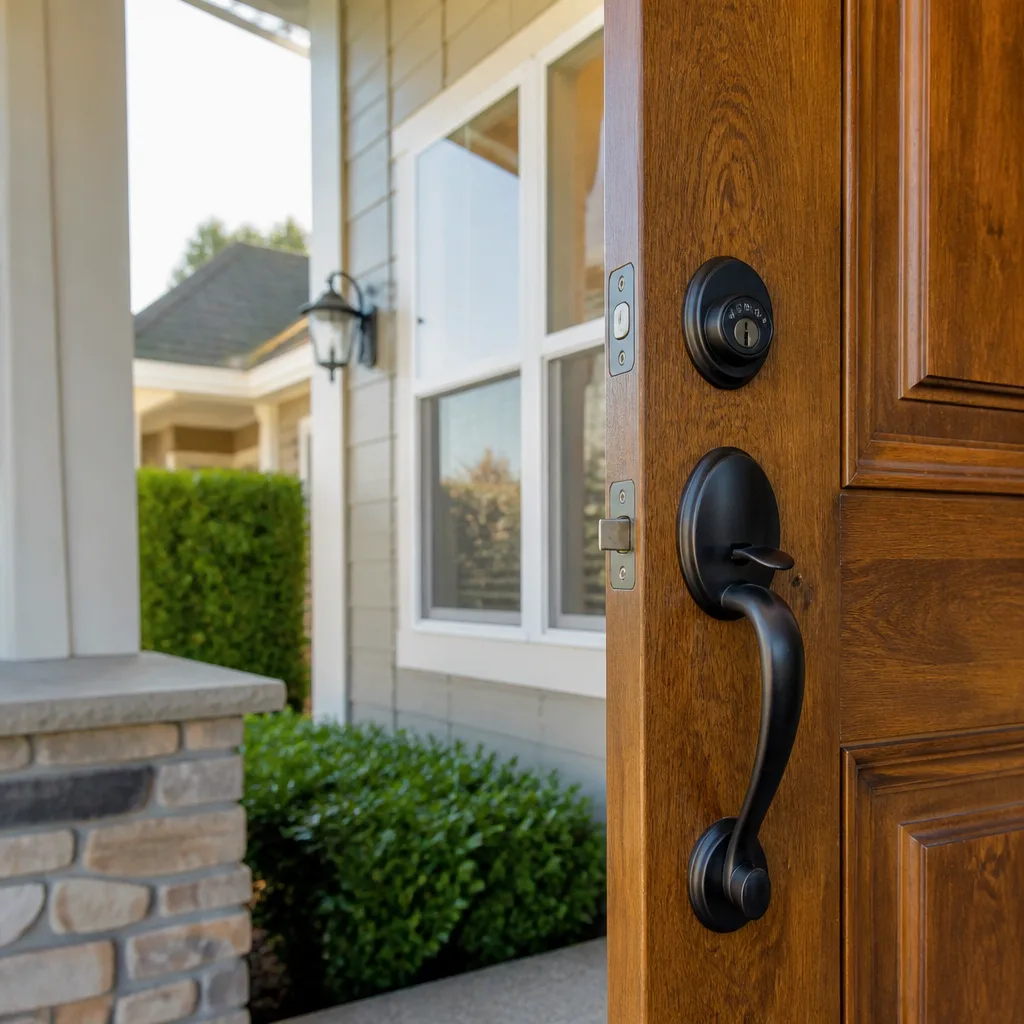
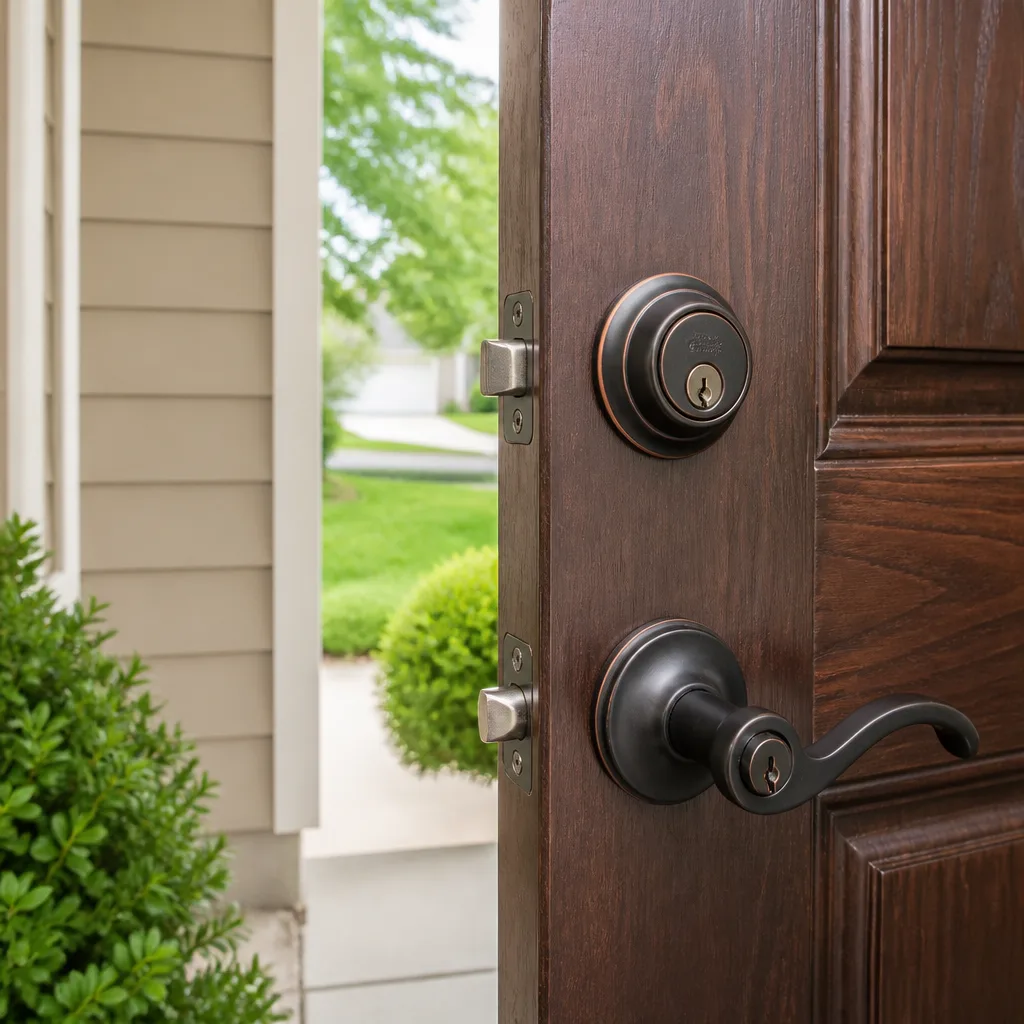
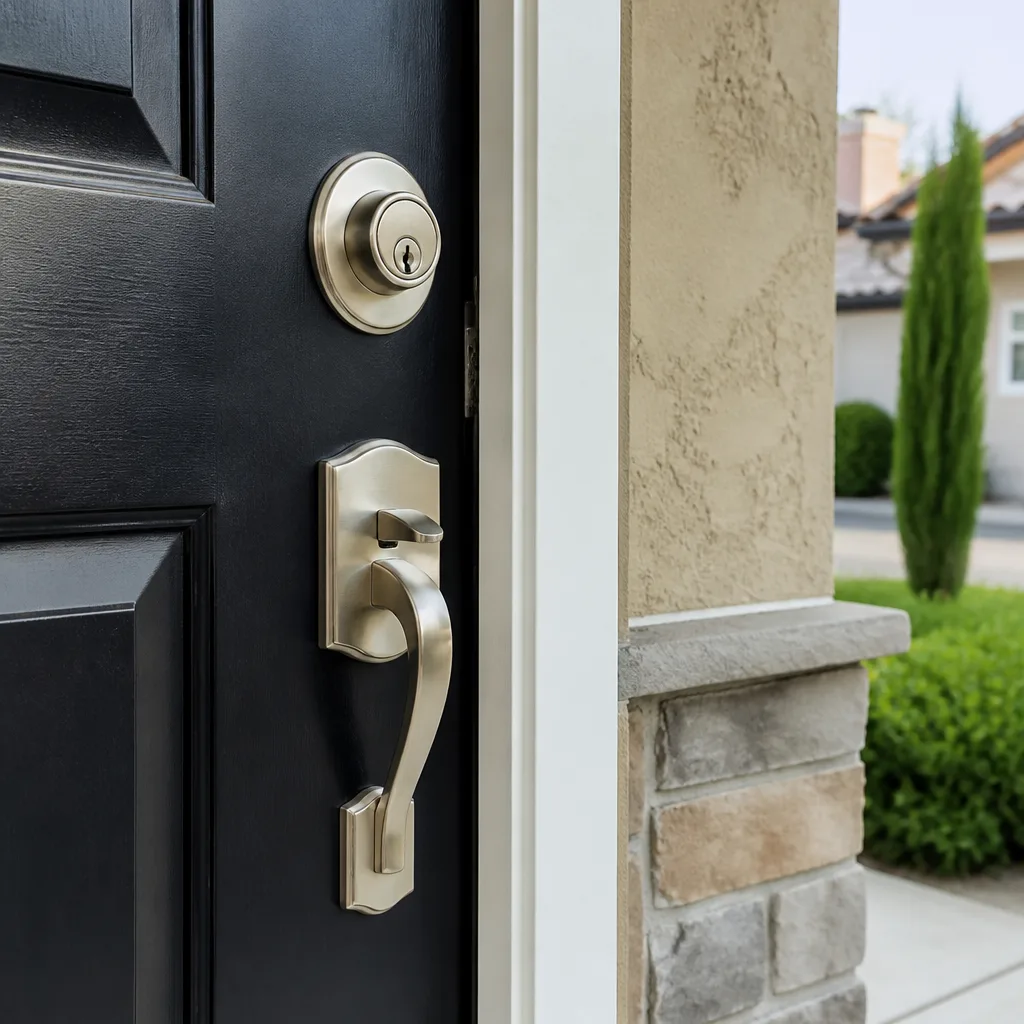
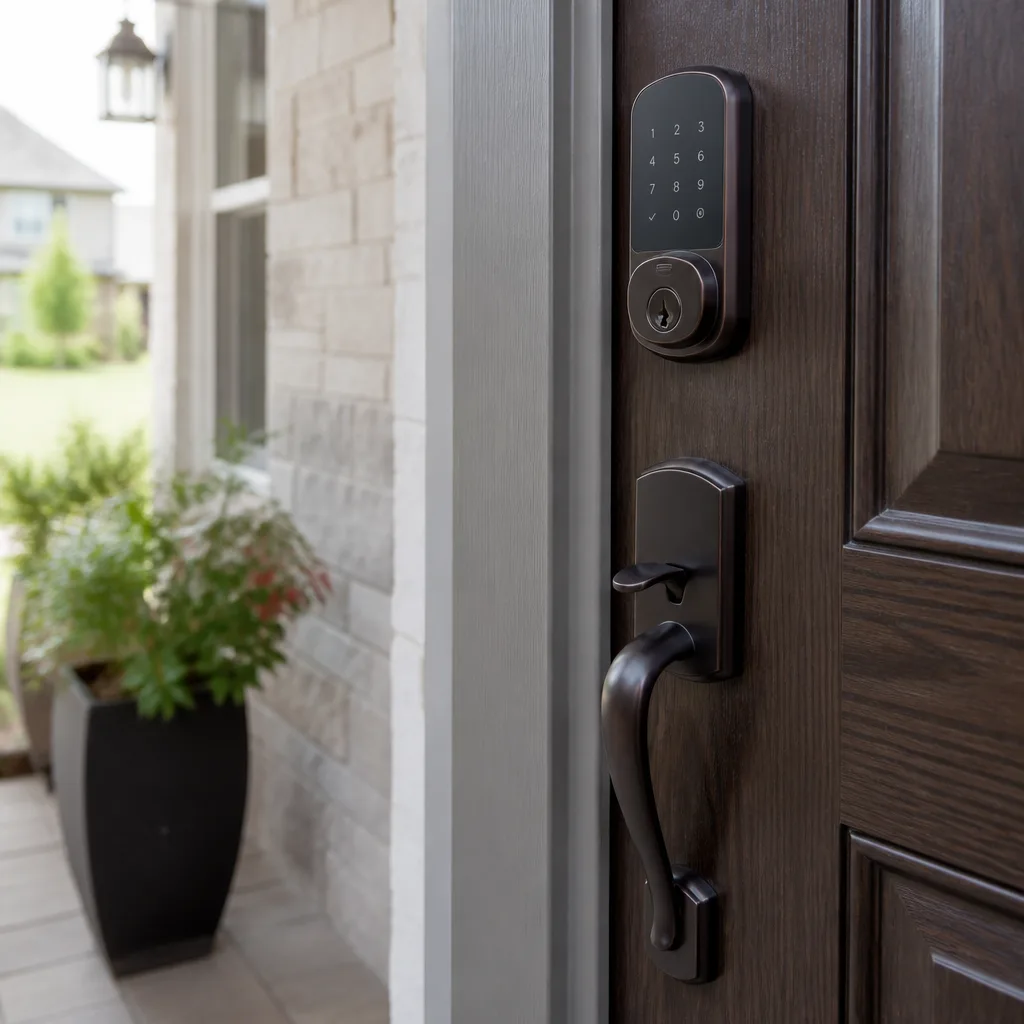
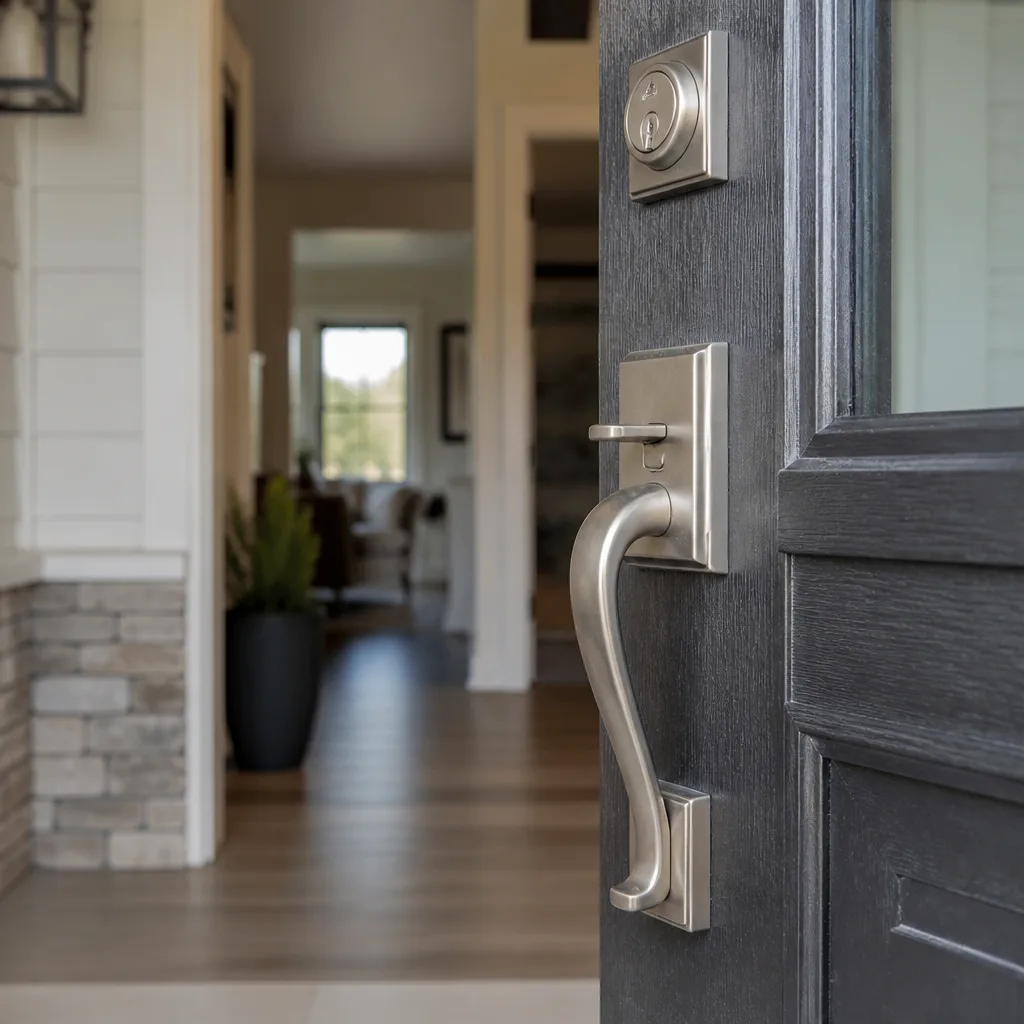
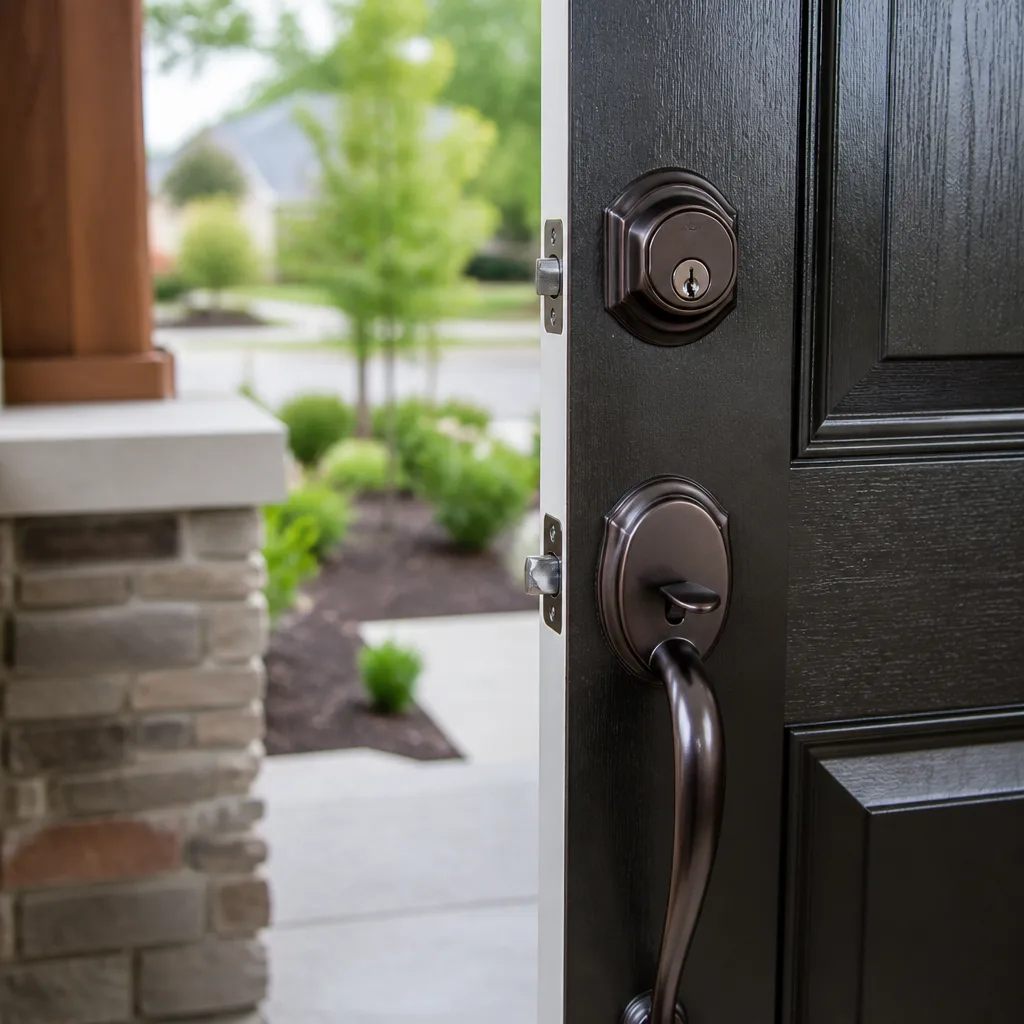
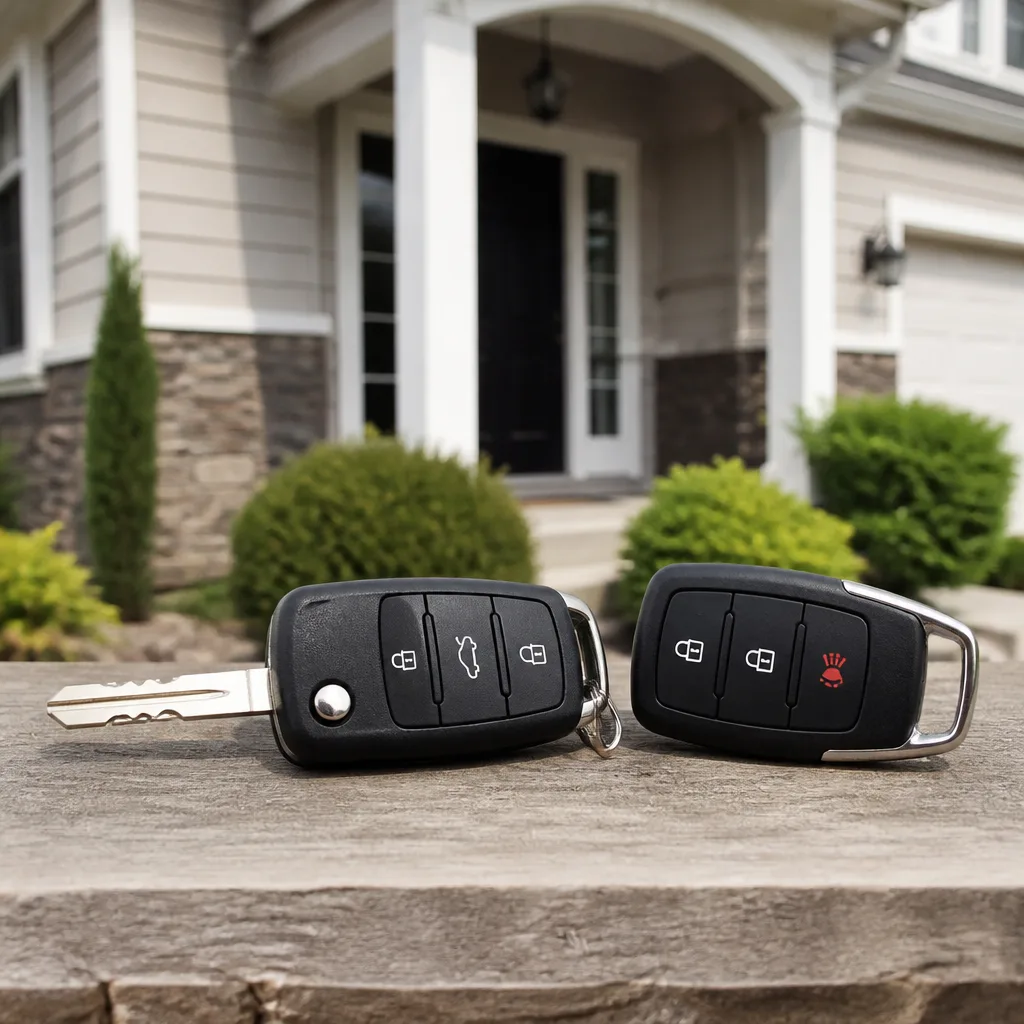
How Long Does Change Door Locks Take? Timelines and What to Expect
Tell a locksmith “I just need my locks changed” and you’ll hear 20 to 30 minutes. Tell them it’s a 1948 Spanish Colonial in Los Angeles with original mortise locks under a coat of landlord paint, and the honest answer becomes 90 minutes minimum. The question isn’t who was lying. It’s what information changes the answer. This guide breaks down exactly what drives lock change timelines in Los Angeles, what to expect at each step, and the six details you should mention on the phone so the technician who shows up is prepared for your actual door, not an idealized one. If you’re ready to book, learn about our Change Door Locks services.
Quick Answer
Changing a standard door lock in a Los Angeles home typically takes 20 to 35 minutes per lock when the existing hardware is modern and the door prep matches. Full exterior hardware sets run 45 to 75 minutes, while mortise lock conversions or smart lock installations with wiring can take 90 minutes to 2 hours. Total job time depends more on what’s already in your door than on what you’re putting in.
Table of Contents
- Honest Time Benchmarks by Job Type
- The Six Details to Mention Before the Truck Rolls
- Same-Day vs. Scheduled Jobs in Los Angeles
- What Extra Time Costs and How Legit Locksmiths Communicate It
- Key Duplication and Programming: The Step That Surprises People
- DIY vs. Professional: When the Time Tradeoff Stops Making Sense
- What to Expect on Job Day
Honest Time Benchmarks by Job Type
Most people assume all lock changes are the same job. They’re not. The type of lock you’re replacing, the condition of your door, and the age of your home all affect how long the work actually takes. Here’s what we tell customers in Los Angeles when they ask for straight numbers, and you can find more guides & resources on our blog.
- Knob or lever swap: 15 to 25 minutes per lock. This applies when you’re replacing one modern knob with another and the door prep already matches standard dimensions (2⅛-inch bore, 1-inch edge bore).
- Deadbolt replacement: 20 to 35 minutes. A standard deadbolt in a pre-drilled door goes fast. If the strike plate is misaligned or the old screws stripped the wood, add time.
- Full exterior door hardware set (knob + deadbolt): 45 to 75 minutes. Two locks on one door, often requiring adjustment so both align properly with their strikes.
- Mortise lock conversion to modern cylindrical hardware: 60 to 120 minutes. Pre-1960s Los Angeles homes, especially Spanish Colonial and Craftsman styles, often have mortise locks. Converting those means patching the old pocket, re-drilling, and possibly reshaping the edge bore. This is the job most likely to surprise a homeowner who expected a quick swap.
- Smart lock installation with wiring or hub setup: 45 to 90 minutes. The mechanical portion is fast. Pairing the lock with your Wi-Fi, configuring the app, programming codes, and testing the auto-lock takes real time. If you have a Z-Wave or Zigbee hub, add another 15 to 20 minutes.
One thing we’ve learned from 18 years of door lock repair in Los Angeles: the quoted time is for a door in standard condition. Older Los Angeles homes, especially those built before 1970, frequently have non-standard door prep that changes everything. A 1960s Mid-Century in the Valley might have a 1½-inch bore instead of today’s 2⅛-inch standard. That’s not a complication, exactly. It’s just the reason the job takes longer than the national average you might find on a generic website.
The Six Details to Mention Before the Truck Rolls
Here’s the thing most guidebooks skip: you control how accurate your time estimate is. The more you tell the locksmith during the phone call, the more useful the answer. These six details are ones most homeowners don’t know to volunteer.
- Door thickness. Standard interior doors are 1⅜ inches. Exterior doors are usually 1¾ inches. Some older Los Angeles homes have 2-inch doors. Lock tailpieces are sized differently for each, and a technician who brings only standard parts will have to improvise or drive back for parts. Say “I measured the door with a ruler” and give the number.
- Existing prep dimensions. If you can measure the hole in the door face and the hole in the edge, say so. The modern standard is 2⅛-inch face bore and 1-inch edge bore. Anything different means either drilling or adapting, and adapting takes time.
- Lock brand and model. Even if you don’t know the model, the brand helps. A Baldwin mortise lock from the 1970s is a different situation than a Kwikset deadbolt from 2015. Brand tells the technician what they’re likely to encounter.
- Door material. Solid wood, hollow metal, or fiberglass? Metal doors require specialty bits and take longer to drill. Solid oak doors are dense and slow. Fiberglass is fastest. This isn’t a snob question. It’s a tooling question.
- Smart home integration needs. If you want the lock to talk to Apple HomeKit, Google Home, or Alexa, say which one. Not all smart locks support all platforms, and some require additional hardware like a bridge or hub that the technician needs to bring and configure. This is a 20-minute variable hiding in plain sight.
- Number of matching keys needed. Five people in the household who all want a key? Each duplicated key adds a few minutes. Want all exterior locks keyed alike so one key works everything? That’s a rekeying step bundled into the job, and it adds 15 to 25 minutes depending on the number of cylinders.
Any locksmith in Los Angeles who answers the phone should ask you all of these. If they don’t ask, you’re not getting a real estimate. You’re getting a sales pitch. The technicians who work under Dunmore Locksmith home standards are trained to ask these questions before we give a price, because a time estimate without door details is just a guess wearing a uniform.
Same-Day vs. Scheduled Jobs in Los Angeles
Los Angeles is not one city. It’s four hundred square miles of neighborhoods stitched together by freeways that fail predictably twice a day. When you call for same-day lock change in Los Angeles, the technician’s arrival window is partially determined by geography, not just availability.
A same-day job in Echo Park at 3pm might mean a technician coming from Silver Lake. A same-day job in Woodland Hills at 5pm might mean someone crossing the Sepulveda Pass during rush hour. None of that changes the on-site time for the lock change itself. A knob swap still takes 20 minutes. But it does change the total time from “I called” to “the lock works.”
What we tell customers in Los Angeles is this: the lock change time is predictable. The arrival time is less so. If you need same-day service, plan for a 2 to 4 hour arrival window depending on your neighborhood and the time of day. If the work is scheduled in advance, the technician typically gives you a one-hour arrival window. The lock itself takes the same time either way. The difference is entirely in logistics.
There’s also a seasonal factor in Los Angeles. The weeks around move-in and move-out dates (typically the 1st and 15th of the month) see heavy demand from property managers and new renters. Same-day locksmith calls cluster around those dates. If you can schedule a lock change for a mid-month Tuesday morning, you’ll get a tighter window than on the 1st at 6pm.
What Extra Time Costs and How Legit Locksmiths Communicate It
Every honest locksmith has had a job go sideways. You open the door and find rotted wood around the strike plate. You remove the old lock and find the previous owner’s handiwork: a hole bored slightly off-center, a patch job with wood filler, a strike held in with drywall screws. The job is still doable. It just takes longer.
How the locksmith tells you about that complication is the difference between a professional and a problem.
A legitimate locksmith stops work, shows you the issue, explains what it means, and gives you a revised price in writing before continuing. You get the choice: approve the extra work or decline it. If you decline, the technician finishes the original scope as best they can and you pay the agreed price, nothing more.
A bait-and-switch operation does the opposite. They start the work, “discover” a problem you can’t verify, and present you with a new total after the old lock is already off the door. Now you’re negotiating with a stranger standing in your doorway holding your only lock. That pressure is by design.
This is why Dunmore Locksmith puts prices in writing before any work begins, every single time. No exceptions. If a complication truly emerges mid-job, you get a written revision and the final decision. You know exactly who is at your door before you open it, and exactly what it will cost before we touch a screwdriver. The 365-Day Done Right Promise means that if the repair fails within a year, we return at no charge. It’s stamped on every job, not offered as a vague reassurance.
Key Duplication and Programming: The Step That Surprises People
Here’s a scenario that plays out constantly in Los Angeles homes. The lock change itself takes 25 minutes. The technician is packing up. The customer says, “Oh, can you also cut six keys while you’re here?” And the job runs another 20 minutes.
Key duplication isn’t a single process. It depends on the key type:
- Standard brass keys (Kwikset, Schlage, Yale): 2 to 4 minutes per key on a quality duplicator. Six keys means 15 to 20 minutes of cutting and testing.
- High-security keys (Mul-T-Lock, Medeco, Sargent restricted keyways): These cannot be duplicated at a hardware store. They require a registered key card and often a specialized cutting machine. The actual cutting is fast, but verification and logging take time. Budget 5 to 10 minutes per key.
- Smart lock programming codes: Adding 4 user codes to a Yale or Schlage smart lock takes about 5 minutes if you know what you’re doing. Teaching a homeowner to add and delete codes themselves takes another 10 minutes.
- Keyed-alike work: If you want all of your exterior locks to use the same key, that’s not duplication. That’s rekeying each cylinder to match one key. This adds 10 to 15 minutes per additional lock.
When we quote a lock change in Los Angeles, we ask about keys upfront. It’s the difference between a 25-minute job and a 45-minute job, and you should know that before we arrive, not after.
DIY vs. Professional: When the Time Tradeoff Stops Making Sense
A lock swap looks easy. Four screws, two halves of a lock body, a latch. YouTube makes it look like a 15-minute Saturday project. And sometimes it is. A modern Kwikset or Schlage knob on a standard pre-drilled door? A handy homeowner with a Phillips screwdriver can do that in 30 minutes and save the service call.
Then there are the jobs that eat an afternoon:
- Your door has a mortise lock and you want a modern deadbolt. This requires patching, drilling, and possibly chiseling. Without the right hole saws and jigs, you’re freehanding a 2⅛-inch hole through a solid wood door. If you’ve never done it, expect 3 to 4 hours and a mediocre result.
- Your door is misaligned. The latch doesn’t catch, the deadbolt rubs, the door sags on its hinges. Fixing that properly means adjusting the strike plate, possibly the hinges, and sometimes re-hanging the door. That’s not a lock problem, but it makes the lock change take three times as long.
- You bought a smart lock and it won’t pair. The mechanical part is done. The app won’t connect. The Wi-Fi is 2.4GHz but the lock wants a hub. Your router is too far from the door. Each of these is a rabbit hole.
- The old lock is stripped or painted over. Los Angeles rental properties and older homes are full of locks buried under landlord paint. Removing them without damaging the door takes patience and the right tools. Doing it wrong means a gouged door face.
One thing we want to be straight about: if the job involves a high-tension component like a mortise lock spring or a commercial door closer, call a professional. Those springs store significant force. A mortise lock body that comes apart while you’re removing it can send parts flying. This isn’t gatekeeping. It’s the same reason we tell people not to re-tension a garage door spring. Some things are worth paying someone else to do badly so you don’t have to do them dangerously.
The honest math for Los Angeles homeowners: if you have a modern door, standard prep, and a simple replacement lock, DIY is reasonable. If you have an older home, a mortise lock, a smart lock with connectivity demands, or any doubt about the door’s condition, a professional lock change in Los Angeles will take less total time than the DIY attempt, even accounting for scheduling the appointment.
What to Expect on Job Day
You’ve booked the appointment. The technician is on the way. Here’s what a professional lock change visit should look like from the moment the person arrives.
Step 1: Identity at the door. Every technician working under the Threshold Standard arrives wearing a clean marked uniform and carrying a photo ID badge you can see through the peephole before you open the door. You receive the technician’s name and photo before the visit, so the person standing there is someone you were told to expect. If anyone else shows up claiming to be from the company, don’t open the door. That visit is covered at no charge under our policy, but more importantly, you should never open your door to an unannounced stranger.
Step 2: Scope confirmation. Before any work starts, the technician restates the work order: what’s being changed, where, and for what price. You get the price in writing. If something changed since the phone call (a different lock at the door, a different door altogether), now is when the technician revises the scope and you approve it.
Step 3: The work. For a standard knob or deadbolt swap, this is 20 to 35 minutes of focused work. The technician removes the old hardware, checks the door prep, installs the new lock, aligns the strike, and tests the operation. For a full hardware set or mortise conversion, this step is longer and may involve drilling, patching, or reshaping. Wondering about commercial jobs? See How Long Does Commercial Locksmith Take? Timelines and What to Expect.
Step 4: Testing and keys. The lock gets cycled multiple times. Keys get cut and tested in every cylinder. If it’s a smart lock, the technician pairs it, adds your codes, and has you test it from your phone before they leave.
Step 5: Walkthrough and guarantee. The technician shows you the finished work, confirms the price matches the written quote, and hands you the written 365-Day Done Right Promise. You’ll know what’s covered and what to do if anything acts up within the next year. Then the technician leaves, you lock the door behind them with a key that only you have copies of, and the job is done.
The whole process for a standard lock change takes about 45 to 60 minutes from doorbell to handshake. The lock itself is 20 to 35 minutes. The rest is verification, testing, and paperwork, and it’s the part that separates a professional job from a side-hustle handyman with a drill press.
Common Mistakes to Avoid
- Not telling the locksmith about your mortise lock. This is the single biggest source of time surprises in Los Angeles homes built before 1970. If your lock has a rectangular faceplate and a skeleton-key-style keyhole, say so. The technician needs different tools and more time.
- Buying a lock online before measuring your door. A 2⅛-inch bore lock won’t fit a 1½-inch bore door without drilling. A lock with a short tailpiece won’t reach through a 2-inch-thick door. Buy the lock after you know your door’s dimensions, not before.
- Not counting all the doors. You want the front door rekeyed, the back door keyed alike, and the side gate lock matched. Three separate jobs, each with its own cylinder. Mention them all on the phone so the technician brings enough key blanks and cylinders.
- Forgetting the strike plate alignment issue. Your old lock “worked fine” but was actually held closed by the deadbolt because the latch strike was misaligned by a previous installer. A new lock won’t fix that. Mention if the door sticks, rubs, or needs a shove to latch.
- Booking same-day service during LA rush hour and expecting a 20-minute arrival. The locksmith isn’t idling down the street waiting for your call. They’re across the city and the 405 is a parking lot. If you need someone fast, say so, but understand that “fast” in Los Angeles is measured against freeway reality, not Fort Wayne reality.
- Skipping the smart lock connectivity test before the technician leaves. The lock works manually. The app works on the technician’s phone. But does it work on your phone, with your Wi-Fi, from your bedside table at midnight? Test it completely before the tech drives away. It’s much easier to fix a pairing issue on-site than over the phone three days later.
When to Call a Professional
Call a professional locksmith when your door is older than your phone, when your lock is a mortise or a high-security model, when you need multiple locks keyed alike, or when the thought of drilling into your own front door makes your palms sweat. Also call when time matters more than money. A pro in Los Angeles who arrives with the right tools, the right parts, and a written price can finish in 45 minutes what might take you a full weekend and three trips to the hardware store. Dunmore Locksmith offers free estimates for residential locksmith work in Los Angeles. Call (910) 714-4287 and a live person answers, any hour, any day. No voicemail, no chatbot, no phone tree.
Frequently Asked Questions
A standard door lock change takes 20 to 35 minutes per lock when the existing door prep matches modern standards. For knob-only swaps, expect 15 to 25 minutes. For a full exterior set with knob and deadbolt, 45 to 75 minutes total. Older homes, mortise locks, or smart lock setups can extend the job to 2 hours or more. Call (910) 714-4287 for a time estimate specific to your door, free.
In Los Angeles, changing a standard knob or deadbolt typically runs $85 to $200 per lock in parts and labor, depending on the hardware you choose. Rekeying existing hardware instead of replacing it usually costs less, often $65 to $150 for the first cylinder and $20 to $40 for each additional one. High-security hardware from brands like Mul-T-Lock or Sargent costs more because the cylinders and keys are proprietary. The price you’re quoted on the phone is the price on the invoice, and we put it in writing before work begins.
Yes. Same-day lock changes are available throughout Los Angeles, with the realistic caveat that arrival timing depends on your neighborhood and the time of day. A morning call typically gets a same-day visit. An evening call in a dense part of LA may push to the next morning depending on the schedule. The on-site time doesn’t change; only the arrival window does.
Rekeying is almost always faster. Rekeying a standard cylinder takes 10 to 15 minutes per lock and keeps your existing hardware functional. Replacing the lock takes 20 to 35 minutes per lock. If you’re happy with the condition and style of your current hardware but want to neutralize old keys, rekeying saves time and money. If the hardware is worn out, replacement is the better call regardless of speed.
Usually, yes. The mechanical installation of a smart lock is similar to a standard deadbolt, at 20 to 35 minutes. The added time comes from pairing the lock with your phone, connecting to your home Wi-Fi, and configuring user codes and auto-lock behavior. Budget 45 to 90 minutes total for a smart lock install in Los Angeles, and more if you have a hub-based setup like Z-Wave or Zigbee.
Under the Threshold Standard, you receive the technician’s name and photo before the visit. They arrive in a marked uniform and carry a photo ID badge visible at the door. If anyone else shows up claiming to be with the company, you don’t open the door. That policy is written, and a visit from an unexpected person is covered at no charge. It’s how we handle the trust problem built into the locksmith trade.
The Bottom Line
Changing a door lock is a small job that takes 20 to 75 minutes on most Los Angeles doors, but the honest timeline depends on details most people don’t think to mention: the lock type, the door thickness, the age of the home, and the key situation. Tell your locksmith everything before they arrive, get the price in writing, and never open your door to someone you weren’t told to expect. That’s the whole guide, compressed into three sentences. The rest is just the reasoning behind them.
Written by Perry Osgood, Owner at Dunmore Locksmith, serving Los Angeles since 2007.