
Last updated October 8, 2026
Non-destructive entry first, always - and we re-key Schlage, Kwikset, and Baldwin locks on the spot while you watch
You get a price before we start. It does not change when we arrive. No surprises.
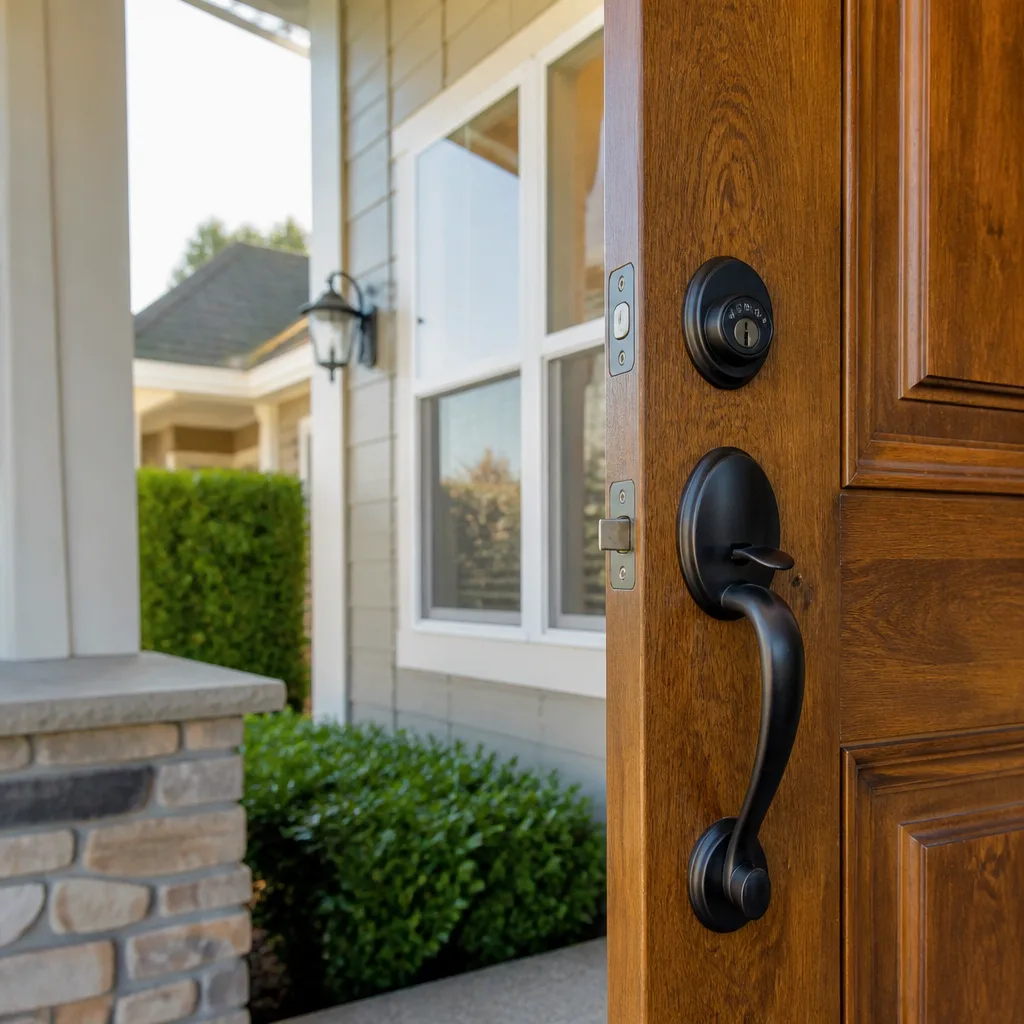
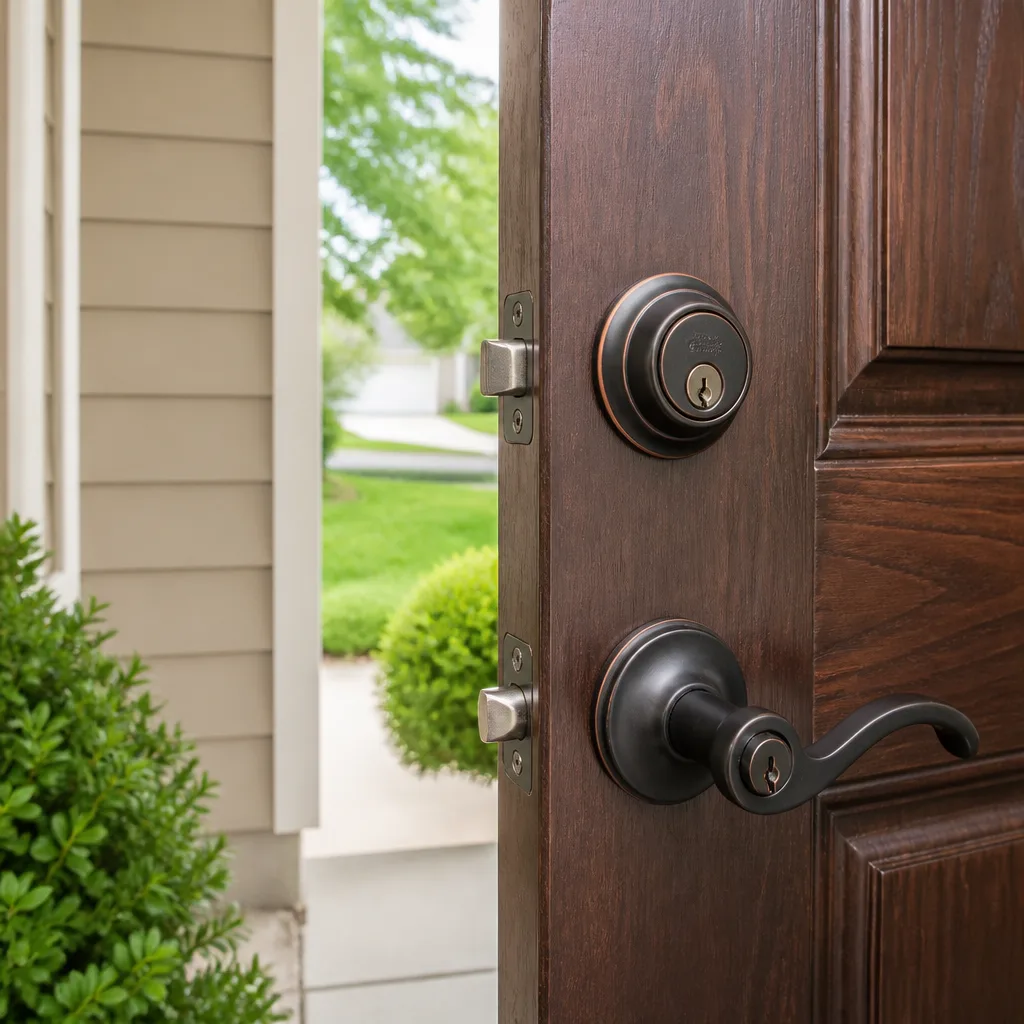
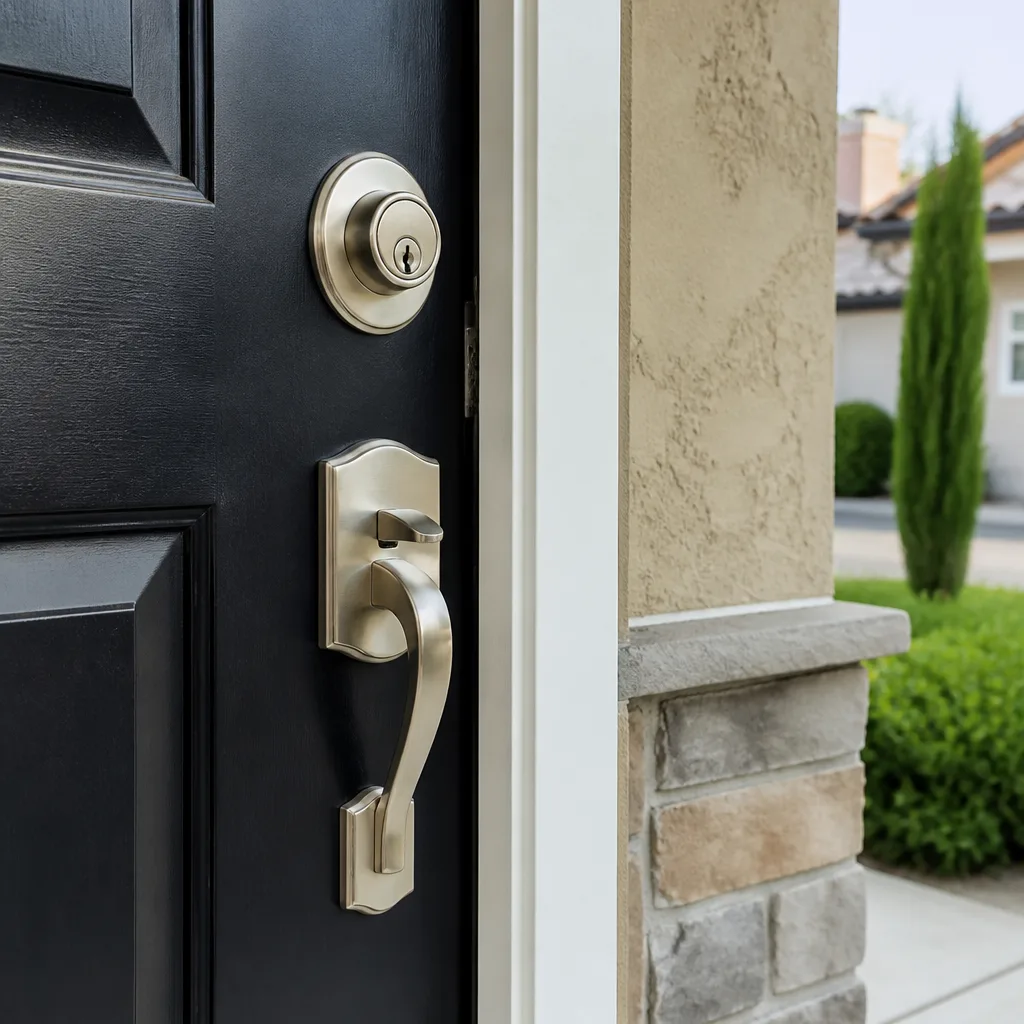
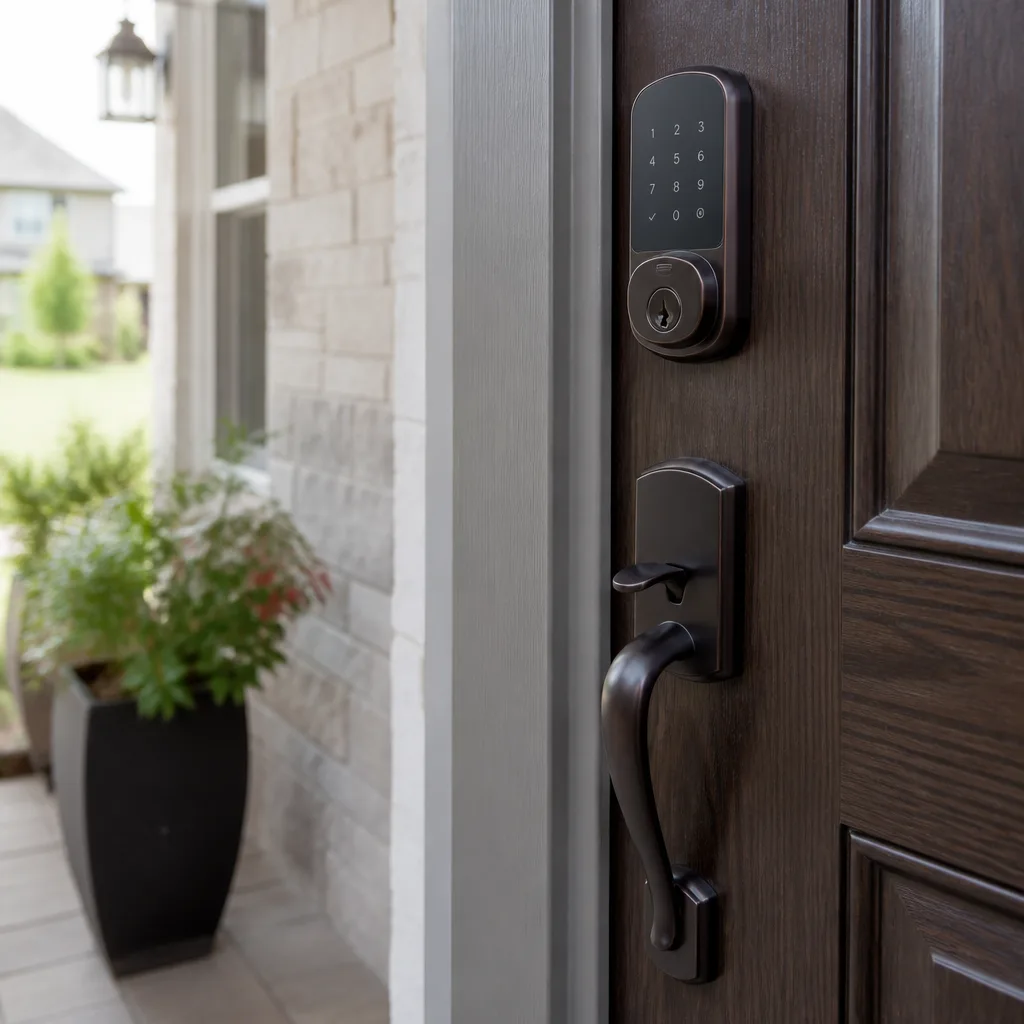
How Long Does Commercial Locksmith Take? Timelines and What to Expect
Here’s the counterintuitive truth about commercial locksmith timelines: a lockout called in cold at 2 a.m. can take 90 minutes, while the exact same job takes 20 minutes when the technician already has your lock brand, door handing, and key control records on file from a prior visit. The clock doesn’t start when the van pulls up. It starts when you make the call, and whether the person on the other end already knows your building. In Los Angeles, where a single address can be 45 minutes from another depending on the 405 at noon versus midnight, that distinction is everything. This guide breaks down real time ranges by job type, the prep work that cuts them in half, and what legitimately takes longer than the estimate. For related timelines, see our guide on How Long Does Residential Locksmith Take? Timelines and What to Expect.
Quick Answer
A commercial lockout typically takes 15 to 45 minutes on site once the technician arrives. Rekeying runs 10 to 20 minutes per cylinder. Master key system setup takes 2 to 6 hours depending on keyway complexity and door count, and access control installation runs 4 to 8 hours per panel. Arrival time in Los Angeles is the real variable: 30 to 90 minutes is typical, driven mostly by traffic routing to your address rather than how busy the dispatch queue is.
Table of Contents
- Commercial Lockout Timelines: What 15 to 45 Minutes Actually Covers
- Rekeying Timelines: Per-Cylinder Math and What Slows It Down
- Master Key System Setup: Why This Is a Half-Day Job
- Access Control Installation: 4 to 8 Hours Per Panel, Broken Down
- Prep Work That Cuts Job Time by More Than Half
- Why Los Angeles Traffic, Not Dispatch Volume, Controls Your ETA
- What Legitimately Takes Longer Than Expected
- Emergency Call vs. Scheduled Service: Timeline and Cost Differences
Commercial Lockout Timelines: What 15 to 45 Minutes Actually Covers
When you’re locked out of a commercial space in Los Angeles, the on-site work itself is rarely the long part. A standard commercial lockout on a Schlage or Kwikset cylindrical lock takes 15 to 30 minutes once the technician is at the door. A deadbolt adds a few minutes. A mortise lock, common on older Downtown LA office buildings and storefronts in Koreatown, runs closer to 30 to 45 minutes because the mechanism requires more finesse to bypass without drilling.
Here’s the step-by-step of what a typical commercial lockout involves:
- Verification (2-3 minutes): The technician confirms you have authority to access the space. This means a business license, lease document, utility bill with the business name, or in some Los Angeles commercial districts, a property management contact. A legitimate locksmith will not open a commercial door without this.
- Lock identification (1-2 minutes): Reading the brand, keyway type, and whether the lock is in a locked or broken state. This determines the tool selection.
- Bypass attempt (5-20 minutes): Non-destructive entry using picks, bypass tools, or under-the-door tools depending on the lock type. This is where most of the time goes.
- Entry and lock inspection (3-5 minutes): Once open, the technician checks whether the lock is functioning or needs repair.
- Documentation (2 minutes): You receive a written record of the work done, including the time, the lock, and any recommendations.
The range exists because a clean Kwikset entry knob opens fast, while a Medeco high-security cylinder or an older Corbin-Russwin mortise lock can resist standard bypass methods. In our experience across Los Angeles commercial properties, the locks on older buildings in the Fashion District and Historic Core run toward the upper end of that range simply because the hardware predates modern picking techniques.
Rekeying Timelines: Per-Cylinder Math and What Slows It Down
Rekeying, which means changing the internal pins so your old keys no longer work, is the most predictable commercial locksmith job. The math is straightforward: 10 to 20 minutes per cylinder, plus 5 minutes of setup and cleanup. A six-door office suite with two cylinders per door runs 2 to 3 hours. A single storefront door with one deadbolt and one knob runs 20 to 30 minutes.
What changes that math:
- Keyway type: Standard Schlage C keyway rekeys fast. A restricted keyway like Medeco or Abloy takes longer because the pinning is more precise and the technician must verify each cut against the system specs.
- Number of keys requested: Cutting 2 keys takes minutes. Cutting 40 keys with a restricted keyway that requires a key-cutting machine calibration between batches adds 30 to 45 minutes.
- Hardware condition: Cylinders that haven’t been serviced in years in Los Angeles’s coastal humidity can have internal corrosion. Disassembling a crusted cylinder takes longer than a lubricated one.
- Key control records: If you have a high-security system with key control, the new cuts must be logged and verified against the system registry. This adds 5 to 10 minutes per cylinder for the paperwork alone.
A practical rekeying timeline for a typical Los Angeles small business with four exterior doors and eight total cylinders runs about 2.5 hours including key cutting. If you book this in advance and inform us of the lock brands and cylinder count, the technician arrives with the right pins loaded and the job finishes closer to 2 hours flat.
Master Key System Setup: Why This Is a Half-Day Job
Installing a master key system is not a rekey. It’s a design project that happens to involve locks. A new master key system for a commercial building in Los Angeles takes 2 to 6 hours on site, and the actual installation is often the shortest part of that window.
Here’s what’s happening during those hours:
- System design (30-60 minutes): The technician maps every door, determines which key levels you need (grand master, master, sub-master, change key), and confirms the access hierarchy. This is a conversation, not a checkbox.
- Keyway selection (15-30 minutes): You choose between a standard keyway or a restricted keyway like Medeco or Abloy. Restricted keyways require key cards and factory authorization for future key copies, which matters for timeline planning later.
- Cylinder pinning (60-180 minutes): Each cylinder gets pinned to work with both the master key and its individual change key. This is meticulous work done at the van workbench. A 10-door building with 20 cylinders runs about 2 hours of pinning alone.
- Installation and testing (30-90 minutes): The technician installs each cylinder, tests the master key on every door, tests each change key on its own door, and verifies no unauthorized key works.
- Key cutting and labeling (20-40 minutes): Every key is cut, stamped, and logged. On a restricted system, each key also gets a key control form that you and the technician both sign.
The 2-hour low end applies to single-level master systems on standard Schlage hardware with 5 to 10 doors. The 6-hour high end reflects a multi-tenant Los Angeles office building with 30-plus doors, a grand master hierarchy, and a restricted keyway. If a locksmith quotes you 45 minutes for a full master key system, they’re either rekeying your locks to match a single key, which is not a master system, or they’re not telling you the truth about what the job involves.
Access Control Installation: 4 to 8 Hours Per Panel, Broken Down
Access control installation is the longest standard commercial locksmith job, and the timeline should be measured in panels, not doors. A single-panel system controlling two to four doors typically takes 4 to 8 hours. A multi-panel system across a larger Los Angeles commercial property spans multiple days.
Here’s where the time goes on a single-panel installation:
- Site survey and wiring check (30-60 minutes): Confirming the existing wire paths, power source location, and whether the door frames can accommodate the electronic strike or mag lock.
- Panel mounting and power connection (45-90 minutes): Installing the control panel at a secure location, running power, and testing the panel boots correctly.
- Door hardware installation (60-120 minutes per door): Mounting the electric strike or mag lock, running low-voltage wire from the panel to each door, and wiring the release mechanism.
- Reader and credential setup (30-60 minutes per door): Installing the keypad, card reader, or fob reader, then enrolling test credentials.
- Software configuration (45-90 minutes): Setting access levels, time schedules, and user permissions in the system software. This is where most of the “thinking” time happens.
- Testing and user training (30-45 minutes): Verifying every credential works on the right doors at the right times, then walking your staff through basic use.
On a two-door system with straightforward wiring already in place, a skilled technician can finish in about 4 hours. Add a third door, a request-to-exit sensor, or a fire alarm integration, and you’re looking at 6 to 8 hours. Los Angeles buildings with older electrical infrastructure, especially in pre-1980 construction zones like Westlake or Boyle Heights, often require additional time for retrofitting power and wiring paths.
Prep Work That Cuts Job Time by More Than Half
The single biggest difference between a 90-minute job and a 20-minute job is what happens before the technician arrives. For a detailed breakdown, read How Long Does Door Lock Repair Take? Timelines and What to Expect. When you call a commercial locksmith with the right information ready, you eliminate the diagnostic phase that eats most of the on-site time.
Here’s what to have ready before the technician arrives:
- Door handing: Stand on the outside of the door. Is the hinge on the left or right? Does the door swing toward you or away? This determines the lock orientation and saves 5 to 10 minutes of the technician figuring it out on arrival.
- Lock brand: Look at the face of the lock. Schlage, Kwikset, Yale, Corbin-Russwin, and Sargent all stamp their name somewhere on the lock body or strike plate. Knowing this tells the technician which pinning kit and tools to bring from the van on the first trip.
- Number of cylinders being rekeyed: Count them. Front door knob and deadbolt is two. Back door knob and deadbolt is two more. Honest cylinder counts mean the technician arrives with enough pins and springs, not making a second trip to the van.
- Current key count: How many keys to the space are currently in circulation? This tells the technician how many new keys to cut and whether a full rekey or a partial rekey makes more sense.
- Access details: Where exactly is the door? Is there a loading dock, a freight elevator, a security desk, a property manager who needs to be notified? In Los Angeles commercial buildings with front desk security, failing to pre-clear the technician adds 15 to 20 minutes to arrival time.
If you’re a returning customer, all of this is already on file. At Dunmore Locksmith, we keep service records for every commercial property we’ve worked on as part of the Threshold Group network, so a follow-up call starts with the technician already knowing your lock brands, cylinder count, and door orientation. That’s how a lockout that took 90 minutes cold becomes a 20-minute job on a repeat visit.
Why Los Angeles Traffic, Not Dispatch Volume, Controls Your ETA
When a commercial locksmith in Los Angeles tells you “45 minutes,” the biggest factor in whether that’s true is not how many other jobs are in the queue. It’s where the nearest available technician is relative to your address at that exact time of day.
Los Angeles is a city of micro-regions separated by chokepoints. A technician in Santa Monica can reach Culver City in 15 minutes at 10 a.m. and 45 minutes at 5 p.m. A technician in Downtown LA can reach Echo Park in 10 minutes or 35 minutes depending on the 101. Our dispatch system routes technicians by real-time traffic data, not straight-line distance, which means your quoted ETA should already account for the actual drive path.
What this means for you:
- Ask for the real ETA, not the optimistic one: A legitimate locksmith in Los Angeles will give you a range based on current traffic conditions. If someone quotes “15 minutes” when you’re in North Hollywood and they’re supposedly in Long Beach at 5:30 p.m., that’s not an ETA, that’s a sales script.
- Morning commercial calls are faster: Before 7 a.m., the freeways move. If your commercial emergency can wait until early morning, your arrival time drops significantly.
- Midday is the sweet spot for scheduled work: Between 10 a.m. and 2 p.m., Los Angeles traffic is at its lowest, which means shorter ETA windows and more predictable arrival times.
- Know your access points: In buildings with freight elevators that require booking, or parking structures that require a security pass, factor that into the total time. The technician has to park and walk to your door, and in Downtown LA, parking alone can add 10 to 15 minutes.
When you call Dunmore Locksmith home for commercial service in Los Angeles, you get a live person who can see the real-time location of our technicians and give you an ETA that reflects actual traffic routing, not a guess dressed up as a promise.
What Legitimately Takes Longer Than Expected
Some commercial locksmith jobs genuinely run over the standard ranges, and it’s worth knowing which ones those are before you plan around a timeline. These are not cases of a technician being slow. They’re cases where the physical reality of the hardware imposes a pace.
- High-security restricted keyways: Medeco and Abloy cylinders are engineered to resist picking and unauthorized duplication. Servicing them requires specialized tooling and factory authorization. A Medeco rekey runs 15 to 25 minutes per cylinder, not the 10 to 15 of a standard Schlage. If the cylinder is damaged, repair time can double.
- Older Corbin-Russwin hardware: Common on Los Angeles commercial buildings constructed between 1940 and 1980, Corbin-Russwin mortise locks use a different internal mechanism than modern cylindrical locks. Opening one without a key takes longer, and servicing the internal parts requires a technician familiar with the older design. Many newer locksmiths have never touched one.
- Multi-tenant master systems: The more levels in a key hierarchy, the more testing required. A grand master system on a 20-unit office building means each door must be tested with the grand master key, the floor master key, and the individual unit key. That’s 60 tests minimum. The testing alone runs an hour.
- Doors with misaligned frames or damaged strike plates: In Los Angeles, soil movement and building settling over decades can shift door frames. When the lock is fixed but the door still won’t latch cleanly, the technician has to adjust the strike plate or rehang the door, adding 30 to 60 minutes to a job that started as a simple lock replacement.
- Fire-rated doors with specialized hardware: Commercial doors that are part of a fire-rated assembly require specific hardware that maintains the rating. Installing a non-fire-rated lock on a fire door violates Los Angeles building codes. Sourcing and installing the correct fire-rated hardware adds time, but skipping it creates a code violation and a safety liability.
If your job involves any of these, expect the timeline to run at the upper end of the range, or beyond it. A legitimate commercial locksmith will tell you this up front. A locksmith who quotes the same 20-minute rekey for a standard Schlage and a Medeco restricted cylinder is either lying or doesn’t know the difference, and neither is acceptable when you’re securing a commercial property.
Emergency Call vs. Scheduled Service: Timeline and Cost Differences
The honest answer to “how long does a commercial locksmith take” depends heavily on whether you called at 3 p.m. to schedule tomorrow’s rekey or at 3 a.m. to handle a break-in. Both are legitimate calls. They just have different timelines and different economics.
Scheduled commercial service: predictable and efficient
When you schedule a commercial rekey, lock replacement, or master key system installation in advance, the technician arrives with the right parts, the right pinning kit, and your service history on file. A six-cylinder rekey at 10 a.m. on a Tuesday runs 90 minutes to 2 hours. The price is quoted in writing before any work starts, and it’s the price on the invoice when the job is done. No call-out surcharge. No after-hours multiplier. The timeline is what it is, and the cost is what was agreed.
Emergency commercial service: faster arrival, longer on-site time
An emergency call, whether it’s a lockout, a break-in repair, or a lock that failed and locked your staff out of the building, starts with a technician who was on another job or at home. The arrival time is driven by traffic and distance. The on-site time is driven by whatever the technician finds. If the emergency is a lockout on a standard lock, 15 to 30 minutes on site. If it’s a break-in with a damaged door frame and a destroyed lock, 90 minutes to 3 hours including board-up or temporary security.
A note on cost: after-hours service rates in Los Angeles are higher than daytime scheduled rates. That’s standard across the industry and reflects paying a technician to be available at 2 a.m. What is not standard is the bait-pricing practice of quoting a low “service call” fee and then padding the invoice once the technician arrives. At Dunmore Locksmith, the same rule applies at 2 a.m. that applies at 2 p.m.: the full price goes in writing before the work begins, and there is no call-out surcharge added on arrival. You know the number before the technician touches the door.
Here’s a practical comparison for a four-door commercial property in Los Angeles needing a rekey:
- Scheduled weekday, 10 a.m.: Arrival within 60 minutes of the scheduled window, 2 to 2.5 hours on site, standard daytime labor rate, full price in writing before work starts.
- Emergency weekday, 10 p.m.: Arrival in 30 to 60 minutes depending on technician location, same 2 to 2.5 hours on site, after-hours labor rate applies, full price still in writing before work starts.
- The time difference is not the job itself: The job is the job. The difference is arrival flexibility and rate. If you can schedule it, schedule it. If you can’t, the emergency service exists for exactly that situation, and you should still get a written price before any work begins.
For commercial properties that need repeated service, whether it’s annual Door Lock Repair in Los Angeles or a full Change Door Locks in Los Angeles project, keeping your lock brands, cylinder counts, and door details on file with a single locksmith means every future visit starts ahead. That’s the difference between cold-calling a new locksmith every time and having a service record that makes every job faster.
Common Mistakes to Avoid
- Calling cold with no information and expecting a fast quote: When you call a commercial locksmith without knowing your lock brand or cylinder count, the quote you get is a guess, not a price. Take 60 seconds to read the lock face and count the cylinders before you pick up the phone.
- Choosing a locksmith based on the lowest advertised price: In Los Angeles, the commercial locksmiths who advertise “from $19” service calls are almost never all-in price. The invoice comes later, after the technician has invented reasons to add charges. The honest price is the one given in writing before work starts.
- Assuming a master key system is just a rekey: A master key system involves design, pinning, testing, and key control documentation. Scheduling 2 hours for a job that needs 5 means a half-finished system and a building full of locks that don’t work the way you planned.
- Not verifying the technician’s identity before opening the door: For commercial property managers and owners, this matters twice: once for you, and once for your tenants. A legitimate locksmith service sends the technician’s name and photo before the visit, and the technician carries a photo ID badge at the door. If anyone arrives who you weren’t told to expect, do not let them in.
- Ignoring your key control records: If you have employees with keys to your business and those employees leave, you need to rekey, not just collect the keys. Copies exist that you don’t know about. In Los Angeles commercial properties, turnover is constant, and a rekey after every departure is the only way to maintain actual security.
- Skipping the after-hours cost conversation: If you call at 2 a.m., ask what the after-hours rate is before you agree to dispatch. A legitimate locksmith states it plainly. One who dodges the question is planning to charge you more than you’re expecting and reveal it on the invoice.
- Booking a fire-rated door lock replacement without checking code requirements: Los Angeles fire codes require that fire-rated doors maintain their rating, which means specific hardware. Installing the wrong lock creates a violation that shows up on your next inspection. Ask the locksmith if the replacement hardware is fire-rated for your door’s classification.
When to Call a Professional
You should call a commercial locksmith when the lock on your business is compromised, which means a break-in, a lost key with no way to know who might have found it, an employee departure with uncertain key return, or a lock that has failed and is preventing normal business operations. You should also call when you’re planning a security upgrade, a master key system, or an access control installation, because these jobs require planning and expertise that a handyman’s drill cannot substitute for. If the lock is functioning and no keys are missing, you don’t need a locksmith. If keys are unaccounted for, the lock is broken, or someone has entered your space without authorization, that’s the moment to call. Residential Locksmith in Los Angeles readers sometimes assume commercial work is just bigger residential work. It’s not. The stakes are different, the code requirements are stricter, and the timeline math follows different rules. Dunmore Locksmith offers free estimates in Los Angeles. Call (910) 714-4287 and a live person answers, any hour, every day.
Frequently Asked Questions
A commercial lockout takes 15 to 45 minutes on site once the technician arrives, depending on the lock type. Standard Schlage or Kwikset cylindrical locks open fastest. Mortise locks on older Los Angeles commercial buildings take closer to 30 to 45 minutes. Call (910) 714-4287 for an arrival ETA based on your address and current traffic.
Commercial rekeying in Los Angeles typically runs $25 to $45 per cylinder for standard keyways, plus a service call fee that covers the technician’s travel and setup time. High-security restricted keyways like Medeco or Abloy run higher per cylinder. The exact price is quoted in writing before any work begins. Call (910) 714-4287 for a free estimate with the exact numbers for your door count and lock brands.
Yes. At Dunmore Locksmith, the price we quote on the phone is the price in writing before work starts, and it’s the price on the invoice when the job is done. There is no call-out surcharge added on arrival and no after-the-fact total. This applies to emergency calls at 2 a.m. the same as scheduled daytime work.
Arrival time in Los Angeles depends on where the nearest available technician is relative to your address at that time of day. Typical ETA windows run 30 to 90 minutes, with early morning and midday arrivals being fastest. The answer should account for real-time traffic routing, not straight-line distance. Call (910) 714-4287 and a live person gives you the actual ETA based on current technician locations.
A legitimate Los Angeles locksmith sends you the technician’s name and photo before the visit, and the technician arrives in a marked uniform with a photo ID badge. This is the process Dunmore Locksmith follows as part of the Threshold Standard: every technician is background-checked, identity-verified, and sent to you by name and photo before the visit. If anyone arrives who you weren’t told to expect, do not let them in.
Yes. Commercial locksmith service is available 24 hours a day in Los Angeles, including nights, weekends, and holidays. After-hours labor rates apply, and a live person answers the phone any hour, every day. The price is still quoted in writing before any work starts, even at 2 a.m. Call (910) 714-4287 any time.
The Bottom Line
The real answer to “how long does a commercial locksmith take” is that the on-site work is the predictable part: lockouts run 15 to 45 minutes, rekeys run 10 to 20 minutes per cylinder, master key systems run 2 to 6 hours, and access control runs 4 to 8 hours per panel. The variable part is arrival time, and in Los Angeles, that variable is traffic, not dispatch volume. Prep work, meaning knowing your lock brands, cylinder counts, and door handing before the technician arrives, cuts job time by more than half. And the price question, which is what most people are really asking, should be answered in writing before any work starts, whether it’s 2 p.m. or 2 a.m. Get that in writing, and the timeline is just math.
Written by Perry Osgood, Owner at Dunmore Locksmith, serving Los Angeles since 2007.