
Last updated October 8, 2026
Non-destructive entry first, always - and we re-key Schlage, Kwikset, and Baldwin locks on the spot while you watch
You get a price before we start. It does not change when we arrive. No surprises.
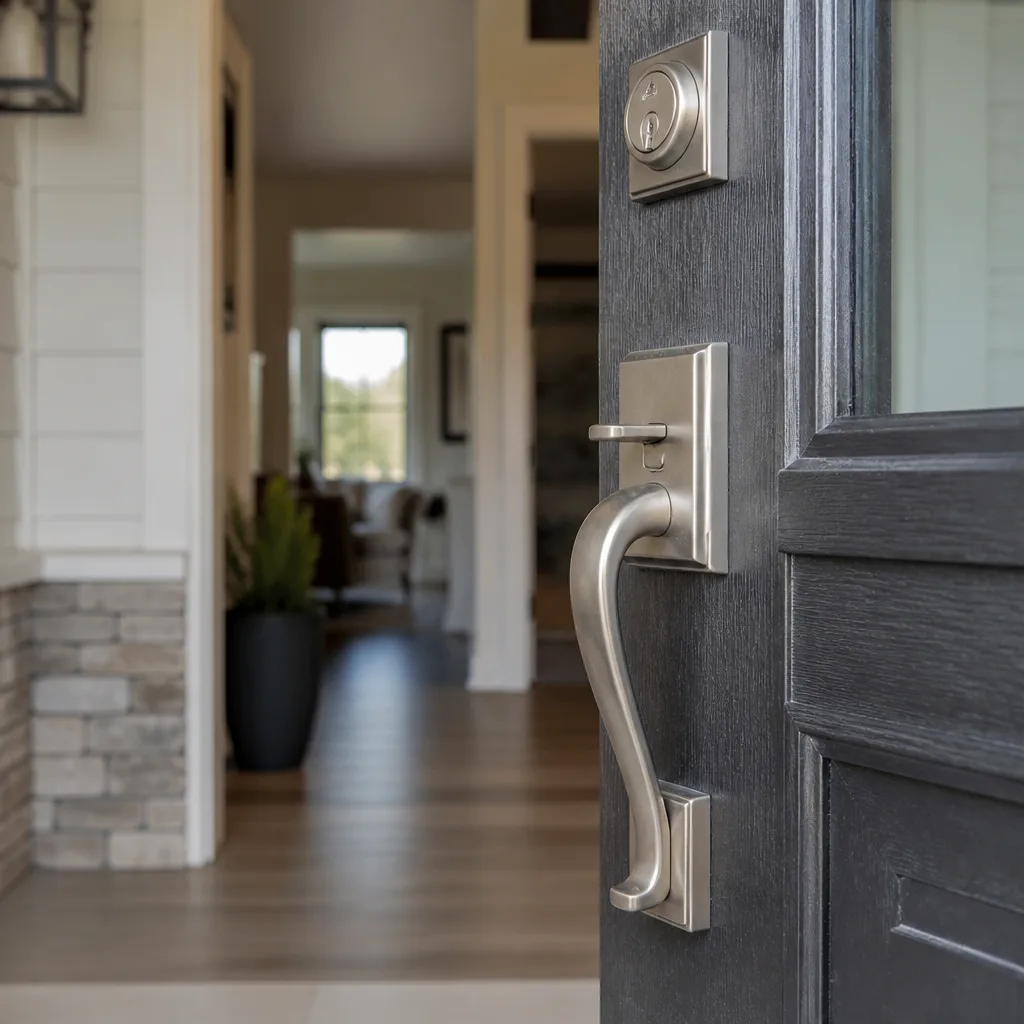
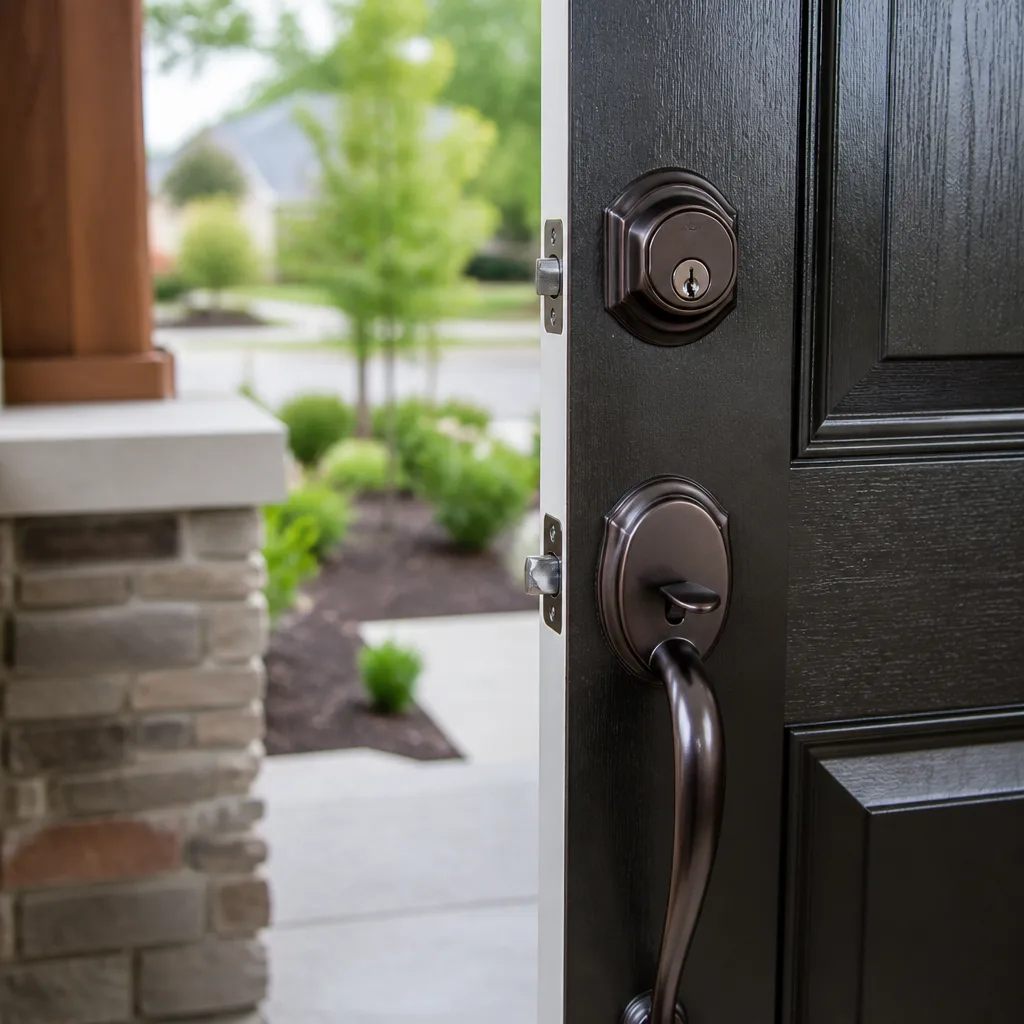
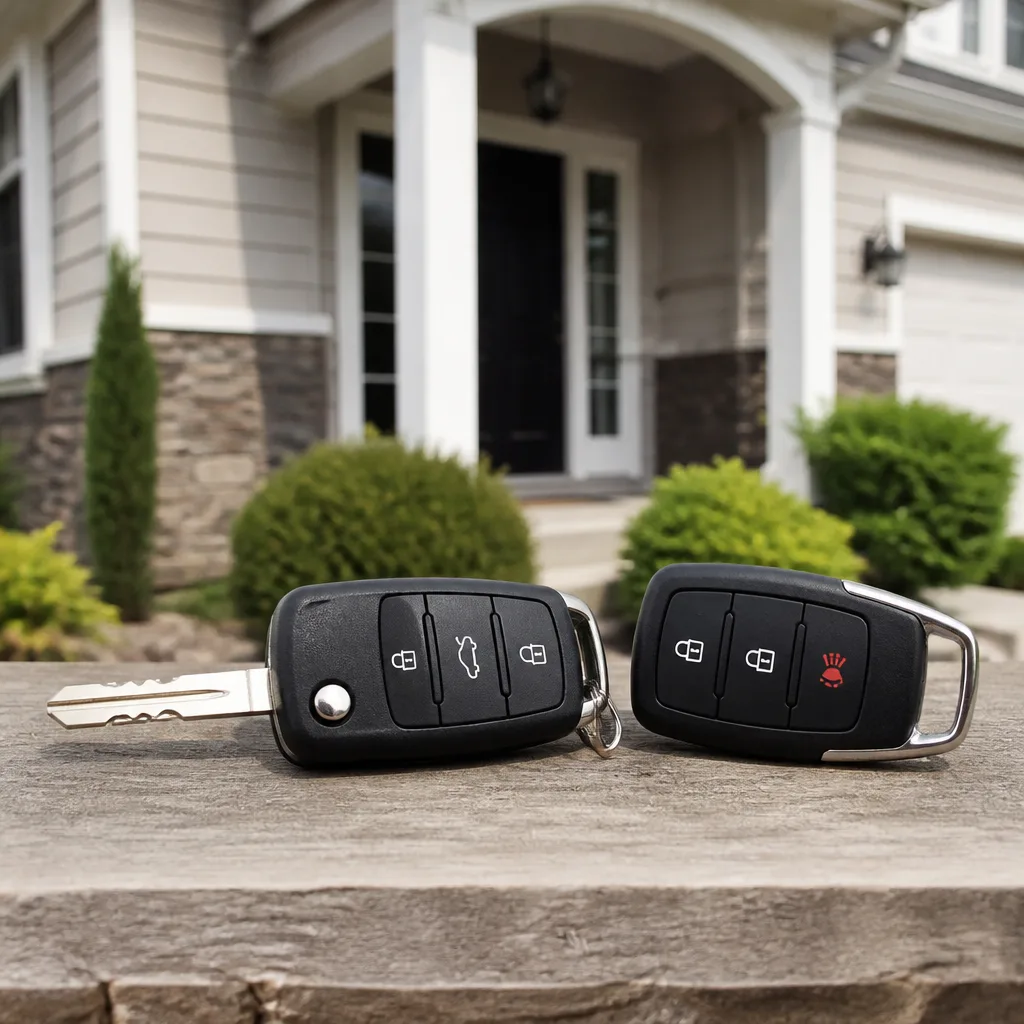
DIY vs Professional Locksmith: The Los Angeles Homeowner’s Decision Guide
Here’s a fact most Los Angeles homeowners never hear until it’s too late: a burglary claim can be reduced by your insurance carrier because the deadbolt you installed yourself wasn’t done by a licensed professional. Not because the lock failed. Because the installation voided the hardware manufacturer’s warranty, which the insurer relied on when underwriting your policy. This guide maps the real boundary between what’s safe to do yourself and what carries consequences you haven’t considered, building on our DIY vs Professional Residential Locksmith: What’s Safe to Do Yourself breakdown. Every section below reflects what we see across Los Angeles, from West Adams to Tarzana to El Sereno.
Quick Answer
In Los Angeles, four locksmith jobs are genuinely safe for most homeowners to do themselves: replacing an interior privacy knob, swapping a closet lock, changing a deadbolt on a standard wood door, and tightening loose hardware. Everything else, especially rekeying, rental unit work, fire-rated hardware, smart locks on shared entries, and any job involving a metal door or security pins, is worth hiring a professional for, because the financial and legal consequences of a mistake typically cost three to five times what the professional job would have cost-see our Door Lock Repair Troubleshooting: Common Problems and How to Fix Them for what those mistakes look like.
Table of Contents
- The Liability Map: Where DIY Locksmith Work Goes Wrong in Los Angeles
- Four Jobs That Are Genuinely Safe DIY Projects (And the Conditions That Keep Them That Way)
- Jobs That Look Simple But Carry Insurance and Habitability Consequences
- The Tool Cost Reality Check: What a Single Rekey Actually Costs You
- When California Law Requires a Licensed Contractor for Lock Work
- The Three-Question Filter: How to Evaluate a YouTube Tutorial Against Your Actual Door
- Los Angeles-Specific Concerns: Climate, Age of Housing Stock, and Code
The Liability Map: Where DIY Locksmith Work Goes Wrong in Los Angeles
Most DIY-versus-professional discussions start and end with skill. Can you turn a screwdriver? Can you follow a video? That’s the wrong framing. The real question is what happens when, not if, something goes wrong. And in Los Angeles, the consequences fall into three buckets most tutorials never mention: insurance, rental law, and HOA agreements.
Consider a homeowner in Eagle Rock who installs a smart lock on a front door. The install goes fine. Six months later, the door is forced during a break-in. The insurer investigates and discovers the deadbolt was installed by someone without a license, which voided the manufacturer’s warranty. The claim is reduced. That homeowner didn’t lack skill. They lacked a piece of paper. The same logic applies to rental property owners who rekey units themselves, and to condo owners who swap hardware on fire-rated doors.
In our experience at Dunmore Locksmith, roughly one in five service calls involving a failed DIY job includes some version of this story. The homeowner saved $85 on a rekey and now faces a $2,400 door replacement or a denied claim. The calculation was never about skill. It was about liability, which is the lens this entire guide uses.
Four Jobs That Are Genuinely Safe DIY Projects (And the Conditions That Keep Them That Way)
Let’s be clear about what a beginner can safely handle. There are four jobs where the risk is low enough that we tell friends and family to go ahead and do it themselves. The key word is conditions. Each of these is only safe under specific circumstances.
- Replacing an interior privacy knob (bedroom or bathroom). This is a single screwdriver job. The only risk is misaligning the strike plate, which causes the latch to bind. If the door closes and the latch clicks into place, you’re done. No structural consequence, no insurance implication.
- Swapping a closet or pantry lock. These are non-security locks. Even a sloppy install only affects the door’s function, not your family’s safety. Use a screwdriver, keep all parts, and take a photo of the old assembly before you remove it. Ten minutes, maximum.
- Changing a deadbolt on a standard hollow-core wood door. This is the one job everyone asks about, so let’s be precise. Removing two screws, pulling the old deadbolt, and sliding in a new one of the same brand and backset (Kwikset for Kwikset, Schlage for Schlage) is a 15-minute job. The catch: the door must be wood, plumb, and in good condition. If your door sticks, sags, or has been painted over multiple times, stop. Forcing a deadbolt into a misaligned frame is how you create the exact weakness a burglar exploits.
- Tightening loose door hardware. Screws back out over time, especially on exterior doors that face sun exposure on Los Angeles’ west-facing walls. A Phillips screwdriver and five minutes fixes most wobble. If the screw spins without tightening, the hole is stripped, and that’s a pro job involving dowels and wood filler.
Notice what these four jobs share: they’re all on doors you own, in a single-family home you occupy, with no rental, HOA, or fire-rating implications. The moment any of those factors change, stop and read the next section twice.
Jobs That Look Simple But Carry Insurance and Habitability Consequences
Three jobs look like they belong on the safe list. They don’t. Each one carries a specific type of liability that YouTube doesn’t cover and most Los Angeles homeowners don’t know exists until a claim is filed or a tenant complains.
- Rekeying a rental unit. Under California Civil Code 1941.3, landlords must provide working locks. If you rekey a unit yourself and the job fails, even weeks later, you’re now handling a habitability complaint from a tenant who is legally protected. We’re not saying every DIY rekey fails. We’re saying the person held responsible is you, personally, and the tenant’s remedy can include repair-and-deduct, which means they call any locksmith, at any price, and take it out of the rent. You lose control of the cost. That’s the liability.
- Replacing hardware on a fire-rated door. Any door labeled with a fire rating, common in Los Angeles multi-family buildings and some newer single-family homes with attached garages, requires hardware that maintains that rating. Swap a fire-rated latch for a standard Kwikset from Home Depot and you’ve created a code violation. If a fire occurs and the door fails, your insurer can deny coverage. We see this on garage-entry doors in Los Angeles more than anywhere else in the state, because so much of the city’s housing stock was built between 1940 and 1970, when garage-adjacent fire doors became standard.
- Installing a smart lock on an HOA common entry. Most Los Angeles HOAs have written rules about common-area locks. Installing a smart lock without board approval can trigger a fine, a removal order, and in some cases, liability for any security breach that follows. Condo owners in neighborhoods like Miracle Mile and Westwood are the most frequent callers about this. The rule of thumb: if the door isn’t solely yours, the decision isn’t solely yours.
The Tool Cost Reality Check: What a Single Rekey Actually Costs You
Here’s the math nobody shows you. A basic single-cylinder rekey in Los Angeles through a professional locksmith typically runs $65 to $120, depending on the lock type and whether you bring the lock to a shop or have a tech come to your home. That includes the new pins, the labor, and a guarantee.
Now price the DIY route for the same job:
- A pinning kit with enough pins for one or two locks: $25 to $45.
- A follower tool (the metal cylinder-shaped piece that holds the pins during reassembly): $10 to $20.
- Tweezers for pin handling: $8 to $15.
- A plug follower set if you’re not confident with a single follower: $15 to $30.
- A rekeying manual or printed instructions (or you fumble through YouTube in your garage): $0, but hours of your time.
Total: roughly $58 to $110. And here’s the kicker. A rekeying kit from a big box store typically contains generic pins, not the manufacturer-spec pins for higher-end Schlage or Sargent cylinders. So you might spend the money, get the lock back together, and find the new key works in your lock but sticks in the deadbolt. Now you’ve spent the same money as a professional, consumed an afternoon, and still need to call someone. We’ve been that someone more times than we can count. The economics only work if you plan to rekey multiple locks and learn the skill properly. For one lock, the professional route is usually cheaper on the first attempt.
When California Law Requires a Licensed Contractor for Lock Work
California’s contractor license threshold for lock work is lower than most homeowners assume. Under California Business and Professions Code Section 7045, and the California Contractors State License Board’s interpretation, a person who performs lock work “for compensation” on another person’s property generally must hold a contractor’s license. The exemption is narrow: work performed by the property owner on their own primary residence is not subject to the contractor license requirement. But the moment you’re paid, the standards change.
Here’s what that means in practice. You can rekey your own home in Los Angeles without a license. You can even rekey a neighbor’s door as a favor, as long as no money changes hands. But if you accept payment, even a dinner or a case of beer, you’re now operating as an unlicensed contractor in the state of California. That carries penalties up to $15,000 and potential misdemeanor charges.
The more common path into trouble: hiring an unlicensed person from a marketplace app to save $30. That person may be skilled. They may do a fine job. But if they damage your door or your lock fails, you have no CSLB complaint process and no clear legal recourse. Licensed, insured professionals exist for a reason, and in Los Angeles, where the locksmith industry has a well-known problem with bait-and-switch operations, the license is one concrete way to filter out the bad actors.
The Three-Question Filter: How to Evaluate a YouTube Tutorial Against Your Actual Door
Watch any locksmith tutorial and you’ll see a clean workshop door, a well-lit workbench, and a confident host who has done the job a hundred times. Your door is none of those things. Here’s the filter we use when a customer asks us whether they should attempt a job they saw online.
- Does your door match the one in the video? Videos rarely feature 1950s Los Angeles doors with settling, paint buildup, or aftermarket strike plates. If your door sticks, sags, or has gaps, the tutorial’s clean procedure won’t transfer. Hanging a lock on a misaligned frame is a different job entirely.
- Does the video address what happens when it doesn’t fit? Most tutorials skip the failure paths. What if the backset is 2-3/4 inches instead of 2-3/8? What if the screws don’t bite? What if the old lock has a different tailpiece configuration? If the video doesn’t discuss these, the creator assumed an easy door. Yours probably isn’t.
- Does your local code or HOA have anything to say about it? Los Angeles has specific requirements for fire-rated doors between garages and living spaces, and many HOA communities in the city restrict hardware changes on exterior doors. A tutorial filmed in Texas doesn’t know what your Hancock Park HOA requires.
If the answer to all three questions is yes, the job is probably within your reach. If any answer is no, the risk calculation changes, and you should weigh the cost of a professional against the cost of a mistake.
Los Angeles-Specific Concerns: Climate, Age of Housing Stock, and Code
Los Angeles doesn’t have freeze-thaw cycles that crack locks. It has something subtler: salt air near the coast, relentless sun on west-facing doors, and a housing stock where a significant portion of single-family homes were built before 1970. Each factor changes the DIY math in ways generic guides miss.
First, the age of your door. Pre-1970 Los Angeles homes often have solid-core wood doors that have settled over decades. The frame is rarely square anymore. Installing a new deadbolt on a settled frame means the bolt won’t line up with the strike plate, and the lock will bind. The fix isn’t a new lock, it’s strike plate adjustment or door re-hanging, neither of which is in the tutorial. Newer construction in neighborhoods like Porter Ranch or Playa Vista tends to have aligned frames, but also uses more metal doors than older areas, and metal doors require different installation techniques because the edge bore must be perfectly precise.
Second, the sun. Los Angeles’ west-facing front doors take afternoon sun for years, which causes wood to expand and contract along the grain. Screws loosen faster. Strike plates shift. A lock that worked in January may bind in August. Simple maintenance (tightening screws, adjusting the strike plate) is safe DIY work. Replacing the lock entirely on a sun-stressed door often reveals underlying frame problems that a professional spots but a tutorial skips.
Third, salt air. Homes in Venice, Playa del Rey, San Pedro, and along the coastal strip deal with corrosion on lock hardware that inland Los Angeles homes never see. A corroded cylinder doesn’t rekey cleanly with a big-box pin kit. The pins won’t seat properly, and you’ll create a lock that fails within months. If you live within two miles of the coast and your lock is more than five years old, the rekey is a pro job.
None of this is about skill. It’s about knowing what your specific Los Angeles door has been through before you touch it. We cover the city’s full range, from Residential Locksmith in Los Angeles work in century-old bungalows to modern hardware on new construction, and the condition of the door always matters more than the brand of the lock.
Common Mistakes to Avoid
- Using a drill when a screwdriver is the right tool. Most lock swaps need hand tools. A drill spins screws too fast, strips the heads, and bores out the wood. If you strip a screw on a door you still need to secure, you’ve just created a security problem.
- Buying a “universal” deadbolt without checking the backset. Standard backsets are 2-3/8 or 2-3/4 inches. Older Los Angeles homes sometimes have non-standard backsets from hardware replacements over the decades. Measure first. If the measurement is off, the lock won’t sit flush, and you’ll have a gap a pry bar can exploit.
- Rekeying without labeling the old pins. If you dump the old pins into a pile and lose track of the order, you can’t reverse the job. You now have a lock that may not work at all. Professionals use a pinning tray for this exact reason.
- Ignoring the strike plate. The most common post-DIY failure we see in Los Angeles isn’t the lock itself. It’s the strike plate, which was never tightened or replaced. A deadbolt is only as strong as the screws holding the strike plate to the frame. Standard screws are half-inch. A pry attack defeats them in seconds.
- Installing a smart lock on a door that doesn’t align perfectly. Smart locks have motors that retract the bolt. If the bolt meets any resistance from a misaligned strike plate, the motor strains and eventually fails. What worked as a manual deadbolt will burn out a smart lock in months.
- Not photographing the original hardware before removal. If you take the lock apart and can’t recall how the tailpiece, cam, and spindle were oriented, reassembly becomes trial and error. One photo saves an hour of frustration.
- Assuming a door is just a door. In Los Angeles, exterior doors on older homes may have been retrofitted with security plates, additional locks, or unconventional bore holes. The clean removal you saw in the tutorial doesn’t apply because a previous owner made changes the tutorial didn’t anticipate.
When to Call a Professional
Call a professional when the job involves a rental unit, a fire-rated door, an HOA common entry, a metal door, a lock older than a decade, any coastal corrosion, or a door that doesn’t close cleanly. Also call when you need a rekey done once, correctly, with a guarantee, rather than buying tools you’ll use a single time. And call when the person doing the work needs to be someone you can hold accountable. Door Lock Repair in Los Angeles through a licensed professional comes with written pricing and accountability that no marketplace app or video tutorial provides.
Dunmore Locksmith offers free estimates in Los Angeles. Call (910) 714-4287 and a live person answers, any hour. We’ll give you a written price before any work starts, and every job is covered by a 365-day guarantee. If the repair fails, we return at no charge. That’s the standard we’ve held since 2007 as part of the Threshold Group family of independent local locksmith businesses. If you need Change Door Locks in Los Angeles done properly, we’ll send a background-checked technician by name and photo before the visit, with a badge shown at your door.
Frequently Asked Questions
A single-cylinder rekey in Los Angeles typically runs $65 to $120 depending on the lock type and whether the locksmith comes to your home or you bring the lock to a shop. That price includes the new pins and labor. Dunmore Locksmith gives a written price before any work starts, so the number you’re quoted is the number on the invoice. Call (910) 714-4287 for a free estimate.
Rekeying is technically manageable with the right tools, but it’s not a first-project kind of job. The tools cost $58 to $110, and if the pins don’t seat properly, you’ll create a lock that fails within months. For a single lock, hiring a professional is usually cheaper than buying the kit. For multiple locks, learning the skill can be worth it, but only on doors you own and occupy. Call (910) 714-4287 and we’ll give you an honest recommendation for your specific situation.
It depends on your HOA’s rules. Many Los Angeles HOAs restrict hardware changes on exterior doors, especially common-area doors and fire-rated doors. Check your CC&Rs before touching the lock. If your HOA allows it and the door is wood, plumb, and in good condition, a same-brand deadbolt swap is a 15-minute DIY job. If the door is metal, fire-rated, or shared, hire a professional.
Yes, with a narrow exemption for homeowners working on their own primary residence. Anyone performing lock work for compensation on another person’s property must hold a contractor’s license. Hiring an unlicensed person from a marketplace app leaves you without legal recourse if they damage your door or the lock fails. Dunmore Locksmith technicians are background-checked, identity-verified, and sent to you by name and photo before the visit, under the Threshold Standard.
It might, but claims can be reduced or denied if the insurer determines the lock was installed by an unlicensed person, which voided the manufacturer’s warranty. This is one of the most common post-burglary discoveries we hear about in Los Angeles. If a warranty matters to your policy, the installation should be done by a licensed professional with a paper trail.
Smart locks require better door alignment than manual deadbolts. The motor that retracts the bolt strains against any resistance from a misaligned strike plate, and Los Angeles’ older homes often have settled frames that create exactly that resistance. If your door doesn’t close and latch cleanly, a smart lock install is a professional job. Call (910) 714-4287 and we’ll tell you whether your door can handle it before you buy the hardware.
The Bottom Line
Four jobs are genuinely safe for a Los Angeles homeowner to do: interior privacy knobs, closet locks, same-brand deadbolt swaps on square wood doors, and basic hardware tightening. Everything else carries consequences that go beyond skill. Rental law in California holds you personally liable for a tenant’s lock failure. Fire-rated door hardware changes violate code and can void insurance. Smart lock installs on HOA properties trigger board rules. The DIY economics only work when the job is simple, the door is in good condition, and no legal or insurance layer sits on top. For everything else, a licensed professional with written pricing and a 365-day guarantee from Dunmore Locksmith home is the cheaper, safer route. Call (910) 714-4287 for a free estimate before you touch the screwdriver.
Written by Perry Osgood, Owner at Dunmore Locksmith, serving Los Angeles since 2007. Explore more guides & resources from our team.