
Last updated October 8, 2026
Non-destructive entry first, always - and we re-key Schlage, Kwikset, and Baldwin locks on the spot while you watch
You get a price before we start. It does not change when we arrive. No surprises.
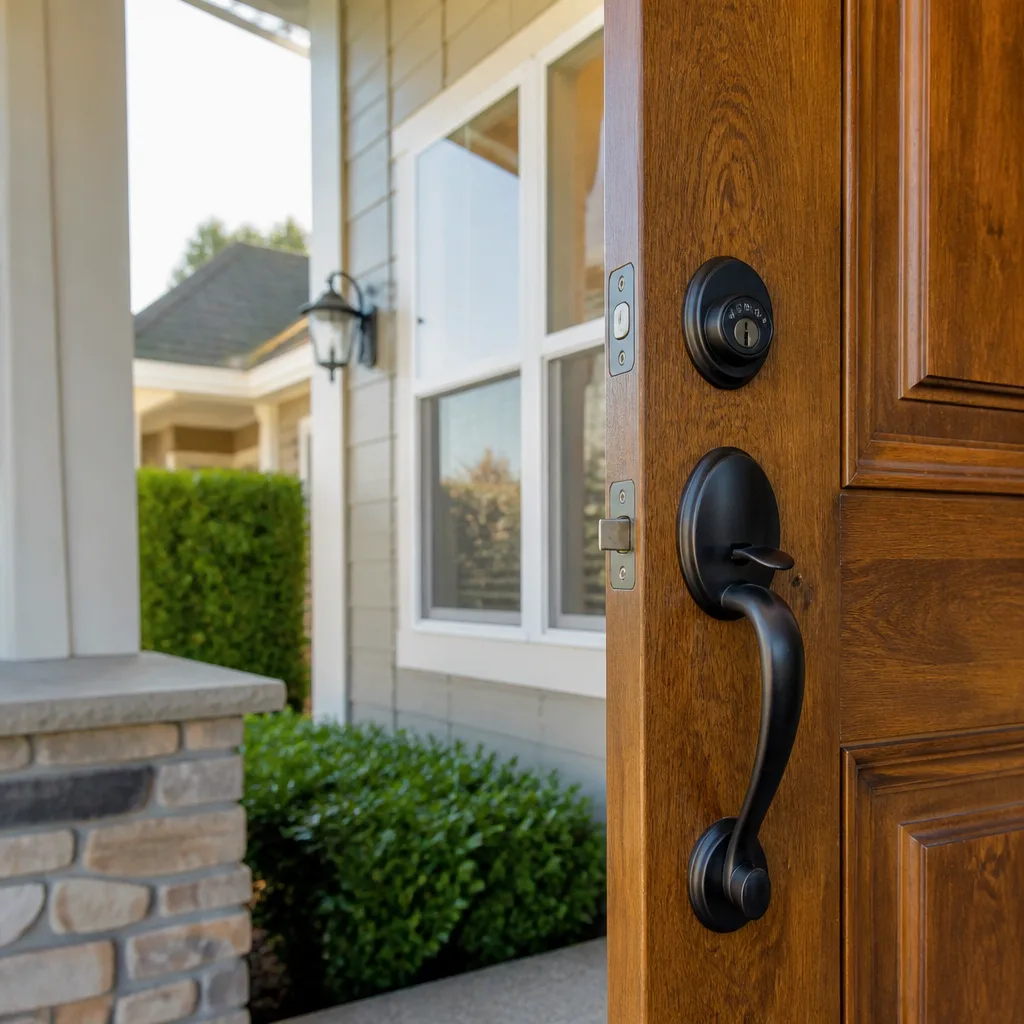
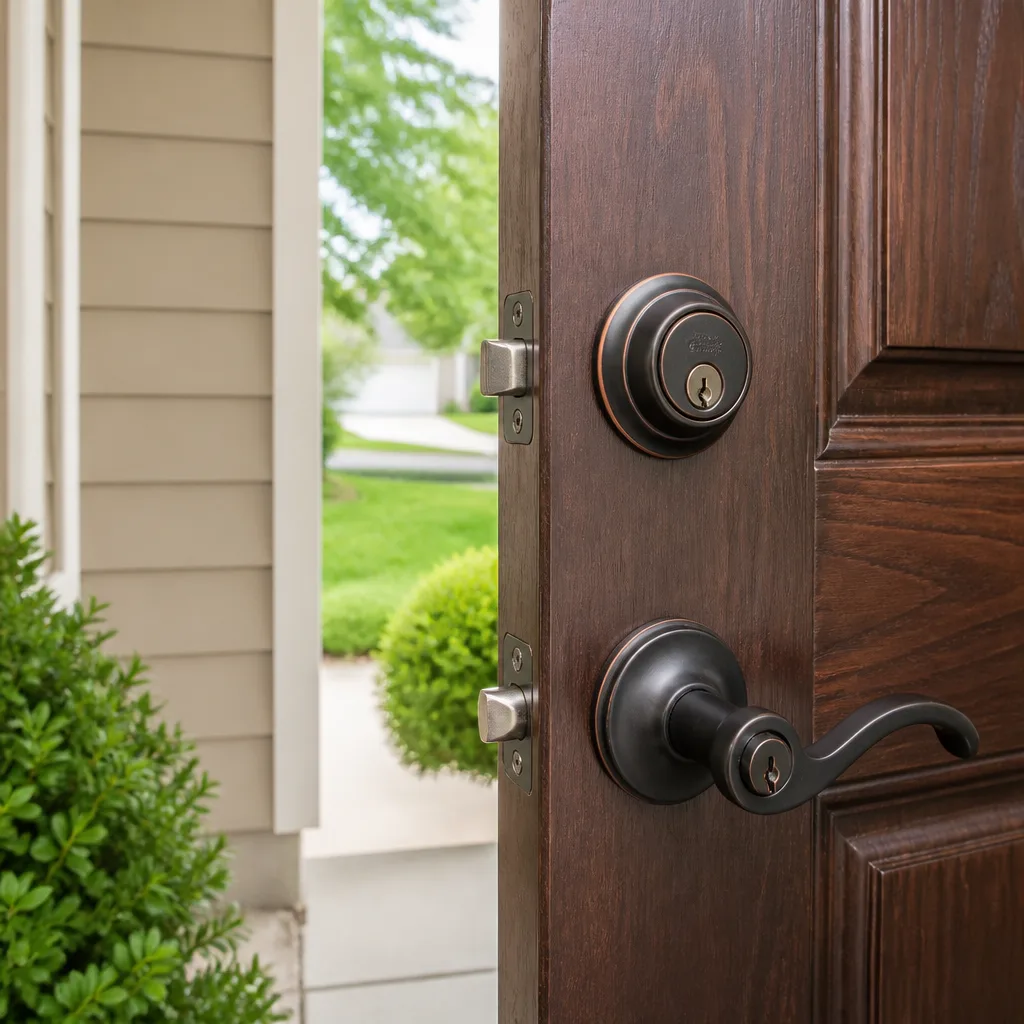
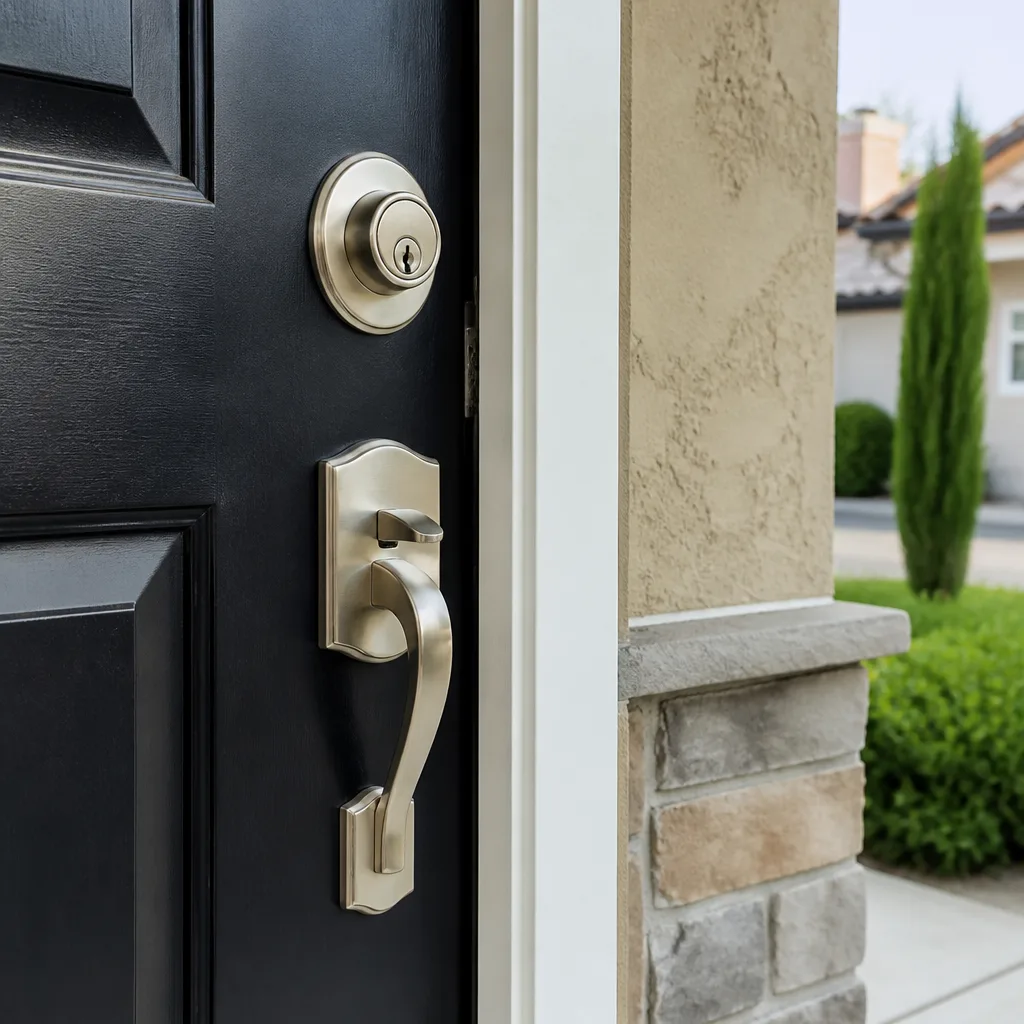
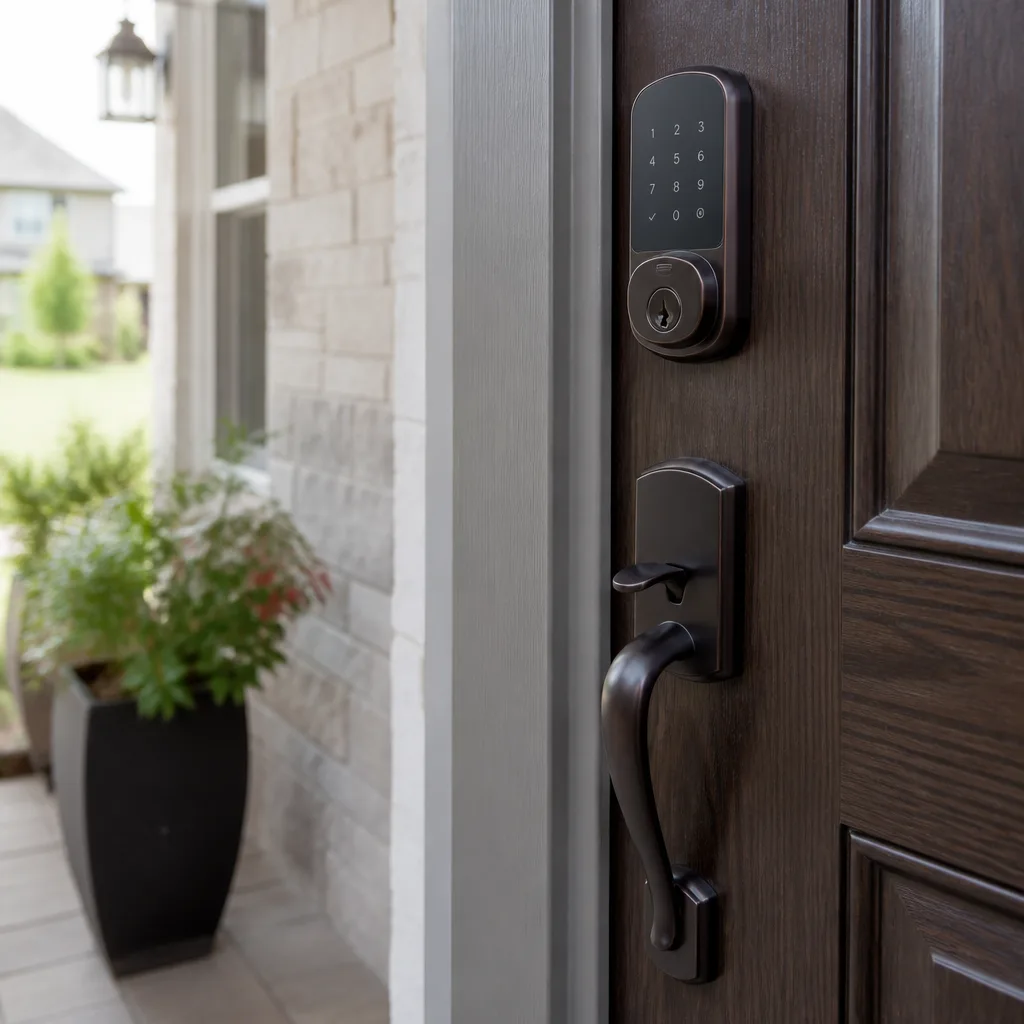
DIY vs Professional Change Door Locks: What’s Safe to Do Yourself
A YouTube-installed deadbolt can look perfect from the outside and still be defeated in about 11 seconds by anyone who notices the strike plate is anchored with 3/4-inch screws instead of 3-inch ones. The lock isn’t the weak point. The frame is, and it’s invisible until it fails. This guide draws an honest line between what’s genuinely safe to do yourself and where our Change Door Locks services in Los Angeles are the difference between a lock that works and a door that actually holds. We’ll cover lock types, door conditions, the step most DIYers skip, and how to assess your own situation before you spend a dollar.
Quick Answer
Most homeowners can safely replace a basic interior knob or swap an existing deadbolt with a direct-fit model on a solid, well-aligned frame. But exterior doors, high-security cylinders, smart locks with wiring, and any door with frame damage or misalignment should go to a professional. The question isn’t whether you can physically install a lock. It’s whether the installation will actually hold against someone trying to open your door, and that answer depends on factors no YouTube tutorial can check for you.
Table of Contents
- The Real Security Threshold: What DIY Can and Can’t Do
- The Strike Plate Gap: Where 90% of DIY Installs Fail
- Smart Locks: The DIY Trap That Looks Simple
- The Cost of a Failed DIY Install in Los Angeles
- 5 Questions to Ask Before You Buy Anything
- How to Do a Basic Lock Swap Safely (And Honestly)
- When DIY Is Genuinely Fine
- Common Mistakes to Avoid
- When to Call a Professional
- Frequently Asked Questions
The Real Security Threshold: What DIY Can and Can’t Do
The lock on your door is only as strong as the wood around it, the alignment of the bolt, and the person on the other side’s knowledge of both. That’s the part nobody mentions in the instruction manual. A $40 Kwikset deadbolt installed perfectly holds fine against a casual push. A $200 Schlage high-security deadbolt installed with a misaligned strike plate pops open with a screwdriver and a credit card’s worth of leverage.
In Los Angeles, where older homes in neighborhoods like Echo Park, West Adams, and Highland Park often have doors that have been repainted a dozen times, realigned twice, and settled into frames that are no longer square, the condition of the door matters more than the brand stamped on the lock. We’ve walked into homes where the deadbolt was brand new but the strike plate was held in by screws so short they didn’t even reach the stud. The homeowner had done everything the video said. The door still opened with one firm shoulder.
Here’s the honest breakdown of what DIY is generally adequate for:
- Interior bedroom and bathroom knobs. Low security, low traffic. Anyone who can work a screwdriver can handle this.
- Direct-fit exterior deadbolt replacement. Same brand, same model, same footprint, solid door, properly aligned frame. This is a 20-minute job if nothing is wrong underneath.
- Closet and hallway passage locks. No security function. Go ahead.
And here’s where DIY stops being a good idea:
- Any exterior door with a misaligned bolt. If the deadbolt doesn’t slide cleanly, you’re grinding metal against wood every time you lock it. That gets worse, not better.
- High-security cylinders from Medeco, Abloy, or Mul-T-Lock. These require precise pinning and specific installation tolerances. A mistake doesn’t just weaken security. It can permanently damage the cylinder.
- Smart locks that need new door prep or wiring. If your door wasn’t drilled for that lock, you’re not just swapping hardware. You’re modifying the door.
- Commercial doors or anything with a closer mechanism. These are engineered systems, not standalone locks.
The threshold is simple. If the job is “remove screws, swap parts, put screws back” on a door that already fits, most people can do it. If the job involves modifying the door, adjusting the frame, rewiring, or installing a security cylinder, that’s a different job entirely.
The Strike Plate Gap: Where 90% of DIY Installs Fail
Every deadbolt sends its bolt into a metal plate screwed to the door frame. That plate is called the strike plate, and it’s the part of your locking system that takes the actual force of someone trying to open the door. The lock is the mechanism. The strike plate is the anchor. If the anchor fails, the mechanism is irrelevant.
The average door strike plate ships with 3/4-inch screws. Those screws hold the plate to the door jamb, which is usually about 3/4 of an inch thick. That means the screws grip just the jamb, not the stud behind it. A grown adult putting a shoulder or a foot through a door will tear those screws out of the jamb in about five seconds. This is the single most common way locked doors get opened by force in Los Angeles residential burglaries. It’s not lockpicking. It’s not bump keys. It’s a kick to the door and a jamb that wasn’t built to take it.
The fix is straightforward and it costs under $10. You replace the short screws with 3-inch screws that pass through the jamb and bite into the framing stud behind it. That transfers the force of a kick from a thin piece of trim wood to the structural frame of the house. It’s the difference between a door that opens under force and a door that bends the deadbolt before it gives.
This is the step most DIY lock changes skip because the video doesn’t cover it. The video shows the lock going in, the screws going back, the key turning. It doesn’t show the 30-second test of putting your shoulder against the door and feeling whether the frame moves. We see the aftermath of this in Los Angeles all the time. A homeowner installs a nice new deadbolt on a 1940s bungalow in Silver Lake, feels good about it, and six months later the door is off its hinges and the deadbolt is in the grass because the strike plate was still anchored to a 3/4-inch jamb from the Truman administration.
If you do nothing else after reading this guide, do this. Check your strike plate screws. If they’re shorter than 2 inches, replace them. It takes five minutes and it does more for your actual security than any lock upgrade you’re considering.
Smart Locks: The DIY Trap That Looks Simple
Smart locks are the most returned, most abandoned, most “I’ll finish this next weekend” category in residential door hardware. They look simple in the marketing. You replace the interior thumbturn, install the motorized assemble, connect to Wi-Fi, and done. The reality runs into three problems that send smart lock boxes to garage shelves all over Los Angeles.
First, the backset. That’s the distance from the edge of the door to the center of the lock hole. Most American doors are drilled for a 2-3/8-inch or 2-3/4-inch backset. Smart locks are built for specific backsets, and if yours doesn’t match, the bolt won’t line up with the strike plate. You’ll install the lock and find that the deadbolt scrapes the plate, or won’t throw at all, or throws but jams when the door swells in Los Angeles humidity. That means adjusting the strike plate, which means cutting into the frame, which is no longer a DIY lock change.
Second, door prep. Many smart locks need additional holes for mounting screws or wiring pass-throughs. If your door wasn’t prepped for that specific model, you’re drilling into a finished exterior door. A mistake means a visible gap, a stripped hole, or a door that’s now structurally weaker. We’ve repaired doors in Los Angeles where homeowners drilled the wiring hole at the wrong angle and pierced the door’s weather seal, which led to water intrusion that warped the jamb within one winter.
Third, connectivity. Smart locks that connect to Wi-Fi, Z-Wave, or Bluetooth often need a hub, a bridge, or specific router settings. The lock may work fine with a keypad but never connect to your phone, which negates the entire reason you bought it. Troubleshooting that means working through firmware, router bands, and app permissions. None of that is a lock problem. It’s an IT problem that happens to live in your door.
If you’re installing a smart lock on a standard pre-drilled door with a matching backset and a model that requires no new wiring, you can do it yourself-though see our DIY vs Professional Commercial Locksmith: What’s Safe to Do Yourself breakdown before deciding. If any of those three aren’t true, get a qualified technician. The $150 to $250 a professional installation typically runs in Los Angeles is cheaper than the locked-out call plus the repair when your smart lock quits in the middle of the night.
The Cost of a Failed DIY Install in Los Angeles
The math on DIY lock installation usually gets presented as “the part costs $40 and the professional costs $150, so you save $110.” That math assumes the DIY job works. When it doesn’t, the real cost shows up fast.
A misaligned deadbolt that jams while you’re outside the house becomes an emergency lockout. Emergency locksmith service in Los Angeles runs anywhere from $75 to $250 depending on time of day, location, and what’s actually wrong. If the bolt has sheared inside the mechanism, the lock has to be drilled out, which means a new lock plus labor. You’re now at $200 to $400 for what would have been a $150 professional install in the first place, and you’re standing on your porch at 11:45pm waiting for someone to arrive.
Here’s the breakdown we see in Los Angeles:
- Basic knob or deadbolt swap by a professional: $85 to $180, including labor and standard hardware, depending on the lock grade and door condition.
- Rekeying an existing lock: $65 to $150 for a standard residential cylinder. This changes the internal pins so old keys stop working, which is usually the cheaper move if the hardware is still solid.
- Smart lock installation with no new door prep: $150 to $250, depending on the model and whether it needs connectivity setup.
- High-security cylinder install from Schlage, Medeco, or Abloy: $200 to $400, which includes the cylinder, pinning, and precise strike plate alignment.
- Emergency lockout after a failed DIY attempt: $100 to $300, plus whatever it costs to repair or replace the lock you damaged. This is the bill nobody budgets for.
If you’ve already started a job and it’s gone sideways, stop before you make it worse. Forcing a misaligned bolt, drilling into a door you’re not sure about, or stripping a screw you can’t extract are all situations where a professional call now is cheaper than a professional call plus a replacement door later.
5 Questions to Ask Before You Buy Anything
Before you order a lock online or head to the hardware store, answer these honestly. They’ll tell you whether this is a Saturday afternoon project or a call to a professional.
- Does the deadbolt slide cleanly into the strike plate right now? If the answer is no, the problem is the frame, not the lock. A new lock won’t fix misalignment. It’ll make it worse.
- Is the door jamb solid? Press a screwdriver into the door frame near the strike plate. If it sinks in more than a quarter inch, the wood is softened or rotted. A new lock on a soft jamb is lipstick on a sponge.
- Is this a direct-fit replacement? Same brand, same model, same backset. If you’re changing brands or lock types, the screw holes may not line up, and you’re now drilling new holes into an exterior door. That’s not a swap. That’s door modification.
- Are you comfortable removing the strike plate and checking the screw depth? If the idea of pulling that plate off feels like more than you signed up for, this isn’t a DIY job for you. That plate is the security anchor, and skipping the check means your new lock is decorative.
- What happens if this goes wrong at 10pm? If the answer is “I call a locksmith and it costs $200 plus the lock I just broke,” factor that into your decision. The risk-adjusted cost of DIY is what you spend if the worst case happens, not just the cost of the part.
If you answered all five questions and are still confident, read the next section and do the job right. If any answer made you hesitate, call us before you start. The phone consultation costs nothing. The rescue call costs real money.
How to Do a Basic Lock Swap Safely (And Honestly)
If your door is solid, your frame is square, and your new lock is a direct-fit replacement, here’s the actual process for doing it right. This is for a standard residential deadbolt or knob replacement. This is not a guide to modifying doors, installing smart locks on unprepared doors, or working on high-security hardware.
- Buy the right backset. Measure from the edge of the door to the center of the existing hole. It’s 2-3/8 or 2-3/4 inches. Buy a lock that matches. Most adjustable latches work for both, but check before you leave the store.
- Remove the old lock completely. Two screws on the interior side, pull both halves, slide out the latch. Don’t lose the screws. Clean the unpainted edges of the hole while you’re there.
- Inspect the strike plate screws. This is the step everyone skips. If the existing strike plate is held in by screws shorter than 2 inches, replace them with 3-inch screws. Do this before you install anything new.
- Install the new latch. Slide it in, make sure the angled side faces the direction the door closes. If it’s backwards, your deadbolt will bind every time.
- Mount the exterior and interior halves. Hand-tighten first, test the key and the thumbturn, then snug the screws. Do not overtighten. That’s how you strip the threads and crack the finish.
- Test with the door closed. Lock and unlock ten times with the door fully closed. Listen for scraping. Feel for rough motion. If it’s not smooth now, it won’t get smoother later.
- Re-check the strike plate alignment. Close the door, lock it, and look at the gap between the bolt and the plate. If there’s visible rubbing, the plate needs to move. That’s an adjustment job, which is where professional help becomes worth the money.
When DIY Is Genuinely Fine
There’s a real category of jobs where doing it yourself is not just acceptable, it’s the right call. The goal of this guide-and our more guides & resources-isn’t to scare you into calling a locksmith every time a screw needs turning. It’s to tell you where the line is so you can walk right up to it confidently and stop before you cross it.
Interior bedroom and bathroom knobs are the clearest case. These locks provide privacy, not security. A privacy knob stops a six-year-old from walking in on you. It doesn’t stop anyone who actually wants in, and it doesn’t need to. If you can operate a screwdriver and match up two halves of a knob, you can do this job. The stakes are low, the failure mode is “the knob is a little wobbly,” and you’ll notice immediately if something’s wrong.
A direct-fit exterior deadbolt swap on a solid door with a properly aligned frame is also reasonable DIY territory. If the new lock is the same brand, same model, same footprint as the old one, you’re unscrewing and rescrewing. Do the strike plate check, use the right length screws, and you’ll have a genuinely secure door. Homeowners in Los Angeles do this every weekend in neighborhoods from Mar Vista to Mount Washington, and most of the time it works perfectly.
Closet doors, passage doors, pantry doors. These don’t have locks to begin with, or they have dummy knobs. If you want to replace them, it’s a cosmetic job. Go ahead. There’s no security dimension to get wrong.
The thread running through all of these is the same. Low stakes, simple hardware, no modification, no alignment work. When all four are true, DIY is a completely reasonable choice.
Common Mistakes to Avoid
- Skipping the strike plate screw check. This is the mistake that turns a $200 deadbolt into a door that opens with one kick. Three-inch screws in the strike plate. Every time. No exceptions.
- Buying a lock with the wrong backset. If your door is drilled for 2-3/8 and you buy a lock set for 2-3/4, the bolt won’t line up with the plate. You’ll install it anyway, find it jams, and now you’ve stripped screws trying to force it. Measure first.
- Installing the latch backwards. The angled side of the latch faces the direction the door closes. If you get it wrong, the door won’t close properly and the deadbolt will bind every time you turn the key.
- Overtightening the mounting screws. These threads are going into wood or soft metal. Two fingers of torque, not a full fist. Stripped holes in an exterior door are a bigger problem than the lock you were trying to install.
- Ignoring a door that’s already hard to lock. If the deadbolt scraped before you touched anything, the problem is the frame. A new lock will scrape too. Fix the alignment first, then replace the hardware.
- Putting a high-security cylinder in a frame that can’t hold it. A Medeco or Abloy cylinder in a soft, un-reinforced jamb is not security. It’s an expensive ornament. The cylinder will hold. The door will fail around it.
- Assuming smart lock installation is “just a swap.” Smart locks that need new door prep, wiring, or hub setup are not bolt-on jobs. They’re integration projects. Treat them accordingly.
When to Call a Professional
Call a professional when the job involves modifying the door, working on a misaligned or damaged frame, installing high-security hardware, or setting up a smart lock that needs prep or connectivity work. Call before you drill, before you force, before you strip, and before you lock yourself out. These are the situations where the cost of doing it wrong is higher than the cost of doing it right the first time. Door lock repair in Los Angeles isn’t just about fixing broken hardware. It’s about assessing the whole locking system, including the frame, the strike plate, and the alignment, before touching a single screw. Dunmore Locksmith offers free estimates in Los Angeles. Call (910) 714-4287 and we’ll give you a written price before any work starts.
Frequently Asked Questions
A standard residential lock change in Los Angeles typically runs $85 to $180, including labor and standard hardware. Rekeying an existing lock is usually $65 to $150. High-security cylinders from Schlage, Medeco, or Abloy, installed and pinned correctly, run $200 to $400. The exact price depends on the lock grade, door condition, and whether the frame needs alignment work. Call Dunmore Locksmith at (910) 714-4287 for a written quote before any work begins.
Yes, if it’s a direct-fit replacement on a solid door with a properly aligned frame. Interior privacy knobs and basic direct-fit deadbolt swaps are reasonable DIY projects for most homeowners. The work stops being DIY when the door needs modification, the frame needs alignment, or you’re installing high-security or smart hardware that requires new prep or wiring.
Rekeying changes the internal pins inside the lock cylinder so the old keys stop working. The lock hardware stays in place. A lock change removes the entire lock and installs new hardware. Rekeying is usually cheaper and is the right move when the existing hardware is still in good condition but you want new keys, such as after moving into a new home in Los Angeles.
Some can, if your door is pre-drilled with a matching backset and the lock needs no new wiring or hub. But many smart locks require additional door prep, specific backset measurements, and connectivity setup that goes well beyond a screwdriver job. If you’re not sure, get a professional assessment before you order the lock.
A newly installed deadbolt that jams is almost always a strike plate alignment problem or a wrong backset. The bolt is hitting the edge of the plate instead of sliding cleanly through. This won’t fix itself, and forcing the lock will damage both the bolt and the frame. The fix is adjusting the strike plate position, which is a frame modification, not a hardware issue.
A standard residential lock change or rekey takes 30 to 60 minutes when the door and frame are in good condition. Jobs that involve frame repair, strike plate repositioning, or high-security cylinder installation can take longer. Dunmore Locksmith gives you the full price in writing before work starts, so you know exactly what you’re paying for.
The Bottom Line
The question isn’t whether you can install a lock. It’s whether the result will actually secure your door. DIY works for direct-fit swaps on solid frames with proper strike plate anchoring. It stops working when the door needs modification, the frame needs alignment, or the hardware demands precision installation. Check your strike plate screws before you do anything else. Answer the five questions honestly. And if the answer leads you to a professional, call someone who puts the price in writing before touching your door. In Los Angeles, that’s what we do at Dunmore Locksmith. Call (910) 714-4287 for a free estimate.
Written by Perry Osgood, Owner at Dunmore Locksmith, serving Los Angeles since 2007.