
Last updated October 8, 2026
Non-destructive entry first, always - and we re-key Schlage, Kwikset, and Baldwin locks on the spot while you watch
You get a price before we start. It does not change when we arrive. No surprises.
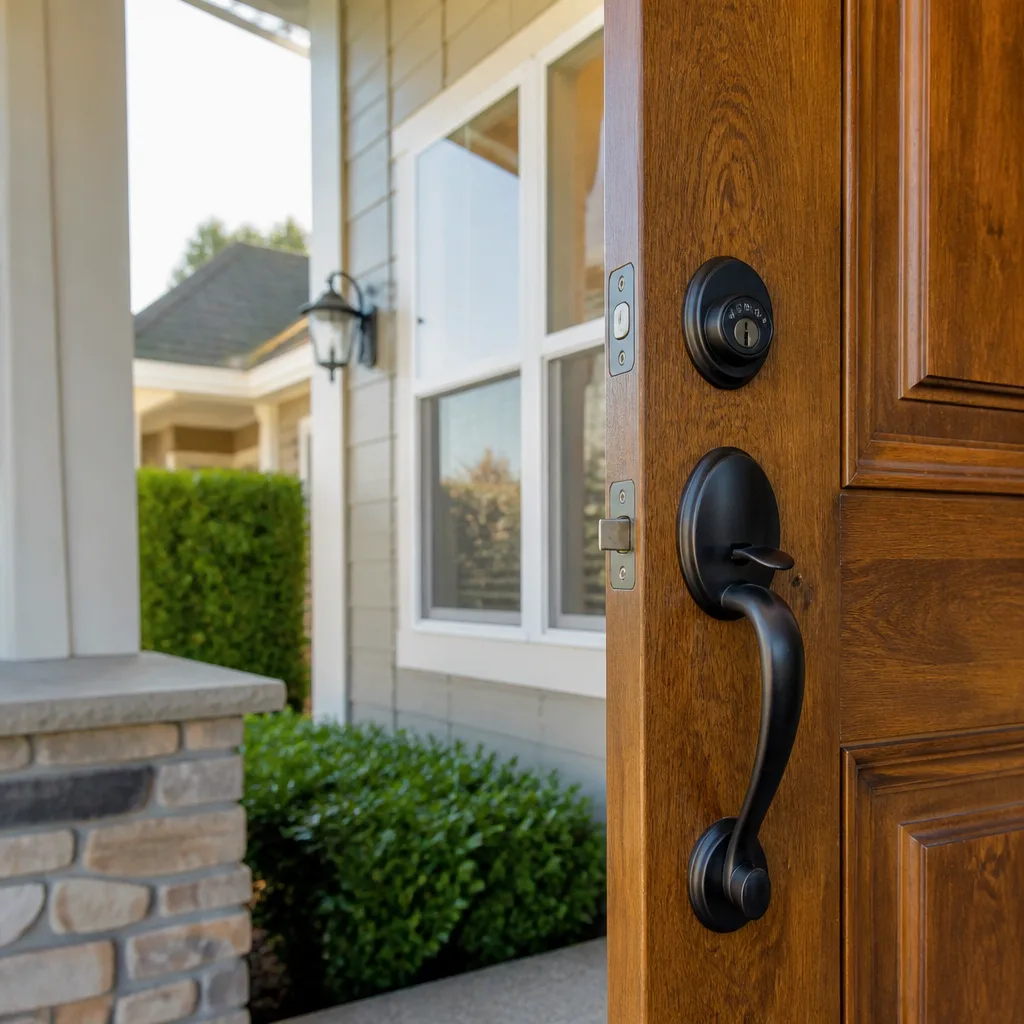
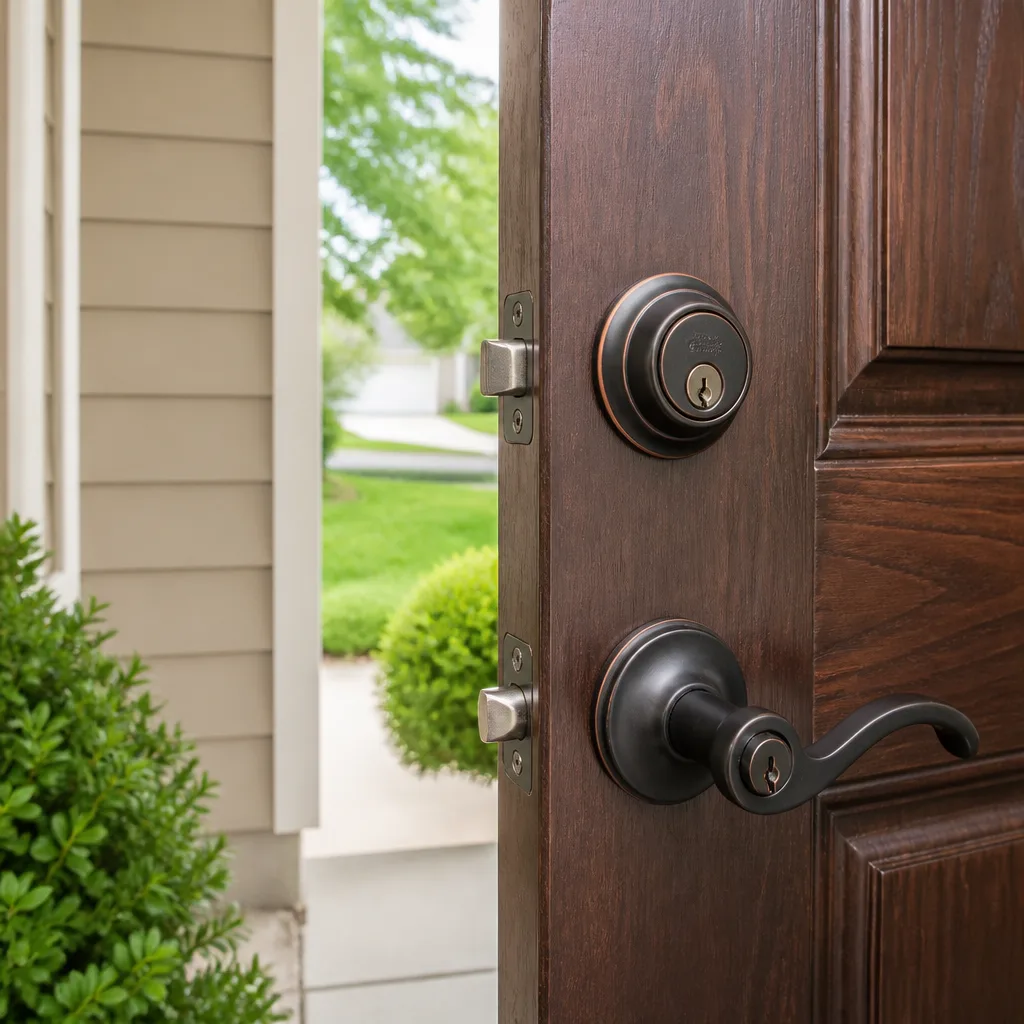
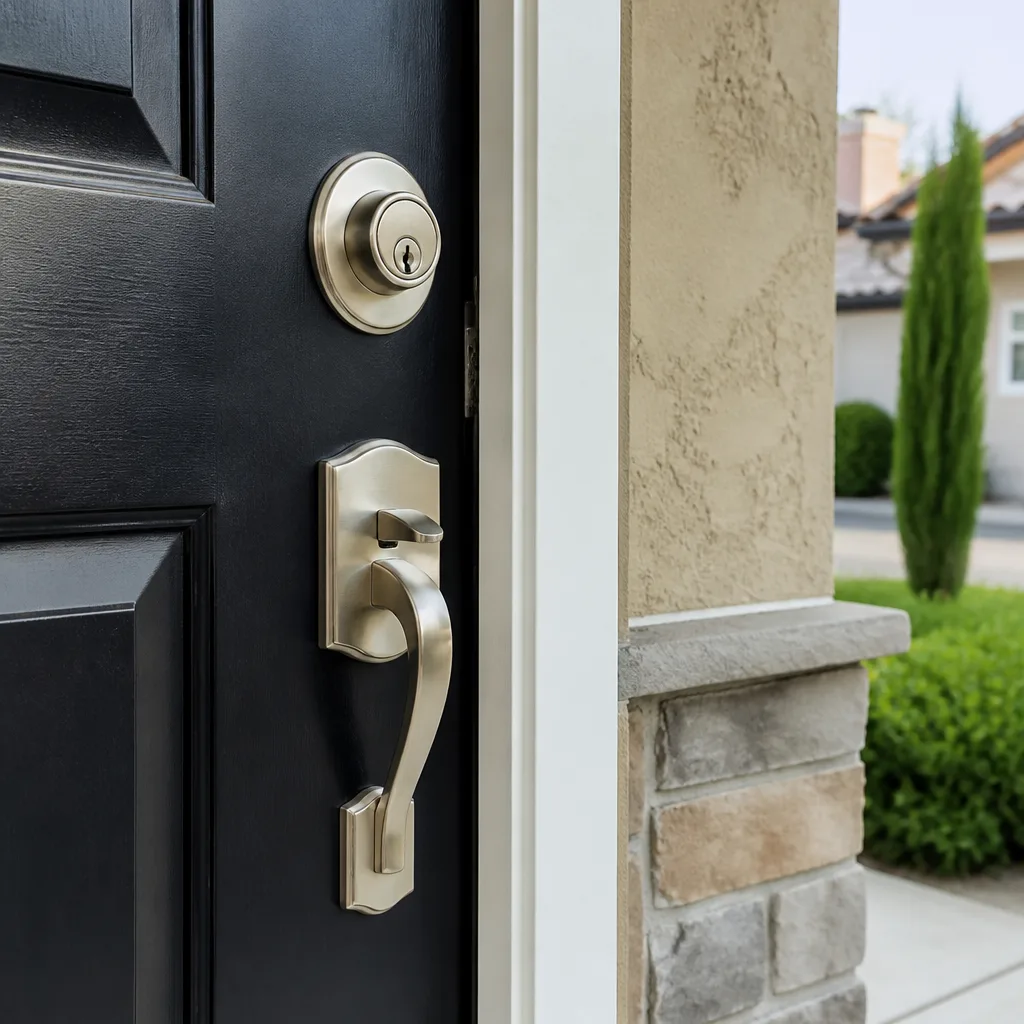
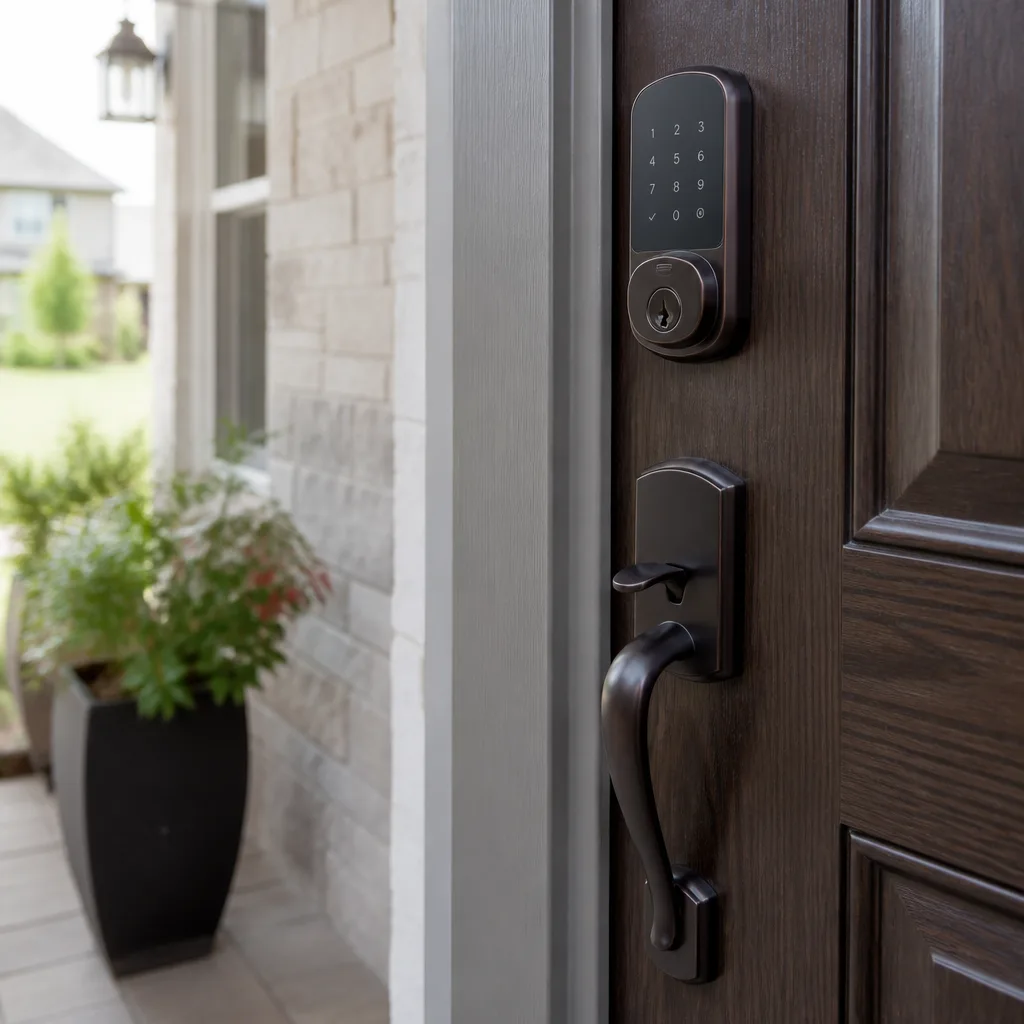
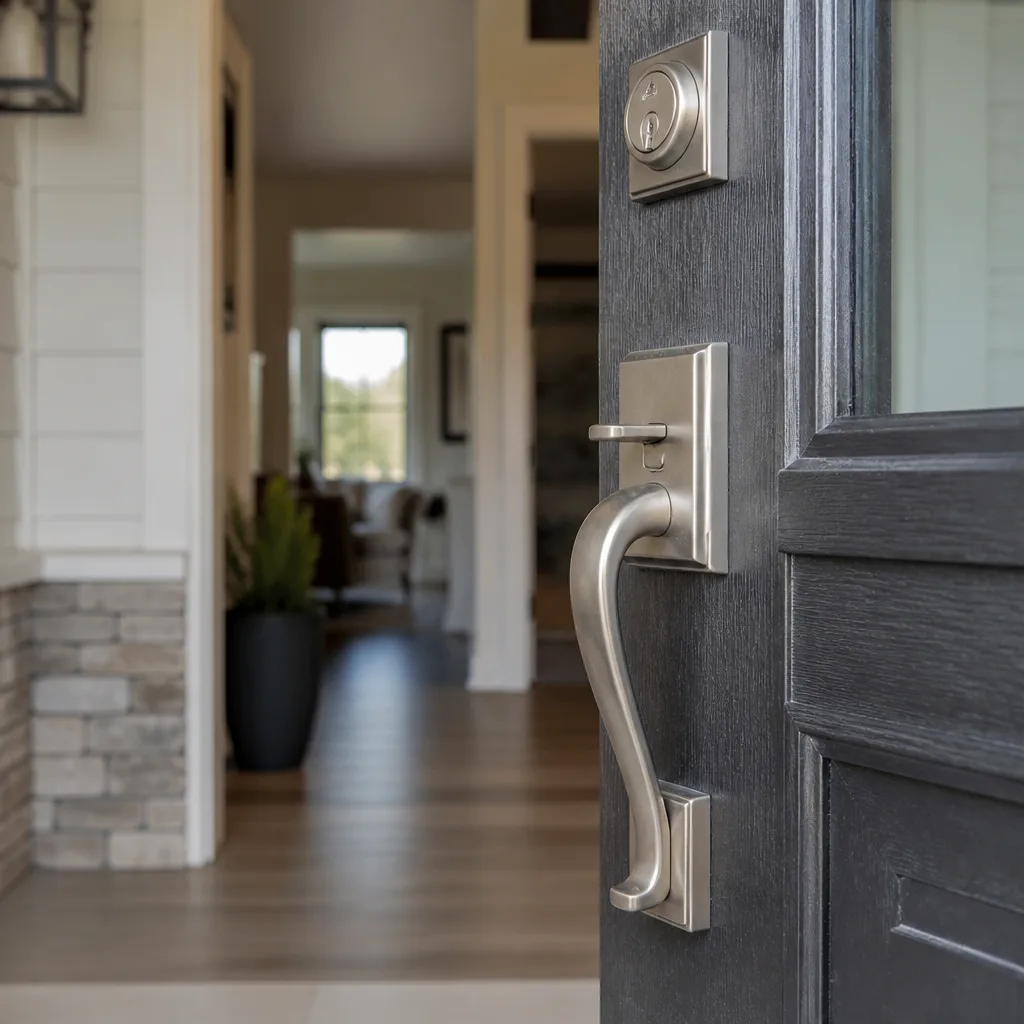
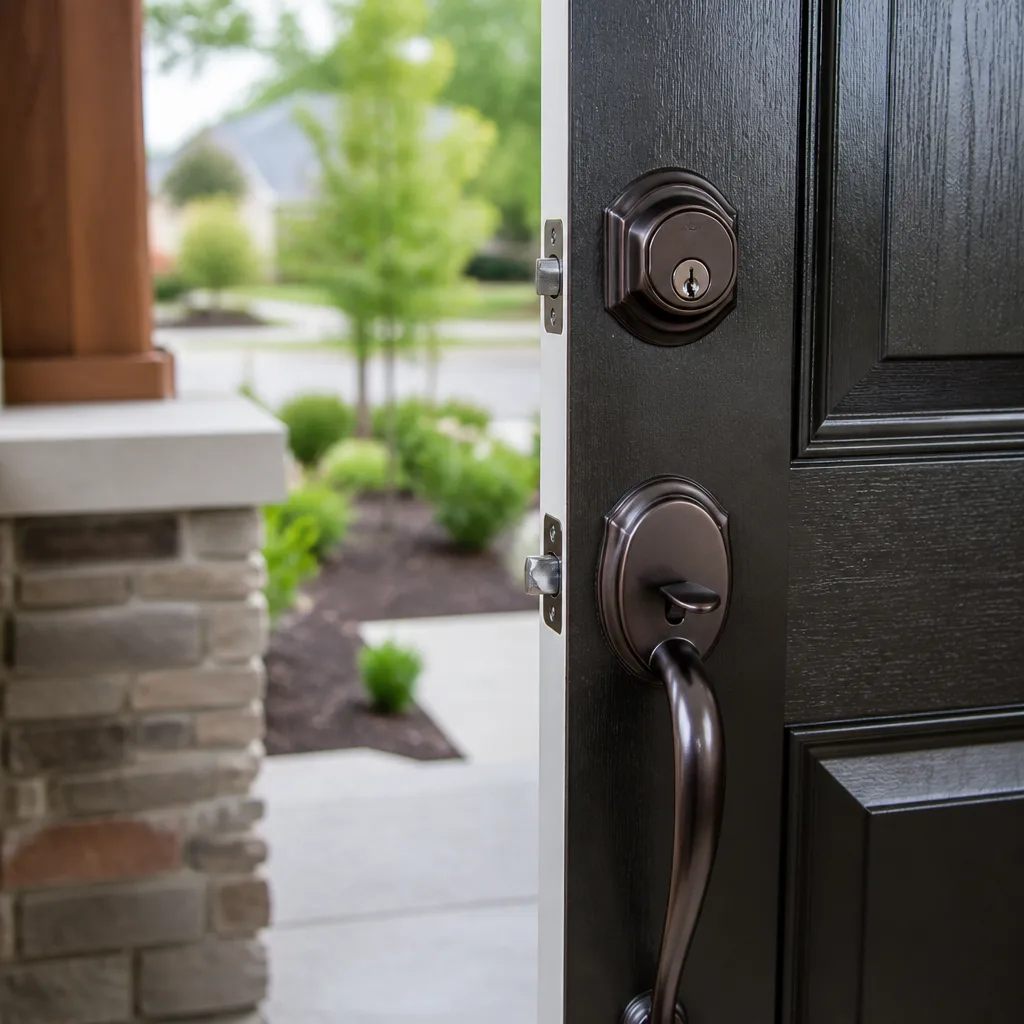
Door Lock Repair Warning Signs Every Homeowner Should Know
Most door locks don’t quit without warning. They telegraph failure for weeks or even months beforehand, and the signals are easy to miss if you’re not looking for them. A key that sticks slightly, a latch that needs an extra tug, a deadbolt that only throws when you lift the handle just so. In Los Angeles, where we’ve been repairing and replacing locks since 2007, we see the same pattern over and over: homeowners call us after a complete failure and say, “I thought it was just getting old.” What they’re really saying is, “I saw the signs and didn’t know what they meant.” This guide will teach you to read those signs before they become a lockout at the worst possible time.
Quick Answer
The most common door lock repair warning signs are: a key that resists turning or sticks, a latch that drags or doesn’t seat fully, a cylinder that spins loosely when no key is in it, a deadbolt that scrapes the strike plate or won’t extend smoothly, and visible rust, corrosion, or freeze damage. Any one of these means the lock is wearing out; two or more means repair or replacement should happen soon, not eventually.
Table of Contents
- Key Resistance: The First and Most Reliable Warning
- Latch Drag: When the Door No Longer Closes Clean
- Loose Cylinder Spin: The Sign Most People Ignore
- Bolt Misalignment and Strike Plate Wear
- Corrosion, Salt Air, and Freeze Damage: Los Angeles-Specific Accelerants
- The 2-Minute Monthly Self-Inspection Routine
- Monitor It vs. Call Today: A Practical Triage Guide
- The “New Lock” Myth: Why Age Alone Doesn’t Tell You Much
Key Resistance: The First and Most Reliable Warning
Key resistance is the most common early symptom we hear about, and it’s the one most homeowners dismiss. The key doesn’t slide in and turn like it used to. Maybe it catches halfway in, or you have to jiggle it, or the turn feels gritty instead of smooth. That grit is the internal pins and springs wearing against each other, and eventually, they’ll wear past the point where your key can align them at all.
A healthy lock should let the key slide in with almost no friction and turn with a single, clean motion. If you find yourself pulling the key out and reinserting it, or wiggling it in the door, the lock is telling you something specific: the internal pins are worn, the cylinder is drying out, or debris has worked its way into the keyway. In Los Angeles, fine dust from dry wind and construction is a constant variable. Santa Ana conditions push particulate into every small opening, and the keyway is exactly that.
What should you do? Try the key in the lock three times in a row, slowly. If it catches every single time, that’s not a random snag. It’s mechanical wear. You can live with it for another week or two, but every extra turn grinds the pins further. The repair at this stage is usually a simple rekey or cylinder replacement, which runs less than replacing the entire lock. Wait until the key refuses to turn, and you’re looking at a drilled cylinder or a forced entry, which costs more.
We’ve rekeyed locks in Los Angeles that felt only slightly rough to the homeowner but were close to total pin failure inside. A ten-second phone call and a written quote would have saved the cost of the emergency call. The takeaway: a stiff key is a warning, not a personality quirk in your lock.
Latch Drag: When the Door No Longer Closes Clean
The latch is the spring-loaded piece that pops from the edge of the door into the strike plate on the frame. When a latch starts to go, you’ll notice it in one of two ways: the door doesn’t close flush unless you push it firmly, or it closes but pops open when someone leans on it. Both are latch drag, and both mean the lock assembly is out of alignment or the latch itself is wearing.
Here’s what’s actually happening. Over years of use, the door settles. The hinges wear. Weatherstripping compresses. The door you installed a decade ago is no longer sitting exactly where it sat the day it went in, and the latch and strike plate are a half-millimeter apart from where they want to be. Every close scrapes the latch against the strike plate edge. The spring inside the latch weakens. Eventually, the latch stops popping out at all.
In Los Angeles, this is particularly common in older hillside homes, where soil movement and settling are constant. Homes in the San Fernando Valley built on expansive clay shift measurably with every wet winter, and over five or six seasons, that movement shows up in every door frame in the house. The latch drag isn’t a lock defect; it’s a door alignment symptom. But it will kill the lock if left alone, because a dragging latch forces the internal mechanism to absorb pressure it wasn’t designed for.
A quick test: open the door, push the latch in with your thumb, and release. It should snap back out sharply and completely. If it comes out slowly, only partway, or makes a grinding sound when you work it with your thumb, the latch is compromised. That’s a “monitor this week” signal. If the door pops open when you think it’s shut, that’s a “call today” signal, because a door that appears locked but isn’t is a security failure, not just a mechanical one.
Loose Cylinder Spin: The Sign Most People Ignore
Here’s a test most people never think to do: with the door unlocked, grab the round face of the lock, the part where the key goes in, and try to turn it with your hand. Not the knob or lever. The cylinder itself. It should not move at all. It should feel like part of the door.
If it spins, rocks, or wiggles, the retaining clip or set screw that holds the cylinder in place has worn or loosened. This is a serious problem for two reasons. First, a loose cylinder means the internal tailpiece, the bar connecting the cylinder to the latch, is out of alignment. The lock may still work, but the parts are grinding against each other at an angle. Second, a loose cylinder is a security breach. In some lock designs, a cylinder that can be spun can be pulled out entirely with the right tool, and pulling the cylinder means opening the door without a key.
This is one of those warning signs that often shows up long before any functional problem, which is why it gets ignored. The lock still locks. The key still turns. The cylinder just feels a little loose when you happen to touch it. We’ve replaced cylinders in Los Angeles homes where the homeowner noticed the wiggle months earlier and never mentioned it because “the lock still worked fine.”
The fix at this stage is usually straightforward: a technician opens the lock, replaces the retaining hardware or the tailpiece, torques everything down to spec, and you’re done. The fix after the cylinder pulls out entirely is replacement, potentially along with rekeying if you can’t trust the existing key. Don’t let a five-minute repair become a one-hour replacement because the wobble didn’t seem important.
Bolt Misalignment and Strike Plate Wear
The deadbolt is the heavy hitter in your lock setup, and when it starts to fail, the evidence is usually visible on the strike plate itself. Open your door and look at the strike plate, the metal rectangle screwed into the door frame with a hole in the center. Now look for scrape marks that don’t line up with the hole. Look for bright metal where the deadbolt has been grinding. Look for a plate that’s loose or shifted.
When a deadbolt is aligned correctly, the bolt slides cleanly into the center of the strike plate hole with no scraping and no resistance. When the door has settled, the bolt catches the edge of the plate. You’ll feel it when you throw the bolt. It takes a little more force. It makes a scraping sound. Sometimes you have to lift the door handle slightly to get the bolt to line up. Every one of those is the lock telling you the alignment is off.
Here’s the part most guides skip: that misalignment isn’t just an annoyance. Every time the bolt scrapes the strike plate, it’s filing away metal from both parts. The bolt gets thinner. The plate hole widens. The alignment gets worse. Eventually, the bolt won’t extend fully, and a deadbolt that doesn’t fully extend is not a deadbolt. It’s a decoration that looks like security.
In our experience across Los Angeles, deadbolt misalignment is one of the most common repairs we perform on homes more than ten years old. The combination of frame settling, hinge wear, and repeated thermal expansion in our hot, dry summers loosens everything just enough. The good news is that realigning a deadbolt is usually a simple job: adjusting the strike plate, trimming the plate opening, or slightly repositioning the lock body. The bad news is that ignoring it turns a simple adjustment into a complete lock replacement.
Corrosion, Salt Air, and Freeze Damage: Los Angeles-Specific Accelerants
Here’s where Los Angeles breaks the national playbook. Most home maintenance advice assumes locks wear out mainly from use. In Los Angeles, environmental factors often kill locks faster than use does, and the specific factor depends on where in the city you live.
If you live west of the 405, in neighborhoods like Santa Monica, Pacific Palisades, Playa del Rey, or Westchester, you deal with salt air. Salt accelerates corrosion on every metal surface, and your locks are no exception. The brass or nickel plating holds up for a while, but eventually, the salt works its way into the cylinder, the latch, and the internal springs. You’ll see it first as a whitish or greenish buildup around the keyway or at the edges of the faceplate. That buildup is the first stage of lock failure.
If you live in the valleys or the inland basin, from Sherman Oaks to Pasadena to Glendale, your problem is dust and thermal cycling. The summer heat pushes daytime temperatures above 90 degrees, then evening temps drop 30 degrees or more. Metal expands and contracts with every cycle. The internal clearances inside a lock cylinder are measured in thousandths of an inch; that expansion and contraction, repeated daily for six months a year, accelerates pin wear and loosens everything that holds the lock together.
And for every Los Angeles homeowner, the Santa Ana winds add one more variable: fine particulate dust pushed into every small opening. The keyway of a lock is a direct channel into the cylinder. Dust accumulates. Dust mixes with whatever lubrication is left. Dust becomes grit. Grit grinds.
The telltale sign of environmental lock damage is often visual: dulling, pitting, or discoloration on the lock face, a crust around the keyhole, or a key that comes out of the lock with visible grayish residue on it. Any of those means the internals are being eaten. A quality lock from a brand like Kwikset or Yale can shrug off normal wear for a decade, but no lock shrugs off constant salt, dust, and thermal stress indefinitely. Knowing which environmental force applies to your neighborhood is half the battle.
The 2-Minute Monthly Self-Inspection Routine
You don’t need tools. You don’t need technical knowledge. You need two minutes and a willingness to pay attention. Here’s the routine we recommend to every homeowner in Los Angeles:
- Insert the key. Does it slide in without resistance? Does it turn smoothly, or does it catch and grind? Turn it three times. Note any stickiness.
- Grab the cylinder. With the door unlocked and the key out, grip the round face of the lock and try to rock it up, down, left, and right. Any movement at all is a warning.
- Test the latch. Open the door. Push the latch in with your thumb. Release. It should snap back fully and firmly. Slow return, partial return, or grinding means the latch or spring is failing.
- Throw the deadbolt. Does it slide smoothly into the strike plate, or does it scrape, bind, or require extra force? Scrape marks on the plate are your visual confirmation that something’s out of alignment.
- Look at the hardware. Check the faceplate, the cylinder, and the strike plate for rust, crust, discoloration, or loose screws. If you’re west of the 405, look closely for salt buildup.
Do this on the first Sunday of every month. It takes ninety seconds to two minutes per door. If you notice something changing from one month to the next, the lock is degrading. Locks don’t heal themselves. Changes only move in one direction, and that direction is failure.
Most of our Los Angeles customers who call us for preventive maintenance tell us they’d never done a structured inspection before. This routine changes the equation. It gives you a baseline so you can tell the difference between a lock that’s always been a little stiff and a lock that’s getting stiffer. The first one is old age. The second one is a countdown.
Monitor It vs. Call Today: A Practical Triage Guide
Not every lock symptom requires a locksmith visit today. Some require watching. Some require action. Knowing which is which saves you from crying wolf and from waiting too long. Here’s the practical breakdown:
Monitor it (schedule repair in the next 2-4 weeks):
- Key turns smoothly but feels a little loose; no grinding, no sticking.
- Latch returns fully but makes a faint click or feels slightly sluggish.
- Cylinder wiggles just barely, almost imperceptibly, when you test it.
- Deadbolt scrapes the strike plate only when you don’t push the door closed first.
- Light surface rust on the faceplate that wipes away with a cloth.
Call today:
- Key sticks, binds, or requires jiggling to work at all.
- Latch doesn’t return fully, or door pops open when you think it’s closed.
- Cylinder spins or rocks visibly when you touch it.
- Deadbolt will not extend fully, or requires lifting the handle to line up.
- Visible corrosion around the keyway, or rust that doesn’t wipe away.
- The lock has failed once already: a key broke in the cylinder, the bolt jammed, or you were briefly locked out and jiggled your way back in.
Here’s the test we use with our own customers: if a lock failure at 11 p.m. would put you or your family in a dangerous spot, the warning signs deserve attention now, not when the schedule clears up. The cost of preventive Door Lock Repair in Los Angeles is almost always lower than the cost of an emergency call, and the stress difference isn’t even comparable. Call us before it’s an emergency. Call us while you still have time to think.
The “New Lock” Myth: Why Age Alone Doesn’t Tell You Much
This is the misconception that costs Los Angeles homeowners the most: the belief that a new-looking lock is a healthy lock. We hear it constantly. “The lock is only two years old, so I don’t understand why it’s giving me trouble.” Or the reverse: “This lock has been here since the 1980s and still works perfectly.”
Here’s the truth. Age is a poor predictor of lock failure because lock failure is driven by three things: installation quality, environmental exposure, and usage patterns. A two-year-old lock installed slightly out of alignment on a door that sees heavy traffic in a Santa Monica salt-air environment will fail faster than a thirty-year-old lock that was installed correctly, on a door that’s barely used, in a protected interior hallway in Glendale.
A lock can also look new while being internally worn. The exterior finish has nothing to do with the internal pins, springs, and tailpiece. We’ve opened two-year-old locks that looked pristine on the outside and were mechanically destroyed on the inside. Conversely, we’ve serviced locks from the 1970s that only needed a cleaning and a fresh application of lubricant.
This is why the self-inspection routine matters more than the age of the lock. Brand also matters, by the way. Quality residential hardware from companies like Kwikset, Baldwin, or Medeco tends to use better internal materials and tighter tolerances, which translates to a longer service life. But even the best lock installed poorly or exposed to extreme conditions will fail. The point is simple: don’t judge a lock by its face. Judge it by how it feels when you use it and what the monthly inspection shows you.
Common Mistakes to Avoid
- Lubricating a lock with WD-40 or household oil. These products work for a few days, then attract dust and gum up the internal components. In Los Angeles, with our constant airborne particulate, a lock treated with WD-40 will be worse off inside a month. Use a dry graphite or PTFE lubricant made for locks.
- Ignoring a stiff key because “it still works.” A stiff key isn’t working. It’s wearing. Every rough turn files metal off the internal pins. What feels like a minor annoyance today is a broken key or failed cylinder in a few months.
- Trying to drill out your own broken key. This comes up more than you’d think. A broken key in a lock is a straightforward extraction for a locksmith with the right tools. A DIY drilling project usually destroys the cylinder and turns a thirty-minute repair into a full lock replacement.
- Assuming a handyman can handle lock work. Lock repair isn’t door repair. We regularly redo work done by general handymen who installed locks misaligned or left internal components improperly tightened. The result is premature failure, often within a year.
- Waiting until you’re locked out to address a sticky lock. A lock that’s been warning you for months will often choose the worst possible moment for its final failure. The cost of a preventive repair call is almost always a fraction of an emergency lockout call, especially at night.
- Replacing only one part when the whole assembly is worn. A worn latch often accompanies a worn cylinder. Replacing the cylinder while the latch drags means you’ll be back in six months with the same problem. A proper repair addresses the full picture.
- Rust treatment instead of rust diagnosis. Cleaning surface rust off a faceplate feels productive, but if the rust came from inside the lock, the internal springs and pins are already compromised. Cleaning only hides the warning sign. Find the source.
When to Call a Professional
Call a professional when the warning signs stop being warnings and start affecting your actual security. If the key sticks or binds consistently, if the latch doesn’t seat, if the deadbolt won’t throw without force, if the cylinder spins, or if you see corrosion that won’t wipe clean, the lock has entered failure territory. It’s no longer a maintenance question; it’s a security question. At Dunmore Locksmith, we offer free estimates in Los Angeles. Call (910) 714-4287. We’ll tell you honestly whether repair makes sense or replacement is the better financial call. The price goes in writing before any work starts, so you’re deciding with real numbers, not a guess. Every repair comes with a 365-day written guarantee. If the repair fails within that year, we return at no charge and make it right.
Frequently Asked Questions
Most door lock repairs in Los Angeles run between $75 and $250, depending on the specific problem. A simple cylinder cleaning or realignment usually falls at the lower end, while a full cylinder replacement or rekey runs toward the higher end. The price is always delivered in writing before any work begins, and there is no charge to come out and look. Call (910) 714-4287 for a free estimate on your specific lock and situation.
Key resistance is the most common early warning. If your key sticks, binds, or requires jiggling to turn, the internal pins and springs are wearing. That single symptom appears in the majority of lock failures we see in Los Angeles, usually two to six months before the lock fails completely.
No. Locks do not heal. Internal wear, corrosion, and misalignment only get worse over time. Stopping use might slow the progression slightly, but the damage is already done, and the lock will fail at some point. The question is whether it fails at a time of your choosing or at the worst possible moment.
Yes. Salt air in coastal areas like Santa Monica and Pacific Palisades accelerates corrosion in lock internals. Inland areas like the San Fernando Valley deal with dust, extreme thermal cycling, and Santa Ana winds that push particulate into the keyway. Locks in Los Angeles often fail from environmental factors before they fail from mechanical wear.
Once a month, on a consistent schedule. The 2-minute routine described above covers the essential checks. Monthly inspection gives you a baseline, so when a lock starts to change, you notice the change instead of wondering if it was always that way. This one habit catches most failures months before they happen.
Door lock repair as preventive maintenance is not typically covered by homeowners insurance. Insurance policies generally cover damage from covered perils like a break-in or fire, not mechanical wear and gradual deterioration. If a lock fails after forced entry, that’s a different claim scenario. For regular wear and tear, the repair is a standard out-of-pocket expense, and keeping up with it is often cheaper than waiting for the failure.
The Bottom Line
Locks don’t surprise you. They warn you. The key that sticks, the latch that drags, the cylinder that wobbles, the deadbolt that scrapes, the corrosion that creeps. Each one is a message from the mechanism. The only question is whether you’ll read it in time. A monthly inspection takes two minutes. A preventive repair costs a fraction of an emergency call. And in Los Angeles, where environmental stress accelerates lock wear faster than most national guides would have you believe, the margin for ignoring warnings is thinner. Listen to your locks. They’re telling you what they need. For more guides & resources, visit our blog. Call (910) 714-4287 before the warning turns into a lockout, and you’ll get a written price, a straight answer, and a full year of coverage if anything goes wrong.
Written by Perry Osgood, Owner at Dunmore Locksmith, serving Los Angeles since 2007.