
Last updated October 8, 2026
Non-destructive entry first, always - and we re-key Schlage, Kwikset, and Baldwin locks on the spot while you watch
You get a price before we start. It does not change when we arrive. No surprises.
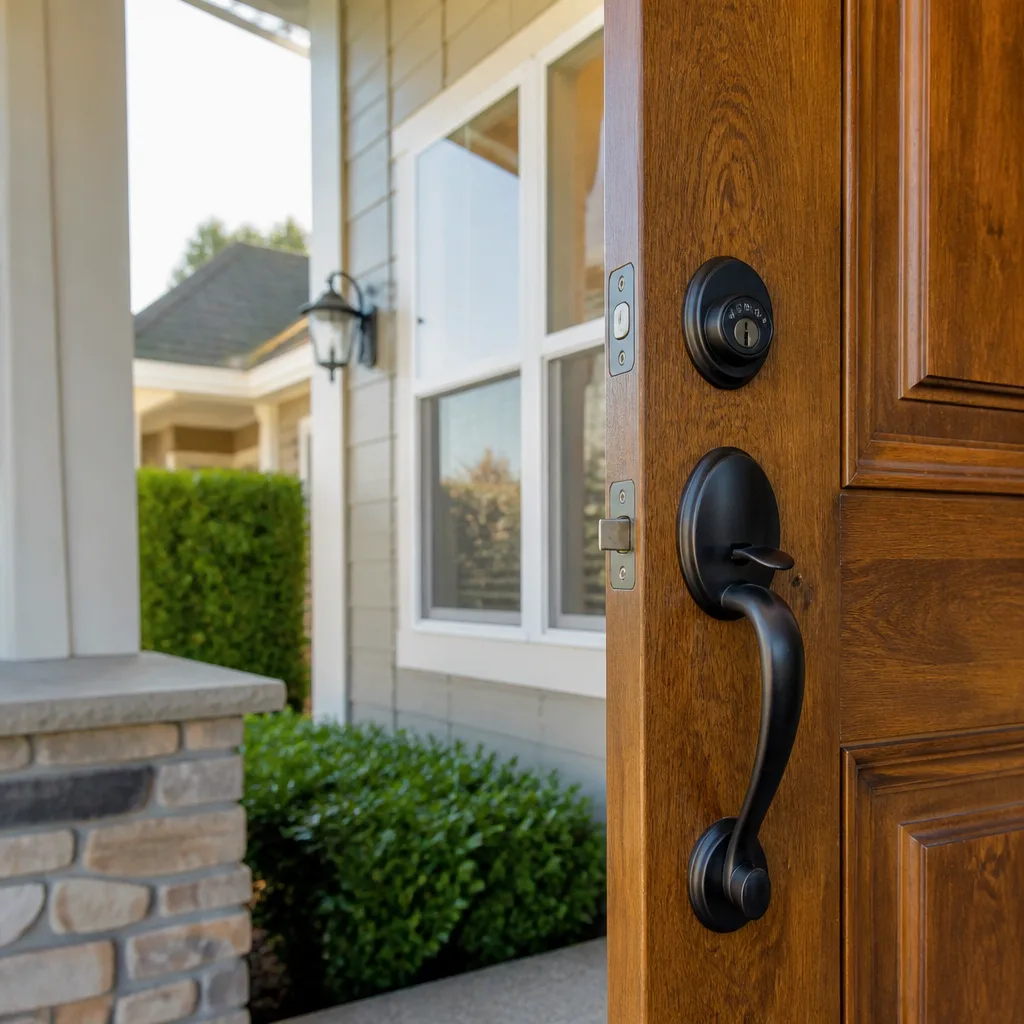
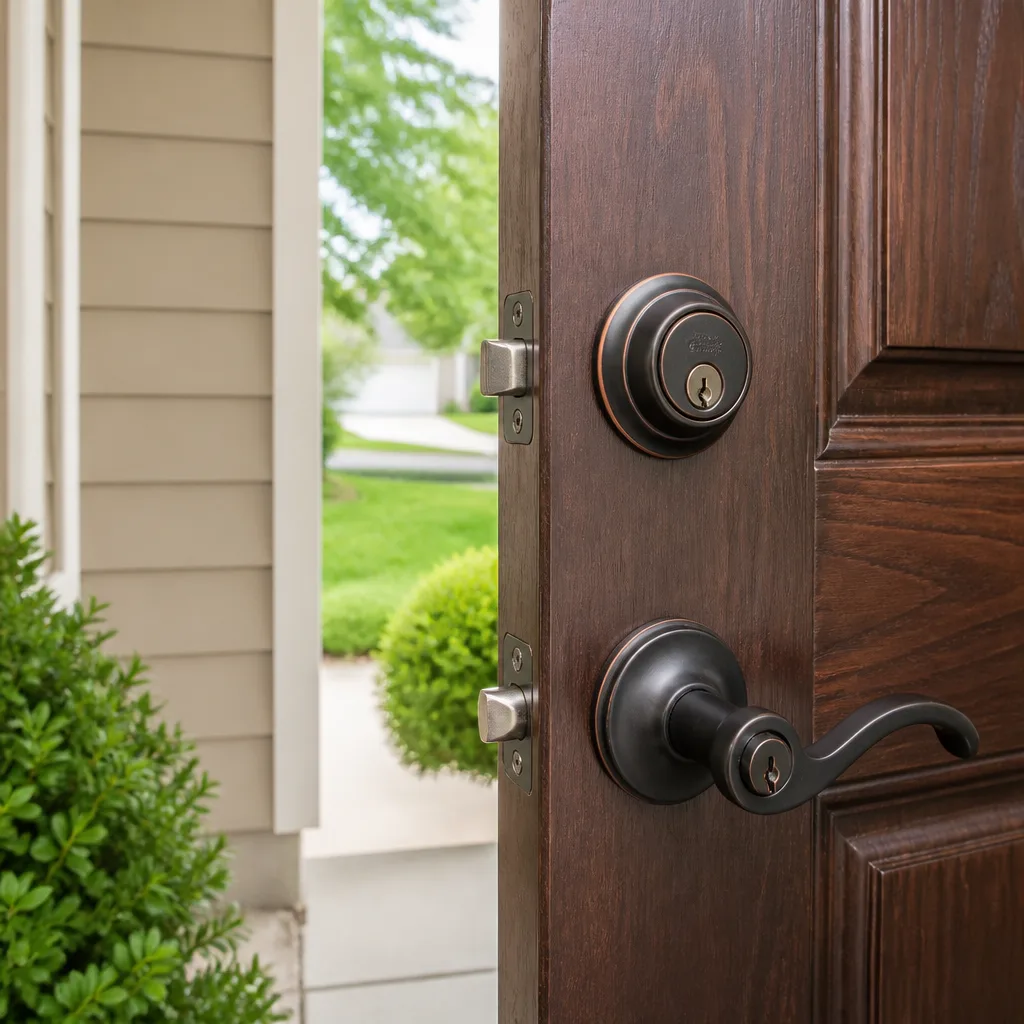
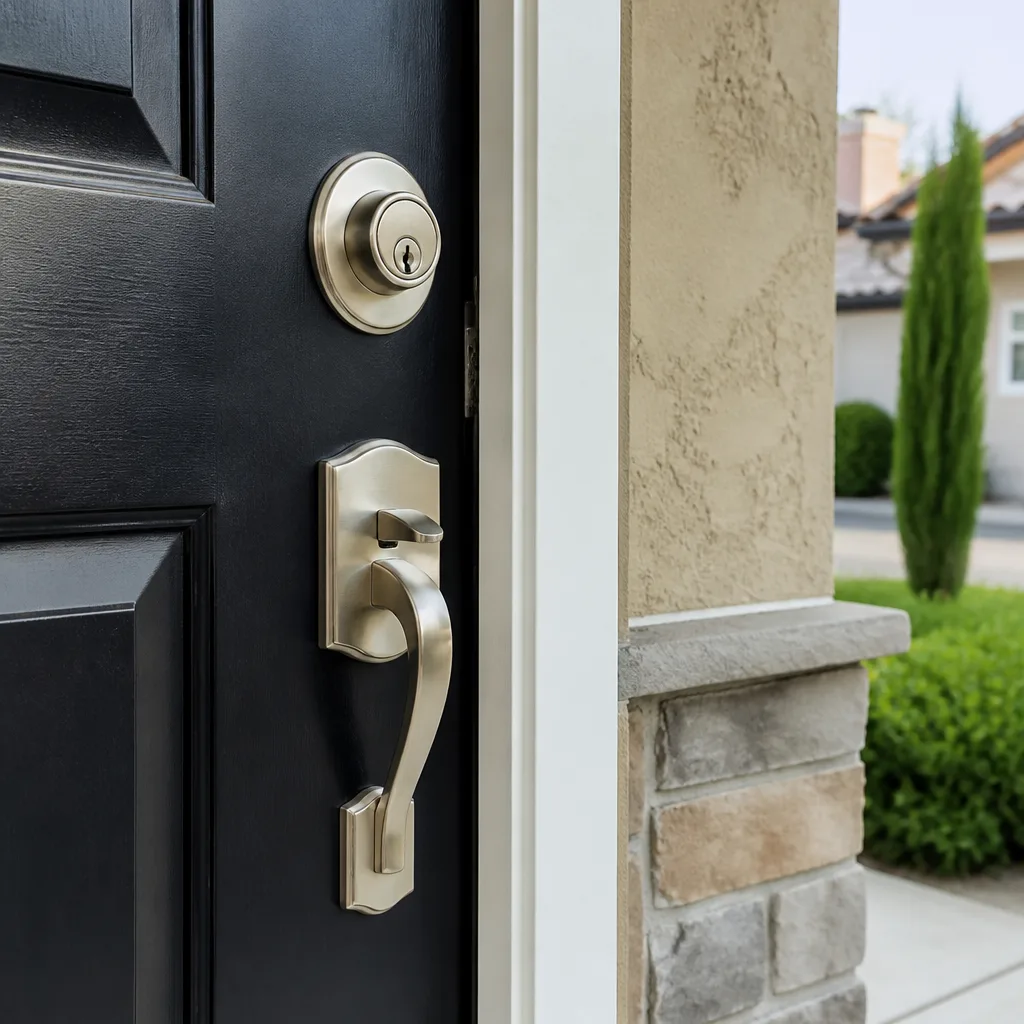
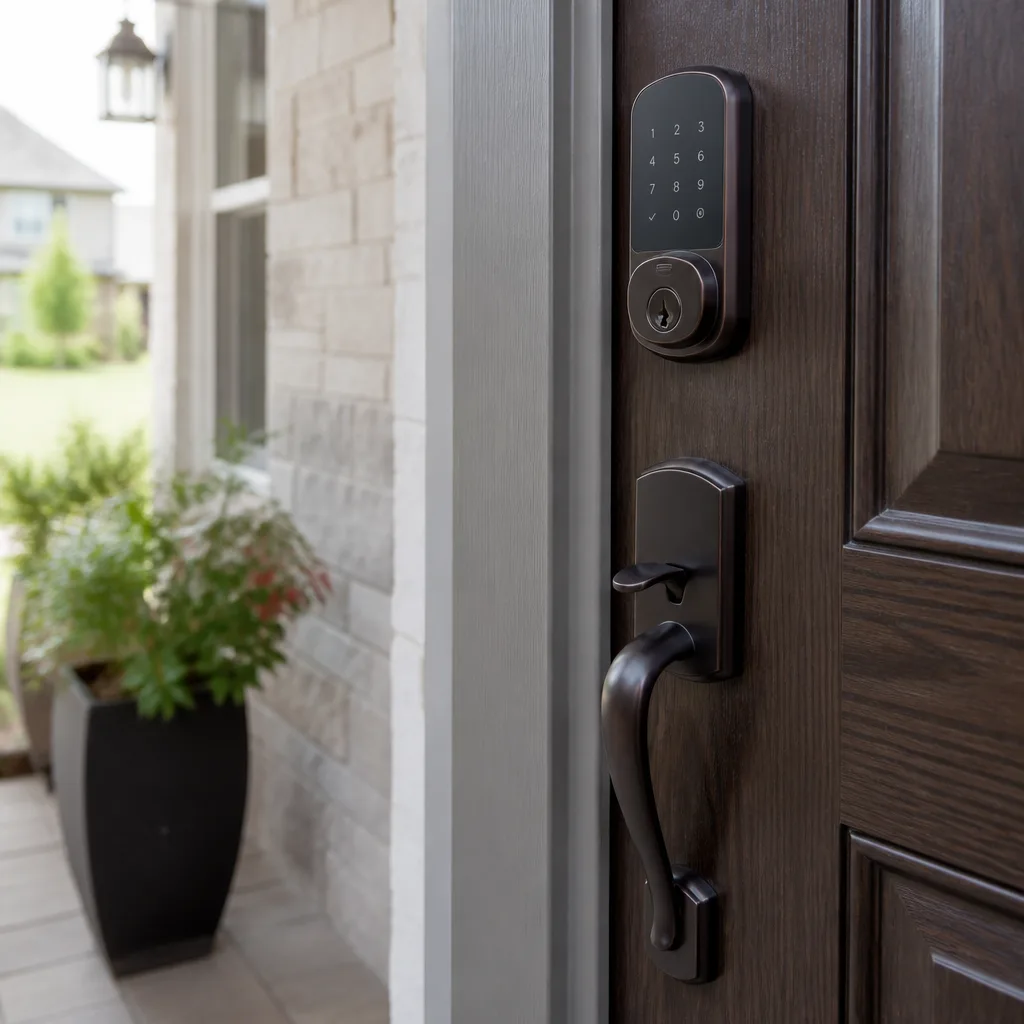
Residential Locksmith Warning Signs Every Homeowner Should Know
The Federal Trade Commission has logged thousands of complaints about locksmith scams across the country, and the playbook is remarkably consistent: a low phone quote, an unmarked van, a “special drill required” once the technician is standing at your door. In Los Angeles, where renters move frequently and property managers juggle dozens of units, the confusion around who actually owns the lock creates openings for this exact script. This guide walks you through the three-act structure of a residential locksmith scam and shows you the specific moments where you can interrupt it before money changes hands.
Quick Answer
The most reliable warning signs of a residential locksmith scam are a suspiciously low phone quote that balloons on-site, a technician who arrives in an unmarked or magnet-signed vehicle, and a sudden claim that your lock is “high security” and must be drilled rather than picked. A legitimate locksmith gives you a written price before work starts, arrives in a traceable company vehicle with a photo ID, and can open most residential locks without destroying them. In Los Angeles, you can verify any locksmith’s California BSIS license on your phone in under a minute before you let them touch your door.
Table of Contents
- The Three-Act Scam Structure: What the Playbook Looks Like
- Specific Phrases That Signal a Price Bait-and-Switch
- How to Verify a Locksmith’s Identity Before Opening Your Door
- The Van and Uniform Check: What a Real Locksmith Looks Like
- Your Legal Rights Mid-Job in California
- What Residential Locksmith Work Actually Costs in Los Angeles
- The 30-Second Red Flag Checklist Before You Let Anyone Touch Your Lock
The Three-Act Scam Structure: What the Playbook Looks Like
Residential locksmith scams in Los Angeles follow a documented three-act structure. The script only works if you don’t recognize it. Once you know the shape of it, you can stop the play at Act 1, before a stranger ever touches your door hardware.
Act 1: The Phone Quote. You call a number from a search ad or a flyer. The person on the phone names a rate that sounds almost too fair: $35 to open a lock, $49 to rekey a knob. They will not name the total cost of the job, because the total cost is not the point yet. The point is to get a technician to your address. If you press for details, you’ll hear something vague about how they need to see the lock first. That is the first warning sign. A legitimate locksmith can give you a real price range over the phone for a standard residential lockout or rekey in Los Angeles, and the written quote you receive before work starts matches that range.
Act 2: The Arrival Assessment. A technician shows up, often in a plain vehicle with a magnetic “Locksmith” sign on the door. They look at your lock, and then the pivot happens. They tell you the lock is “high security,” “commercial grade,” or “a special type” that requires drilling. Drilling a lock destroys it. Replacing a drilled cylinder costs far more than picking the lock would have cost. The technician is not describing a real problem with your lock. They are adding a new act to the play: the manufactured upgrade.
Act 3: The Invoice Inflation. The bill arrives and it bears no resemblance to the phone quote. The $35 service call became a $180 drill job plus a $240 replacement cylinder plus a $60 “emergency” fee. If you push back, the technician may offer to call the company, who will back them up. This is where the scam works: you’re tired, you’re locked out, and the person at your door is holding the only key to your evening. In California, you have legal rights at this exact moment, and you can use them. See our more guides & resources below.
Specific Phrases That Signal a Price Bait-and-Switch
Scam scripts rely on repeated language because it works. Here are the phrases we’ve seen documented in FTC complaints and California consumer alerts, and what each one actually means.
- “Your lock is a special type.” Standard residential locks in Los Angeles homes are overwhelmingly pin-tumbler cylinders from brands like Kwikset, Schlage, Yale, and Baldwin. A trained locksmith can open most of these without drilling. When a technician says your lock is “special” or “unusual,” they are setting up the drill.
- “I’ll need to drill it.” Drilling is a last resort for locks that are genuinely damaged, frozen, or severely corroded. It is not the first move on a healthy lock. If drilling is the first move, you are watching Act 2 of the script.
- “That price was just for showing up.” This is the most transparent bait-and-switch line in the industry. The phone quote was for the job, not for the privilege of a stranger standing on your porch. A legitimate company quotes a price for the work, in writing, before the work starts.
- “We only take cash.” Cash is untraceable. It also removes your ability to dispute the charge later. Reputable locksmiths in Los Angeles take cards, and many take digital payments. A cash-only demand is a red flag on its own.
- “The lock has to be replaced now.” Sometimes a lock genuinely needs replacement, especially if it’s old, seized, or broken. But the decision is yours to make. A legitimate locksmith will show you the problem, explain your options, and let you decide. Pressure to replace immediately is a sales tactic, not a security assessment.
What you can say in response: “I’d like the price in writing before you start any work.” That single sentence is the most effective interruption to the script. A legitimate locksmith will write it down without hesitation. A scammer will stall.
How to Verify a Locksmith’s Identity Before Opening Your Door
The moment before you open your door to a locksmith is the moment you have the most control. In California, verification is fast, and a legitimate company will wait while you do it. Anyone who pressures you to skip this step is telling you something important.
Here is the verification sequence, step by step:
- Look up the California BSIS license. Locksmiths in California are licensed by the Bureau of Security and Investigative Services. The license lookup is available on the BSIS website, and it takes about 45 seconds on a smartphone. Ask the technician for their license number before they touch your door. A legitimate locksmith will have it ready and will not be annoyed that you asked.
- Confirm the name matches. The technician at your door should match the name and photo you were given when you booked the call. At Dunmore Locksmith, we send every customer the technician’s name and photo before the visit, as part of what we call The Threshold Standard: every technician is background-checked, identity-verified, and photo-badged before they ever arrive at your address.
- Ask to see the photo ID badge. A real locksmith wears a company ID badge with their photo and name. They will hold it up to you through the door or show it to you before you unlock. If the person at your door has no badge, or the badge looks like it was printed this morning, do not open the door.
- Check the vehicle. Look out the window before you open the door. The van should be marked with a traceable company name, not a generic “Locksmith” sticker. More on this below.
This sequence takes less time than it took you to read it. And it protects you in the exact moment a scammer needs to rush you through.
The Van and Uniform Check: What a Real Locksmith Looks Like
The van and the uniform are two of the most reliable physical signals in the industry. Scam operations rely on being untraceable after the fact, and their vehicles and outfits reflect that.
Here is what to look for:
- A traceable company name. A real locksmith company in Los Angeles puts its name on its vehicles. The name should match the business name on the phone, on the invoice, and on the technician’s badge. If the van says simply “Locksmith” in magnetic letters, or if the van appears to be a personal vehicle with no permanent markings, the operator does not want to be traced.
- A clean, professional uniform. Legitimate technicians wear company uniforms. The uniform should have the company name stitched or printed on it. At Dunmore Locksmith, our technicians arrive in clean, marked uniforms, and they carry a photo ID badge that they show at the door before any work begins. The uniform and the badge are two parts of the same promise: you know who is coming.
- A marked, stocked vehicle. A real locksmith’s van carries a full set of pin kits, key blanks, and hardware for common residential brands: Schlage, Kwikset, Yale, Baldwin, and others. A scammer’s vehicle often carries a drill and a few replacement cylinders. You cannot easily see inside the van from your doorway, but you can see the vehicle itself. If it looks like a rental or a personal car with a magnetic sign slapped on, that is a documented warning sign.
In Los Angeles, where we’ve served customers since 2007 as part of the Threshold Group family of independent local locksmith businesses, the standard is simple: every technician is background-checked, identity-verified, photo-badged, and sent to you by name and photo before the visit. If the person at your door doesn’t match the photo you were sent, do not open the door. That is the rule.
Your Legal Rights Mid-Job in California
Most homeowners don’t realize that California law gives them real leverage at the exact moment a scammer applies pressure. Here is what you can actually do, mid-job, if the price changes or the situation feels wrong.
First, you can refuse a price change from the original quote. If you were quoted a price over the phone or in writing, and the technician announces a higher total after the work begins, you are not obligated to pay the inflated amount. You can say, plainly: “I agreed to the original price. That is what I will pay.” This is not a legal bluff. It is a statement of position, and it often ends the play.
Second, a locksmith cannot hold your lock, your door hardware, or your keys as leverage. If a technician removes your lock cylinder and then demands more money to return it or finish the job, that is a form of theft under the California Penal Code. You can state that you are calling the police if the hardware is not returned or the job is not completed at the agreed price. This is a serious escalation, but it is a legitimate one, and a scammer who hears it often backs down immediately.
Third, you always have the right to stop the work. You can tell the technician to stop, refuse to pay for work you did not authorize, and call a different locksmith. A legitimate company would rather stop and clarify than do work you did not consent to. A scammer will pressure you to keep going. The pressure itself is the signal.
What Residential Locksmith Work Actually Costs in Los Angeles
One reason scammers succeed is that most homeowners don’t know what a fair price actually looks like. Here are honest ranges for common residential jobs in Los Angeles, based on what we see across the market:
- Lockout service (picking an unlocked-pin-tumbler knob or deadbolt): typically $75 to $150, depending on time of day and location. A “drill and replace” should not be the standard move for a healthy lock.
- Rekeying a standard knob or deadbolt (changing the internal pins so your old keys no longer work): typically $40 to $100 per cylinder, depending on the lock brand and keyway.
- Rekeying multiple locks to a single key: typically $100 to $250 for three to four cylinders, which is more cost-effective per lock than doing them one at a time.
- Replacing a standard residential deadbolt: typically $90 to $200 including the hardware, depending on whether you choose a basic Kwikset or a higher-grade Baldwin or Yale model.
- Installing a high-security cylinder from Mul-T-Lock or Medeco: typically $150 to $300 per cylinder, because the hardware itself is more expensive and requires specialized key control.
These ranges assume a standard residential door in Los Angeles, in average condition, with no unusual drilling or structural repair. A legitimate locksmith will give you a written quote that matches this kind of range before any work starts. At Dunmore Locksmith, the price goes in writing before any work begins, every single time. No exceptions. And every job is covered by our 365-Day Done Right Promise: a written guarantee on every repair, and if the repair fails, we return at no charge.
For a deeper look at residential locksmith services specifically, see our Residential Locksmith in Los Angeles page, or our Dunmore Locksmith home page for the full range of what we do.
The 30-Second Red Flag Checklist Before You Let Anyone Touch Your Lock
Here is the complete checklist in one place. Run through it before you unlock your door, and you will catch almost every residential locksmith scam before it starts.
- Phone quote feels too low and too vague. A real locksmith names a range for the specific job. A scammer says “we’ll see when we get there.”
- No company name given when you ask. A legitimate company tells you who they are. A scam operation dodges the question.
- Vehicle is unmarked or has a magnetic “Locksmith” sign. A traceable company van has permanent company markings.
- Technician arrives without a photo ID badge. In California, licensed locksmiths carry identification. No badge is a red flag.
- Technician immediately says the lock must be drilled. Drilling is a last resort, not a first move. A healthy residential lock can almost always be picked.
- Price starts climbing on-site. A written quote should not change because the technician “sees something.” If the price moves, stop the work.
- Cash-only demand. A legitimate business takes traceable payment. Cash-only is a disappearing act in progress.
- Pressure to decide now. A real locksmith will give you a quote and let you think. Pressure is the closing tactic of the scam.
Common Mistakes to Avoid
- Calling the first number in the search results without checking who owns it. In Los Angeles, scam operations buy ads that look like local listings. Take 60 seconds to look at the company’s website and verify a real local address and license.
- Accepting a quote over the phone as binding without asking for a written version. A verbal quote protects you less than you think. Ask for the price in writing before work starts, every time.
- Opening the door before verifying the technician’s identity. You lose all leverage once the door is open. Verify the name, photo, badge, and vehicle from inside first.
- Allowing a technician to drill your lock without a second opinion. Drilling is occasionally necessary, but it is a destructive action. If you are not sure, stop and call another locksmith.
- Paying cash because it feels easier. Cash removes your ability to dispute the charge. Use a card, and keep the invoice.
- Assuming all locksmiths are licensed. Not all of them are. In California, a BSIS license is required, but not everyone operating carries one. Check before you pay.
- Reusing the same keys after a lockout by a questionable technician. If you don’t trust the person who handled your lock, rekey it. Rekeying a standard knob typically runs $40 to $100 per cylinder.
When to Call a Professional
Call a professional locksmith when you are locked out, when you have lost keys and want the locks rekeyed, when you have moved into a new home and don’t know who else has keys, or when a lock is sticking, jammed, or visibly broken. In Los Angeles, where older homes in neighborhoods like Echo Park and West Adams often have original hardware that has been in place for decades, settling lock cylinders and worn keyways are common, and a trained technician can usually repair rather than replace. See our Seasonal Locksmith Care for Los Angeles: Year-Round Homeowner’s Guide for maintenance tips. If you have been the victim of a scam or a botched job, call someone who will give you a written price and stand behind the work. Dunmore Locksmith offers free estimates in Los Angeles, with the price in writing before any work begins. Call (910) 714-4287 and a live person will answer, any hour of the day.
Frequently Asked Questions
A locksmith is likely scamming you if the phone quote is vague and low, the technician arrives in an unmarked vehicle, and the price starts climbing once the work begins. The most reliable single signal is a technician who insists your lock must be drilled when the lock was working before you called. A legitimate locksmith gives a written quote before work starts and can pick most healthy residential locks without drilling. In Los Angeles, you can verify a BSIS license on your phone in under a minute. Call (910) 714-4287 for a locksmith who sends a photo and name before the visit.
A legitimate locksmith can give you a real price range for standard residential work over the phone, because the jobs are familiar and the variables are limited. A locksmith who refuses to discuss price at all, or who says they must see the lock first, is setting up the bait-and-switch script. At Dunmore Locksmith, we give you a written price before any work starts, every time, and that written price is the price on your invoice. Call (910) 714-4287 for a free estimate.
Stop the work. Tell the locksmith that you agreed to the original price and that you will pay only that amount. In California, you can refuse a price change from the original quote, and a locksmith cannot hold your hardware or keys as leverage for a higher payment. If the technician refuses to complete the job at the agreed price, document what happened and call another locksmith. Call (910) 714-4287 for a written quote before work starts.
No. Drilling is a destructive action, and a technician should explain the problem, show you the issue, and get your consent before drilling. If a locksmith drills your lock and then presents a large bill for the replacement, you are watching Act 3 of the scam script. A legitimate locksmith exhausts non-destructive methods first. Call (910) 714-4287 if you suspect a lock was unnecessarily drilled.
In Los Angeles, a standard residential lockout typically costs $75 to $150, rekeying a knob or deadbolt runs $40 to $100 per cylinder, and replacing a standard deadbolt runs $90 to $200 including hardware. High-security cylinders from brands like Mul-T-Lock or Medeco run higher, typically $150 to $300 per cylinder, because the hardware is more expensive. These are market ranges, not quotes. For an exact quote on your specific lock, call (910) 714-4287. Estimates are free, and the price goes in writing before any work starts.
Yes. Locksmiths in California are required to hold a license from the Bureau of Security and Investigative Services. The BSIS license lookup is available online and takes about 45 seconds on a smartphone. A legitimate locksmith will have their license number ready and will wait while you check it. If a locksmith cannot produce a license number, do not let them touch your door. Call (910) 714-4287 to reach a licensed, background-checked technician.
The Bottom Line
A residential locksmith scam only works if you do not recognize the script. The play has three acts: a low phone quote, an on-site “drill required” escalation, and an inflated invoice at the end. You can interrupt it at each stage. Verify the California BSIS license on your phone. Check the vehicle, the uniform, and the photo badge. Get the price in writing before any work starts. And remember: in California, you can refuse a price change and you can stop the work. If you live in Los Angeles and want a locksmith who sends a name and photo before the visit, gives a written quote every time, and backs every repair with a 365-day guarantee, call (910) 714-4287. A live person answers, any hour of the day, because that is how a trustworthy door should open.
For more specific guidance on lock repair, see our Door Lock Repair in Los Angeles page. If you need new locks installed, our Change Door Locks in Los Angeles page covers that process. And for everything else, start at our Dunmore Locksmith home page.
Written by Perry Osgood, Owner at Dunmore Locksmith, serving Los Angeles since 2007.