
Last updated October 8, 2026
Non-destructive entry first, always - and we re-key Schlage, Kwikset, and Baldwin locks on the spot while you watch
You get a price before we start. It does not change when we arrive. No surprises.
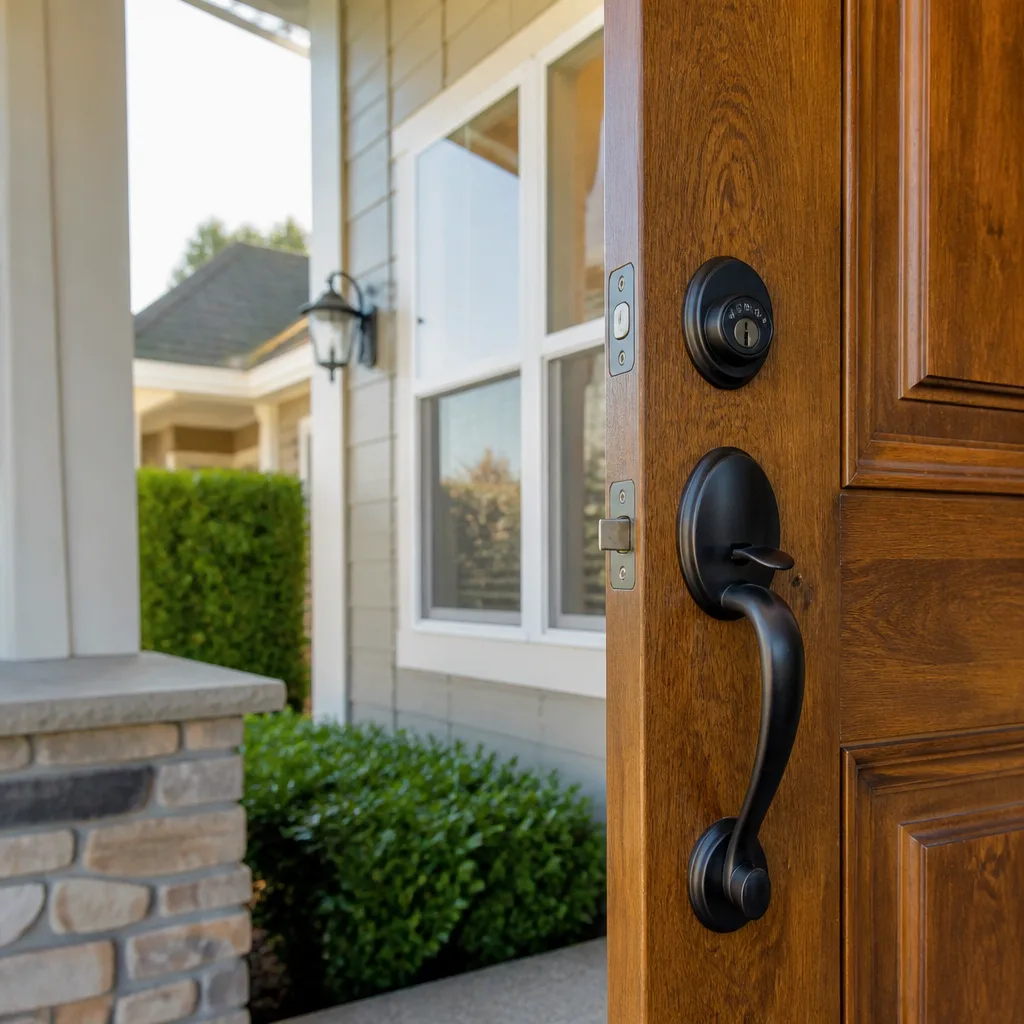
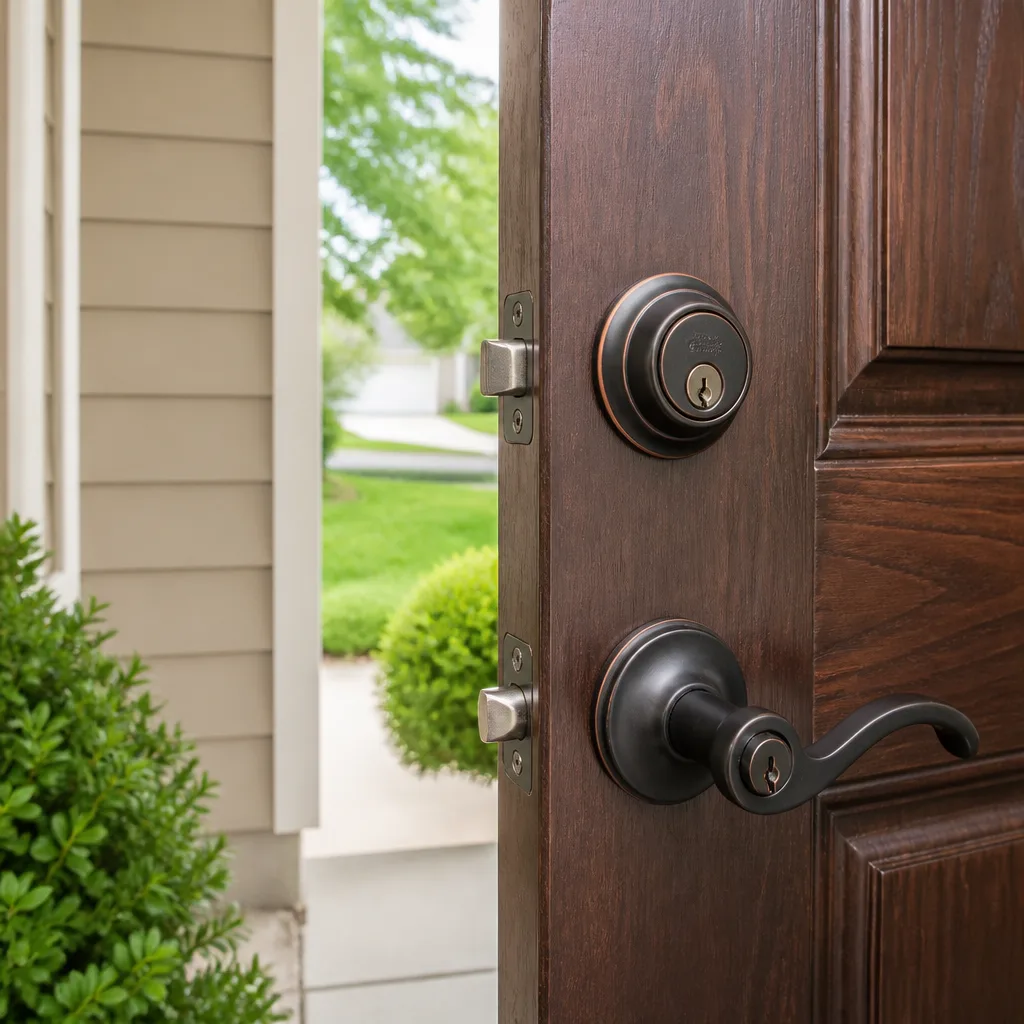
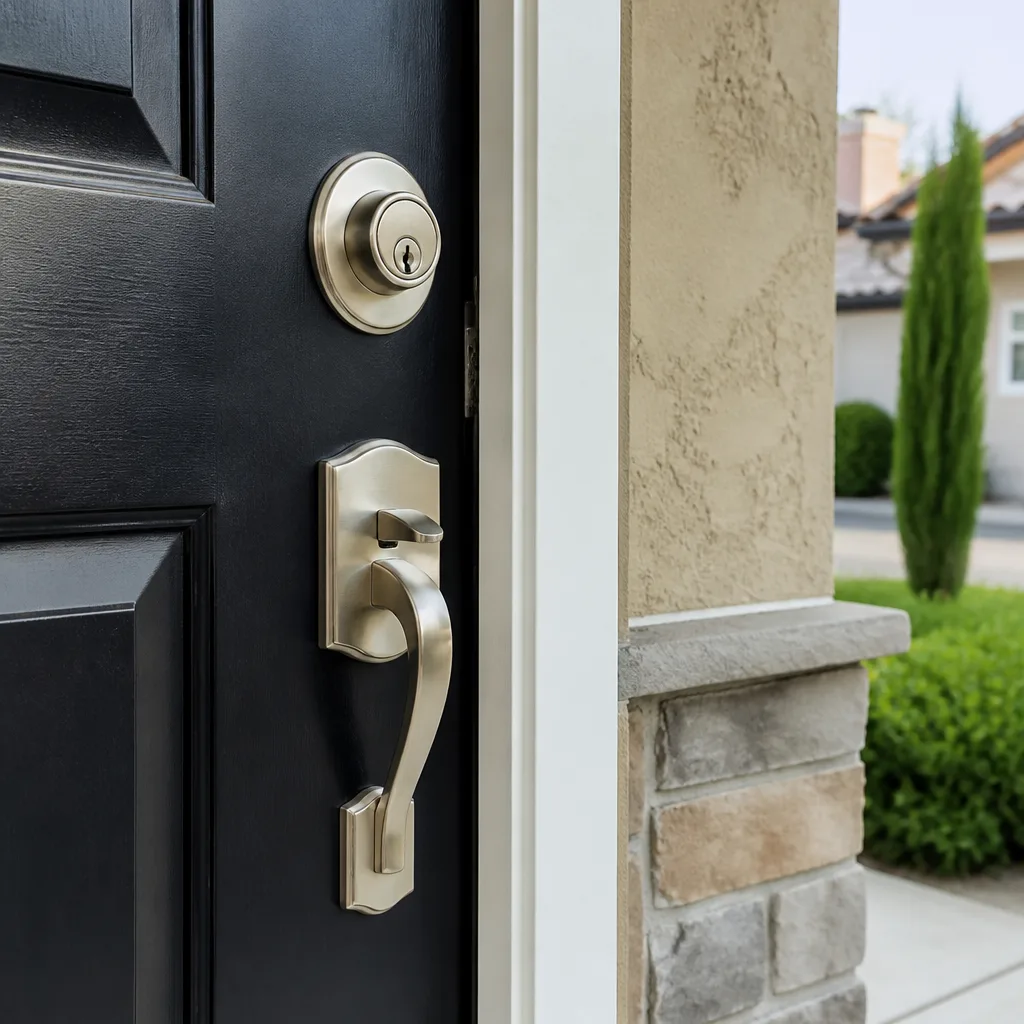
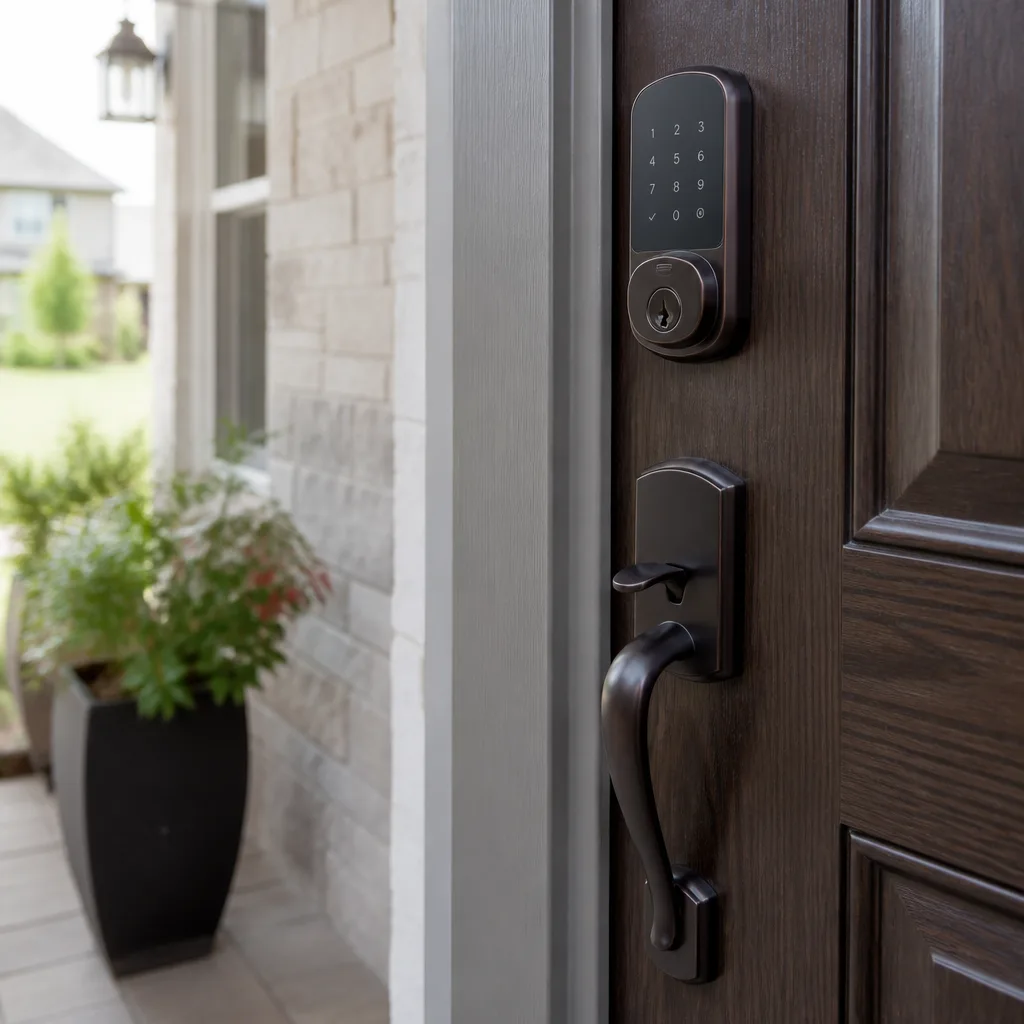
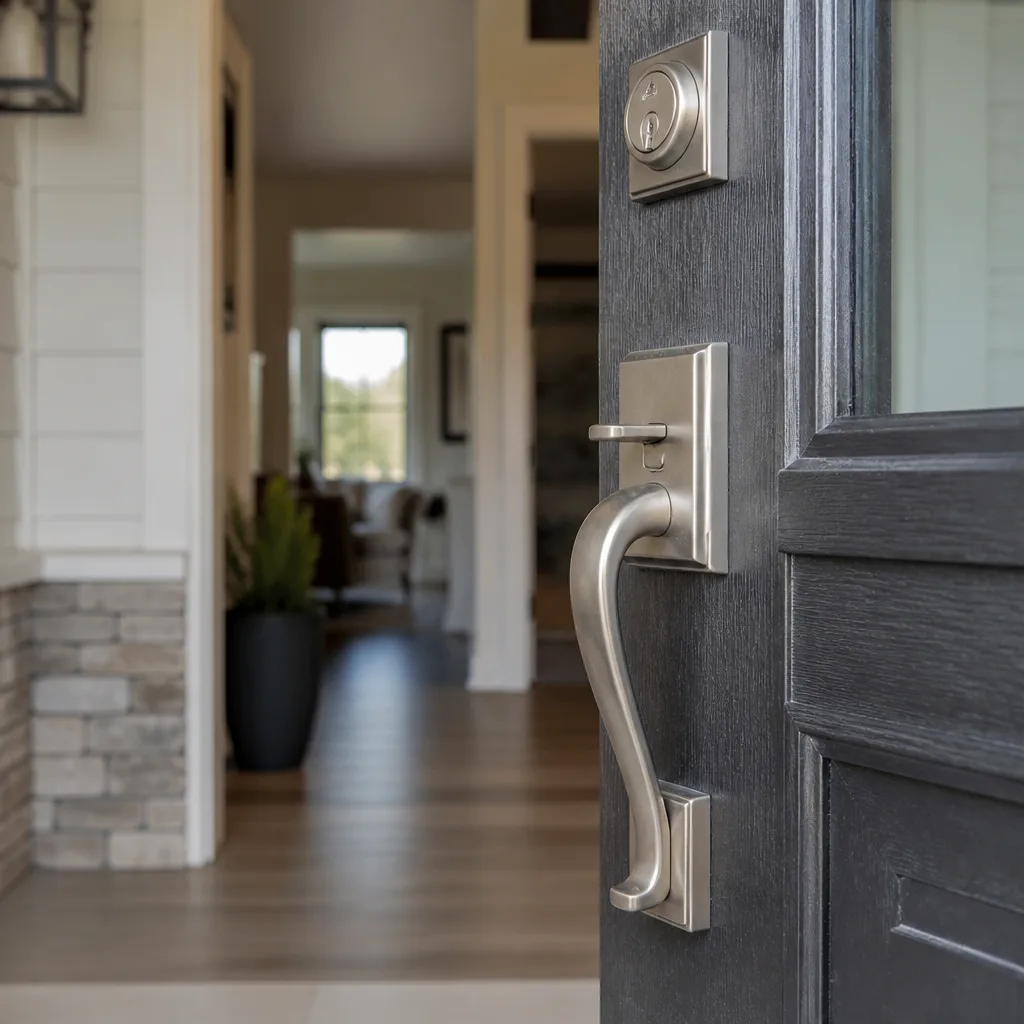
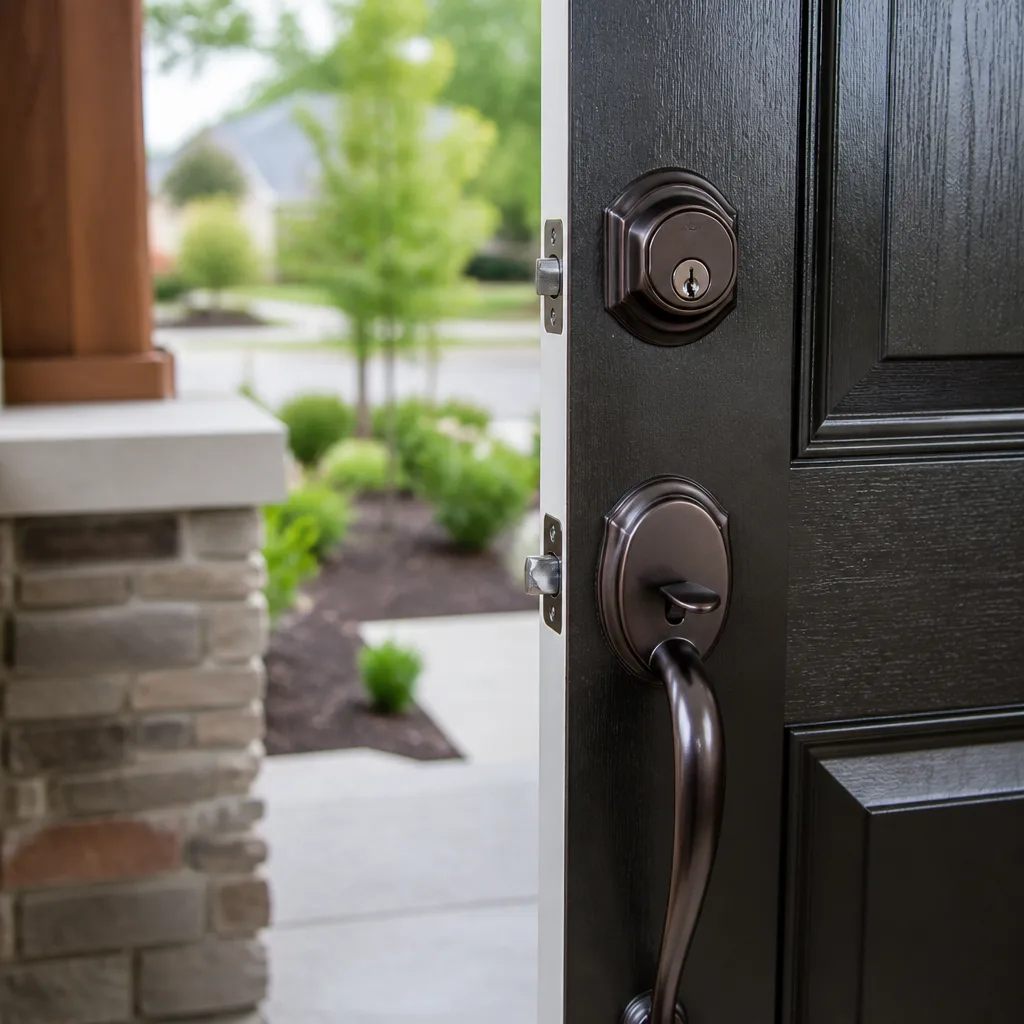
Residential Locksmith Troubleshooting: Common Problems and How to Fix Them
Here’s something most Los Angeles homeowners never learn until it’s too late: the single most common reason locksmiths get called for “broken locks” isn’t a broken lock at all. It’s a misaligned strike plate, the small metal plate screwed into the door frame that the bolt slides into. When that plate drifts a fraction of an inch, the deadbolt catches, the key feels stiff, and the whole lock seems finished. The fix usually costs under $15 and takes fifteen minutes, but only if you know that’s what you’re looking at. This guide teaches you to read what your lock is telling you, so you don’t spend $400 on an emergency call for a $15 adjustment, and you don’t ignore a $40 repair until it becomes a $400 emergency.
Quick Answer
Most residential lock problems fall into five categories: misaligned strike plates, worn or dry cylinders, loose hardware, broken internal components (cams, tailpieces, springs), and weather-related expansion and contraction. Start by identifying the exact symptom, then match it to the likely cause. About 70% of “broken lock” service calls in Los Angeles turn out to be alignment or lubrication issues that a homeowner can diagnose, and about half of those can be safely handled without a locksmith.
Table of Contents
- Symptom-to-Cause Diagnostic Chart: What Your Lock Is Actually Saying
- Why Los Angeles Weather Makes Locks Act Up
- Worn Cylinder vs. Worn Cam or Tailpiece: The Test That Tells You Which
- Why WD-40 Is the Worst Thing You Can Spray in a Lock (and What to Use Instead)
- Three Warning Noises That Mean Stop Using the Lock Immediately
- Five DIY Fixes That Are Actually Safe (and Three That Aren’t)
- Rekey or Replace: How to Decide Without Overpaying
- Common Mistakes to Avoid
- When to Call a Professional
- Frequently Asked Questions
- The Bottom Line
Symptom-to-Cause Diagnostic Chart: What Your Lock Is Actually Saying
Locks don’t fail silently. They send signals weeks or months before they quit entirely. The problem is that most people don’t speak the language. Here’s a plain-English translation table for residential lock problems. In our experience across Los Angeles neighborhoods, from West Adams to Studio City, the same five symptoms account for nearly every call we make.
- Key won’t turn at all. Likely causes: wrong key, foreign object in the keyway, seized cylinder pins, or extreme temperature contraction. This often happens suddenly and usually isn’t a sign the lock is “dead” – it’s a sign the key and cylinder aren’t communicating.
- Key turns, but the door won’t open. The cylinder and key are fine. The problem is downstream: a broken cam, a disconnected tailpiece, or a latch that’s stuck in the strike plate. This is a mechanical failure inside the lock body, not the keyed part.
- Key turns hard or you have to jiggle it. Dirt and metal dust have accumulated inside the cylinder, or the pins are wearing down. In Los Angeles, fine dust and grit from Santa Ana winds make this the most common complaint we hear in the fall.
- Lock works, but everything feels loose. The handle wobbles, the cylinder spins slightly, or the whole assembly shifts when you pull. This is almost always loose screws or worn mounting hardware, and it’s the easiest thing to catch early.
- Deadbolt extends and retracts, but with effort. Classic misalignment. The bolt is scraping the side of the strike plate instead of sliding through. This wears down the bolt over time and eventually makes the lock feel broken when it isn’t.
- Key goes in fine, but the lock “grabs” when you lock or unlock. Internal springs are weakening, or the cylinder is worn enough that the plug is tilting under key pressure. This one gets worse slowly, which is why people ignore it until the key won’t come out.
One more thing about this chart: the specific symptom matters more than the “feel” of the lock. A lock that feels stiff when locking but smooth when unlocking is a different problem than a lock that’s stiff both ways. Write down exactly when the problem happens, and what the key does at each step. That detail alone will save you from replacing a lock that only needed a strike plate adjustment.
Why Los Angeles Weather Makes Locks Act Up
Los Angeles isn’t usually thought of as a harsh climate for hardware, but it has a sneaky weather pattern that’s brutal on door locks-something we cover in depth in our guide to Seasonal Locksmith Care for Los Angeles: Year-Round Homeowner’s Guide: sharp temperature swings within a single 24-hour period, especially in June and July when the marine layer rolls in overnight and burns off by late morning. In neighborhoods within a few miles of the coast, like Mar Vista or Culver City, a wood door frame can absorb enough overnight moisture to swell slightly, then dry and contract by noon. In the Valley, where August afternoons hit the high 90s and nights stay warm, the expansion cycle is different but the result is the same: door frames move, and locks that were perfectly installed in March start binding in July.
What does this have to do with a lock problem? A deadbolt has a bolt that’s maybe 1 inch long and a strike plate opening that’s only slightly larger. The door doesn’t need to shift much, a sixteenth of an inch will do it, before the bolt starts scraping the plate. When the bolt scrapes, the key doesn’t glide. When the key doesn’t glide, the homeowner assumes the lock is failing. Here’s the thing: the lock hasn’t changed. The frame around it has.
The practical test is simple. Unlock the door and leave it open about an inch so the bolt extends freely into the air. Operate the lock with the key. If it’s smooth with the door open but stiff when the door is closed, you have an alignment problem caused by frame movement, not a lock problem. If it’s stiff with the door open too, the issue is inside the lock itself. This one test separates frame issues from lock issues, and knowing the difference changes what you do next entirely. Homeowners who skip this test often replace a perfectly good Schlage deadbolt when all they needed was a strike plate moved two millimeters. Our Door Lock Repair in Los Angeles page covers what a real internal lock failure looks like versus a frame problem, if you want to go deeper on that distinction.
Worn Cylinder vs. Worn Cam or Tailpiece: The Test That Tells You Which
Inside every keyed lock are two separate zones. The first is the cylinder: the part you put the key into, with the pins and springs and all the precision engineering. The second is the mechanical connection behind it: the cam or tailpiece that the cylinder turns, which then operates the latch or deadbolt. When a lock starts feeling sluggish, the failure is usually in one zone or the other, and they’re treated very differently. A worn cylinder on a standard Kwikset or Schlage knob lock is often replaceable in about twenty minutes with a screwdriver and a new cylinder from a hardware store. A worn cam or tailpiece usually requires disassembling the lock body, and that’s where homeowners with good intentions accidentally void their warranty or damage the internal springs.
Here’s the test. Remove the lock from the door if you’re comfortable doing so (two screws on the inside face, usually). Hold the cylinder in one hand and insert the key. Turn the key and watch the cam or tailpiece at the back of the cylinder. Here’s what you’re looking for:
- Key turns easily, but the cam or tailpiece slips or doesn’t turn all the way. The cylinder itself is fine. The failure is in the connecting hardware, a worn cam, a stripped tailpiece, or a loose clip. This is the one to call a locksmith about unless you have experience taking lock bodies apart.
- Key feels gritty or binds inside the cylinder, but the cam turns fully and smoothly when the key does move. The cylinder is worn or dirty. Buying a replacement cylinder and swapping it is a realistic DIY project for most homeowners.
- Both feel fine on the bench, but the lock was stiff on the door. Then the problem was never the lock at all. It’s the strike plate, the door alignment, or the frame shifting with the weather. Reinstall it, adjust the plate, and the problem disappears.
One caution: Medeco and other high-security cylinders are a different species. They use angled cuts and side pins that don’t behave like standard cylinders when worn. If you have high-security hardware and the key feels wrong, don’t assume a hardware store cylinder will swap in. It won’t, and forcing it can ruin the lock. That’s a job for someone who works with that specific brand.
Why WD-40 Is the Worst Thing You Can Spray in a Lock (and What to Use Instead)
Somewhere along the way, WD-40 became the default answer for every sticky lock. It makes sense: it’s in every garage, it sprays a fine stream, and for about two days the lock feels noticeably better. But WD-40 is a penetrating oil and water displacer, not a lubricant. What it does inside a lock cylinder is wash out whatever real lubricant was there, then evaporate, leaving behind a thin residue that actually attracts dust and dirt. In Los Angeles, where fine grit blows in off the dry hills and the fabled Santa Ana winds coat everything in a layer of particulate, a lock treated with WD-40 in September will be jammed with gritty sludge by Thanksgiving. We’ve watched it happen hundreds of times.
The right choice for a residential pin-tumbler lock is graphite powder or a Teflon-based lock lubricant. Graphite is the classic choice: it’s dry, it doesn’t attract dust, and it works beautifully in new or lightly worn cylinders. The application matters, which is where most people go wrong. You don’t spray half the tube into the keyhole until it overflows. A one-second puff of graphite from a tube is plenty, with two or three more applications worked in by inserting and removing the key between puffs. That’s all.
Teflon-based lubricants, sold in aerosol cans specifically for locks, work well too and are easier to apply cleanly. Avoid anything oil-based or penetrating, which means WD-40, household oil, and that can of silicone spray under the sink. If you’ve already used WD-40 and the lock is gummed up, the fix is a cleaning with a non-residue solvent, followed by proper graphite or Teflon lubricant. And if the key comes out with black grit on it after you lubricate, the cylinder is telling you it has years of accumulated wear inside, and lubrication is a band-aid, not a repair.
For a deeper write-up on when lubrication fixes the problem versus when the cylinder needs actual repair, see our guide to Residential Locksmith in Los Angeles, which walks through the most common service calls we handle and what they should cost.
Three Warning Noises That Mean Stop Using the Lock Immediately
Locks make small sounds even when healthy: a click when the latch retracts, a soft clunk when the deadbolt seats home. Those are fine. But there are three specific noises that mean something is actively breaking inside the lock, and continuing to use it will make the repair worse, and the eventual extraction more expensive. If you hear any of these, stop using the lock and call a professional before the cylinder seizes with your key inside.
1. A metal-on-metal grinding sound when the key turns. That’s not normal pin movement. That’s a broken spring, a displaced pin, or a piece of a worn key that snapped off inside the cylinder and is now being dragged through the pin chambers. Every turn grinds the fragment deeper and scores the cylinder walls. The repair goes from a simple rekey (around $90 to $160 in Los Angeles) to a full cylinder replacement or lock extraction, which is a different job entirely.
2. A loud snap or crack, followed by the key spinning freely without resistance. Something just broke, almost always the cam, the tailpiece, or the connecting clip between the cylinder and the latch mechanism. The key still turns, which gives a false sense that the lock works, but the door isn’t actually locking or unlocking properly. Continuing to turn the key will chew up whatever is left of the connection.
3. A series of rapid clicks or a “slipping” sound when the deadbolt is halfway extended. This is the bolt gear teeth stripping against the thumb-turn or the cylinder driver. Deadbolt mechanisms use small brass gears, and once they start stripping, the damage accelerates with every operation. The next step is usually a deadbolt that’s half-thrown and won’t retract at all, which locks someone inside or outside the house until the lock is drilled.
All three sounds share the same emergency protocol: stop turning the key, remove it if it comes out easily (don’t force it), and call someone who can disassemble the lock before it seizes. At Dunmore Locksmith, we answer the phone 24 hours a day, so when someone calls us at 2 a.m. from Silver Lake with a deadbolt that’s clattering mid-throw, we tell them the same thing: pull the key, leave the door as it is, and wait for the technician. The last thing you want is a lock that seizes with the key trapped inside and the door either locked or unlocked at random.
Five DIY Fixes That Are Actually Safe (and Three That Aren’t)
Plenty of lock problems are genuinely manageable at home if you know which ones they are. The dividing line isn’t skill, it’s risk: there are fixes where a mistake costs you a $15 part, and fixes where a mistake means a locksmith has to drill out your lock at 11 p.m. Here’s the honest list.
Safe DIY fixes
- Adjusting a misaligned strike plate. Remove the two screws holding the plate to the frame, fill the old screw holes with a wooden matchstick or a sliver of a toothpick coated in wood glue, let it set for an hour, and reinstall the plate in the position that lets the bolt glide through without contact. This fixes a huge share of stiff deadbolts and costs nothing but time.
- Tightening loose handle sets and cylinders. If a knob or lever wobbles, look for set screws on the interior side. A hex key (usually 1/16-inch or 5/64-inch) tightens them in seconds. Stripped screw holes behind the mounting plate are also fixable with the toothpick technique above.
- Lubricating a sticky cylinder with graphite powder. As described in the section above, a light application of graphite can bring a sluggish cylinder back to life. Just don’t overdo it and know that if the key still feels gritty after lubrication, the cylinder is worn, not dirty.
- Replacing a standard pin-tumbler cylinder in a Kwikset or Schlage knob. This is a screwdriver-level job on most standard residential knobs. The cylinder is held in place by two machine screws accessible from the interior side plate. Swap it, transfer the tailpiece, and reinstall. If you’ve never done it before, watch the tailpiece position carefully as you remove the old one and duplicate it exactly.
- Clearing a keyway blocked by visible debris. If a child shoved a twig or a wad of paper into the keyhole, you can sometimes extract it with a thin, stiff wire or a bent paperclip. If you can’t clearly see and reach the object, stop there and call someone. Digging blind is how objects get pushed deeper into a cylinder.
Not safe for DIY
- Drilling out a lock. This is the nuclear option and it’s almost never necessary except when a lock has already seized. A professional drilling a cylinder is a controlled process. A homeowner with a cordless drill slanted through a deadbolt is a very expensive frame repair waiting to happen.
- Forcing a key that won’t turn. The instinct to apply more arm strength is exactly wrong. Keys break inside cylinders this way, and a snapped-off key blade stuck in the keyway is a much bigger problem than the one that started it. If the key won’t turn with normal pressure, the thread stripping problem is already happening. Stop.
- Disassembling a deadbolt body to replace internal gears or springs. Deadbolts are full of small loaded springs and tiny brass parts that launch themselves across the room the moment the housing separates. Reassembly is not intuitive, and many brands intentionally make the internals non-serviceable. This is a job for a locksmith with a bench and spare parts.
Rekey or Replace: How to Decide Without Overpaying
When a lock is giving you trouble, the first question every homeowner asks is whether to fix it, rekey it, or replace it entirely. The answer depends on two things: what’s actually wrong, and what condition the locking hardware is in apart from the current problem. Here’s the honest math on cost and value in Los Angeles.
Rekeying means replacing the internal pins inside the cylinder so the old key no longer operates the lock. It costs roughly $75 to $150 for a standard residential lock in the Los Angeles area, including the service call, and it makes sense when the lock functions fine but you’ve lost a key, moved into a new place, or want to consolidate multiple locks onto a single key. It’s exactly what it sounds like: the mechanical parts stay, the “password” changes.
Replacing means swapping the entire lock body and cylinder for new hardware. A standard Kwikset or Schlage deadbolt and knob set runs $40 to $90 at a hardware store, plus installation if you’re not doing it yourself. A locksmith replacement with parts included typically runs $150 to $250 per lock in Los Angeles for standard hardware, and more for Yale or Medeco high-security lines. Replace when the lock is physically worn, the finish is corroded, the internal components have been damaged, or you want a higher-security cylinder than you currently have.
Here’s the shortcut: if the lock works smoothly and your concern is just who has a key, rekey. If the lock binds, grinds, misfires, or has loose, wobbling components, replace. Don’t rekey a failing lock. The new pins will work for a few weeks and then the same mechanical problems will come back, and you’ll have paid for a service call that didn’t fix the root cause. If you’re in a position where you’ve just moved and you want both security and smooth operation, see our guide to Change Door Locks in Los Angeles, which covers the full decision tree in more detail.
Common Mistakes to Avoid
After 18 years of watching Los Angeles homeowners interact with their door locks, we’ve catalogued a reliable list of recurring mistakes. Here are the ones that cost people the most money and the most anxiety.
- Ignoring a new noise because the lock still works. Locks develop noise before they develop failure, and the gap between the first grind and a full seizure is often days, not months. The moment a lock makes a sound it never made before, treat it as a maintenance item, not a curiosity.
- Lubricating with WD-40 on a hot day. We covered this in detail above. The short version: WD-40 attracts grit, especially in dry Los Angeles conditions, and turns a manageable lubrication job into a full cleaning and rekey.
- Replacing the lock when the frame is the problem. We see it constantly: a homeowner buys a new Schlage deadbolt, installs it, and the stiff operation continues because the strike plate was misaligned the whole time. The new lock makes it worse because fresh parts are tighter. Diagnose before you shop.
- Forcing a resisting key until the lock “breaks in.” Locks don’t break in. They break. If a new key needs force, the key cuts are wrong or the cylinder was improperly rekeyed. Get it corrected before the key snaps.
- Using the same key for a decade without ever having the cylinder cleaned. Fine dust and metal shavings accumulate inside keyways in any city, but especially in dry, dusty climates like Los Angeles. A ten-minute cleaning and lubrication session once a year extends the life of a standard cylinder dramatically. It’s the lock equivalent of changing your car’s oil.
- Dismissing a wobbling handle as “just cosmetic.” Loose mounting hardware is stress being transmitted to the latch and cylinder every time the door is used. That stress wears internal parts faster and is the easiest thing to fix before it becomes a real problem.
When to Call a Professional
Some situations call for a phone call rather than a screwdriver. If a key is broken off inside the cylinder, if the lock has seized entirely, if a deadbolt is stuck half-thrown, or if you’ve heard any of the three warning noises described above, don’t compound the problem by attempting a fix. These are extraction and disassembly jobs where the right tools and existing knowledge make a material difference in whether the lock itself survives. If a key turns and the door won’t open, that’s a cam or tailpiece failure, which is also professional territory. The same goes for any high-security hardware, Medeco, Abloy, Mul-T-Lock, and the like, which uses angled cuts and side pins that don’t behave like standard cylinders. Dunmore Locksmith offers free estimates in Los Angeles; call (910) 714-4287, and a live person answers, any hour, any day.
Frequently Asked Questions
Standard lock repair in Los Angeles typically runs between $85 and $250 depending on whether the job is a simple cylinder swap, a rekey, a strike plate adjustment, or a full deadbolt replacement. The price varies with hardware type and the condition of the existing lock. Call (910) 714-4287 for a specific number for your lock before anyone is dispatched; it’s the same number that appears on the invoice.
Yes. When you call Dunmore Locksmith, you receive a written price before any work begins, and that’s the price on the invoice. There are no call-out surcharges added on arrival and no after-the-fact adjustments. If the technician finds a second problem inside the lock, you’ll be told the cost before the additional work is done, and you approve it or decline it. The quote you get on the phone is the commitment, not an estimate.
Response times vary across Los Angeles depending on traffic and your neighborhood, but Dunmore Locksmith answers the phone live 24 hours a day and dispatches technicians across the city. Same-day service is standard for most non-emergency residential calls, and lockout emergencies are treated with the urgency they deserve. Call (910) 714-4287 and you’ll get a real answer about when a technician can reach you, no automated hold, no chatbot.
Rekeying is sufficient if the existing locks are in good working condition, and it costs less than replacing. Replacing makes sense if the hardware is worn, corroded, or you want higher-security cylinders. Neither one is inherently “the right answer”; the condition of the locks determines the decision. Our change door locks page walks through the trade-offs in detail.
Some causes of a stiff deadbolt are fixable with nothing more than a screwdriver and a little patience, particularly a strike plate that’s drifted out of alignment. If the bolt slides smoothly when the door is open but binds when it’s closed, the problem is the plate, not the lock. If it binds with the door open too, the lock itself is the issue and needs either lubrication or professional attention.
Ask for identification before opening the door, and verify it through the company. At Dunmore Locksmith, every technician is background-checked and identity-verified, and you receive the technician’s name and photo before the visit. When the doorbell rings, the person on your porch should match the information you were sent. If anyone arrives without being announced in advance, the visit is covered at no charge. This is the uniform Threshold Standard.
The Bottom Line
Your lock is a mechanism, not a mystery. It makes noise when it’s wearing, it binds when it’s misaligned, and it grits up when it’s dirty. Learning to recognize the difference between a strike plate problem and a cylinder failure, between a rekey and a replacement, and between a thirty-second graphite application and a genuine emergency, is the single best defense against expensive locksmith bills. For more guides & resources like this one, and against the stress of being locked out at the worst possible moment. Most common residential lock issues in Los Angeles can be diagnosed in minutes by anyone willing to watch, listen, and ask the right questions. When the problem goes beyond diagnosis, make the call: (910) 714-4287. Free estimates, written prices, and a live person every time.
Written by Perry Osgood, Owner at Dunmore Locksmith, serving Los Angeles since 2007.