
Last updated October 8, 2026
Non-destructive entry first, always - and we re-key Schlage, Kwikset, and Baldwin locks on the spot while you watch
You get a price before we start. It does not change when we arrive. No surprises.
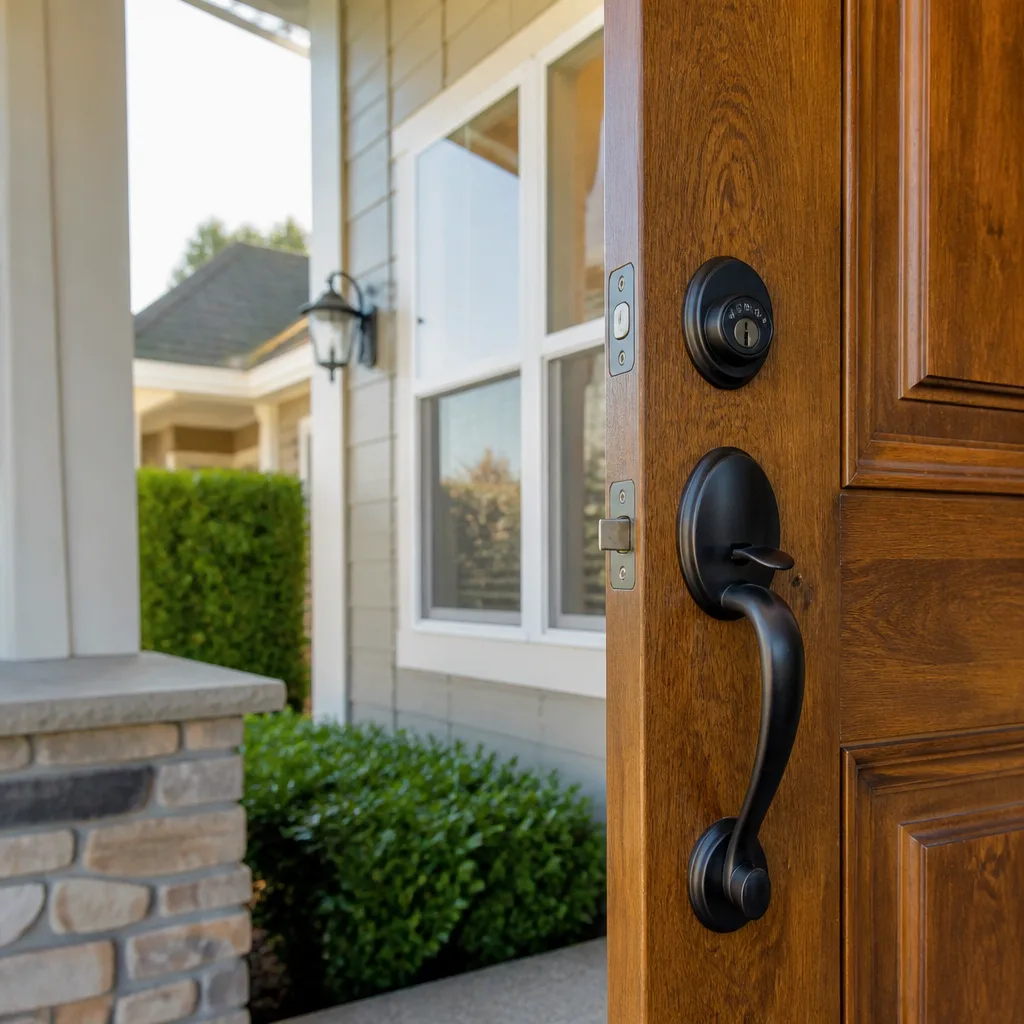
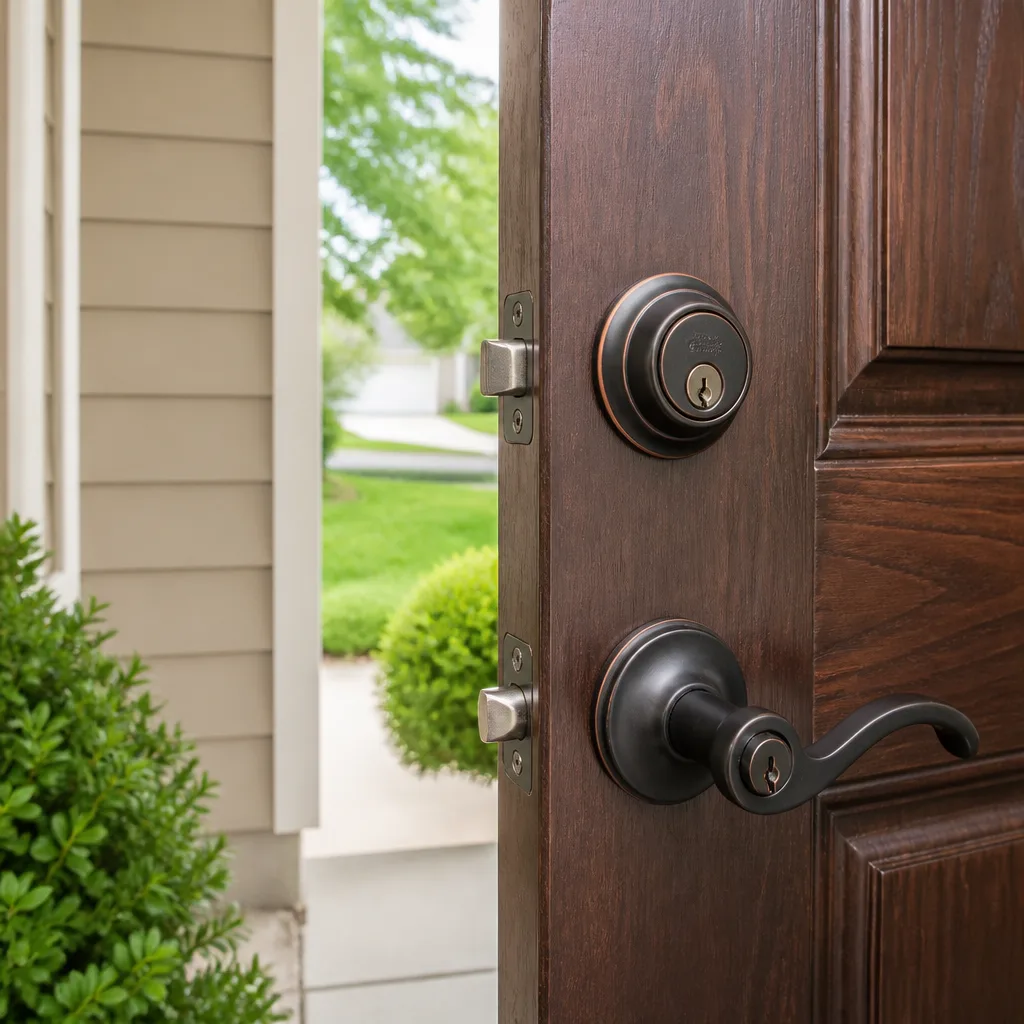
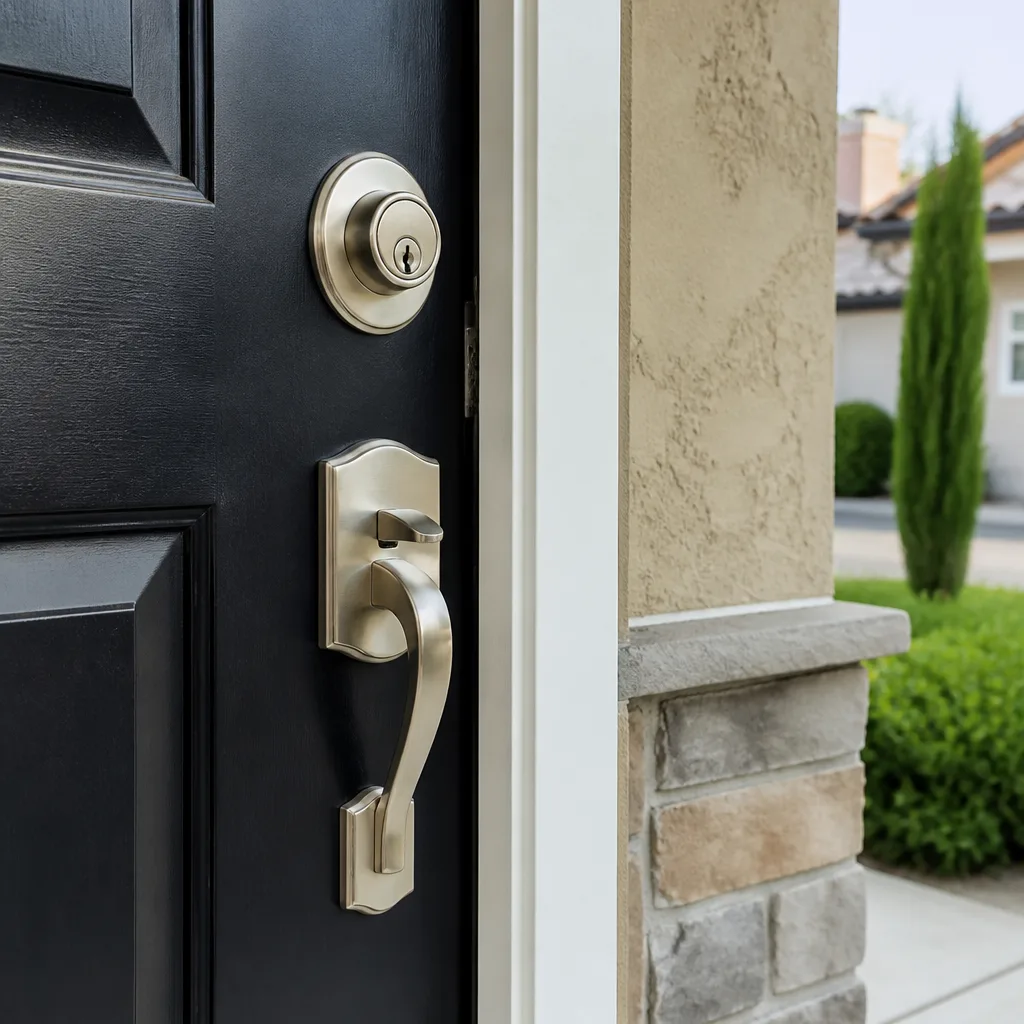
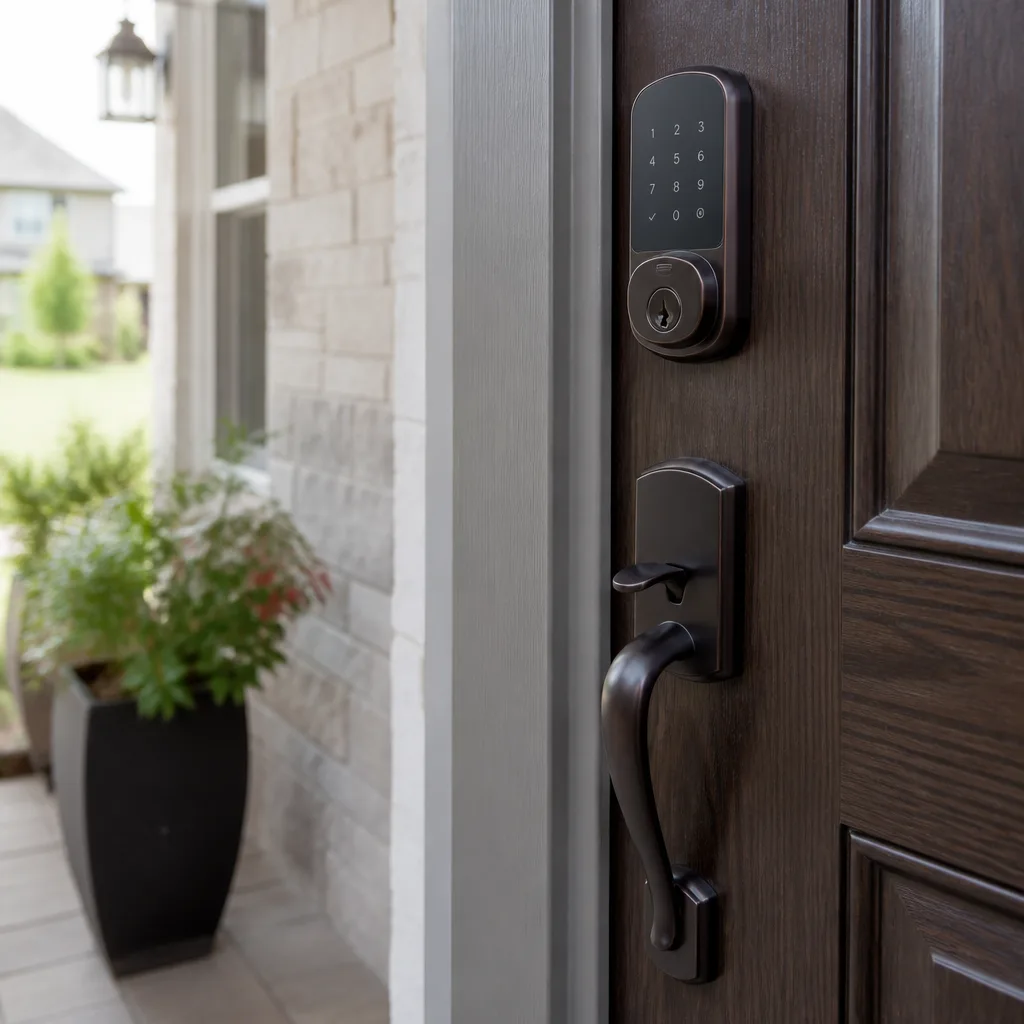
The Complete Residential Locksmith Guide for Los Angeles Homeowners
Los Angeles logged more than 18,000 residential burglaries in 2023, but the most common reason a locksmith gets called in this city isn’t a break-in. It’s a lockout that costs triple what it should because the homeowner had no idea what fair pricing looked like and had to make a panicked decision from a search results page. This guide changes that math. By the time you finish reading, you’ll know how to vet a locksmith before they arrive, what Los Angeles-specific code requirements affect your door hardware, what written pricing actually means, and how your neighborhood should shape every lock decision you make. You’ll stop being someone who survives a locksmith emergency and become someone who never has one in the first place. That’s the difference between being protected and being exploited in a city where Dunmore Locksmith home has watched too many homeowners learn these lessons the expensive way.
Quick Answer
A residential locksmith in Los Angeles handles five core jobs: lockouts, rekeying, lock replacement, door lock repair, and hardware upgrades like deadbolts or high-security cylinders. In Los Angeles specifically, you should expect a written price before any work starts, a technician who arrives with photo ID and a name you were told in advance, and work guaranteed in writing for at least a year. The California BSIS license check takes 60 seconds online and is the single most important thing you can do before anyone touches your lock. For a standard rekey in Los Angeles, expect to pay $85 to $180 depending on cylinder type and lock count; for a full deadbolt replacement, $150 to $320 installed.
Table of Contents
- How to Verify a Los Angeles Locksmith’s BSIS License Before They Arrive
- What a Written Price Commitment Actually Looks Like in Los Angeles
- Los Angeles-Specific Lock Requirements: Wildfire Routes, Code, and Climate
- How LA Neighborhood Profiles Should Shape Your Lock Grade Selection
- Rekeying vs. Replacing: What Los Angeles Homeowners Actually Need
- The Three Phone Calls Every LA Homeowner Should Make Before an Emergency
- What Residential Locksmith Work Costs in Los Angeles: Real Ranges
- Why Dunmore Locksmith Operates the Way We Do
How to Verify a Los Angeles Locksmith’s BSIS License Before They Arrive
In California, every locksmith business and every locksmith technician performing work on your door must be licensed by the Bureau of Security and Investigative Services, a division of the state’s Department of Consumer Affairs. A BSIS license is not a suggestion, and no legitimate Los Angeles locksmith operates without one. The license number starts with LCO for companies, and individual technicians carry photo ID permits issued by the same bureau. Every locksmith who touches your door should be prepared to show both the company license number and their personal BSIS photo permit card before any work begins.
Here’s the step you cannot skip. When you call a Los Angeles locksmith, ask for their BSIS company license number. Hang up, go to the BSIS license verification page on the Department of Consumer Affairs website, type the number in, and confirm the name on the license matches the company you called. This takes less than 60 seconds. If they won’t give you the number, or the name doesn’t match, end the call. You have just avoided what is statistically the most common locksmith scam in this country, which is an unlicensed operator using a generic-sounding business name and outranking real local shops on search results and paid ads.
Why does this matter so much for a Los Angeles homeowner specifically? Because your homeowner’s insurance claim after a burglary can be denied if the door locks were last serviced or installed by an unlicensed locksmith. Insurance adjusters ask for repair and installation records. If the receipt shows no BSIS license number, or the company cannot be verified with the state, your claim for forced-entry damage and stolen property is compromised. This is not a technicality. This is a documented reason claims in Los Angeles get reduced or rejected outright. Residential Locksmith in Los Angeles work done by a licensed, verifiable operator protects the value of your insurance policy, not just the security of your door.
Every Dunmore Locksmith technician carries a BSIS photo ID badge and shows it at the door before any work begins. We also send you the technician’s name and photo before the visit, so you know exactly who to expect. If someone arrives who you weren’t told to expect, that visit is covered at no charge. This is part of what we call the Threshold Standard, and it’s not a marketing phrase. It’s how every job works, every time, no exceptions.
What a Written Price Commitment Actually Looks Like in Los Angeles
The single biggest complaint about locksmiths in Los Angeles isn’t poor workmanship. It’s the bait-and-switch where a phone quote becomes triple the price once the technician is standing in your living room. And it works because the homeowner feels stuck: the lock is already disassembled, the technician is already there, and the family is already waiting outside. The only defense is understanding what a written price commitment actually protects you from, before the technician arrives at all.
A verbal quote is not a quote. In this trade, a verbal quote often means the person on the phone gave a low number to get you to agree to the service call, knowing the technician will “discover” a bigger problem on site. A written price commitment means the full price for the job, including labor, hardware, and any additional drilling or modification that might be needed, is sent to you in writing before any work begins. It’s the price that goes on the invoice. And it’s the price you agreed to when you had full power to say no.
Here’s the exact language that protects you. When you call a Los Angeles locksmith, say this: “I need the total price in writing before you start, and I need you to confirm that written price is the final price on the invoice.” A legitimate locksmith will say yes without hesitation, because that’s how they already operate. A locksmith who hedges, or tells you the price “depends on what we find when we open it up,” is telling you something important: their pricing model relies on surprising you. Hang up and call a better shop.
At Dunmore Locksmith, this is non-negotiable. The price goes in writing before any work starts, every single time. There is no call-out surcharge added on arrival. There is no “difficulty fee” invented at the door. There is no after-the-fact total. What we quote is what you pay, and what you pay is what appears on the invoice. We do this because we know that in Los Angeles specifically, this is the most common source of locksmith fraud, and the only way to be the company that stands against it is to refuse to play the game at all.
Los Angeles-Specific Lock Requirements: Wildfire Routes, Code, and Climate
Los Angeles is not a generic market. It’s a city with specific wildfire evacuation geography, a particular housing mix, and a climate that does strange things to door hardware. All of it affects what kind of locks belong on your doors, and almost none of it appears in generic locksmith guides or in more guides & resources written for other markets.
Wildfire Evacuation and Single-Motion Egress
This is the least understood lock requirement in Los Angeles. In wildfire-prone zones, which include large portions of the Santa Monica Mountains, the hills above Glendale and Burbank, and many foothill communities, building codes and fire marshal requirements often mandate that all exterior doors be openable from inside without a key. This means a deadbolt with an interior thumb turn, never a double-cylinder deadbolt that requires a key on both sides. A double-cylinder deadbolt is sometimes installed for extra security by homeowners worried about someone breaking glass and reaching through to turn the thumb-latch. But in a fire evacuation, when smoke is filling the house and every second matters, fumbling for a key on the inside of a locked deadbolt is the difference between making it out and not. If you live in a brush-zone or hillside Los Angeles neighborhood, your deadbolt must have an interior thumb turn that opens it in a single motion. No exceptions. If you’re in the flatlands and still have a double-cylinder deadbolt, understand the risk you’re accepting and talk to a licensed locksmith about compliant alternatives.
Salt Air, Sun, and Door Hardware Near the Coast
Los Angeles stretches from the coast to the desert foothills, and the climate variation across that distance affects lock longevity in real ways. In beach communities like Venice, Marina del Rey, Playa del Rey, and San Pedro, marine air accelerates corrosion on exposed metal components. Standard Kwikset or Schlage hardware that lasts 20 years in North Hollywood can start binding and failing in 8 to 10 years near the water. If you live within two miles of the coast, look for door hardware with corrosion-resistant finishes, which usually means stainless steel or marine-grade materials. Don’t buy the cheapest big-box lock and expect it to survive. In our experience serving coastal Los Angeles since 2007, the most common Door Lock Repair in Los Angeles calls from beach neighborhoods involve rusted tailpieces and corroded cylinder pins that could have been avoided with the right finish grade at installation.
Older Housing Stock and Non-Standard Doors
Los Angeles has one of the country’s most varied housing stocks, and that means non-standard door prep. Spanish Revival homes from the 1920s and 1930s in neighborhoods like Hancock Park, Silver Lake, and Los Feliz often have original solid-core doors with mortise locksets, not modern cylindrical bored locks. That’s not a problem, but it is a compatibility issue. A standard Schlage or Kwikset deadbolt won’t fit a door prepared for an old Baldwin or Sargent mortise lock without additional routing work. If you live in an older Los Angeles home, your locksmith needs to know how to work with mortise cases, not just drill-and-install modern cylinders-something we cover in our guide on DIY vs Professional Change Door Locks: What’s Safe to Do Yourself. This is the kind of specific knowledge that separates a real local shop from a call-center operation that dispatches whichever technician happens to be closest.
How LA Neighborhood Profiles Should Shape Your Lock Grade Selection
Los Angeles doesn’t have one crime profile. It has hundreds. A lock grade that makes sense for a Hollywood Hills hillside house with long private driveways is not the same lock grade that makes sense for a street-facing Koreatown apartment with heavy foot traffic. And a South LA bungalow with security bars already installed has different vulnerabilities than a Woodland Hills ranch with sliding glass doors. Your lock grade should follow your actual risk profile, not a national average.
Grade 1 vs. Grade 2 vs. Grade 3: The Real Difference
Locks are tested and rated by ANSI/BHMA standards. A Grade 1 lock is the highest residential and light-commercial grade, designed to withstand the most force and the most cycles. A Grade 2 lock is a mid-range residential grade, typically used on the main entry doors of single-family homes. A Grade 3 is a basic builder-grade lock, fine for interior doors and low-traffic exterior applications. For most Los Angeles homeowners, a Grade 2 deadbolt on exterior doors is the baseline, with Grade 1 recommended on doors that are hidden from street view, side doors, garage entry doors, and any door that backs onto an alley. Alley-facing doors are a particular concern in dense LA neighborhoods like Koreatown and Westlake, where refuse collection and utility access create semi-private routes that see far less natural neighbor surveillance.
Koreatown, Westlake, and Dense Central LA
In high-density neighborhoods with multi-unit buildings, the main vulnerabilities aren’t the front doors but the rear and side access doors, the garage entries, and the mail room doors-risks that differ significantly from commercial properties, as we explain in DIY vs Professional Commercial Locksmith: What’s Safe to Do Yourself. If you own or rent in Koreatown, the lock on your back door should be at least Grade 2, and ideally Grade 1 if the door opens onto an alley. Also pay attention to the strike plate: the metal plate on the door frame that the deadbolt slides into. In our experience, more break-ins in dense LA neighborhoods happen through kicked-in doors with weak strike plates than through picked locks. Reinforce the strike plate with longer screws, at least 3 inches, that bite into the door frame stud, not just the jamb trim. It’s a $10 upgrade that changes the physical reality of a forced-entry attempt.
Hollywood Hills, Bel Air, and the Hillside Communities
In hillside neighborhoods, the risk profile changes. These homes are more isolated, often hidden from street view by vegetation and winding driveways, and they are targeted differently: thieves arrive knowing the layout, sometimes via unsecured side gates or second-story access. For these properties, the priority shifts from door hardness to total perimeter security. High-security deadbolts, usually from Medeco or Abloy, are worth the investment on all exterior doors. These are not the locks you buy at the hardware store; they’re restricted-keyway cylinders that can’t be duplicated at a standard key-cutting kiosk, which closes off the most common vulnerability on these properties: a contractor, walker, or former occupant keeping an unauthorized key.
South LA and the Flatlands
South LA homes often already have robust visible deterrents: security doors, bars on windows, and gate systems. The weak points tend to be the back doors, the door from the garage into the home, and older locks on secondary entrances that were never upgraded when the security doors went on the front. If your home has a heavy security gate but a cheap builder-grade lock on the back door, you’ve guarded the most visible entrance and left the easiest one ignored. A home security strategy means every exterior door gets the same grade consideration, not just the one facing the street.
Rekeying vs. Replacing: What Los Angeles Homeowners Actually Need
Most homeowners don’t need new locks. They need new keys. And the difference is the difference between a $95 rekey and a $350 hardware replacement. This is one of the easiest ways Los Angeles homeowners overspend, and it’s also the reason we always ask questions before recommending anything.
Rekeying means changing the internal pins and springs inside the lock cylinder so that the old keys no longer work and new keys are cut to match. It’s the same lock hardware, the same finish, the same mounting, but a different key. Rekeying is what you need when you buy a home, when you lose a key, when a relationship ends, when a roommate moves out, or when you can’t account for a key that used to be in your possession. It’s the standard recommendation after any change in household composition, and it’s often required by landlords at tenant turnover.
Replacing means physically removing the lock body and installing new hardware. You need replacement when the lock is damaged, when the finish is failing, when the hardware is outdated and you want a higher security grade, when you’re changing the look of the door hardware, or when you want to shift to keyless entry. In a Los Angeles home that’s 20 years old with original builder locks and no known security key breach, you usually need neither a rekey nor a replacement; you need a hardware condition assessment to tell you which answer is right.
When would you Change Door Locks in Los Angeles instead of rekeying them? When the locks are Grade 3 builder hardware on exterior doors, when the strike plates are flimsy and not reinforced, when the keyway is so worn that the key wobbles in the cylinder, or when you’re upgrading to a high-security restricted keyway like Medeco or Abloy as part of a broader security improvement. A rekey is a key control change. A lock replacement is a hardware change. Knowing which problem you actually have saves you from paying for both.
The Three Phone Calls Every LA Homeowner Should Make Before an Emergency
You make doctor appointments before you get sick. You meet lawyers before you get sued. The same thinking applies to locksmiths, and in Los Angeles specifically, there are three calls to make now, while you have time to think clearly and no one is standing on your porch in the dark.
Call One: Your Insurance Agent
Ask your insurance agent this question directly: “If my home is broken into and the door lock shows signs of forced entry, what documentation do you require from a locksmith for a claim, and does the locksmith need to be BSIS-licensed for the claim to be honored?” Write down what they say. If they tell you any locksmith can do the work, get that in writing too, because the adjuster who handles your actual claim will not be the same person who gave you a casual answer over the phone. You want the standard, in writing, with the policy number attached. This call takes ten minutes and it tells you what your locksmith needs to provide on the receipt before you ever need them.
Call Two: Vetting a Locksmith
Pick a locksmith now, before you’re locked out. Call the one you’re considering and ask these questions: What is your BSIS company license number? Do you send a photo and name of the technician before the visit? Do you put the total price in writing before any work starts? What is the exact guarantee on repairs, and is it written? If the person on the phone answers all four questions clearly and without hesitation, you’ve found a shop worth keeping. Save the number in your phone. When an emergency happens at 11 p.m. on a Tuesday, you won’t be making a panicked search for “locksmith near me” and hoping the first result is legit. You’ll be calling a company you vetted in daylight with a cup of coffee in your hand.
Call Three: LAPD Non-Emergency for Neighborhood Crime Data
The LAPD publishes detailed crime data by reporting district and neighborhood, and the non-emergency line can point you to the right dataset or community liaison if you want details on your specific block. This isn’t about feeding anxiety; it’s about making a rational lock decision. If you learn that forced-entry burglary in your neighborhood is mostly rear-door and side-door entries, you know where the Grade 1 hardware goes first. If you learn that your block has had a string of package thefts but no home entries, you know that a mail or package lockbox and a basic deadbolt service are the right next step, not a $1,500 high-security cylinder. Crime data turns a vague worry into a specific plan, and in a city the size of Los Angeles, the data exists if you ask for it.
What Residential Locksmith Work Costs in Los Angeles: Real Ranges
Honest pricing in locksmith work is rare enough that most people have never seen a real price list before the invoice arrives. Here are the realistic ranges for residential work in Los Angeles as of 2026. These are not teaser prices designed to get a technician to your door. These are the honest ranges that don’t change once the work begins.
Typical Residential Locksmith Pricing in Los Angeles
- Rekey a standard knob lock or deadbolt: $85 to $180 per cylinder, depending on lock type and whether the locks are rekeyed to match a single key. Rekeying three exterior locks to one key typically runs $220 to $420 total.
- Lockout service during business hours: $95 to $220 depending on time of day, location, and lock type. Night, weekend, and holiday service in Los Angeles generally costs $140 to $300.
- Deadbolt installation (new install on a standard pre-drilled door): $150 to $320 for a quality Grade 2 deadbolt including labor. Grade 1 or commercial-grade deadbolts run $300 to $550 installed.
- Full lock replacement (knob or lever plus deadbolt): $250 to $500 depending on hardware grade.
- High-security cylinder installation (Medeco, Abloy, or Mul-T-Lock restricted keyway): $400 to $800 per door for the cylinder and initial restricted key set.
- Strike plate reinforcement (including longer screws and a reinforced plate): $25 to $60 per door, often bundled with other work.
- Door lock repair (binding, misaligned, or hard-to-turn cylinders): $110 to $260 depending on whether replacement parts are needed.
These ranges are for Los Angeles specifically, where commercial overhead, traffic time, and the varied age of housing stock all affect pricing. A rekey on a 1920s solid-core door with a mortise lockset in Larchmont will not cost the same as a rekey on a 2005 production builder door in Porter Ranch. Any locksmith who gives you an exact price for “a rekey” without asking the door type, lock brand, number of cylinders, and neighborhood is guessing, and guesses written on the back of a service ticket have a way of becoming “discoveries” that double the total.
Here’s what protects you: Dunmore Locksmith delivers the full price in writing before any work starts, every time. It is the price on the invoice. No call-out fee hidden in the labor line. No “additional complexity” line item invented at the door. The number you approve is the number you pay. Call (910) 714-4287 for an exact quote on your specific job. The estimate is free, and the person who answers is a live human being, not a voicemail, not a chatbot, not a call center reading a script.
Why Dunmore Locksmith Operates the Way We Do
Dunmore comes from old words for a great fort; a stronghold built to keep what is inside safe. We named the company with that in mind, and we run it the same way. We’ve been serving Los Angeles as part of the Threshold Group family of independent local locksmith businesses since 2007, and in that time we’ve watched a whole generation of homeowners get burned by the same three scams over and over: the bait-and-switch price, the unverified technician at the door, and the repair that fails in three weeks with no guarantee to call back on.
The Threshold Standard is our answer to all three. Every Dunmore Locksmith technician is background-checked and identity-verified, arrives in a clean marked uniform, carries a photo ID badge, and is sent to you by name and photo before the visit. If anyone arrives who you were not told to expect, that visit is covered at no charge. Every job is covered by the 365-Day Done Right Promise: a written guarantee on every repair, and if the repair fails, a second visit is provided at no charge. That is not a satisfaction pledge. It is a one-year, written, stamped-on-the-invoice guarantee with specific terms: if it is not done right, we come back and make it right, and it doesn’t cost you anything.
We are authorized to install and service hardware from Schlage, Kwikset, Medeco, Yale, Baldwin, Mul-T-Lock, Sargent, and Abloy. That matters in a practical way: when you have a high-security cylinder or a specialty mortise lock, you don’t want a technician learning your hardware from a YouTube video in your driveway. You want someone who has been factory-trained, who can order the correct replacement components, and who honors the manufacturer’s warranty because they’re actually qualified to. That’s what factory authorization means, and it’s part of why we’re comfortable putting our guarantee on every job.
We are not the cheapest locksmith in Los Angeles. We don’t compete on price alone, and we don’t want to. We compete on something that matters more to the customers we serve: verified identity, written prices, and a guarantee that actually says what it means. For a homeowner who wants to know, not just hope, that the person at the door is who the company says they are, that difference is worth the few extra dollars. Call us at (910) 714-4287 and you’ll reach a live person, any hour of the day, every day of the year. That’s the standard we built, and we built it because Los Angeles deserved better.
Common Mistakes to Avoid
- Calling the first locksmith that appears in a search ad without checking the BSIS license. Paid ads are where unlicensed operators in Los Angeles make most of their money. Before you call, search the license number on the BSIS database, or ask for it on the phone and verify it before you agree to dispatch.
- Accepting a verbal phone quote. A verbal quote has no legal weight and no pricing protection. If the total price isn’t sent to you in writing before work begins, you’re agreeing to whatever number appears on the invoice.
- Installing a double-cylinder deadbolt in a wildfire evacuation zone. In an evacuation, you don’t want to need a key to get out of your own home. Interior thumb turns are not optional in much of hillside Los Angeles.
- Rekeying instead of replacing just because it’s cheaper. If the lock body is Grade 3 builder hardware with a weak strike plate, rekeying doesn’t fix the physical security problem. Sometimes you need replacement, not just new keys.
- Dismissing a technician’s request to see ID. A legitimate locksmith in Los Angeles will ask for proof you live at the address before opening a locked door. If a locksmith opens a door for you without verifying you’re the resident, they’re not protecting you; they’re protecting themselves from liability. It’s a red flag if they skip this step entirely.
- Letting a technician drill a lock before trying non-destructive entry. Drilling is sometimes necessary, but it should be a last resort, and it should be explained and priced before it happens. If a technician arrives at a simple lockout and goes straight for the drill, ask why non-destructive picking or bumping wasn’t attempted first.
- Forgetting the back door, side door, and garage entry door. Most forced entries in Los Angeles don’t happen through the front door. Every exterior door and the door between the garage and the house needs the same grade consideration.
When to Call a Professional
You should call a professional locksmith when you’re locked out and can’t get in without breaking something, when you’ve lost a key and can’t rule out who might have it, when a key breaks off in the lock, when a lock stops turning smoothly, when the deadbolt won’t throw fully, when you’ve just moved into a new home and don’t know how many keys are out there, or when you’ve decided to upgrade to a keyless entry system or high-security cylinder. These are not DIY jobs. A locksmith’s job is not just turning a wrench; it’s understanding key control, cylinder mechanics, door geometry, and code compliance in a way that keeps your home actually secure. Dunmore Locksmith offers free estimates in Los Angeles; call (910) 714-4287 to talk to a real person about what your door actually needs.
Frequently Asked Questions
A standard residential rekey in Los Angeles typically runs $85 to $180 per cylinder, while a full deadbolt replacement runs $150 to $320 installed, and a lockout service call generally costs $95 to $220 during business hours. The exact price depends on your lock type, door age, and location within the city. Dunmore Locksmith puts the total price in writing before any work starts, and the written price is the price on the invoice. Call (910) 714-4287 for a free estimate.
Yes. At Dunmore Locksmith, the price you receive in writing before any work begins is the final price on the invoice, with no call-out fees, no difficulty charges, and no after-the-fact totals. This is the entire point of a written price commitment, and it’s the only way to protect yourself from bait-and-switch pricing in Los Angeles.
We don’t use artificial dispatch-time gimmicks; we give honest arrival windows based on your neighborhood and current call volume, and we’ll tell you the window when you call. Our phones are answered by a live person 24 hours a day, 7 days a week, 365 days a year, so the answer you get isn’t recorded or automated. Call (910) 714-4287 and we’ll tell you exactly when a technician can reach your address.
Every Dunmore Locksmith technician carries a California BSIS photo ID badge and shows it at the door before any work begins, and our company BSIS license number is available on request and verifiable on the Department of Consumer Affairs website. We also send you the name and photo of the technician before the visit, so you know who to expect before you turn the handle.
Yes. Rekeying is precisely the service where we change the internal pins and springs in each cylinder so all your locks operate on a single key. If your locks are keyed differently now, or if you’re not sure, we can assess the hardware and give you a written price to bring every lock in the house onto one key.
Yes, and in Los Angeles specifically, you should rekey every exterior lock on the day you take possession, before you move furniture in. You don’t know how many keys were made by the previous owners, their contractors, their cleaners, or their neighbors during escrow. Rekeying changes the internal pins so all old keys stop working, and it does it for a lot less than replacing every lock on the house.
The Bottom Line
The difference between a safe Los Angeles home and a vulnerable one isn’t spending more money. It’s knowing the right questions before you need to ask them. Verify the BSIS license before anyone touches your door. Get the total price in writing before any work begins, and insist that the written price is the invoice price. Choose lock grades based on your actual neighborhood risk profile, not a national average. Make the three phone calls now: your insurance agent, a vetted locksmith, and LAPD non-emergency for your block’s crime data. And when the emergency comes, you’ll be calling a number you already trust, not hoping the search result isn’t a scam. That’s the entire playbook. The rest is just showing up.
Written by Perry Osgood, Owner at Dunmore Locksmith, serving Los Angeles since 2007.