
Last updated October 8, 2026
Non-destructive entry first, always - and we re-key Schlage, Kwikset, and Baldwin locks on the spot while you watch
You get a price before we start. It does not change when we arrive. No surprises.
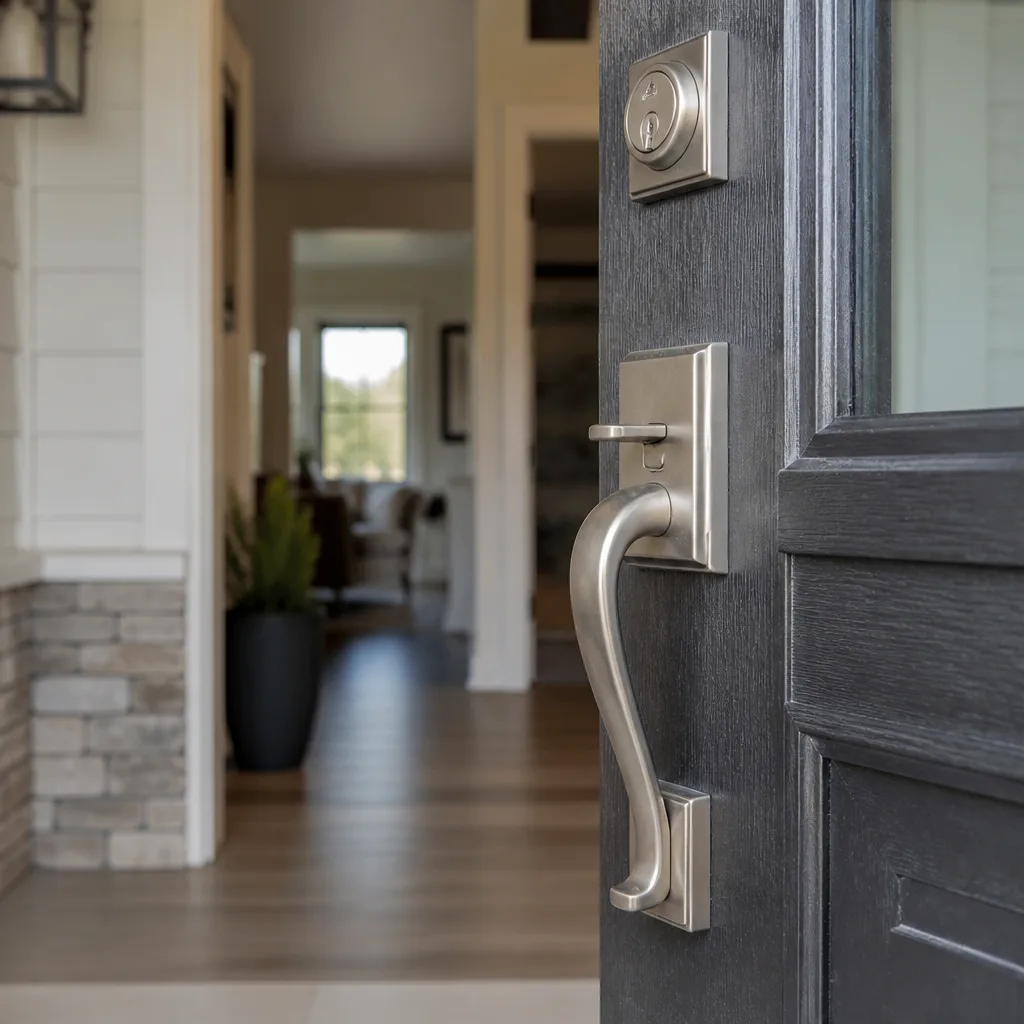
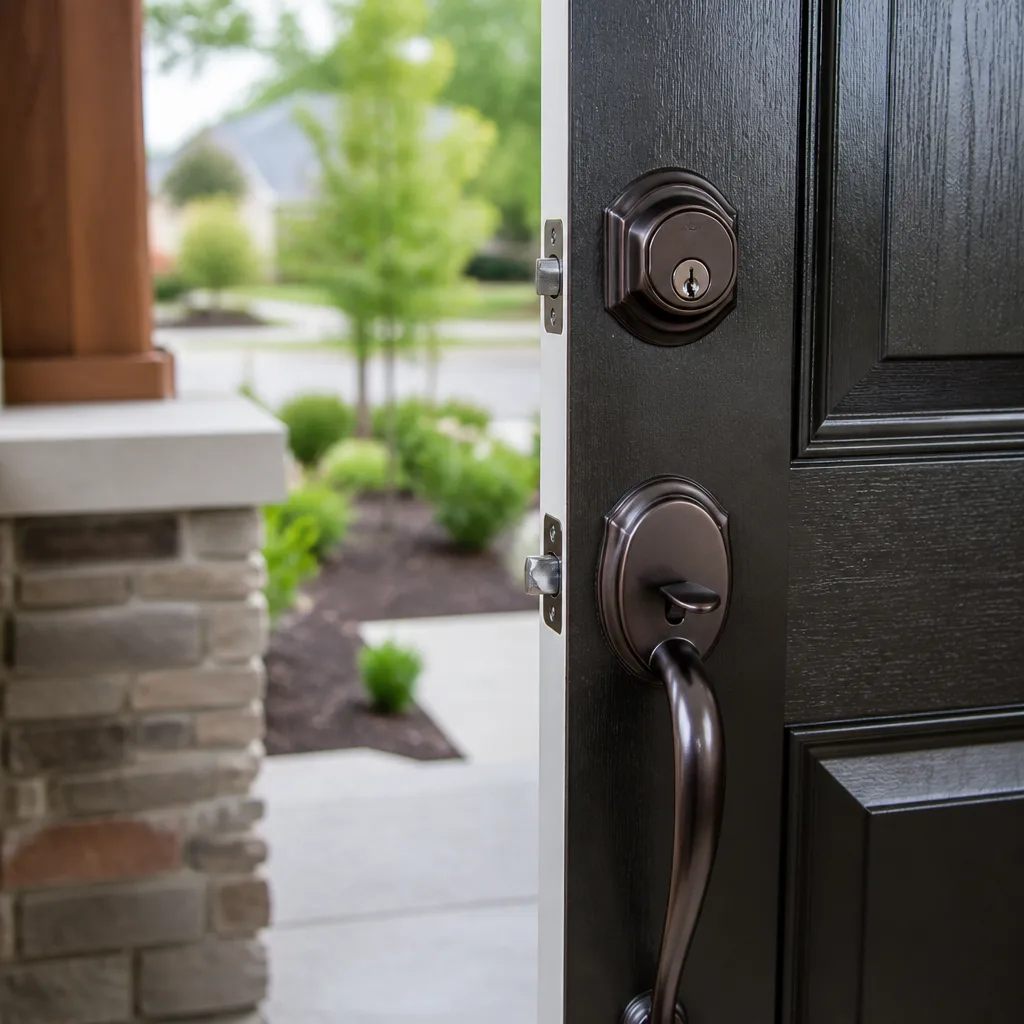
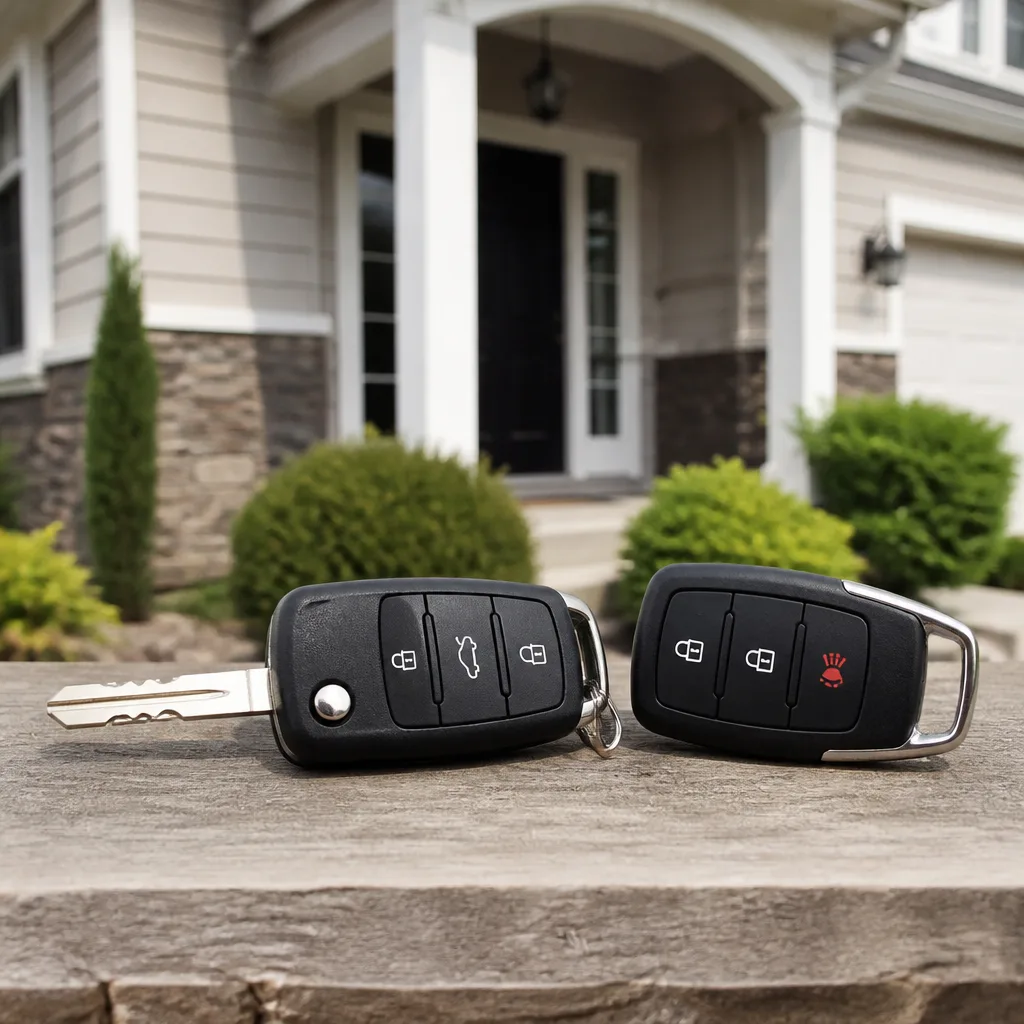
The Complete Guide to Locksmith in Los Angeles
The California Bureau of Security and Investigative Services has disciplined or revoked the licenses of hundreds of locksmith contractors operating in Los Angeles, yet most Angelenos still hire the first result they see on a panicked Google search at 11 p.m. This guide exists because the real question isn’t “who can get here fastest?” It’s “how do I know the person at my door is who they claim to be before I turn the handle?” For more guides & resources on keeping your home secure, see our blog. We’re going to walk through every scenario, every price range, and every verification step that matters in Los Angeles, from a 2 a.m. lockout in Silver Lake to a full rekey after a tenant moves out of a Koreatown apartment building.
Quick Answer
Finding a trustworthy locksmith in Los Angeles means verifying three things before the van arrives: a current BSIS license number you can cross-check on the state’s website, a written price quoted before dispatch, and a technician’s name and photo sent to you in advance. Expect to pay roughly $75 – $150 for a standard residential lockout, $85 – $160 to rekey a knob lock, and $120 – $250 to change a door lock, with commercial and high-security work running higher. A legitimate Los Angeles locksmith will give you all of this information without hesitation, and if they won’t, call someone else.
Table of Contents
- How to Verify a Los Angeles Locksmith’s BSIS License Before the Van Arrives
- Locksmith Company, Lead Aggregator, or One-Man Operator: Why It Changes Your Recourse
- Scenario-by-Scenario Costs in Los Angeles: Lockout, Rekey, New Install, Emergency
- What a Written Price Commitment Must Contain in California
- Why Named, Photo-Identified Technicians Matter More Than a Star Rating
- Los Angeles-Specific Locksmith Concerns: Climate, Code, and Neighborhood Realities
- Common Mistakes to Avoid
- When to Call a Professional
- Frequently Asked Questions
- The Bottom Line
How to Verify a Los Angeles Locksmith’s BSIS License Before the Van Arrives
Every locksmith company operating legally in California must hold a license issued by the Bureau of Security and Investigative Services, known as BSIS. This is the state agency that oversees locksmiths, and the license number starts with “LCO” for locksmith companies. A real Los Angeles locksmith will show this number on their website, on their invoices, and on any advertising they run. If you call and the person on the phone cannot produce an LCO number in under a minute, hang up.
Here’s the verification process, step by step:
- Ask for the LCO number. Every legitimate locksmith company has one. Write it down exactly as given.
- Go to the BSIS license verification portal. The state hosts this at www.breeze.ca.gov, where you can search by license number or business name.
- Check the license status. You’re looking for “Active” or “Current.” If it shows “Revoked,” “Suspended,” “Expired,” or “Denied,” do not proceed.
- Confirm the business name matches. The name on the license should match the company name the dispatcher gave you. Mismatched names are a red flag for lead aggregators or unlicensed subcontractors.
- Verify the license covers locksmith services specifically. Some companies hold an alarm company license or a general business license and try to pass it off as locksmith authorization. The BSIS license type matters.
This takes about ninety seconds on your phone. It’s the single most effective step you can take before letting anyone touch your locks, and it’s the step most Los Angeles residents skip because they’re in a hurry or embarrassed about being locked out. The state maintains this portal precisely so you don’t have to take a stranger’s word for it.
Locksmith Company, Lead Aggregator, or One-Man Operator: Why It Changes Your Recourse
The Los Angeles locksmith market has three distinct types of operators, and most people don’t realize which one they’ve actually called until something goes wrong. Understanding the difference changes what you can expect and what recourse you have if a job fails.
Locksmith companies employ their own technicians, carry their own BSIS license, and maintain a local shop or service hub. When you call a company like Dunmore Locksmith, the dispatcher knows the technician by name, can tell you who is coming, and stands behind the work with a written guarantee. If a repair fails, the company returns. If a technician behaves badly, the company investigates. You have a single accountable entity.
Lead aggregators are marketing operations that collect your call and sell it to whichever locksmith bid highest. You think you called a local Los Angeles company, but you actually called a middleman in another state who dispatched an independent contractor from a different city. The aggregator’s website looks polished, shows five-star reviews, and lists a Los Angeles address that is often a mail drop. When the technician overcharges you or damages your lock, the aggregator says it was just a referral service. This is the single most common source of locksmith complaints in California, and the BSIS has repeatedly disciplined operators running this model.
One-man operators are individual locksmiths working solo. Some are excellent, experienced craftsmen. Others are unlicensed moonlighters with a van and some tools from Home Depot. The issue is recourse: if a one-man operator disappears, retires, or simply stops answering the phone, your written guarantee is worthless. There’s no company behind the promise.
Before you agree to a dispatch, ask one question: “Who am I actually contracting with, and what is your BSIS license number?” The answer tells you which of these three you’re talking to.
Scenario-by-Scenario Costs in Los Angeles: Lockout, Rekey, New Install, Emergency
Los Angeles locksmith pricing varies by scenario, hardware type, and time of day. Here’s what each job actually involves and what honest pricing looks like in this market. These ranges reflect what we see across the city, from Mar Vista to Echo Park, for standard residential hardware. Commercial and high-security work runs higher, and we’ll cover that separately.
Residential lockout ($75 – $150). You’re locked out of your house or apartment. A technician picks the lock or uses a bypass tool to open the door without damaging it. In Los Angeles, locked-out renters often call us from apartments near UCLA, Culver City, and the Fairfax District. The price depends on the lock type and time of day. Nighttime calls cost more because the technician is traveling at 2 a.m. rather than 2 p.m. Be wary of quotes under $50: they typically balloon after arrival with invented “lock damage” or “security upgrade” fees.
Rekeying a knob lock ($85 – $160). Rekeying means changing the internal pins so your old keys no longer work. The hardware stays, but new keys operate it. This is the standard move after moving into a new home, after a tenant leaves, or after a roommate moves out. Los Angeles landlords in neighborhoods like Mid-Wilshire and Los Feliz get this done between every tenancy, and property managers often arrange multiple units at once for a per-lock discount.
Changing a door lock ($120 – $250). This is physical replacement: removing the old knob or deadbolt and installing a new one. You’d do this if the old lock is worn out, if you want to upgrade to a smarter or higher-security deadbolt, or if the lock was damaged in a break-in attempt. The price varies with hardware quality. A standard Schlage or Kwikset deadbolt change falls toward the low end. A high-security Mul-T-Lock or Medeco cylinder costs more for the hardware itself, and installation takes longer.
Emergency or after-hours service ($150 – $300). Late-night lockouts, break-in repairs, and urgent commercial rekeys run at a premium. The premium covers the technician’s time and the reality that Los Angeles is a sprawling city: a call to a home in Pacific Palisades is a very different drive than one to a storefront in Lincoln Heights. A legitimate company quotes the after-hours rate upfront, in writing, before dispatch. If they won’t, they’re not legitimate.
What a Written Price Commitment Must Contain in California
California law requires locksmiths to provide a written price estimate before starting work, and the state’s Consumer Affairs department has made enforcement of this a priority because bait-pricing is so common in the trade. A verbal quote over the phone is not enough, and it is not binding. Here’s what a legitimate written estimate in Los Angeles must include:
- Itemized labor cost. The specific amount for the technician’s time, broken out from parts.
- Itemized parts cost. Every lock, cylinder, key, and component listed with a dollar amount.
- Service call or trip fee. If there is one, it must be disclosed before dispatch, not added on arrival.
- Total price. The sum the customer will pay if they approve the work. This number must not change unless the customer agrees to a written change order.
- Business name and BSIS license number. Printed on the estimate, not just on the website.
- Customer signature line. The estimate is a contract. You should be signing something before work begins.
At Dunmore Locksmith, the price goes in writing before any work starts, every single time. The number on that written estimate is the number on the invoice. There is no call-out surcharge added on arrival, and there is no “security consultation fee” invented in your driveway. If a Los Angeles locksmith says the written price is “just a formality” or asks you to sign a blank estimate, stop the job and call someone else. You have the right to refuse service at any point before you sign.
Why Named, Photo-Identified Technicians Matter More Than a Star Rating
A company’s Google rating tells you how other people felt after the job was done. It doesn’t tell you who is about to arrive at your apartment in the middle of the night. In Los Angeles, where dense housing means you might be opening your door to a stranger in a hallway with no one else around, the technician’s identity is the more urgent piece of information.
Here’s the contrast, in practical terms. A typical Los Angeles locksmith search produces a list of companies with 4.7 stars and glowing reviews. You call one. A van arrives. A guy gets out. You don’t know his name, you haven’t seen his face before this moment, and you have no way to confirm he’s actually associated with the company you called. He might be an employee, a subcontractor, or someone who bought your lead from an aggregator. If you’re home alone, or if you have kids with you, you’re now making a snap judgment about whether to let him inside.
The Threshold Standard, which governs Dunmore Locksmith, exists to remove that judgment call. Every technician is background-checked and identity-verified before they ever take a dispatch. Before a visit, the customer receives the technician’s name and photo. When the technician arrives, they are in a clean marked uniform, and they carry a photo ID badge that matches the photo and name you were sent. If anyone arrives who you were not told to expect, that visit is covered at no charge to you.
This is the difference between a procedure and a hope. A star rating is an average of other people’s experiences. A named, photo-identified technician is a specific person you can verify against a specific photo before you turn the handle. When you’re choosing a locksmith in Los Angeles, ask whether they send technician photos. The answer tells you how seriously the company treats identity verification.
Los Angeles-Specific Locksmith Concerns: Climate, Code, and Neighborhood Realities
Los Angeles is not one market. It’s a patchwork of housing types, security concerns, and physical conditions that change how locks wear out and what kinds of hardware actually make sense. Here’s what we see on the ground, across the neighborhoods we serve.
Coastal corrosion. Homes and apartments within a few miles of the Pacific, from Santa Monica to San Pedro, deal with salt air that corrodes lock internals faster than inland properties do. Cylinders get sticky, keys wear prematurely, and deadbolts that worked fine in June seize up by the following spring. Stainless steel and marine-grade hardware lasts meaningfully longer, and if your lock is more than five years old within the coastal fog belt, annual lubrication and inspection is worth doing.
Older housing stock with non-standard hardware. Los Angeles has tens of thousands of pre-war homes, courtyard apartments, and bungalows with original doors and mortise locks that aren’t made anymore. In neighborhoods like West Adams, Angelino Heights, and parts of Hollywood, a standard round deadbolt won’t fit. The job requires either sourcing a compatible mortise cylinder or modifying the door. This takes longer, costs more, and is where an experienced technician earns their fee. It’s also where a lead-aggregator technician with a generic toolkit walks away or botches the job.
Dense multifamily properties. Los Angeles apartment buildings, especially in Koreatown, Westlake, and the Valley’s older NFPA-regulated buildings, have specific fire code requirements around egress. Doors must open from the inside without a key. A landlord who installs a double-cylinder deadbolt on a rental unit is creating a fire hazard and can be cited. A competent Los Angeles locksmith knows these rules and will flag them, because we’d rather lose the upsell than put a tenant in a dangerous situation.
High-turnover rental market. Los Angeles has one of the highest tenant-turnover rates in the country. Between properties near USC, UCLA, and the downtown rental towers, locks get rekeyed constantly. Landlords and property managers who understand the trade standardize on hardware that rekeys quickly and cheaply, like Schlage and Kwikset cylinders, because it saves money on every turnover. A good locksmith will tell you which hardware holds up to frequent rekeying and which doesn’t.
Common Mistakes to Avoid
- Calling the first result on a panic search. Emergency searches are where Los Angeles lead aggregators make their money. The first result is the one paying for ads, not necessarily the one with a real local technician. Spend the extra minute verifying the BSIS license.
- Accepting a verbal quote as final. In California, a verbal quote is a suggestion, not a contract. If the written price arrives and it’s higher, the verbal quote never mattered. Insist on the written estimate before you sign anything.
- Not asking for the technician’s name before dispatch. If the dispatcher can’t tell you who is coming, you can’t verify who is at your door. A legitimate Los Angeles locksmith company knows which tech is on which call.
- Hiring based on star rating alone. Los Angeles has plenty of four-star storefronts that are actually lead generators. The rating doesn’t tell you who holds the job’s financial and legal accountability.
- Assuming “licensed” means locksmith-licensed. A general business license is not a BSIS locksmith license. One authorizes you to exist as a business. The other authorizes you to open locks. These are not the same thing.
- Letting a technician drill a lock without a second opinion. Drilling is sometimes necessary, but it’s also the lazy move. A skilled Los Angeles locksmith can pick most residential locks without damage. If the first thing a technician reaches for is a drill, stop and ask why.
- Not getting a written guarantee. In a city with this much turnover and this many operators, a write-in guarantee is the only enforceable promise you have. If the guarantee exists only in conversation, it doesn’t exist.
When to Call a Professional
Some lock situations are fine to handle yourself, like swapping a standard knob on an interior door using a screwdriver and a YouTube tutorial. Our guide on DIY vs Professional Change Door Locks: What’s Safe to Do Yourself breaks down exactly where to draw the line. But several scenarios in Los Angeles warrant a professional, and delaying usually makes the problem more expensive. Call a locksmith when a deadbolt has been forcibly damaged in a break-in attempt, when a key snaps off inside a cylinder, when a lock’s internal mechanism binds or seizes, or when you need to rekey after losing track of who has copies of your keys. High-security hardware like Medeco, Mul-T-Lock, and Baldwin cylinders requires factory-authorized tools and training; this isn’t a DIY lane. Dunmore Locksmith offers free estimates in Los Angeles, and you can call (910) 714-4287 any time to talk through what you’re dealing with.
Frequently Asked Questions
A residential lockout in Los Angeles typically costs between $75 and $150. Rekeying a standard knob lock runs $85 to $160, and changing a door lock runs $120 to $250 depending on the hardware. After-hours and emergency calls cost more, and high-security or commercial work is quoted per job. Call (910) 714-4287 for an exact quote; estimates are free.
Yes, the price is delivered in writing before any work begins, and that written number is the number on the invoice. There is no call-out surcharge added on arrival and no invented “security fee” after the fact. In Los Angeles, where bait-pricing is a common complaint, a written commitment before dispatch is the standard you should demand.
Response time depends on where you are and what time it is. In central Los Angeles neighborhoods like Koreatown, Echo Park, and Silver Lake, a technician can often arrive within an hour during normal business hours. Calls to the Valley, the Westside, or the southern parts of the city take longer because of distance and traffic. A live person answers the phone 24/7 and can give you a realistic arrival window for your specific address.
Before every visit, you receive the technician’s name and photo. When they arrive, they are in a clean marked uniform and carry a photo ID badge that matches the name and photo you were sent. If anyone shows up who you were not told to expect, the visit is covered at no charge. This is the Threshold Standard, and it applies to every Dunmore Locksmith dispatch in Los Angeles.
If the lock or deadbolt itself is damaged, a locksmith handles it. If the door frame, jamb, or strike plate area is splintered or broken, that’s general carpentry, though a good Los Angeles locksmith can often reinforce the strike plate as part of a door lock repair. For anything involving the structural integrity of the frame, you may need both trades.
In most cases, a tenant needs landlord permission to rekey a rental unit in Los Angeles, because the landlord retains a right to access the property and needs a working key. If you’re a tenant, coordinate with your property manager. If you’re a landlord or property manager handling turnover, a professional locksmith can rekey multiple units at once, and the change an apartment door lock process typically runs $85 to $160 per standard knob lock.
The Bottom Line
Finding a locksmith in Los Angeles is not hard. Finding one you can verify before you open the door is the actual task, and it’s a task most people skip because they’re in a hurry. The state gives you the tools: a BSIS license lookup, written estimate requirements, and a clear process for complaints. A good locksmith gives you the rest: transparent pricing in writing, a named technician with a photo, and a written guarantee that means something. Dunmore Locksmith has served Los Angeles under the Threshold Group umbrella since 2007, with the 365-Day Done Right Promise on every repair. When you need residential locksmith work in Los Angeles, or you just want to talk through a lock problem before it becomes an emergency, call (910) 714-4287. A live person answers, any hour of the day, any day of the year.
Written by Perry Osgood, Owner at Dunmore Locksmith, serving Los Angeles since 2007.