
Last updated October 8, 2026
Non-destructive entry first, always - and we re-key Schlage, Kwikset, and Baldwin locks on the spot while you watch
You get a price before we start. It does not change when we arrive. No surprises.
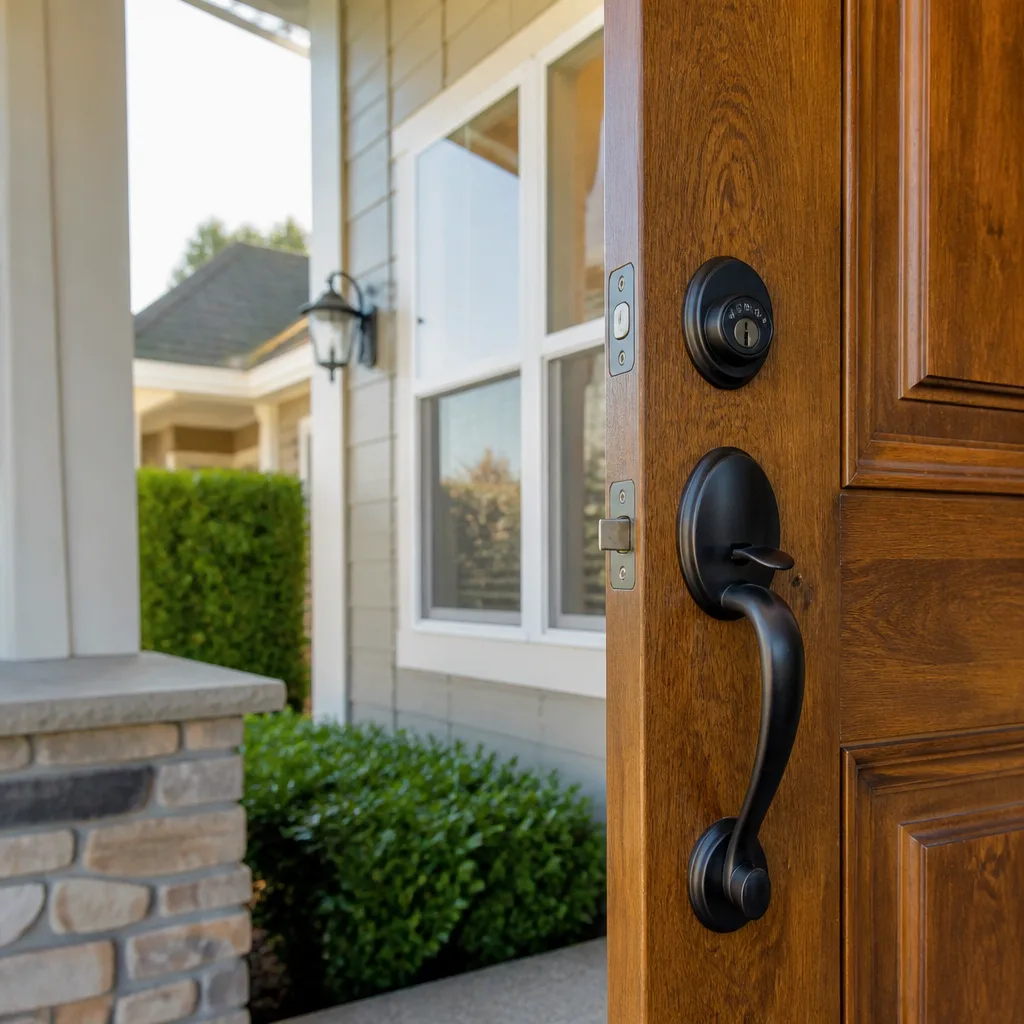
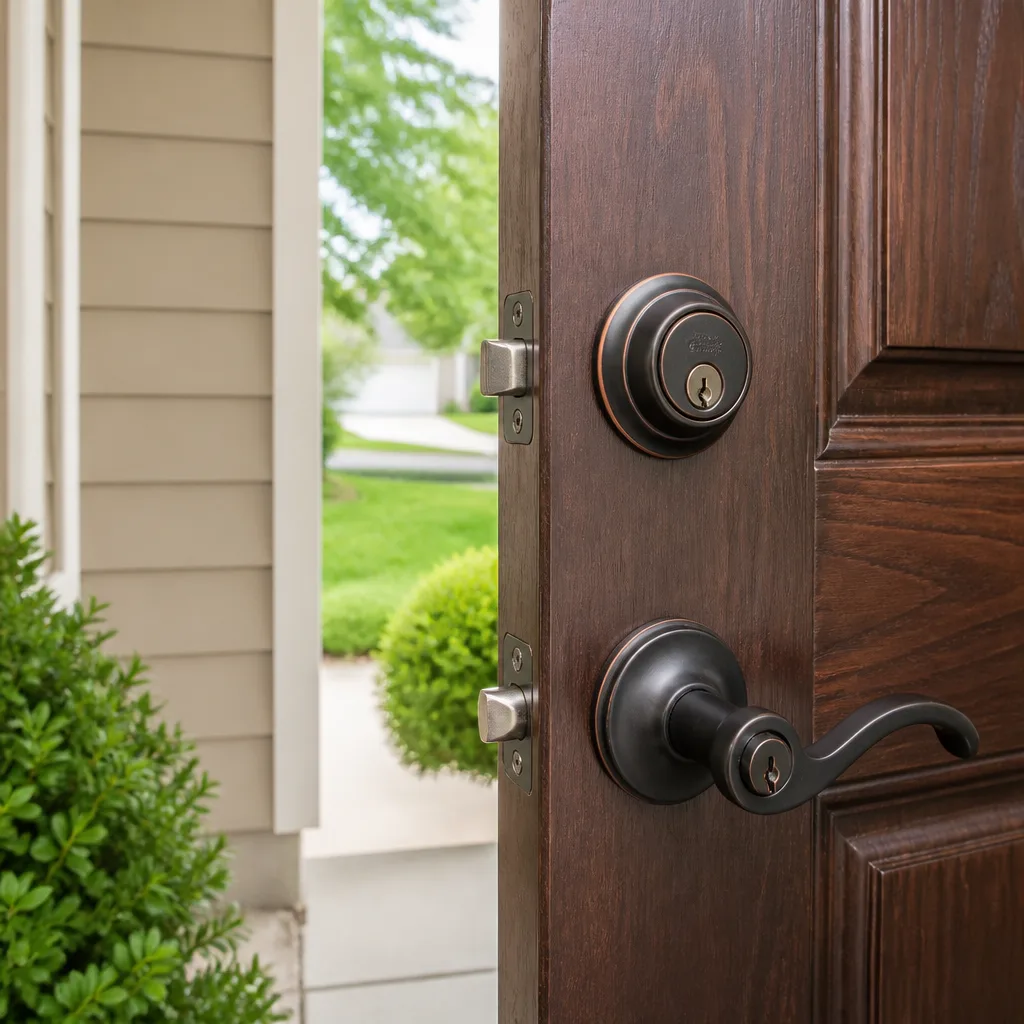
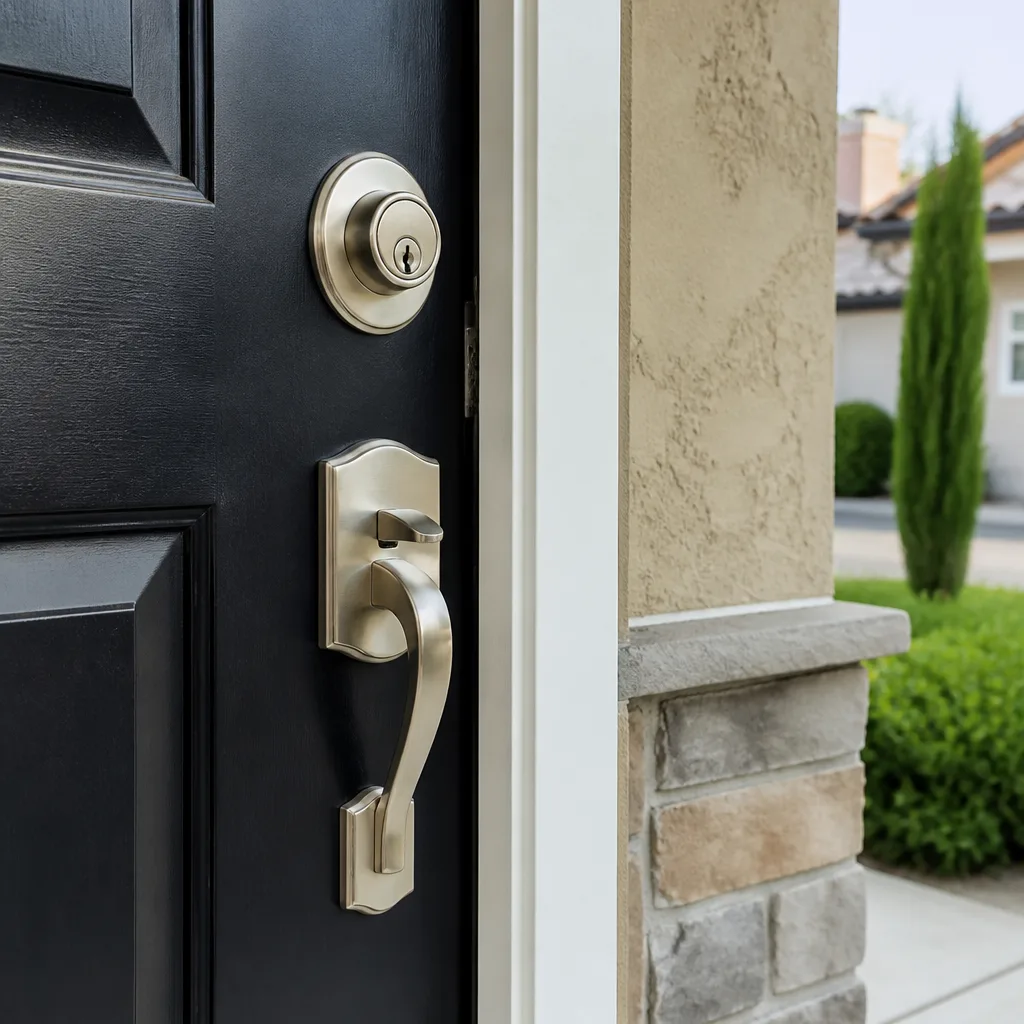
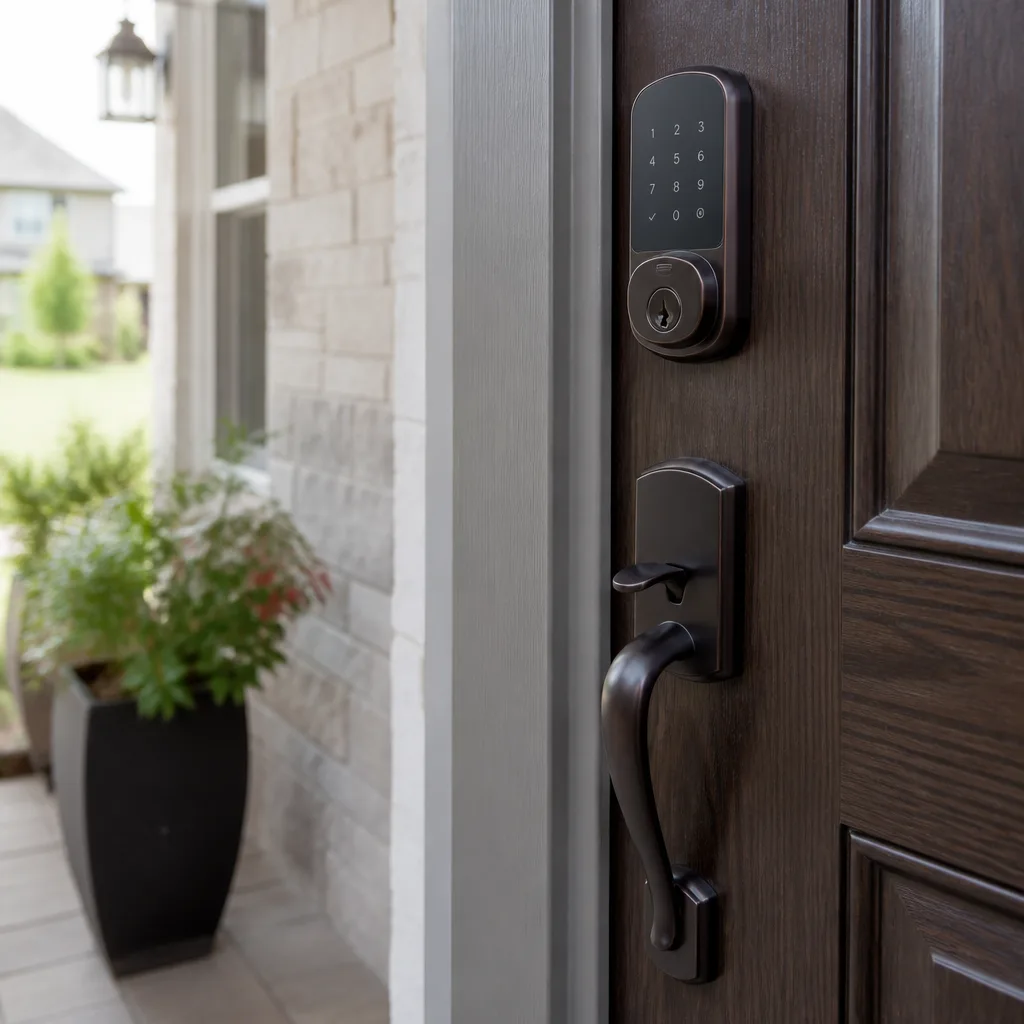
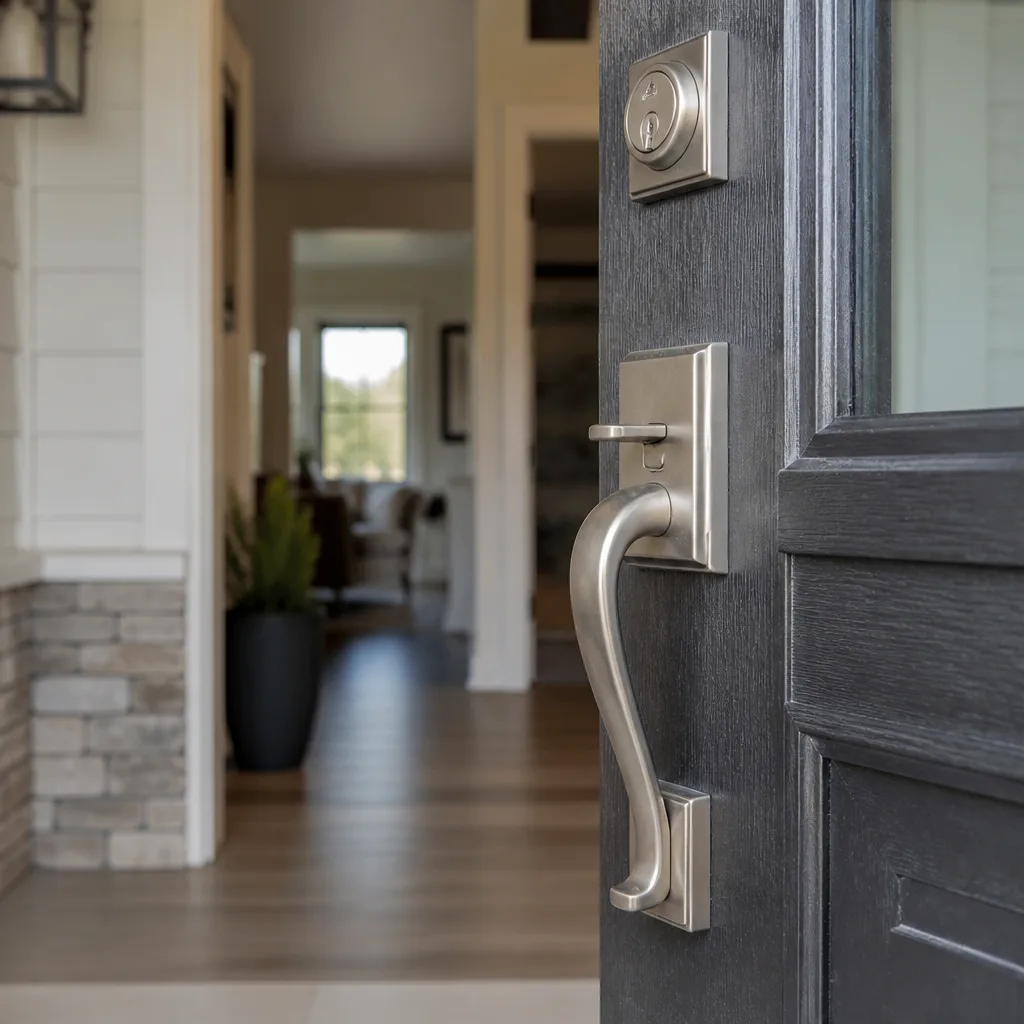
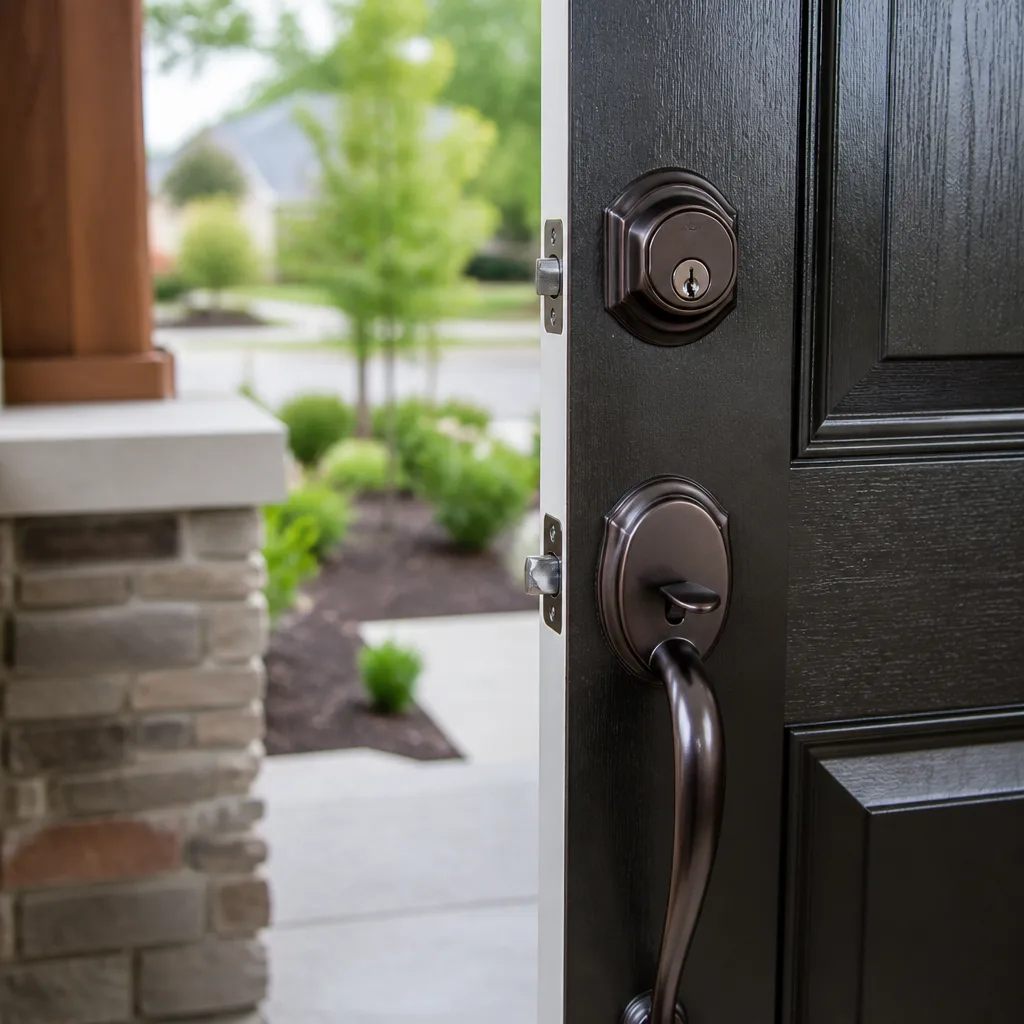
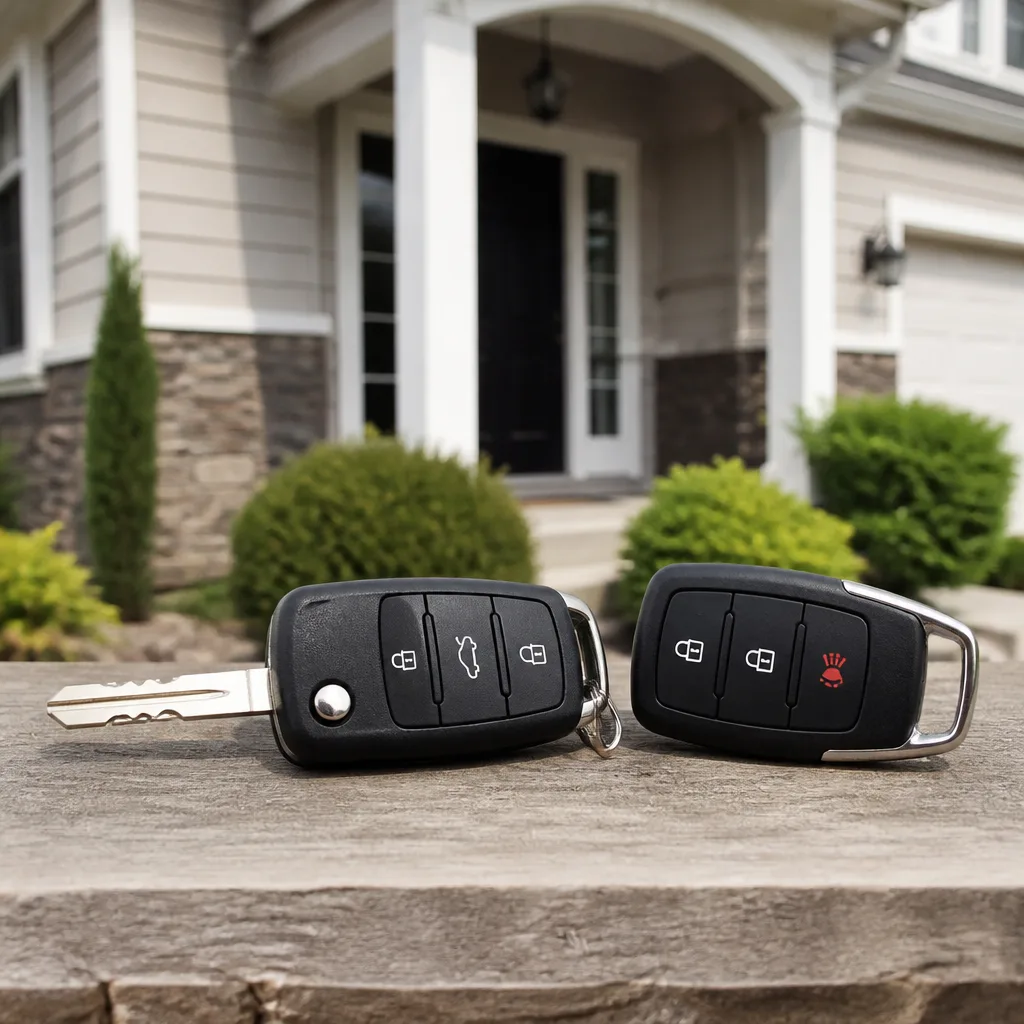
Residential Locksmith Maintenance Schedule: What to Do and When
A quality Grade 1 deadbolt is factory-rated for 250,000 cycles. That number sounds reassuring until you learn what actually happens in Los Angeles. Our dry, dusty Santa Ana seasons force grit into cylinder pins. Coastal salt air corrodes exterior hardware within a decade of installation. The real-world result is that many LA locks fail closer to 80,000 cycles, often without warning, and usually at the worst possible moment: 11 p.m. on a Tuesday, right after you’ve moved in and finally feel settled. This guide gives you a practical, season-by-season maintenance calendar that turns lock care into a simple habit, not a panicked residential locksmith emergency call.
Quick Answer
A residential lock maintenance schedule should follow four seasonal checkpoints per year: lubricate cylinders and hinges every six months, inspect door alignment after winter rains and again after summer heat, test all keys in all locks monthly, and rekey whenever a key holder changes, regardless of the lock’s physical condition. In Los Angeles, the ideal months for deep maintenance are February (post-rain swelling checks), June (pre-summer lubrication), September (UV and heat-damage inspection), and November (post-Santa-Ana dust cleaning).
Table of Contents
- Why Locks Fail in Los Angeles: The Environmental Factor
- The 90-Second Monthly Self-Inspection Routine
- The Four-Season Maintenance Calendar for Los Angeles Homes
- Lubrication: What to Use, What to Avoid, and How Often
- Door Alignment and Strike Plate Adjustment
- When to Rekey vs. When to Replace: Life-Event Triggers
- Coastal vs. Inland Hardware Care: Salt Air and Sun Damage
- Documenting Your Lock Maintenance: Why Written Records Matter
Related reading: Dunmore Locksmith home | Door Lock Repair in Los Angeles | Residential Locksmith in Los Angeles
Why Locks Fail in Los Angeles: The Environmental Factor
A lock is a small mechanical machine, and like any machine, it has enemies. In Los Angeles, those enemies are specific and predictable. The first is airborne dust. During Santa Ana wind events, fine particulate matter gets pushed into every gap and seam of your home, including the keyway of your deadbolt. Once inside the cylinder, that dust mixes with whatever lubricant remains and forms an abrasive paste. Every key insertion grinds that paste against the brass pins. Over time, the pins wear down unevenly, and one day your key simply won’t turn, or worse, it snaps off in the cylinder.
The second enemy is moisture, and it works in two directions depending on where you live. Within roughly 10 miles of the Pacific, salt-laden marine air settles on exterior hardware. That salt accelerates corrosion on any exposed metal surface, including Kwikset and Baldwin exterior deadbolts that lack marine-grade finishes. We’ve removed exterior locks from coastal neighborhoods on the Westside where the internal springs had rusted to the point of seizure after only eight years. In the Valley, the moisture problem is different. The San Fernando Valley swings from wet winter rains to extreme summer heat, and that cycle makes wooden doors swell and contract. A door that fits perfectly in July may jam against the frame in February because the wood absorbed winter moisture.
Heat itself is a third factor. Summer temperatures in Los Angeles regularly exceed 95°F across large portions of the city, and direct sun on a dark-finished deadbolt can push the surface temperature higher. That heat expands metal components, which can make a marginally fitted lock feel sticky in the afternoon and fine at night. It also degrades rubber weather seals and plastic internal spacers faster than manufacturers intend.
The 90-Second Monthly Self-Inspection Routine
Once a month, walk your home’s exterior doors with a simple routine. This is not deep maintenance. It is a diagnostic pass that catches problems before they become lockouts. The whole process takes less than two minutes per door, and you can document it with cell phone photos if you want to track changes over time.
- Feel the key turn. Insert your key into each exterior deadbolt and knob lock. Turn it slowly. A healthy lock has smooth, consistent resistance the entire rotation. If you feel grinding, catching, or a gritty texture, the cylinder has debris inside. That’s an early warning.
- Listen. A properly lubricated lock makes almost no sound. Squeaking, scraping, or metallic clicking indicates dry pins or worn components.
- Look at the latch and strike plate. Open the door and examine the latch bolt. It should be smooth and free of scoring. Look at the strike plate on the door frame. The latch should seat fully into the opening without the door requiring a push or pull to align.
- Check the gap. Close the door and look at the gap between the door edge and the frame. It should be even from top to bottom. An uneven gap means the hinges are sagging or the door itself has warped.
- Photograph anything suspicious. If you notice a change, take a photo. A clear photo lets a locksmith assess remotely whether the issue is urgent or can wait until the next maintenance visit.
This routine matters because locks degrade gradually. The first time you notice a problem should not be the first time it prevents you from getting inside your home. In our experience across Los Angeles, the majority of emergency lockout calls we handle could have been prevented by a homeowner noticing residential locksmith warning signs every homeowner should know weeks earlier and addressing it then.
The Four-Season Maintenance Calendar for Los Angeles Homes
Los Angeles seasons don’t look like the rest of the country’s, but they exist, and they drive a specific maintenance rhythm. Here is a month-by-month calendar calibrated specifically for this city’s climate patterns.
February: Post-Rain Swelling Checks
Los Angeles receives most of its annual rainfall between December and February. By February, wooden doors have absorbed as much moisture as they are going to. That means doors swell, frames shift, and alignment problems appear. This is the month to do a careful alignment inspection on every exterior door. Check whether the latch still seats cleanly, whether the deadbolt throws fully without resistance, and whether the door rubs against the frame at any point. If the door binds, don’t force it. Forcing a swollen door against the frame puts lateral pressure on the deadbolt bolt, which can bend it or crack the internal mechanism.
June: Pre-Summer Lubrication
Before the heat arrives, lubricate every exterior lock cylinder, hinge, and latch mechanism. Dry summer heat will evaporate whatever lubrication was in the cylinder within a few months, so this application needs to last. Use a dry graphite powder or a Teflon-based dry lubricant designed specifically for lock cylinders. Avoid petroleum-based sprays like WD-40, which attract dust and create the abrasive paste we described earlier. June is also a good time to test all keys, identify any that feel worn, and get duplicates cut from a fresh original rather than a copy of a copy.
September: UV and Heat Damage Inspection
After a full Los Angeles summer, exterior hardware has taken months of direct sun and high heat. September is the time to inspect for UV damage. Look at the finish on your exterior deadbolts and handles. Discoloration, pitting, or flaking on brass or nickel finishes is cosmetic now but can become structural later if corrosion penetrates the surface. Check weather stripping around the door. Rubber seals that have baked in 100-degree sun for three months can crack, and a cracked seal lets in dust and moisture. This is also the month to inspect any smart lock or electronic keypad. Extreme heat shortens battery life significantly in Los Angeles summers. Replace batteries in September even if they are not fully depleted. A smart lock with a dead battery is a locked door you cannot open, and smart lock battery failure in LA peaks in late summer and early fall.
November: Post-Santa-Ana Dust Cleaning
Santa Ana wind events typically peak in October and November in Los Angeles. These winds push fine dust into every exterior lock cylinder. November is the month for a light cleaning. Compressed air can blow loose dust out of a keyway, but use it gently. High-pressure air can push dust deeper into the mechanism. If a key has started feeling gritty during the Santa Ana season, November is the right time for a professional cylinder cleaning or, in severe cases, a residential locksmith troubleshooting rekey that includes full disassembly and pin replacement. Waiting until the lock fails entirely turns a $45 maintenance rekey into a $200 emergency lockout call.
Lubrication: What to Use, What to Avoid, and How Often
Lubrication is the single highest-impact maintenance task you can do for your locks, and it’s also the one most homeowners get wrong. Here is the straightforward guidance.
What to Use
- Dry graphite powder. This is the classic choice for lock cylinders. Graphite lubricates without attracting dust, and a small puff into the keyway twice a year keeps pins moving smoothly.
- Teflon-based dry lubricant. Available in squeeze bottles or precision applicators, these are cleaner than graphite and work well. Look for products labeled as dry lock lubricant or lock cylinder lubricant.
- Silicone spray for hinges and latches. Hinges and latch mechanisms don’t need graphite. A light silicone spray keeps them moving without collecting grit.
What to Avoid
- WD-40 or any petroleum-based spray. These attract dust in Los Angeles’s dry climate. Within a few weeks, the lock will be worse than before you lubricated it.
- Grease of any kind. Grease is too thick for lock cylinders. It creates suction that makes keys stick, especially in cooler winter months.
- Olive oil, coconut oil, or any food-based oil. These go rancid and leave a sticky residue that seizes pins.
Schedule: lubricate exterior lock cylinders twice per year, in June and November, which matches the calendar above. Interior locks rarely need lubrication, but a light application every two or three years keeps them operating smoothly. If you have high-quality hardware from Medeco or Yale, those cylinders are manufactured with tighter tolerances than budget locks, which means they are more sensitive to debris buildup. Annual or semi-annual lubrication is still the right interval, but consistent quality of lubricant matters more with precision hardware.
Door Alignment and Strike Plate Adjustment
A lock cannot function properly if the door it is installed in has shifted. In Los Angeles, door shifting happens for two reasons: foundation movement and seasonal wood expansion. Both are common, and both create a specific set of symptoms.
When a door falls out of alignment, the latch bolt no longer seats cleanly into the strike plate. You will notice you need to lift or pull the door slightly to get it to lock. That lifting is not just an annoyance. It misaligns the internal geometry of the lock, which causes premature wear on the latch mechanism and can eventually crack the strike plate. A cracked strike plate is a security failure because the door can be forced open with a simple shoulder push, even when the deadbolt is thrown.
Here is a step-by-step assessment you can do yourself:
- Close the door and try to throw the deadbolt. Note any resistance.
- Open the door and examine the strike plate on the frame. Look for scoring marks on the plate itself or on the edge of the latch bolt.
- Check the hinge screws. Use a screwdriver to tighten every hinge screw on the door and the frame. Loose top hinge screws are the most common cause of door sag.
- If the door still binds after tightening, the strike plate may need to be repositioned slightly. That typically requires filing or relocating the plate opening, which is a job for a professional if you want clean results.
If your home is older, particularly in neighborhoods with expansive clay soil like parts of the San Fernando Valley or Eagle Rock, foundation movement can shift door frames gradually over years. A deadbolt that worked smoothly when you bought the house and has slowly become stubborn is often a symptom of frame shift, not lock failure. Replacing the lock won’t fix the underlying issue, and a good locksmith will tell you that rather than selling you hardware you don’t need.
When to Rekey vs. When to Replace: Life-Event Triggers
Most homeowners confuse rekeying and replacing. They are different services with different purposes, and knowing which one you need saves money and improves security.
Rekeying (changing the internal pins so your old keys no longer work) is appropriate when the lock hardware is physically sound but the key control has changed. The lock stays in place. The pins inside are swapped. A new key is cut. Old keys stop working. This is the right move after any life event that changes who should have access to your home:
- A roommate moves out, even on good terms
- A relationship ends and a partner had a key
- A contractor, cleaner, dog walker, or babysitter who had a key is no longer involved with your household
- You lose a key, even if you think you know where it is
- You buy a home, whether new construction or resale, and you are not the first owner
These triggers should prompt an immediate rekey regardless of the lock’s physical condition. The principle is simple: if you cannot account for every copy of your key, you do not have key control, and key control is what a lock is actually for. This applies even if the lock is brand new. A new lock with an unknown number of keys floating around is less secure than a ten-year-old lock that has just been rekeyed.
Replacement means the entire lock assembly comes off the door and new hardware is installed. Replacement is appropriate when the lock is physically failing: the finish is corroded, the cylinder is pitted, the internal springs are weak, the latch is bent, or the lock has been forced or picked. Replacement is also the right choice when you want to upgrade security grade. A builder-grade Kwikset knob and deadbolt will protect a door against casual entry but offers little resistance to a determined forced-entry attack. If you are replacing hardware on an exterior door, consider a Grade 1 deadbolt from a brand like Medeco, Baldwin, or Yale. Grade 1 is the highest residential rating and is what commercial buildings use on perimeter doors.
Coastal vs. Inland Hardware Care: Salt Air and Sun Damage
Los Angeles is really two climates, and your lock maintenance schedule needs to reflect which one you live in. The dividing line is roughly the 405 corridor, though the effect is really about distance from the ocean. Within about 10 miles of the coast, salt air is a constant presence. Beyond that, the marine influence fades and the dry inland heat takes over.
Coastal Properties (Santa Monica, Venice, Playa del Rey, Palos Verdes, Long Beach)
Salt air is corrosive, and it works on exterior hardware year-round, not just in summer. Homes within a few blocks of the beach see the worst of it. We have replaced deadbolts in Venice Beach homes where the exterior rose and cylinder showed visible corrosion pitting within five years of installation. For coastal homes, hardware finish matters. Solid brass or bronze hardware with a factory-applied marine-grade clear coat will outlast nickel or chrome finishes. If you are buying new exterior hardware for a coastal home, specify solid brass or marine-grade stainless steel. Avoid budget finished zinc, which corrodes quickly in salt air. Coastal maintenance also means more frequent lubrication. We recommend exterior cylinder lubrication every four months for homes within two miles of the ocean. The salt air accelerates lubricant breakdown, so the standard six-month interval is not enough.
Inland Properties (San Fernando Valley, Pasadena, Glendale, Burbank, Inland Empire)
Inland homes face a different threat profile. Salt corrosion is not a factor, but heat and UV exposure are extreme. Summer temperatures in the Valley routinely exceed 100°F, and direct afternoon sun on a west-facing front door bakes hardware for hours. UV radiation degrades rubber weather seals and plastic internal components. Dark-finished hardware absorbs more heat and expands more, which means interior clearances shift more between midday and midnight. Inland homeowners should prioritize UV-protective finishes and replace weather seals annually rather than every two or three years. Hardware from Baldwin, which offers a lifetime finish warranty on many models, is worth considering for serious sun-exposed doors.
Documenting Your Lock Maintenance: Why Written Records Matter
Most homeowners never document their lock maintenance, and that is a missed opportunity that costs real money in two specific scenarios. The first is insurance claims. If your home is broken into and you file a claim, your insurer will ask about the condition of your locks. If you can show a written record that you inspected and maintained your exterior locks on a schedule, that demonstrates due diligence. If you cannot, the insurer may argue that neglected hardware contributed to the loss. The second scenario is a dispute with a landlord, a property manager, or even a previous homeowner. A written maintenance log shows that you took reasonable care of the property, which matters when security deposits or sale negotiations are at stake.
Your maintenance log does not need to be elaborate. A simple notebook page or spreadsheet works. Record the date, what you inspected, what you found, and what you did about it. Include photos when something looks unusual. A cell phone photo of a misaligned strike plate, timestamped from February, is exactly the kind of evidence that supports an insurance claim months later. If you hire a professional for rekeying, repair, or replacement, keep the receipt. The receipt should itemize the work done, the hardware used, and the date. At Dunmore Locksmith, every job comes with a written price before any work starts, and that written quote also serves as a service record for your maintenance log.
Common Mistakes to Avoid
- Using WD-40 on lock cylinders. It is the single most common lock mistake in Los Angeles. Petroleum sprays attract dust and create gummed-up cylinders within weeks. Use dry graphite or Teflon lubricant instead.
- Ignoring a key that feels slightly rough. A key that doesn’t turn as smoothly as it did six months ago is telling you something. Waiting until it fails means a lockout, and lockouts are more expensive than maintenance rekeys.
- Forcing a swollen door shut. If your door binds after rain, forcing it stresses the deadbolt and frame. Address the alignment issue instead of muscling through it.
- Rekeying only one lock after a key holder leaves. Most homes have the same key operating the front door, back door, and garage entry. Rekey only one of those and the old key still works everywhere else.
- Lubricating a lock that is already seized. Lubricant is preventive maintenance, not a fix for an already-failing lock. If your key is stuck or the cylinder has seized, adding lubricant can make disassembly harder. Call a professional instead.
- Replacing a deadbolt without addressing the door alignment. A new deadbolt in a misaligned door will wear prematurely. Fix the door first, then the hardware.
- Delaying a rekey after moving into a new home. New construction homes in Los Angeles often have multiple contractors and subcontractors who had access during the build. You have no way to know how many keys are circulating. Rekey everything before you move furniture in.
When to Call a Professional
Some maintenance tasks are simple and safe to do yourself: tightening hinge screws, lubricating a cylinder, checking key fit. Others need a locksmith. Call a professional if your key breaks off in the cylinder, if the lock is seized and won’t turn even after cleaning, if the strike plate has cracked, if the door frame has shifted significantly, or if you need to rekey after a security event like a break-in. Anything involving a deadbolt’s internal disassembly, especially on high-security hardware like Medeco or Mul-T-Lock cylinders, requires specialized tools and training you should not improvise. Dunmore Locksmith offers free estimates in Los Angeles. Call (910) 714-4287 and a live person will answer, any hour, any day, and you’ll get a written price before any work begins.
Frequently Asked Questions
For most Los Angeles homes, lubricate exterior lock cylinders every six months: once in June before summer heat and once in November after Santa Ana winds. Homes within two miles of the coast should lubricate every four months because salt air breaks down lubricants faster. Use dry graphite or Teflon-based dry lubricant, never petroleum sprays like WD-40. If you’re not sure which lubricant is right for your hardware, call (910) 714-4287 and we’ll tell you what to buy.
A standard rekey for a single knob lock or deadbolt in Los Angeles typically costs $45 to $85 per lock, depending on the cylinder type and whether the locksmith has to modify the cylinder for high-security pins. Most residential rekey jobs across multiple locks run between $95 and $200 total. At Dunmore Locksmith, the price is quoted in writing before any work starts, and that written quote is the price on the invoice. No surprises.
Rekeying changes the internal pins inside your existing lock so old keys stop working, while the lock hardware stays in place. Replacement removes the entire lock and installs new hardware. Rekeying is right when your hardware is in good shape but your key control has changed, like after a roommate moves out. Replacement is right when the hardware is worn out, corroded, or you want to upgrade to a higher security grade. Both services are available through our change door locks in Los Angeles service.
Look for four warning signs: a key that turns with grinding or gritty resistance, a deadbolt that requires jiggling to throw, a latch that no longer seats cleanly into the strike plate, and visible corrosion or pitting on the exterior hardware. Any one of these is worth investigating. Two or more mean the lock is likely near failure. Catching these signs early usually means a $50 maintenance rekey instead of a $200 emergency lockout call.
At Dunmore Locksmith, the price goes in writing before any work starts, and that number is the number on the final invoice. There is no call-out fee added on arrival, no dispatch surcharge, and no estimate that balloons after the technician sees the lock. This written-price standard applies to every job, from a single rekey to full hardware replacement. Call (910) 714-4287 for an exact quote. Estimates are free.
Dunmore Locksmith follows the Threshold Standard: every technician is background-checked, identity-verified, photo-badged, and sent to you by name and photo before the visit. When the technician arrives, they show a photo ID badge at the door before entering. If anyone arrives who you were not told to expect, that visit is covered at no charge. This is the standard that our company name reflects. Dunmore comes from old words for a great fort, a stronghold built to keep what is inside safe. That is the idea we operate by.
The Bottom Line
A residential lock maintenance schedule does not need to consume your weekends. A 90-second monthly check per door, semi-annual lubrication, seasonal alignment inspections, and immediate rekeying after life-event key-control changes will keep your home’s security hardware working reliably for decades. The cost of this routine is small, a few dollars for lubricant and occasional professional rekeys. For more guides & resources on keeping your home secure, visit our blog. The cost of neglecting it is a lockout at midnight or a broken entry that could have been prevented. In Los Angeles, where dust, salt air, and summer heat punish exterior hardware, a maintenance calendar is not optional. It is the difference between a lock that protects your home and one that quietly fails the moment you need it most.
Written by Perry Osgood, Owner at Dunmore Locksmith, serving Los Angeles since 2007.