
Last updated October 8, 2026
Non-destructive entry first, always - and we re-key Schlage, Kwikset, and Baldwin locks on the spot while you watch
You get a price before we start. It does not change when we arrive. No surprises.
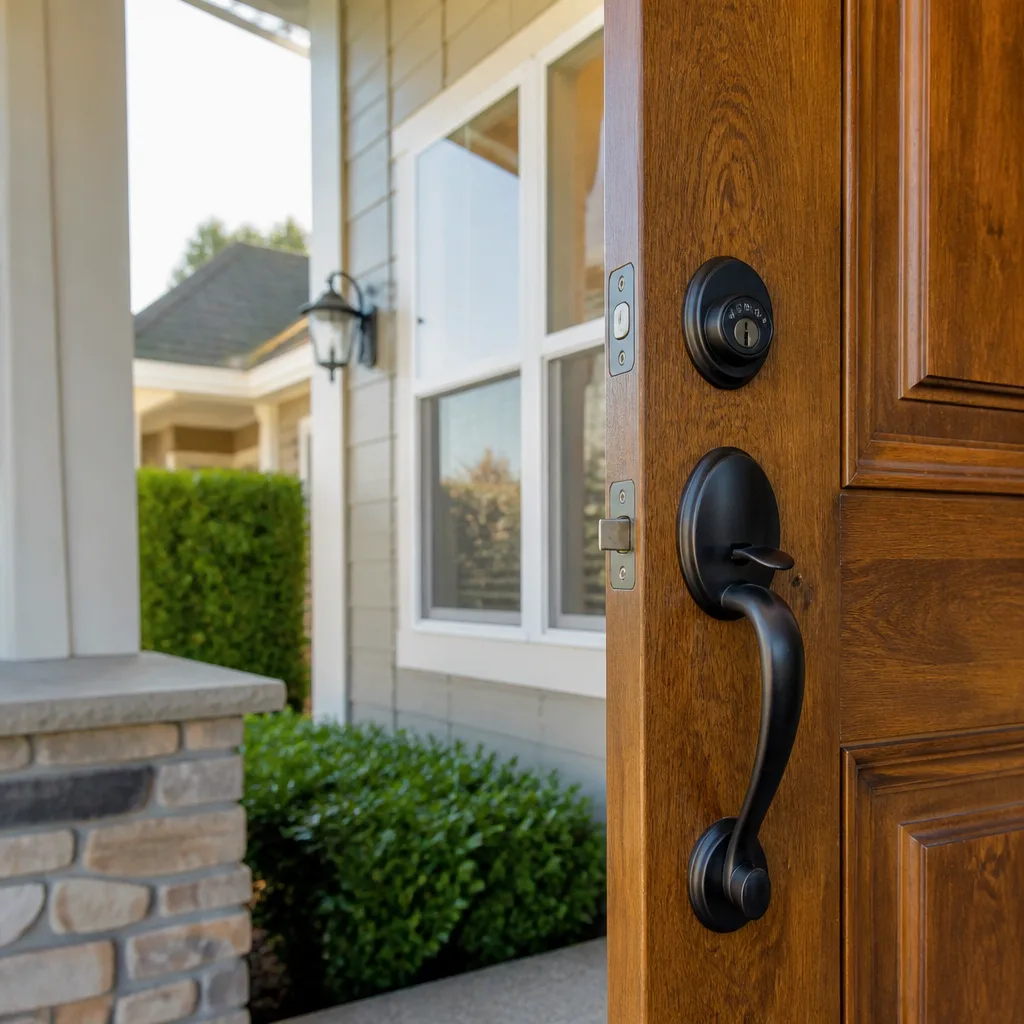
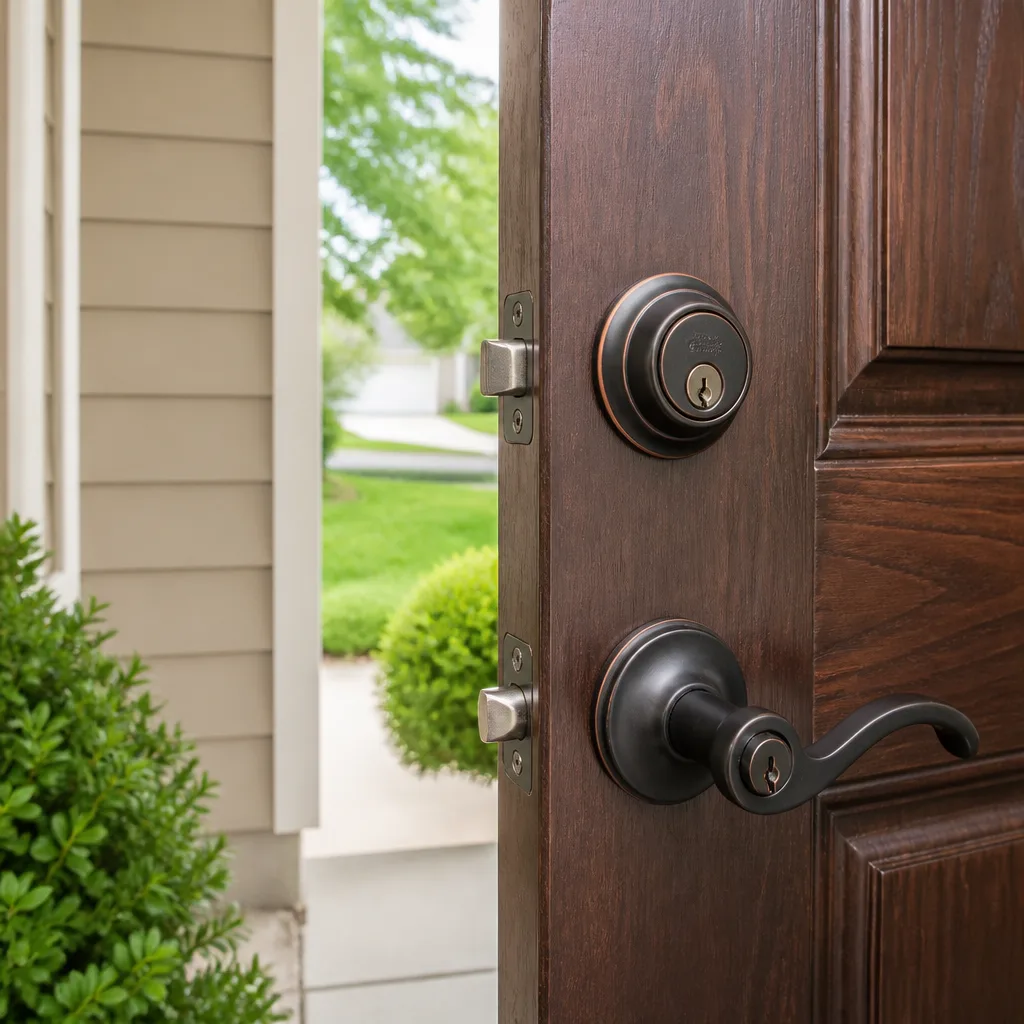
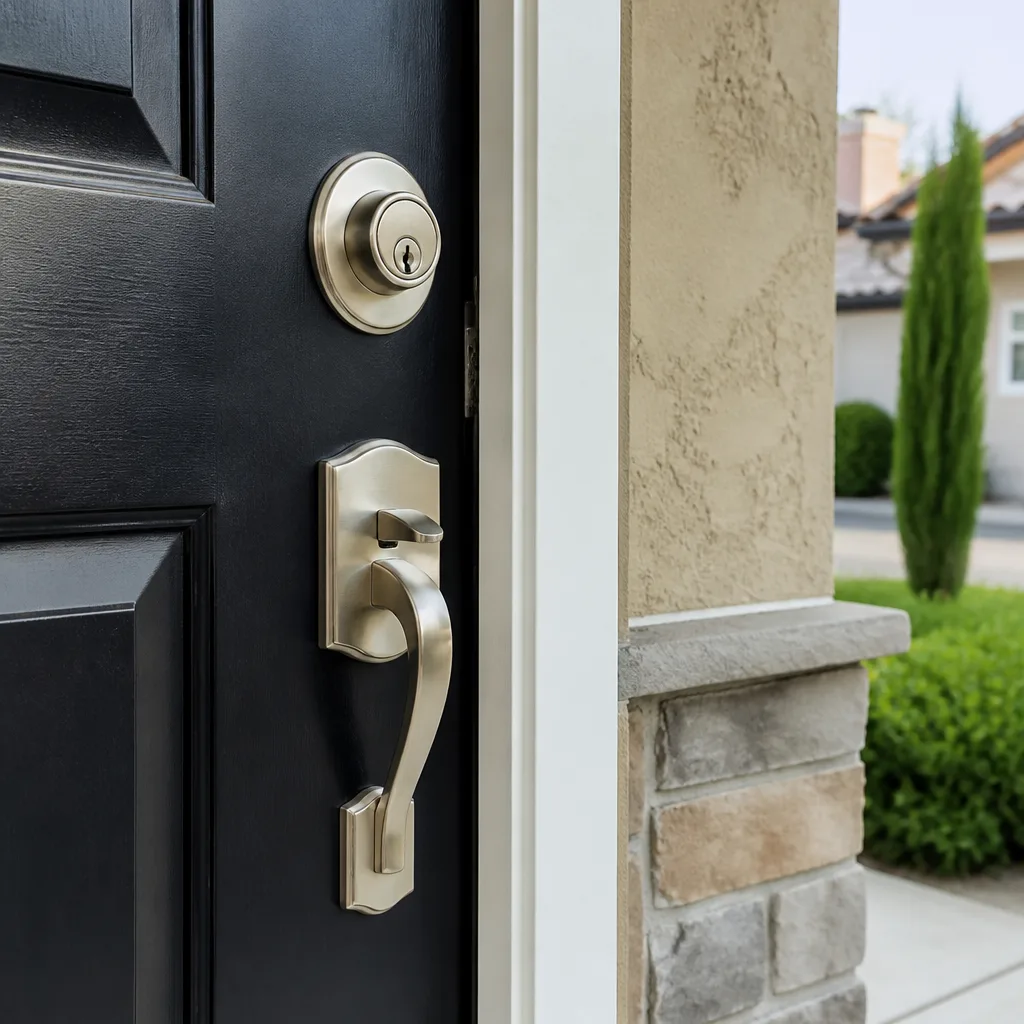
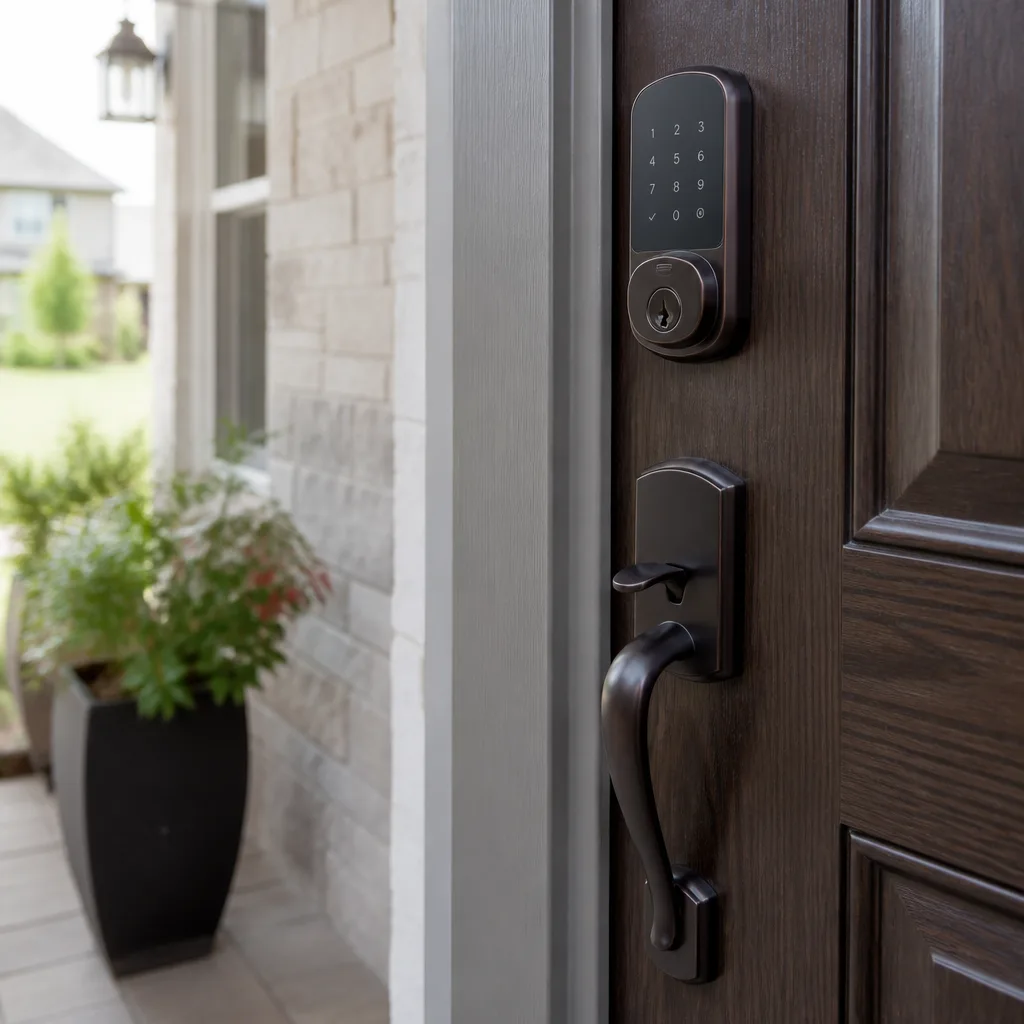
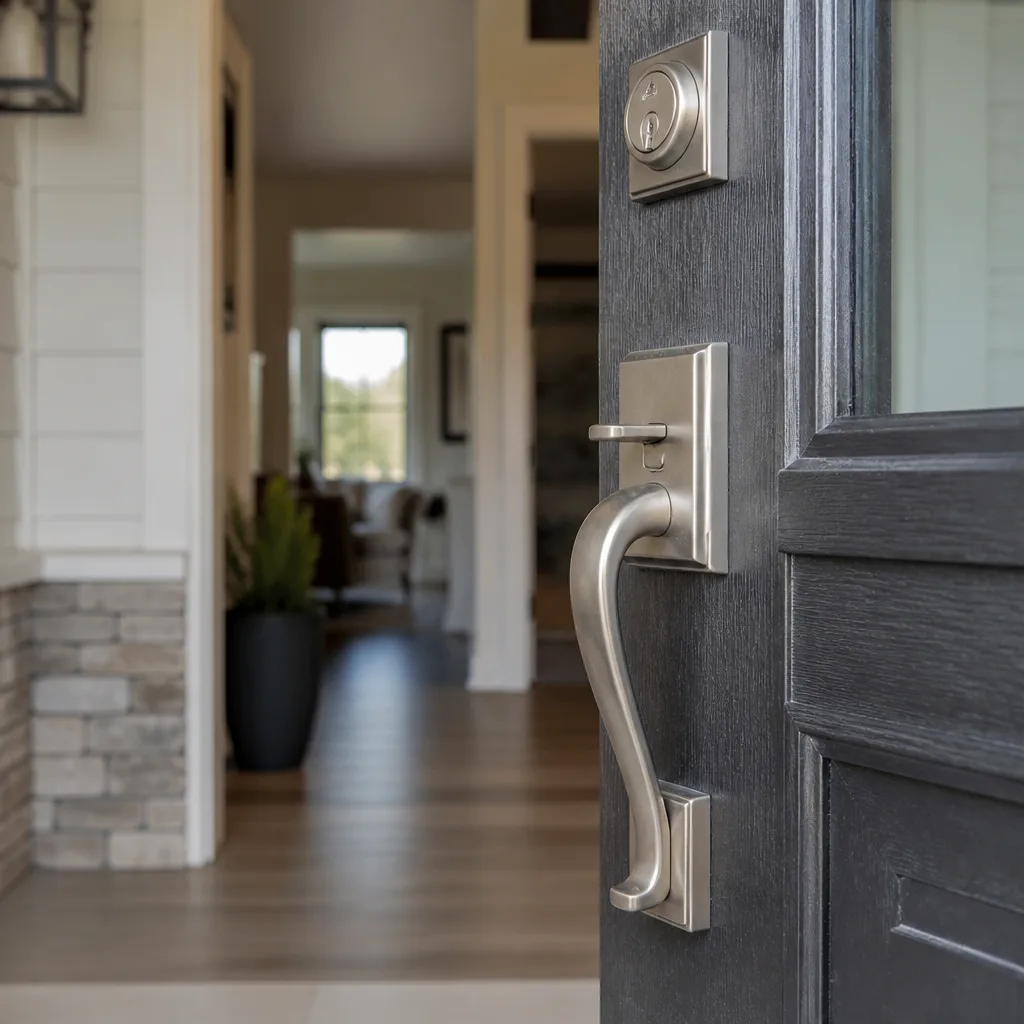
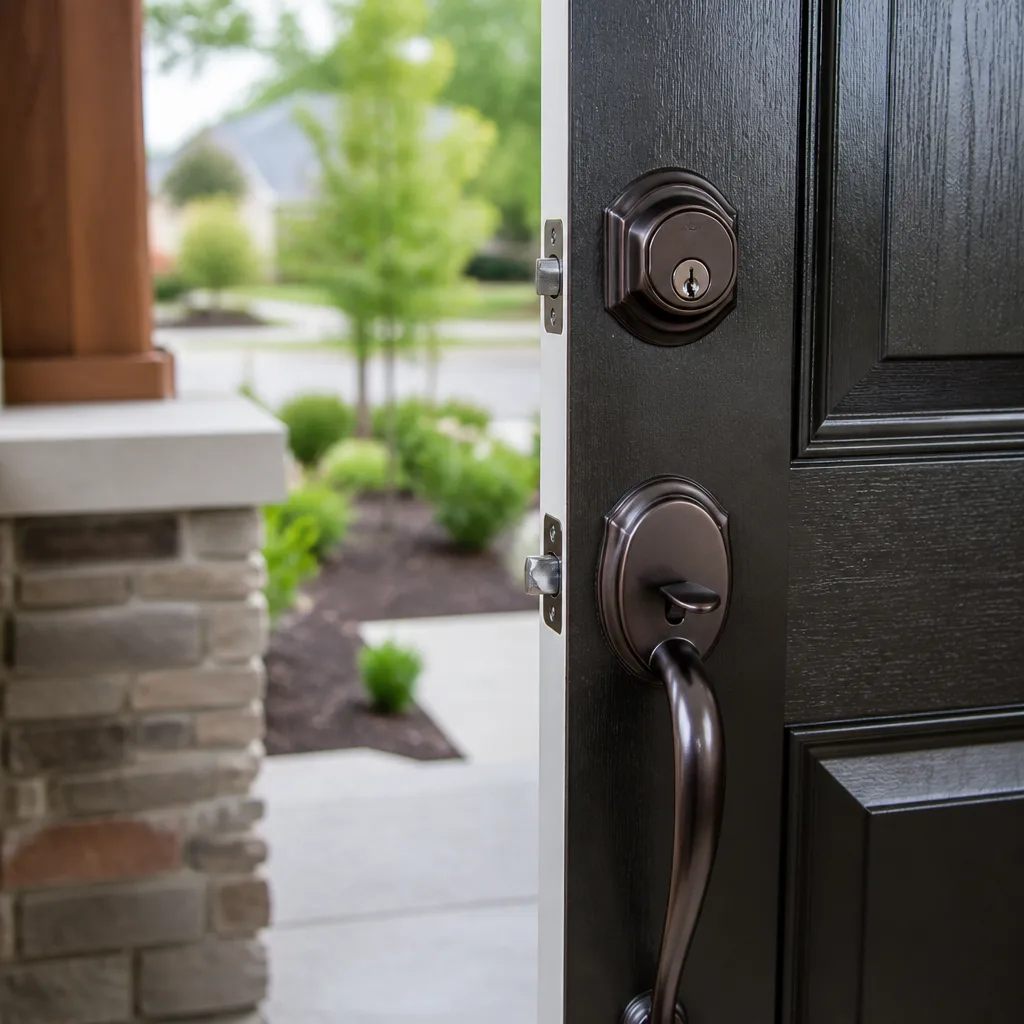
The Complete Door Lock Repair Guide for Los Angeles Homeowners
Here’s a statistic that should make every Los Angeles homeowner pause: roughly 40% of lock replacements performed after a locksmith visit are locks that could have been repaired for a third of the cost. The repair option simply wasn’t offered, because replacement pays more. This guide exists to change that math. You’ll learn the 12 distinct problems that fall under our Door Lock Repair services, how to match each failure to the correct fix, and how to avoid paying for a new lock when your existing hardware is perfectly salvageable. We’ll walk through door types, LA building stock quirks, pricing transparency, renter protections, and post-earthquake checks so you can make an informed decision before anyone touches your door.
Quick Answer
Door lock repair in Los Angeles typically costs between $65 and $210 depending on the problem, while a full lock replacement runs $150 to $400 or more. Most common failures, including sticky deadbolts, loose handlesets, misaligned strike plates, and worn cylinders, are repairable without replacing the entire lock, as covered in The Complete Guide to Locksmith in Los Angeles. The key is correctly diagnosing whether the problem is in the lock hardware itself, the door, or the frame before deciding on a repair versus replacement path.
Table of Contents
- The 12 Problems That Count as Door Lock Repair
- Door-Type-Specific Repair Matrix
- Los Angeles Building Stock and Why It Complicates Lock Repair
- How to Get a Repair Quote That’s Actually Itemized
- When the City of LA or Your Landlord Pays for the Repair
- Post-Earthquake Lock Assessment
- Common Mistakes to Avoid
- When to Call a Professional
- Frequently Asked Questions
- The Bottom Line
The 12 Problems That Count as Door Lock Repair
When homeowners call a locksmith about a broken lock, they’re usually describing one of twelve specific failures. Each has a different cause, a different repair path, and a different price range. Knowing which one you’re dealing with changes everything about the conversation you’ll have with any technician who comes to your door.
1. Sticky or Hard-to-Turn Deadbolt
The most common complaint we hear in Los Angeles and everywhere else. Usually caused by a misaligned strike plate, a door that has settled, or a cylinder that needs lubrication. Repair cost: $65 to $110. This almost never requires replacement.
2. Loose Handleset or Knob
Constant turning works the internal screws loose over years of use. A retainer pin or set screw has backed out, or the rose plate is no longer flush against the door. This is a 20-minute fix involving tightening the mounting plate and resetting the spindle, typically $55 to $75.
3. Key Won’t Turn in the Cylinder
This could be a worn key, a worn cylinder, or debris inside the pin chamber. If the key turns but with resistance, the pins are likely worn to the point of binding. A locksmith can often re-pin the cylinder rather than replace it. Repair cost: $75 to $130. If the cylinder is beyond re-pinning, a cylinder replacement alone runs $90 to $160, still cheaper than a full lock replacement.
4. Key Turns but Deadbolt Doesn’t Move
The tailpiece that connects the cylinder to the bolt mechanism has broken or slipped. This is a classic “the key spins but nothing happens” scenario. Replacement tailpiece: $60 to $95 including labor.
5. Latch Bolt Won’t Retract
The spring mechanism inside the latch has failed, or the latch itself is jammed in the strike plate. This is the single most common problem on hollow-core interior doors, which we’ll get to in the matrix below. Repair: $55 to $85.
6. Deadbolt Doesn’t Extend Fully
The hole in the door frame is too shallow, or the strike plate has shifted. Sometimes this is a simple strike plate adjustment. Other times, especially on older LA homes, the frame itself needs minor chiseling to deepen the catch pocket. Repair: $65 to $105.
7. Door Won’t Latch Closed
The door has shifted, usually from hinge wear or foundation settlement. The latch no longer lines up with the strike plate. This is a strike plate realignment job, occasionally combined with hinge tightening or hinge shimming. Cost: $65 to $95.
8. Lock Feels Gritty or Rough When Turning
Fine dust, salt air, or years of accumulated grime inside the cylinder. Los Angeles coastal neighborhoods like Venice, Playa del Rey, and San Pedro see higher rates of cylinder contamination due to marine air. A professional cylinder cleaning and lubrication runs $45 to $70.
9. Frozen or Seized Lock
The pins inside the cylinder are no longer moving. This can happen from corrosion, a broken key fragment lodged inside, or internal component failure. If the lock can’t be restored with cleaning and lubricant, the cylinder is replaced. Total: $80 to $150.
10. Key Snaps Off Inside the Lock
Extracting a broken key and then repairing or replacing the cylinder runs $75 to $125. If you’re lucky, the lock itself is fine and only new keys are needed after extraction.
11. Thumbturn Spins Freely
On the interior side of a deadbolt, the thumbturn has disconnected from the torque blade. This is a direct replacement of the thumbturn assembly. Cost: $55 to $80.
12. Electronic Keypad Malfunction
Keypads on Schlage, Kwikset, or Yale electronic locks fail most often due to battery corrosion, worn keypad contacts, or a programming glitch. The repair is often as simple as a battery terminal cleaning or a factory reset. If the motor or circuit board has failed, replacement of the electronic component is required. Repair: $85 to $180. Replacement of the electronic assembly alone: $150 to $280.
What ties all twelve together is this: the majority are repairable without replacing the entire lock. The honest locksmith will tell you that. The less scrupulous one will quote you a new lock before even looking at the old one.
Door-Type-Specific Repair Matrix
Los Angeles homes don’t all have the same doors, and different door types fail in different ways. Understanding your door type tells you what you’re probably dealing with before anyone even arrives.
Hollow-Core Interior Doors
These are the lightweight, inexpensive doors used for bedrooms, bathrooms, and closets throughout LA’s mid-century apartments and post-war tract homes. The lock hardware on these doors is usually a privacy latch or a passage latch, not a keyed lock. What fails most often on hollow-core doors is the latch bolt housing: because the door is hollow, the latch assembly sits in a flimsy pocket that can crack or strip over time. When the latch bolt housing fails, the door won’t stay closed, and the repair involves installing a reinforcing plate or replacing the latch assembly entirely. These repairs run $45 to $70 and take under an hour. The takeaway: if your interior door won’t stay latched, the door isn’t usually the problem. The latch housing is.
Solid-Core Exterior Wood Doors
These are the workhorses of Los Angeles front entries, especially in 1920s through 1950s craftsman homes. Solid-core doors are heavy, which means the cylinder and bolt take a beating every time the door is opened or closed. What fails most often here is the cylinder itself: the pins wear down from years of key use, or the cylinder plug begins to bind. A worn cylinder on a solid-core exterior door can often be re-pinned rather than replaced, extending the lock’s life another five to ten years. If the cylinder is beyond repair, replacement of just the cylinder (keeping the existing housing, bolt, and trim) runs $90 to $160. This preserves the original hardware and avoids boring new holes in a door that has likely has non-standard prep to begin with, which we’ll get to shortly.
Metal Security Doors
Common on LA apartment buildings, condos, and security-conscious single-family homes, metal security doors are heavy. That weight stresses the weld points where the door frame meets the jamb. What fails on these doors is less often the lock itself and more often the frame: the strike plate mounting area can deform, or the jamb can shift enough to make the deadbolt bind. Repair here often means reinforcing the strike plate with longer screws, or in more severe cases, welding or mechanically reinforcing the jamb. Lock repair on metal security doors runs $75 to $140. If frame reinforcement is needed, total cost can reach $180 to $250, but that’s still far less than a new security door install.
Sliding Glass Doors
Sliding glass doors are everywhere in LA’s 1960s and 1970s apartment stock and modern condos. These doors use a mortise lock, which sits inside a pocket cut into the door’s stile. What fails is almost always corrosion, especially in coastal neighborhoods where salt air accelerates oxidation. The result: the hook bolt no longer aligns with the keeper, or the mortise lock case itself has started to crumble internally. Repair typically means replacing the mortise lock assembly and the keeper, plus cleaning and lubricating the track so the door aligns properly again, because if the door doesn’t align, the lock never will. Sliding glass door lock repair runs $85 to $160.
Los Angeles Building Stock and Why It Complicates Lock Repair
Here’s what most online lock guides miss: the age of your Los Angeles home changes what repair means. Homes built between 1920 and 1955, the bulk of LA’s craftsman, Spanish Revival, and mid-century stock, were manufactured before lock prep was standardized. Modern locksets assume a 2-1/8 inch crossbore hole and a 1-inch edge bore. Older doors were drilled by hand, often at slightly different dimensions. Some have a 2-inch crossbore. Some have edge bores that are off-center. Some have mortise locksets that are no longer manufactured.
This matters because installing modern hardware on an old door often requires boring a new hole or enlarging an existing one. That’s invasive, it weakens the door, and it changes the look of a home whose value is tied to its architectural character. In many cases, repairing the existing lock is structurally preferable. If you have a 1930s Spanish Revival in Los Feliz or a craftsman in Highland Park, and your lock is binding or your key is getting stiff, a skilled locksmith can often restore that original hardware with new pins, a new tailpiece, or a new cylinder rather than drilling into a door that has survived 90 years intact.
This is also why working with a locksmith who actually understands older Los Angeles homes matters. The door lock repair in Los Angeles landscape includes many technicians who have never touched a pre-war mortise lock. If the first thing they suggest is boring new holes, get a second opinion.
How to Get a Repair Quote That’s Actually Itemized
The locksmith trade has a well-documented bait-pricing problem, especially in large metro areas like Los Angeles. A repair quote should have four line items. If it doesn’t, you’re getting a number, not a quote. Here’s what an honest invoice breaks out:
- Labor: The technician’s time, typically billed in 15-minute increments or as a flat rate per service. Expect $40 to $80 for the first half hour and $20 to $40 for each additional quarter hour, depending on the complexity of the repair.
- Parts: The specific components used: pins, springs, tailpieces, strike plates, cylinders, or latch assemblies. An honest quote names the part and its cost. A vague “hardware” line is a red flag.
- Door Work: Any adjustment to the door itself: chiseling a deeper catch pocket, shimming hinges, realigning a strike plate, or reinforcing a screw hole. This should be a separate line item, not silently bundled into labor.
- Hardware Finish Matching: If any visible component is replaced, it should match the existing finish: polished brass, satin nickel, oil-rubbed bronze, aged bronze. Finish-matching a strike plate or cylinder collar on a Baldwin or Schlage lock adds $15 to $40 but keeps the repair invisible.
At Dunmore Locksmith home, every repair quote is delivered in writing before any work starts. That’s not a courtesy, it’s a policy: the price on the phone or the written estimate is the price on the invoice, and there’s no call-out surcharge added when the technician arrives. If a company won’t itemize, walk away.
When the City of LA or Your Landlord Pays for the Repair
If you’re renting in Los Angeles, you should know that broken locks often aren’t your financial responsibility. Under Los Angeles Municipal Code section 45.33, landlords are required to maintain door locks in good working order as a matter of habitability. More specifically, when a lock fails and it compromises the security of the unit, the landlord’s duty to repair is considered urgent, not routine. In practice, LA housing enforcement treats a broken lock as a 24-hour repair item, meaning the landlord is expected to address it within one day of being notified.
This applies to: exterior entry doors that no longer lock, deadbolts that no longer throw, window locks that have failed (where locks are required by code), and any lock that prevents the unit from being secured. If your landlord fails to repair a broken lock within a reasonable window, typically 24 to 48 hours for security-related failures, you have options under LA’s tenant protections. These range from repair-and-deduct (with specific legal requirements) to filing a complaint with LAHD (Los Angeles Housing Department).
The practical takeaway: if you’re a renter and your lock is failing, notify your landlord in writing first. That notice starts the clock on their duty to repair. If they drag their feet, the repair becomes their financial obligation, not yours. And if you choose to call a residential locksmith in Los Angeles on your own, keep the itemized invoice. It’s evidence if you need to seek reimbursement through legal channels.
Post-Earthquake Lock Assessment
Los Angeles experiences minor seismic events with some regularity, most too small to warrant a news alert. But here’s what homeowners miss: a 3.0 magnitude quake within a few miles of your home can shift a door frame by a millimeter or two, which is enough to make a deadbolt bind. Door frames are rigid structures attached to framing that flexes during ground movement. When the frame shifts even slightly, the bolt no longer aligns with the strike plate, and suddenly the lock that worked fine yesterday won’t throw today.
This binding is often dismissed as “the lock is just getting old,” but it’s actually a structural alignment issue. The fix is usually a strike plate adjustment or a hinge re-shim to bring the door back into alignment, so the deadbolt can throw cleanly again. The key is timing: check your locks within 48 hours after any felt earthquake, even a small one. If the deadbolt starts resisting, that’s your signal.
Why 48 hours? Because if the frame has shifted, that’s also a clue about the structural integrity of the door opening. Catching a frame shift early lets you address the alignment before the problem worsens into a door that won’t close at all. In our experience serving Los Angeles homeowners since 2007, the weeks following a moderate quake bring a predictable wave of “my deadbolt suddenly won’t turn” calls, and the majority turn out to be frame shift rather than actual lock failure.
Common Mistakes to Avoid
- Replacing a lock that only needs a cylinder re-pin: A worn cylinder is the most common legitimate problem we see, but replacing the entire deadbolt because the key is stiff is like replacing a car because the spark plugs are old. Re-pinning costs a third of replacement and restores full function.
- Accepting a quote that isn’t itemized: If you can’t see labor, parts, door work, and finish matching broken out, you don’t have a quote. You have a number. In LA’s locksmith market, itemized quotes are what separate transparent shops from bait-pricers.
- Lubricating a lock with WD-40 or graphite powder: WD-40 is a solvent, not a long-term lubricant, and it can attract dust that turns into abrasive paste. Graphite can gum up in humid conditions. A dry PTFE lubricant is the correct choice, applied sparingly.
- Drilling out a lock as a first response: Drilling destroys the cylinder and often the housing, turning a $70 repair into a $250 replacement. A professional will almost always be able to pick or extract the lock non-destructively.
- Ignoring a misaligned strike plate for months: A deadbolt that requires you to lift or push the door to lock is wearing both the bolt and the cylinder every time you force it. The $65 strike plate adjustment you postpone becomes a $150 cylinder replacement later.
- Assuming old home means old lock means replacement: On pre-war LA homes, the lockset is often original and higher quality than anything sold at a big box store today. Restoring a 1930s solid brass mortise lock is frequently cheaper and always better than drilling a new hole in a 90-year-old door.
- Relying on the lock as your only physical security: Even the best lock fails if the strike plate is mounted with half-inch screws into a soft jamb. Reinforcing the strike plate with 3-inch screws is a $25 upgrade that makes any repair more meaningful.
When to Call a Professional
Some lock problems are genuinely dangerous to attempt as DIY fixes. Door locks require springs under tension, small components that must be installed in a precise orientation, and cylinders that need key-specific pinning. A mistake can leave you locked out, locked in, or with a door that no longer secures properly. If you’re dealing with a key broken off inside the cylinder, a deadbolt that won’t retract while the door is closed, an electronic keypad that’s malfunctioning, or a pre-war mortise lock that’s binding, these are professional jobs. The risk isn’t just wasted time, it’s damaging hardware that could have been repaired for less. Changing door locks in Los Angeles is also worth entrusting to a licensed professional if you’ve just moved in or you’re uncertain about who has keys. Dunmore Locksmith offers free estimates in Los Angeles and can assess your lock over the phone before sending anyone out. Call (910) 714-4287 to talk through what you’re seeing.
Frequently Asked Questions
Door lock repair in Los Angeles typically costs between $65 and $210, depending on the problem. Simple repairs like strike plate adjustment or cylinder lubrication run $65 to $95, while cylinder replacement or electronic keypad repair runs $120 to $280. Before work begins, get a written itemized quote so the number you’re told is the number you pay. Call (910) 714-4287 for an exact quote on your specific lock, and the estimate is free.
Yes, most door lock repairs can be completed the same day you call, often within hours. Standard repairs like tailpiece replacement, re-pinning, strike plate adjustment, and key extraction are all same-day jobs. The technician brings the common parts needed for the most frequent failures, which is why a live-person phone call beats a web form, because we can diagnose what you’re describing and make sure the right parts go on the truck. Call (910) 714-4287 and you’ll speak to a real person any hour of the day.
Yes. The price quoted on the phone or in writing before dispatch is the price on the invoice. There is no call-out surcharge added when the technician arrives, and no after-the-fact totals. If the repair scope changes once the lock is actually on the bench, you’ll be told the new number in writing before any additional work begins. In Los Angeles, where bait-pricing is common enough to have made the local news, this is the single most important thing to ask any locksmith: “Is this the final number?”
A legitimate Los Angeles locksmith will send you the name and photo of the technician before the visit, and that technician will arrive in a marked uniform with a photo ID badge they show at the door. They will be able to explain the repair in plain English and provide a written, itemized quote before starting work. If anyone arrives who you were not told to expect, do not let them in. At Dunmore Locksmith, this is formalized as the Threshold Standard, and it’s the result of a simple belief: you should know exactly who is coming to your door before you open it.
Probably not. A minor seismic event can shift the door frame by a millimeter or two, enough to make the deadbolt bind against the strike plate. The lock itself is often fine, and the fix is a strike plate adjustment or hinge re-shim to realign the door. If your lock started sticking within a few days of any felt earthquake in Los Angeles, check the alignment before spending money on new hardware. In most cases, the lock does not need to be replaced, just realigned.
We repair older locks whenever possible, including pre-war mortise locks and original hardware on 1920s through 1950s Los Angeles homes. Many of these locks are brass or solid steel and are better built than anything on the shelf at a hardware store today. Re-pinning a vintage cylinder, replacing a tailpiece, or restoring a worn mortise lock case is often cheaper than replacement and preserves the character of the home. Replacement is only recommended when the existing hardware has actually failed, not just because it’s old. Call (910) 714-4287 to describe your lock and we’ll give you an honest read on whether repair is realistic.
The Bottom Line
Door lock repair in Los Angeles is not one service, it’s twelve distinct problems spread across four door types, each with its own failure pattern and repair path. The majority of those problems don’t require replacing your lock, and knowing the difference between a $65 strike plate adjustment and a $250 lock replacement is the single most valuable piece of information you can have before calling a locksmith. In LA, where older homes have non-standard door prep and renters have actual legal protection when locks fail, understanding your options changes the outcome. Every repair should come with an itemized quote, a clear explanation of what failed and why, and a real person on the phone who can answer follow-up questions. See our more guides & resources for additional home security topics. That’s not too much to ask, and it’s the standard every Los Angeles homeowner should hold a locksmith to.
Written by Perry Osgood, Owner at Dunmore Locksmith, serving Los Angeles since 2007.