
Last updated October 8, 2026
Non-destructive entry first, always - and we re-key Schlage, Kwikset, and Baldwin locks on the spot while you watch
You get a price before we start. It does not change when we arrive. No surprises.
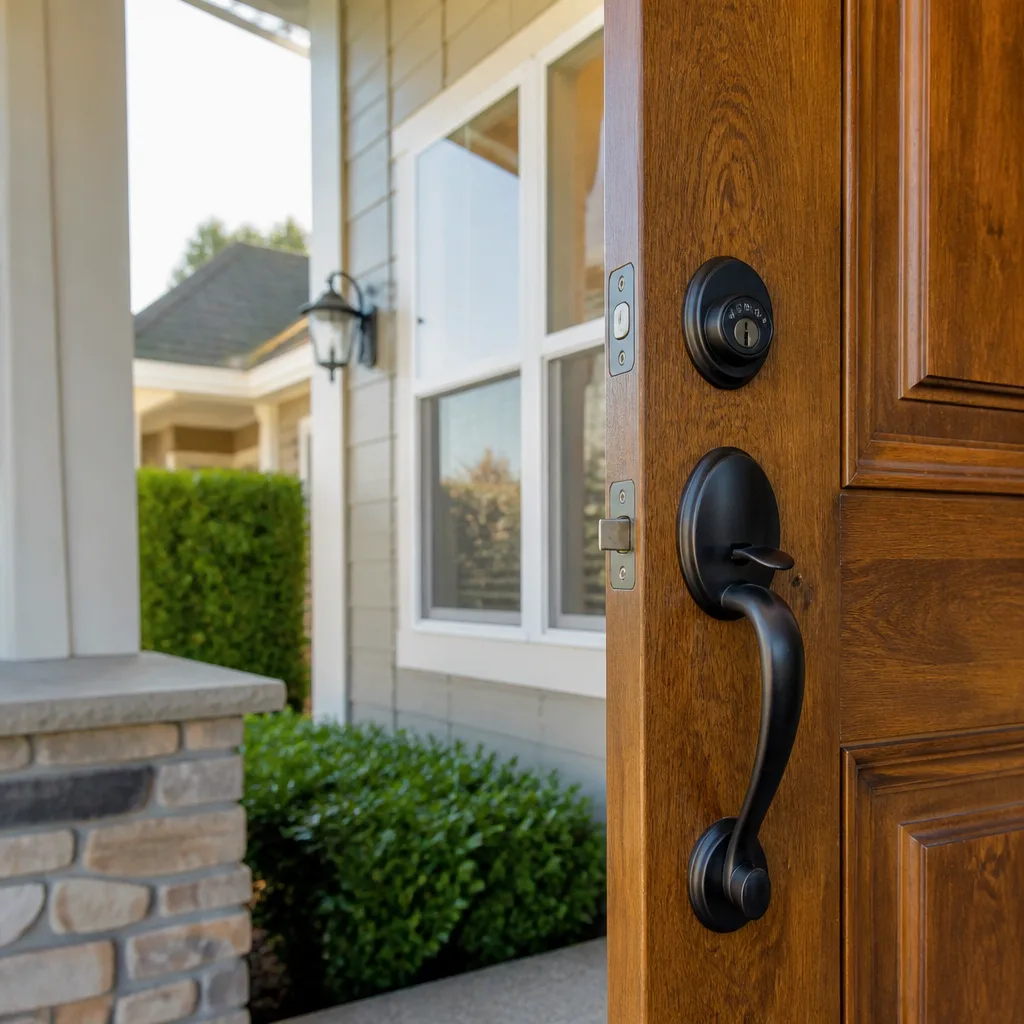
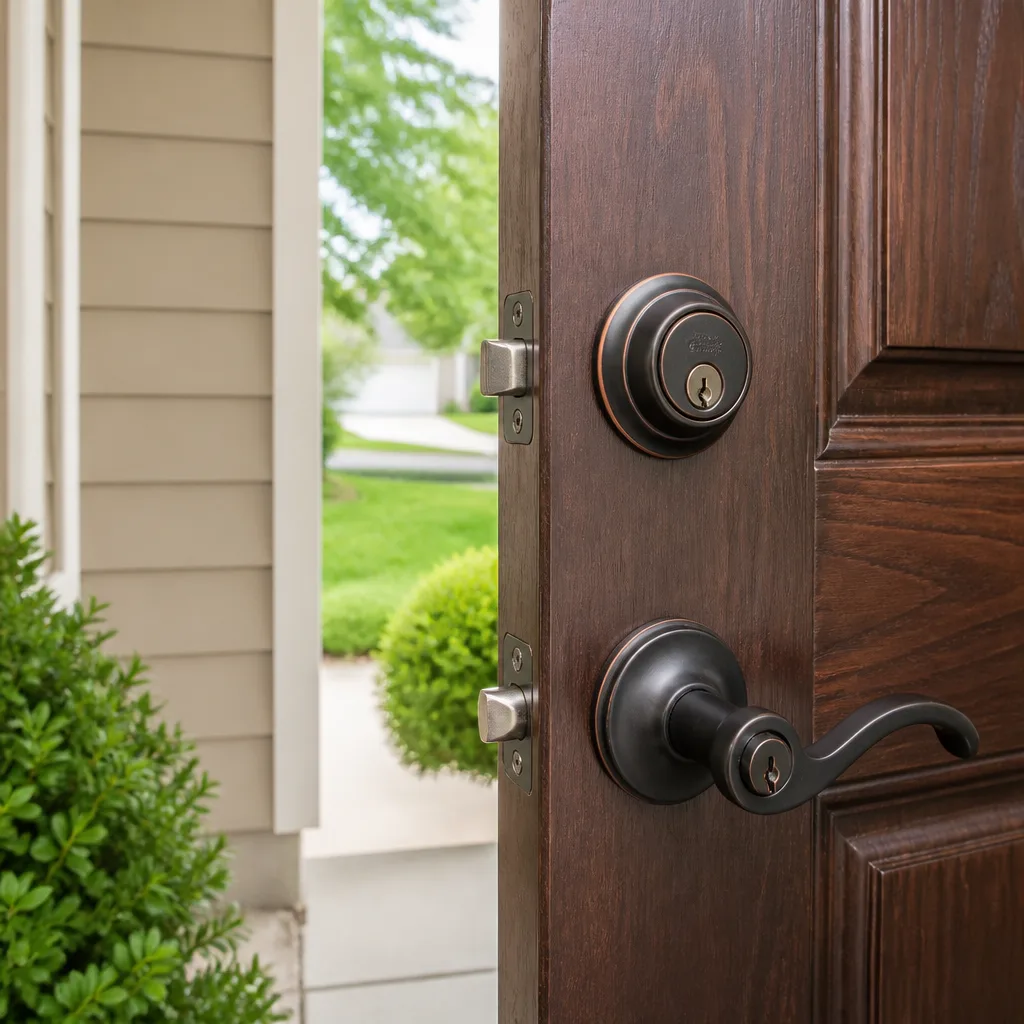
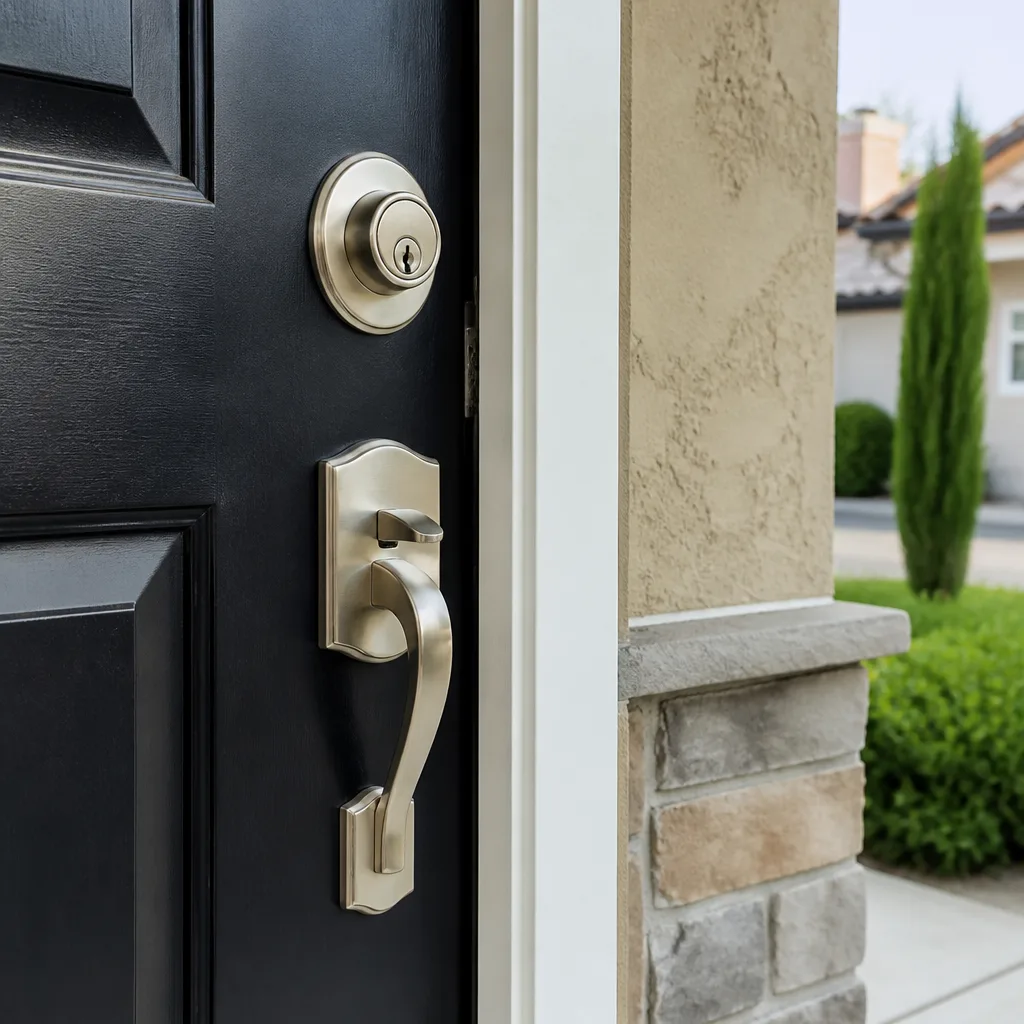
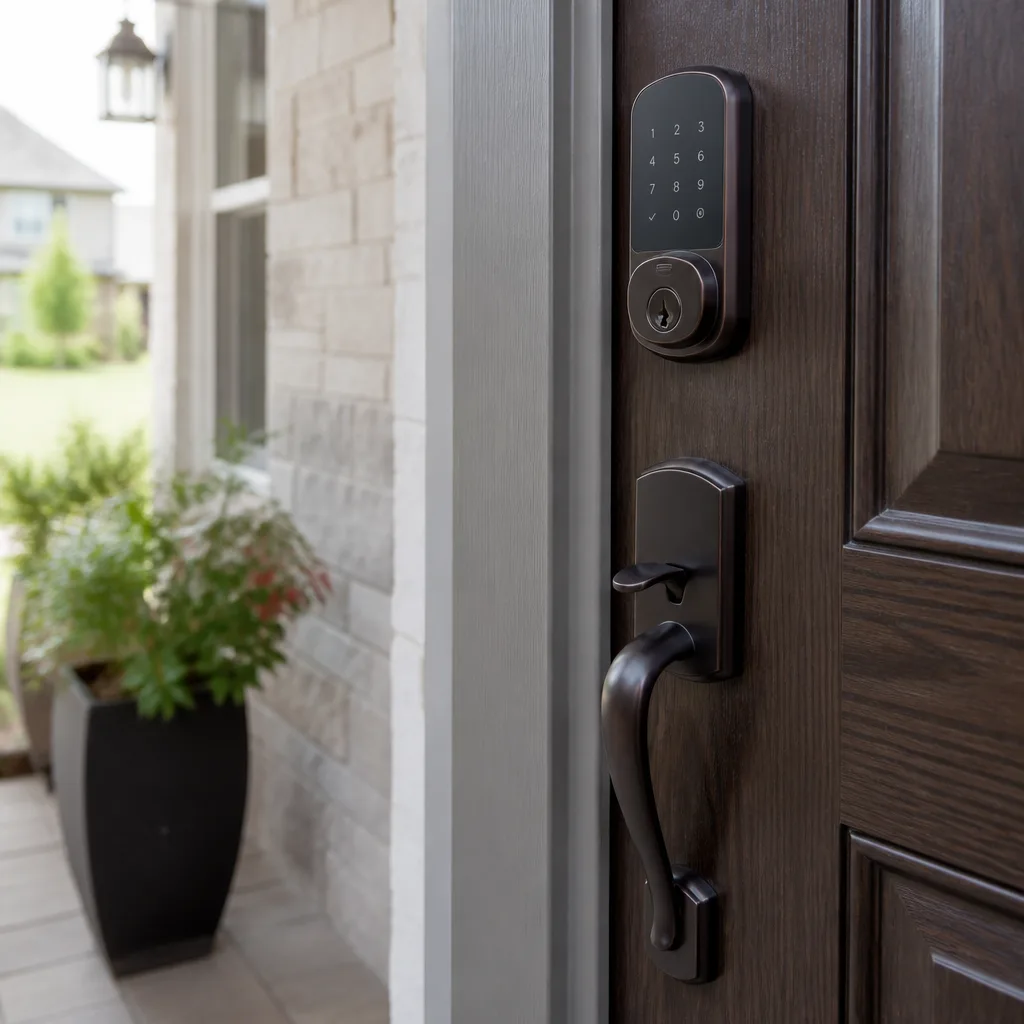
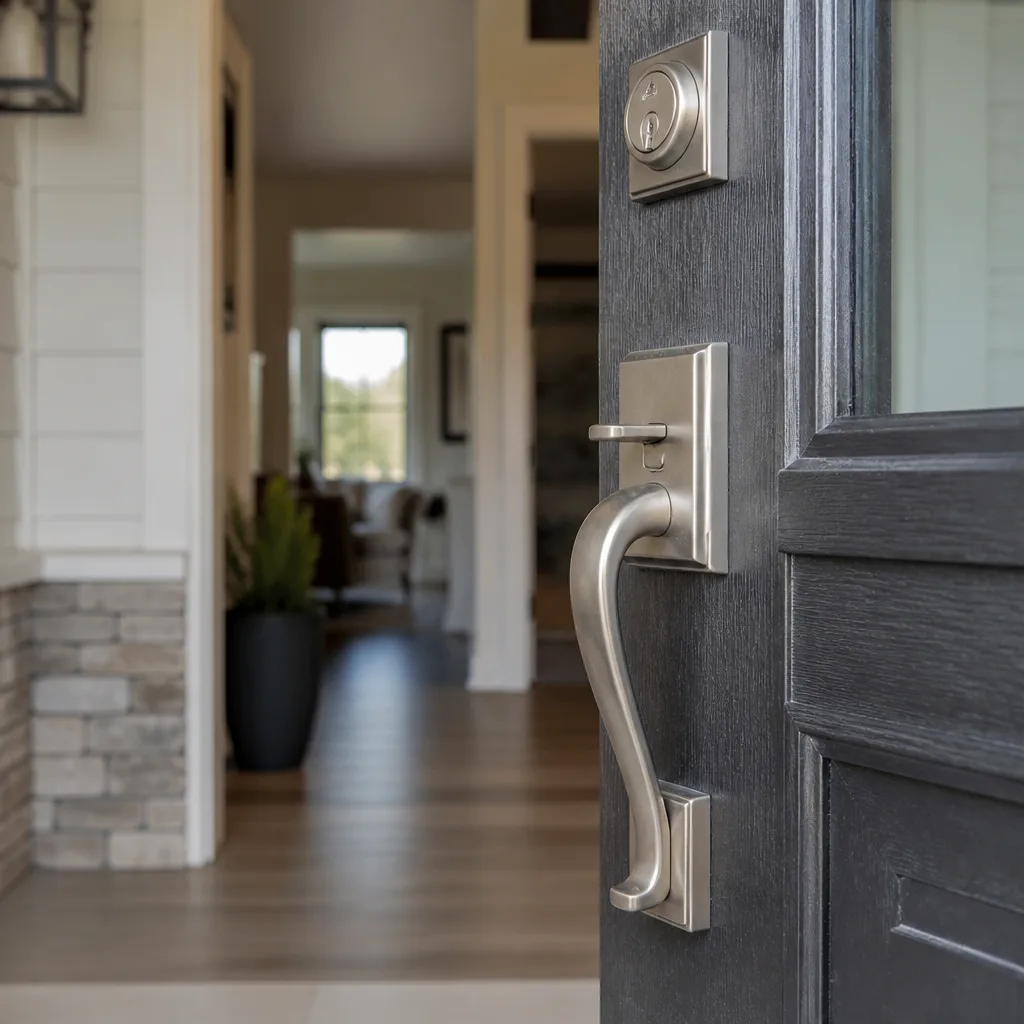
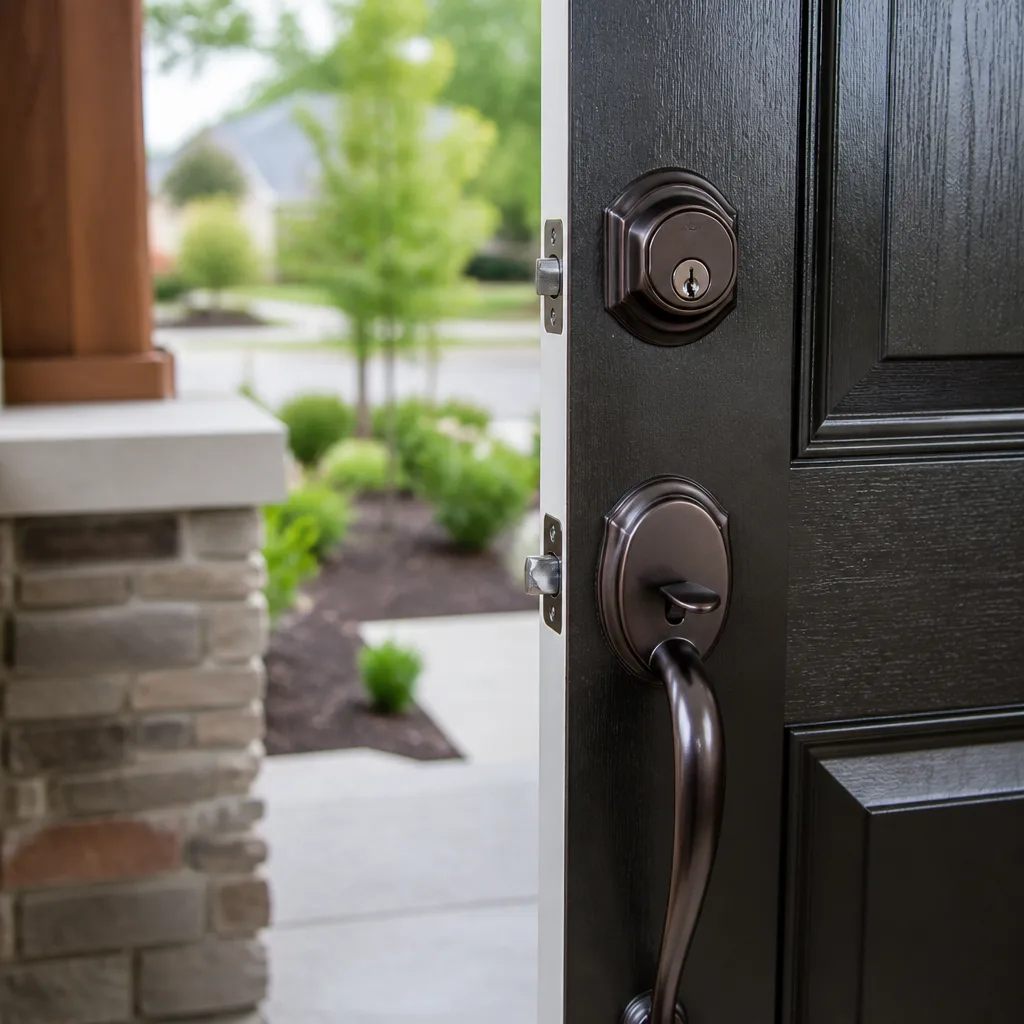
Commercial Locksmith Maintenance Schedule: What to Do and When
The average commercial door lock in a high-traffic Los Angeles business cycles open and closed more than 50,000 times a year. Think about that number for a second. Fifty thousand turns of a key, fifty thousand twists of a handle, fifty thousand times a deadbolt slams into a strike plate. Yet most commercial property owners in Los Angeles schedule exactly zero preventive maintenance until the day a lock seizes up at 7:40 AM with a line of employees waiting outside. This guide lays out a real, calendar-based maintenance schedule tied to how businesses actually use their doors, what to check at each interval, and how to make the whole thing someone else’s job to remember.
Quick Answer
A commercial locksmith maintenance schedule should include quarterly visual inspections and lubrication for high-traffic doors, semi-annual deep service for cylinders and panic hardware, and annual full audits of every locking point across the property. For businesses that want professional help, our Commercial Locksmith services cover all of these intervals. Most Los Angeles businesses should budget $180 to $450 per year per high-use door for scheduled maintenance, depending on hardware type and traffic volume. The alternative, waiting for failure, reliably turns a $90 service call into a $400 emergency repair with overtime labor.
Table of Contents
- Why Commercial Locks Fail on a Schedule
- Matching Maintenance Intervals to Business Type
- Quarterly Inspection: The 20-Minute Checklist
- Semi-Annual Deep Service: Cylinders, Deadbolts, Panic Bars
- Annual Full Audit: Every Locking Point on the Property
- How Los Angeles Climate Accelerates Lock Wear
- The Paper Trail: Service Records for Insurance and Liability
- Building Maintenance Into a Commercial Locksmith Service Agreement
Why Commercial Locks Fail on a Schedule
Commercial locks do not fail randomly. They fail according to use patterns that are predictable to the day. A retail storefront door on Melrose Avenue gets opened 150 to 300 times per day depending on foot traffic. A warehouse roll-up door on Alameda Street gets cycled 40 times per shift by forklift operators and dock workers. An office suite door in Century City might see 80 cycles daily but with softer handling than a delivery entrance. Each of those patterns produces a different failure timeline: retail doors wear cylinders fastest, warehouse padlocks and hasps corrode from diesel exhaust and weather exposure, and office locks suffer more from key duplication drift than mechanical wear.
What this means in practice is that a generic “service your locks once a year” recommendation is not much better than no schedule at all. A retail door in Los Angeles that gets 300 cycles a day is putting 100,000-plus cycles on its cylinder annually. Compare that to a storage closet door in the same building that gets opened twice a week. Treating both the same wastes money on the storage closet and under-services the storefront. The maintenance schedule has to follow the traffic.
We have walked into Los Angeles businesses where the front door deadbolt had been dragging for two months before anyone called. By the time we arrived, the cylinder had seized and the key had snapped off in the lock on a Friday evening. That turned into an after-hours extraction, cylinder replacement, and a lesson in what a $90 maintenance visit could have prevented. The pattern is the same everywhere: small friction becomes big failure, and big failures always seem to land outside business hours.
Matching Maintenance Intervals to Business Type
The right interval for your commercial locksmith maintenance schedule depends on one number: how many cycles your highest-use door sees in a day. Here is how that breaks down for common Los Angeles business types.
Retail and Restaurant Storefronts
Interval: Quarterly service, semi-annual cylinder replacement on main entry.
A storefront door in a Los Angeles shopping district like Abbot Kinney Boulevard or Larchmont Village can easily see 250 to 400 open-and-close cycles daily across customers, staff, and deliveries. That is 90,000 to 145,000 cycles per year on a single lockset. Commercial grade cylinders are rated for roughly 50,000 to 100,000 cycles before key insertion becomes sloppy and internal pins start to wear unevenly. In retail, preventive cylinder replacement every two years on the main entry, with quarterly lubrication and strike plate torque checks in between, is the cost-effective play. Waiting for the cylinder to fail means a locked-out storefront during business hours, which in Los Angeles retail means lost revenue measured in hundreds of dollars per hour.
Office Buildings and Professional Suites
Interval: Semi-annual service on entry doors, annual on interior locking points.
Office environments in Los Angeles business districts like Glendale, Burbank, and downtown see lower cycle counts, typically 60 to 120 per day on the main entry. The bigger issue in offices is key control. When a business has 40 employees and only the front desk knows how many copies of the key exist, that is a security gap. Semi-annual service calls are the right moment to audit key inventory, verify that every issued key still belongs to a current employee, and check for keyway wear that indicates heavy duplication. We also see more balancing issues on office doors than retail, because office doors are heavier and get propped open more often, which bends hinges and shifts the deadbolt alignment over time.
Warehouses and Industrial Facilities
Interval: Quarterly for personnel doors, monthly visual check on padlocks and hasps.
Warehouse doors in Los Angeles industrial corridors like Vernon, Commerce, and the San Fernando Valley take abuse that office doors never see. Forklift near-misses, dock dust, exhaust residue, and employees yanking on a door while holding a clipboard all add up. Padlocks and hasps on gates and roll-up doors corrode faster near the ports and in areas with salt air influence. We recommend a monthly visual walkthrough that any warehouse manager can do: check each padlock for rust, confirm the shackle seats fully, and verify that the hasp screws are not backing out. Then let a commercial locksmith do the mechanical work quarterly: lubricating cylinders, checking spring tension, and catching small problems before they become overnight burglaries.
Quarterly Inspection: The 20-Minute Checklist
Here is exactly what a quarterly commercial locksmith maintenance visit should cover, and what you can check yourself between visits. This is the heart of a maintenance schedule that actually prevents failures instead of just documenting them. For step-by-step diagnostics, see Commercial Locksmith Troubleshooting: Common Problems and How to Fix Them.
- Key insertion and turn test. Insert the key and turn slowly. Any catching, grinding, or resistance that was not there before means metal-on-metal wear inside the cylinder. On commercial grade hardware like Schlage or Baldwin cylinders, this should be buttery smooth every single time.
- Deadbolt throw alignment. With the door open, thumb-turn the deadbolt fully extended and look at the bolt. On a properly maintained commercial lock, the bolt extends fully with one smooth motion. If it stops short or requires jiggling, the door has shifted and the bolt is binding against the strike plate.
- Strike plate torque. Put a screwdriver on the strike plate screws and tighten. In high-cycle Los Angeles doors, these screws back out constantly from vibration and thermal expansion. A loose strike plate lets the deadbolt sit loose in the frame, which is how you get those jiggling, sticking locks that drive employees crazy.
- Handle and latch function. The handle should return to center on its own after release, and the latch should click into the strike plate without slamming. Anything sloppy here indicates a worn return spring or a misaligned latch.
- Lubrication. A dry graphite or PTFE-based lubricant into the keyway and on the latch mechanism. Never use oil-based lubricants like WD-40 in a lock cylinder; they gum up in Los Angeles heat and make the problem worse.
- Visual check for tampering. Look for fresh scratches around the keyway, marks on the faceplate, or a keyway that has been drilled or picked. In a city with Los Angeles’s property crime volume, early tampering detection is a security issue, not just a mechanical one.
The full quarterly visit typically takes 20 to 30 minutes per door and runs $65 to $110 per door depending on hardware type and whether the locksmith is already on site for other work. That is roughly the cost of a single after-hours emergency service fee, which puts the math in perspective.
Semi-Annual Deep Service: Cylinders, Deadbolts, Panic Bars
Twice a year, the maintenance schedule should go deeper than a visual and functional check. The semi-annual visit is when a commercial locksmith disassembles or partially services the hardware that a quarterly visit only inspects. This is where the money gets saved, because most commercial lock failures begin as small internal wear that only shows up under a technician’s hands.
What Gets Serviced at the Semi-Annual Visit
- Cylinder disassembly and pin check. For high-use doors on Kwikset, Schlage, or Medeco commercial cylinders, the locksmith removes the cylinder, disassembles the plug, and checks pin wear. Worn pins get replaced before they snap, which is a $15 part instead of a $200 emergency cylinder swap.
- Deadbolt backset and alignment adjustment. As commercial doors shift with building movement and thermal expansion, the deadbolt’s throw path changes. The deep service includes repositioning the strike plate or adjusting the door itself if the frame has shifted enough to affect operation.
- Panic bar and exit device testing. If the business has panic hardware, it has a life-safety function that no other lock on the property carries. Semi-annual testing of panic bars confirms that the latch retracts with the legally required pressure and that no one has accidentally damaged the device.
- Keypad and electronic lock battery check. If the business uses keypad locks or electronic access control, battery voltage should be checked at the semi-annual visit. On many commercial keypads, low battery warning gives only 50 to 100 additional cycles before the lock refuses to open. We have seen Los Angeles businesses locked out in the morning because they ignored the low-battery chirp for two weeks.
- Key audit. Count issued keys, identify who holds each one, and flag any employee who left and never returned a key. Semi-annual key audits are how a business discovers that a terminated employee still has building access six months later.
For a typical Los Angeles commercial property with three to six entry doors, the semi-annual deep service visit runs $200 to $350 and takes about two hours. Businesses that do this consistently report, in our experience, a dramatic drop in emergency calls: the small problems get caught at the semi-annual visit instead of becoming after-hours failures.
Annual Full Audit: Every Locking Point on the Property
The annual audit is the maintenance schedule’s cornerstone. Once a year, every single locking point on the property gets documented, inspected, and evaluated for whether it still meets the business’s security needs. This is not the same as the quarterly and semi-annual service visits, which focus on high-use entry doors. The annual audit goes everywhere.
The Annual Audit Process
- Complete locking point inventory. The technician documents every door, every lock, every keypad, every padlock, and every access control point on the property, including closets, file rooms, roof hatches, and electrical rooms. That inventory becomes the baseline for next year’s audit.
- Hardware condition grading. Each lock gets a grade: good, watch, or replace. Locks in the “watch” category get scheduled for replacement at the next semi-annual visit rather than waiting to fail.
- Key hierarchy review. For businesses using master key systems or high-security cylinders like Medeco or Mul-T-Lock, the annual audit includes checking the key hierarchy against current employee roles. Staff who changed departments but kept their old keys are a security gap that only shows up in an audit.
- Security upgrade recommendations. The annual audit is the right moment to evaluate whether the current hardware still fits the business. A retail space that added $50,000 in inventory since last year needs better locks than it did before. A business that suffered a break-in attempt should consider high-security cylinders.
- Written service record. The audit produces a written document listing every lock, its condition, and any work performed. That document matters for reasons beyond maintenance, which the next section covers.
An annual full audit typically runs $300 to $600 for a small to mid-size commercial property in Los Angeles, depending on the number of locking points. The value is in the paper trail and the advance warning, not just the servicing itself.
How Los Angeles Climate Accelerates Lock Wear
Los Angeles has a reputation for mild weather, but from a locksmith’s perspective, the Los Angeles climate beats on commercial hardware in specific and predictable ways. Understanding these effects is part of why a Los Angeles business needs a different maintenance schedule than a business in Phoenix or Seattle.
The most significant factor is coastal humidity. Businesses within about five miles of the Pacific Ocean, in neighborhoods like Santa Monica, Venice, Playa del Rey, and Long Beach, deal with salt air and marine-layer moisture that corrodes brass and steel lock components faster than inland locations. A brass padlock on a gate in Venice will show green corrosion within 18 months of installation, while the same padlock in Pasadena lasts three years or more. Coastal businesses need quarterly lubrication as a corrosion countermeasure, not just a friction reduction.
Inland, the issue flips to heat and dryness. The San Fernando Valley regularly hits 100 degrees in summer, and dry air with high UV exposure breaks down the plastic and rubber components inside electronic locks and keypads. Keypad buttons crack, battery compartments warp, and the thin lubricant film inside cylinders evaporates. Businesses in Woodland Hills, Northridge, and Burbank should schedule their semi-annual service in the fall, after the worst of the summer heat, so the locks get re-lubricated and electronic components get checked before the winter rainy season.
Humidity in the summer monsoon season, when Los Angeles gets its occasional tropical moisture surges, can also cause the metal doors themselves to expand and contract across the day. Commercial storefront doors in older buildings shift measurably between cool morning and hot afternoon, which throws off deadbolt alignment. That is part of why strike plate torque checks appear on every quarterly visit and why Los Angeles-specific maintenance schedules include more alignment checks than the national average.
The Paper Trail: Service Records for Insurance and Liability
Every commercial business in Los Angeles should keep a signed service record from every locksmith visit. The reason goes far beyond knowing when the next oil change is due.
After a break-in or an attempted break-in, the insurance adjuster will ask a specific set of questions: When was the last time the locks were serviced? Who performed the service? What condition were the locks in? Businesses that can produce signed commercial locksmith service records answers those questions cleanly. Businesses that cannot look like they neglected their own security, and that affects claim outcomes and premiums.
For liability defense, the paper trail matters even more. Imagine a scenario where an employee claims they were locked out of the building at night, or a customer claims they were injured by a malfunctioning door lock. The signed service record establishes that the lock was inspected, aligned, lubricated, and functioning correctly on a specific date by a qualified professional. Without that paperwork, the business is arguing from memory against an incident that may have happened months earlier.
Los Angeles businesses also face a specific regulatory angle: certain commercial properties, including multi-unit residential buildings and buildings with fire-rated exit doors, have code obligations to maintain exit hardware in working condition. A service record from a licensed commercial locksmith is evidence of compliance if the city or the fire department ever asks. The paper trail is not bureaucracy. It is protection.
We tell every commercial client we work with in Los Angeles the same thing: keep the record in a binder or a digital folder, and make sure every visit produces a signed document that lists the work performed, the date, and the technician’s name. If your locksmith does not provide this by default, ask for it. If they refuse, find another locksmith.
Building Maintenance Into a Commercial Locksmith Service Agreement
The most effective way to ensure a commercial locksmith maintenance schedule actually happens is to write it into a service agreement with a single provider. Here is what that looks like in practice and how to negotiate the terms.
What a Maintenance Clause Should Include
- Specific visit intervals. The agreement should specify exactly when maintenance visits occur: quarterly, semi-annual, annual, or a custom schedule based on your door traffic. “We’ll come by when you call” is not a maintenance program.
- Scope of work per visit. A good agreement lists what gets done at each visit tier, so there is no confusion about whether a quarterly visit includes cylinder service or just visual inspection.
- Pricing locked in writing. The agreement should specify the per-visit cost up front, in writing, so maintenance costs are predictable. This is the same principle as Dunmore Locksmith home pricing: the number you agree to is the number you pay.
- Priority emergency response. Businesses on a maintenance agreement typically get faster response when something does fail, because the locksmith knows the building, the hardware, and the key system already.
- Written service records after every visit. The agreement should guarantee a signed service record after every scheduled and unscheduled visit.
Negotiating the Contract
When you sit down with a commercial locksmith to build a maintenance agreement, the most important question is about what happens when something is missed. If the quarterly visit was scheduled for March and the locksmith shows up in June, the agreement should have a remedy. If the semi-annual service was performed but a lock failed the next week, does the agreement cover the repair? These terms should be explicit before you sign.
Dunmore Locksmith is part of the Residential Locksmith in Los Angeles network that also serves commercial properties, and every commercial maintenance agreement we write follows the same principle as our residential work: full pricing in writing before any service, a clear scope of work, and a written guarantee on repairs. The 365-Day Done Right Promise applies to our commercial maintenance work as well: if a repair we performed fails within a year, we return at no charge. That gives a Los Angeles business owner a concrete, enforceable commitment rather than a vague promise.
The maintenance clause does not have to be complicated. Its real function is making the schedule someone else’s job to remember. Once it is in the agreement, the locksmith’s phone rings, not yours, and the quarterly visit happens on its own. That is the difference between a schedule you wrote in a spreadsheet and a schedule that actually runs.
Common Mistakes to Avoid
- Waiting for failure to call a locksmith. The entire point of a maintenance schedule is to prevent the $400 after-hours emergency. Every month a business puts off scheduled maintenance, the probability of a lock failure climbs.
- Using oil-based lubricants on lock cylinders. Products like WD-40 create a temporary fix and then attract dust, which combines with the oil into a paste that accelerates wear. A Los Angeles locksmith sees this constantly.
- Ignoring low-battery warnings on keypads and electronic locks. Many commercial keypad locks give only 50 to 100 cycles of warning before the batteries die completely, which means a locked-out morning if the warning is ignored for a week.
- Not keeping service records. A maintenance visit without a signed record is a maintenance visit that never happened from an insurance adjuster’s perspective. The paper trail is part of the maintenance.
- Using a residential locksmith for commercial hardware. Panic bars, high-security cylinders, and master key systems require different tools and training. A locksmith who only works on single-family homes may not have the right equipment for commercial exit devices.
- Treating every door the same. The storage closet and the front entry do not need the same service interval. Maintenance schedules should follow door traffic, not arbitrary uniform timelines.
- Not accounting for Los Angeles climate in the schedule. Coastal businesses need corrosion-focused maintenance, while Valley businesses need heat and UV-focused checks. A generic schedule ignores both.
When to Call a Professional
Any time a commercial lock shows resistance, jamming, or requires jiggling to operate, a professional should look at it before it gets worse. More specific warning signs include a deadbolt that will not fully extend, a key that only works in one direction, a handle that feels loose, or a keypad that has started chirping. Learn to spot trouble early with Commercial Locksmith Warning Signs Every Homeowner Should Know. None of these things fix themselves. In a commercial setting, a broken lock is a revenue problem and a security problem at the same time.
If you are in Los Angeles and need a maintenance schedule built for your specific property, Dunmore Locksmith offers free estimates and can assess your current hardware. Call (910) 714-4287 for a free estimate. We will walk the property, count the locking points, and tell you honestly what the maintenance schedule should look like, in writing, before any work starts.
Frequently Asked Questions
Quarterly maintenance visits in Los Angeles typically run $65 to $110 per high-use door, semi-annual deep service runs $200 to $350 for a typical three-to-six-door property, and an annual full audit runs $300 to $600 depending on the number of locking points. Get a written quote before scheduling, and confirm that the visit includes a signed service record. Call (910) 714-4287 for a free estimate on any commercial maintenance scope.
High-traffic commercial doors should be serviced quarterly, with semi-annual deep service for cylinders and exit hardware, and an annual full audit of every locking point. The exact interval depends on daily door cycles: retail storefronts need quarterly service, office buildings can usually do semi-annual, and warehouse personnel doors should get monthly visual checks with quarterly mechanical service.
A quarterly inspection includes key insertion and turn testing, deadbolt throw alignment checking, strike plate screw tightening, handle and latch function testing, dry lubricant application, and a visual tampering check. Each door takes about 20 to 30 minutes. The quarterly visit is preventive: it catches small problems before they become after-hours failures.
You can lubricate your own commercial locks if you use the right product: a dry graphite or PTFE-based lubricant. Never use oil-based sprays like WD-40, which gum up in Los Angeles heat and accelerate wear. For anything beyond basic lubrication, such as cylinder disassembly or deadbolt alignment, a professional should handle the work, especially on commercial exit hardware where a mistake creates a life-safety problem.
Los Angeles heat causes metal doors and frames to expand, which shifts the deadbolt’s alignment against the strike plate. This creates the sticking and jiggling that businesses notice most in summer. The fix is usually a simple strike plate adjustment or a torque check on the screws, which is part of a quarterly maintenance visit rather than an emergency call.
Yes, a legitimate commercial locksmith provides a signed service record after every visit, documenting the date, the technician’s name, and the work performed. This record is essential for insurance claims after a break-in and for liability defense if a lock-related incident occurs. Refuse to work with a locksmith who will not provide written documentation.
Our Door Lock Repair in Los Angeles service includes a written service record on every visit, commercial or residential, because the paper trail protects the property owner. If you need a Change Door Locks in Los Angeles recommendation for a commercial rekey or lock replacement, the same documentation standard applies.
The Bottom Line
A commercial locksmith maintenance schedule is not a luxury add-on. For a Los Angeles business, it is the difference between a predictable $90 quarterly visit and an unpredictable $400 after-hours emergency that closes the doors during revenue hours. The schedule should be mapped to actual door traffic: quarterly for retail and high-cycle entries, semi-annual for offices, monthly visual plus quarterly mechanical for warehouses. The work should produce a signed service record every time. And the whole thing should live inside a written service agreement so the schedule is the locksmith’s job to remember, not yours. The cost of prevention is a fraction of the cost of failure.
Written by Perry Osgood, Owner at Dunmore Locksmith, serving Los Angeles since 2007.