
Last updated October 8, 2026
Non-destructive entry first, always - and we re-key Schlage, Kwikset, and Baldwin locks on the spot while you watch
You get a price before we start. It does not change when we arrive. No surprises.
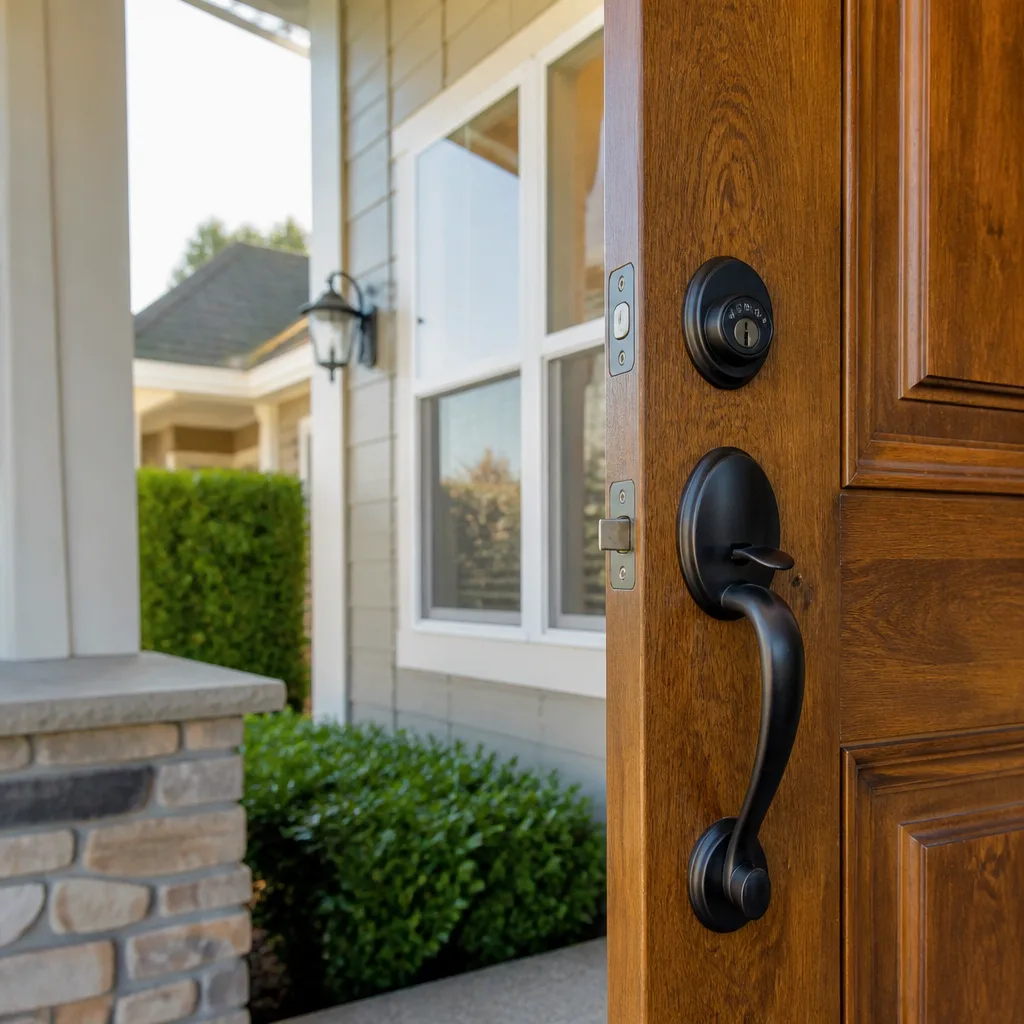
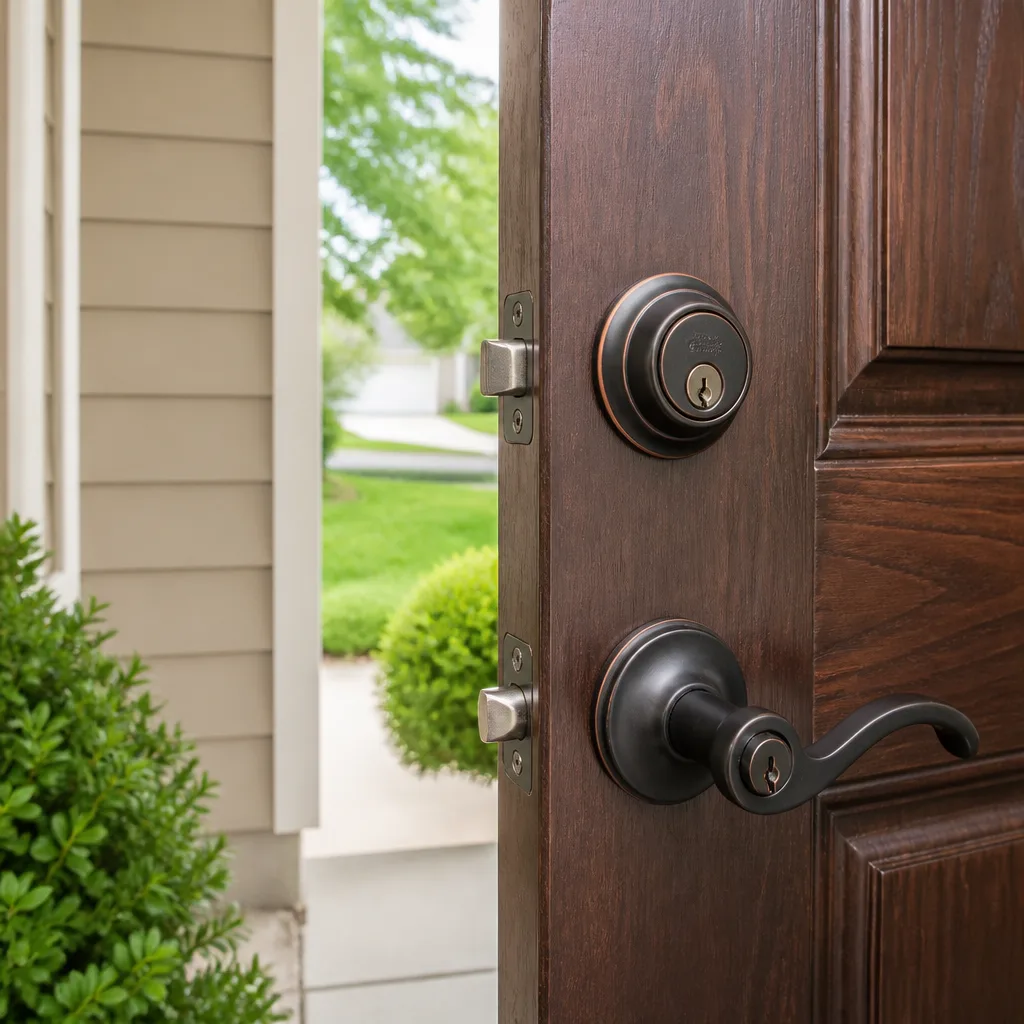
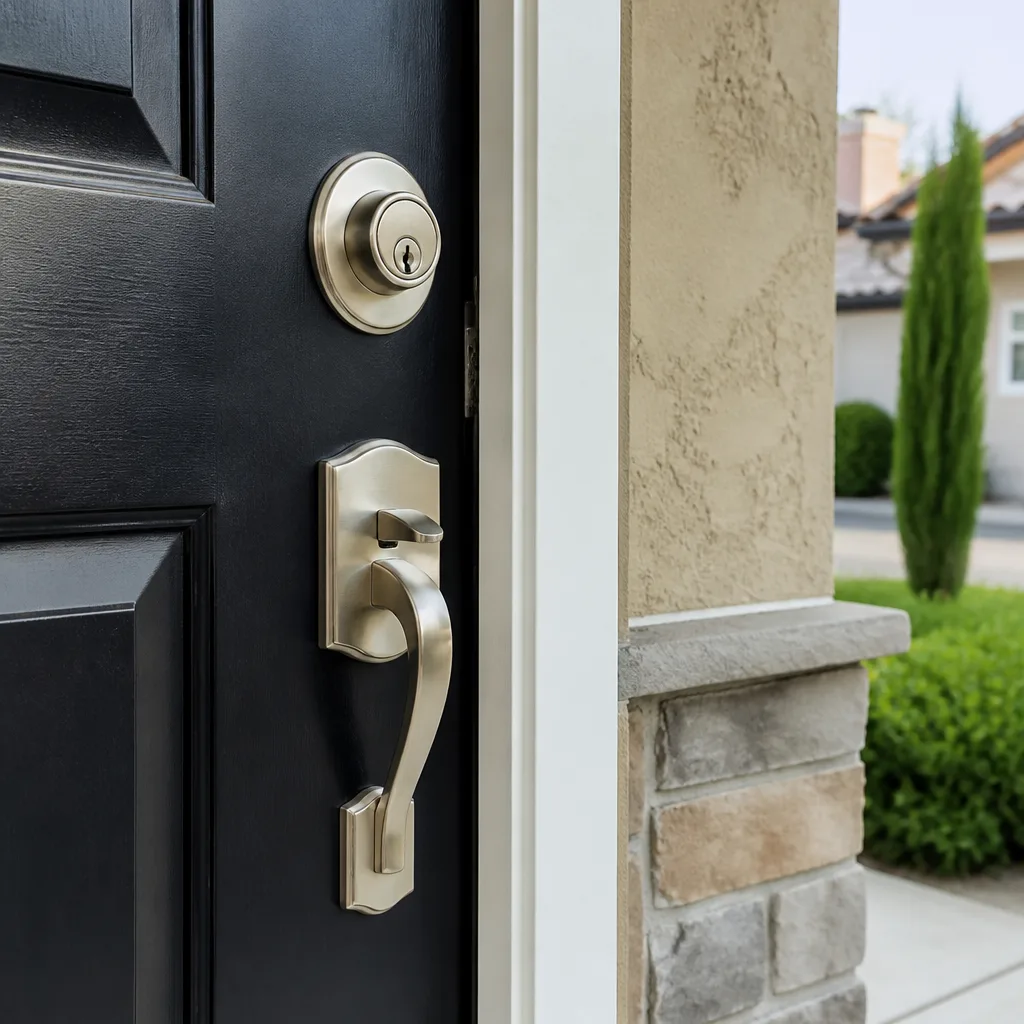
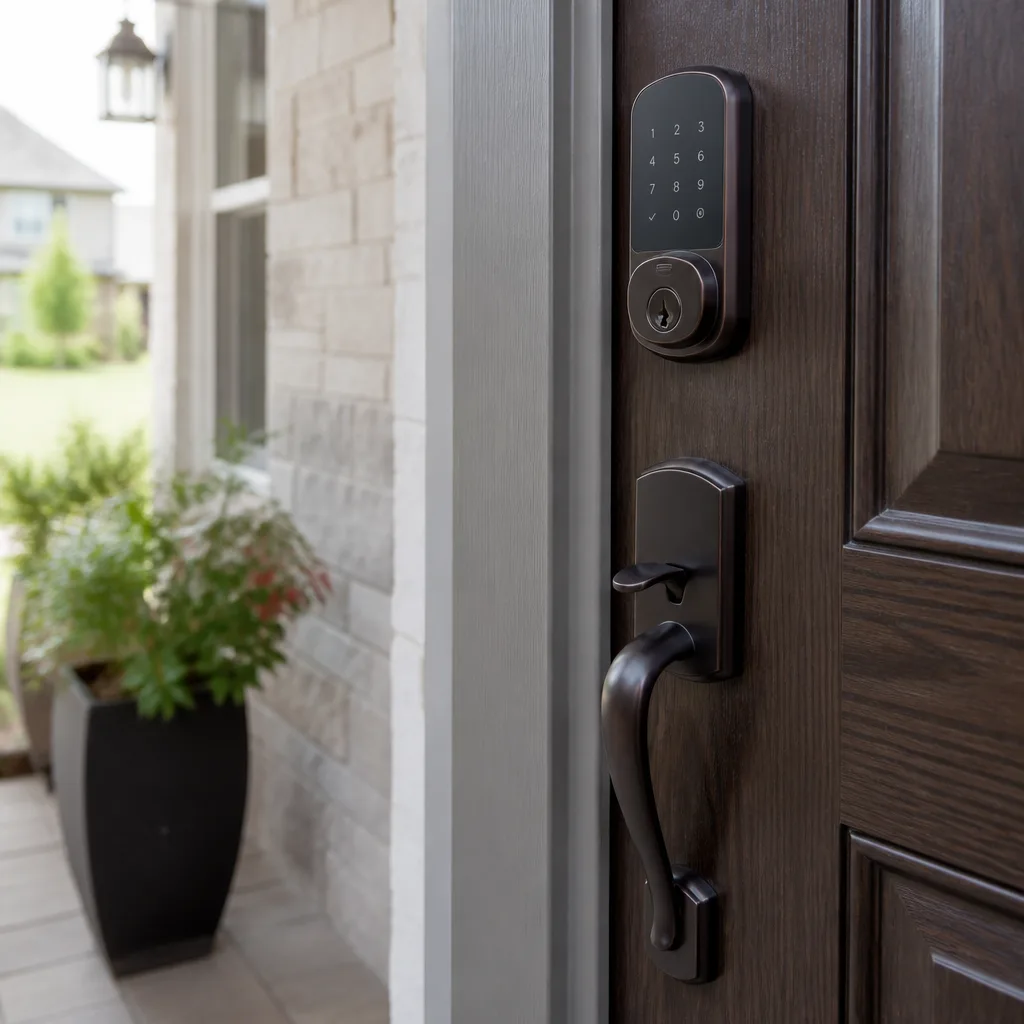
Commercial Locksmith Warning Signs Every Homeowner Should Know
The title says homeowner, but let’s be direct about why this matters more than you think: a sticky key on your back door is annoying. A sticky key on the back door of a business in Los Angeles is a liability with a clock on it. Every warning sign we’ll cover here applies equally to the lock on your front door and the one on your office stockroom, but the cost of ignoring the commercial version is categorically different. When a commercial lock fails, you’re not just risking your belongings. You’re risking your employees, your inventory, and the general liability coverage that keeps your business alive.
We’re Perry Osgood and the team at Dunmore Locksmith, serving Los Angeles since 2007. We’ve watched doors in downtown high-rises and Silver Lake storefronts give out years of silent warnings before anyone paid attention. This guide strips the mystery from those warnings so you can act before a $40 cylinder replacement becomes a $4,000 break-in claim your insurer questions. Here’s what the commercial locksmith trade knows that most business owners and homeowners never hear.
Quick Answer
The most common commercial locksmith warning signs are a key that sticks or binds in the cylinder, a door that won’t latch flush into the strike plate, a deadbolt that meets resistance halfway through its throw, and electronic access readers that pause before granting entry. Any of these on a high-traffic door means the lock has weeks, not months, before full failure. On a commercial property in Los Angeles, that timeline shrinks further because of daily cycle counts, coastal air, and the legal reality that documented neglect of visible lock symptoms can shift liability toward the business owner in a break-in claim.
Table of Contents
- The Sticky Key: Cylinder Wear and What It Actually Means
- The Door That Won’t Latch Flush: Strike Plate Shift and Building Settling
- The Deadbolt That Binds Halfway: Heat Cycling and Frame Warp in Los Angeles
- Electronic Access Control Warning Signs That Get Ignored
- Lubrication vs. Replacement: How to Tell Before You Call Anyone
- The Insurance Angle: When a Neglected Lock Becomes a Liability Gap
- Daily Cycle Math: Why Commercial Doors Fail Faster Than You Expect
- What Not to Do When You Spot a Warning Sign
The Sticky Key: Cylinder Wear and What It Actually Means
A key that sticks, catches, or needs a jiggle before it turns is not being dramatic. It’s reporting physical wear inside the cylinder. In a pin-tumbler cylinder, which is what you’ll find on most Schlage, Kwikset, and Yale hardware, the key lifts spring-loaded pins to a shear line. When the key works perfectly, those pins ride smoothly. When the cylinder has years of use, the pin chambers wear into slight ovals. The pins begin to catch on microscopic burrs. Debris from daily key insertion, especially in Los Angeles where fine dust and coastal grit find their way into everything, accelerates this wear. The result is the kind of stickiness that most people describe as “the lock is getting old.”
On a residential door that gets locked and unlocked six times a day, this wear can take a decade to become a real problem. On a commercial door, the math changes completely. A back door at a restaurant might see the key inserted 80 times in a single shift. The office manager, the line cook, the delivery driver, the closing supervisor, each one cycles the lock. That’s roughly 20,000 key insertions per year on a single cylinder. The same wear that takes ten years to develop at home appears in eighteen months.
What we see in Los Angeles, particularly in neighborhoods like Koreatown and the Fashion District, is cylinders that are technically still functioning but feel like they’re chewing on the key. Some business owners compensate by using more force. That’s the mistake that turns a $40 cylinder repair into a snapped key extraction and a $180 service call. When a commercial lock starts sticking, the cylinder is telling you its mechanical life is near the end. The fix is a rekey or cylinder replacement, not graphite spray.
The Door That Won’t Latch Flush: Strike Plate Shift and Building Settling
When a commercial door used to close with a solid click and now needs a push, a shoulder bump, or a second attempt, the cause is rarely the lock mechanism itself. In our experience across Los Angeles, the most common culprit is strike plate shift. The strike plate is the flat metal plate screwed into the door frame that the latch bolt slides into. Over years of use and thousands of door closings, the screws holding that plate can back out slightly. The plate drifts a millimeter or two. The latch bolt, which used to slide cleanly into the cutout, now catches on the edge.
There’s a second cause that’s especially common in Los Angeles commercial buildings: frame movement. Many older commercial structures in neighborhoods like Highland Park, Boyle Heights, and Long Beach sit on soils that expand and contract with rainfall cycles. The building settles by fractions of an inch. When the door frame shifts even slightly out of square, the relationship between the latch and the strike plate changes. The door still closes, but the latch no longer seats fully. You can see the gap: the door looks closed, but the latch isn’t fully thrown into the strike.
Here’s the critical distinction. A door that won’t latch flush is not a lock problem yet. It’s a frame and alignment problem that is actively wearing down the lock. Every time someone shoulder-bumps that door, the latch bolt hammers the edge of the strike plate. The bolt loosens. The plate bends further. What starts as a 5-minute adjustment can become a full lock replacement if it’s ignored for a few months.
On a commercial property, a door that doesn’t latch flush is also a security signal. It tells anyone watching that the door may not be fully secured. We’ve seen break-ins in Los Angeles where the entry point was a back door that looked closed but wasn’t latched, and the business owner didn’t know until morning. If your commercial door needs a push to latch, address it this week, not next month.
The Deadbolt That Binds Halfway: Heat Cycling and Frame Warp in Los Angeles
A deadbolt that throws smoothly for half its travel and then meets resistance is sending a specific message: the door and frame are no longer aligned with the bolt’s path. The deadbolt is a solid steel rod. It doesn’t bend. When it binds, the misalignment is in the door or the frame, not the bolt. In Los Angeles, the usual cause is heat cycling.
Think about what a commercial door endures over a single summer. Morning temperatures in the 60s, afternoon highs over 90 in the Valley, and direct sun on a metal door or frame for eight hours. Metal expands when it heats. A steel door in a Van Nuys loading dock can measurably change dimension between 6 a.m. and 3 p.m. Wood frames in older commercial buildings, common in areas like Echo Park and Westlake, swell and contract with humidity and temperature. Over years of these daily cycles, the frame permanently warps. The door hangs slightly out of true. The deadbolt, which was perfectly aligned when installed, now catches on the edge of its strike opening.
The warning sign is that half-throw bind. You feel the deadbolt hit something solid. People respond by lifting the door handle, pushing the door, or using a little extra muscle. Each of those responses bends the deadbolt tailpiece or wears the bolt-to-strike contact point. After enough cycles, the tailpiece, which is the thin metal connector between the cylinder and the bolt, snaps. That’s a complete lockout. No key will help because the internal connection is broken.
This failure mode is avoidable if you treat the binding deadbolt as a warning rather than an annoyance. The fix is usually a strike plate adjustment or a realignment of the door. It’s a repair we do regularly across Los Angeles, and it costs far less than the emergency lockout and lock replacement that follows a snapped tailpiece.
Electronic Access Control Warning Signs That Get Ignored
Electronic access control systems fail differently than mechanical locks, and their warning signs are easier to dismiss. A mechanical lock announces itself with a sticky key. An electronic reader just pauses. People adapt. The credential takes two seconds instead of a half-second. The card gets rejected once and accepted on the second swipe. The door-held-open alarm chirps, someone silences it, and everyone moves on. Each of these is a warning sign with a specific cause.
Delayed reader response, meaning a consistent pause between presenting a credential and the lock releasing, usually points to a failing reader module or a degraded connection between the reader and the controller. In Los Angeles commercial buildings, especially older structures that were retrofitted for access control, the wiring was often run decades ago. Heat in ceilings, moisture from roof leaks, and simple aging degrade those connections. The reader still works, but it’s working less reliably each month.
Intermittent credential rejection is another sign that gets brushed off. An employee swipes a fob and gets denied. They swipe again and it works. Management assumes the fob is the problem. In our experience, the fob is rarely the problem. The reader is losing sensitivity. The internal antenna that reads the chip or the strip is wearing out. When a reader starts rejecting valid credentials intermittently, it’s nearing the end of its service life. On a door that controls access to a server room or a stockroom with high-value inventory, that’s not a minor inconvenience. That’s a security control that is quietly becoming optional.
Door-held-open alarms that trigger without cause are the third sign. These alarms exist to tell you a door has been held open beyond its programmed time. When they fire on a door that is properly closed, the magnetic contact sensor is misaligned or failing. The danger is not just the nuisance alarm. It’s that the same sensor that’s now reporting false alarms may soon stop reporting real ones. A door that is actually propped open might not trigger the alarm, because the sensor is no longer reliable. That’s a false sense of security on a door that exists specifically to control who enters.
For any of these electronic warning signs, the responsible move is to call a commercial locksmith in Los Angeles who works with access control. This is not a job for a general handyman. The systems, especially high-security hardware from brands like Sargent and Mul-T-Lock, require specific diagnostics and programming tools.
Lubrication vs. Replacement: How to Tell Before You Call Anyone
Here’s a skill that will save you money on any door, residential or commercial: knowing when a lock needs lubrication and when it needs replacement. Most people guess. The guess is usually wrong in the expensive direction if they call a handyman, or wrong in the dangerous direction if they just spray something in and hope.
The $15 fix, lubrication, only solves one specific problem: friction between clean, unworn metal surfaces. If a lock is stiff because the internal parts are dry, a professional-grade lubricant applied correctly will restore smooth operation. The key test is consistency. A lock that needs lubrication feels uniformly stiff through the entire turn of the key. There’s no catching, no grinding, no resistance that comes and goes. It’s just tight, the way a dry hinge is tight.
The $200-and-up fix, cylinder or lock replacement, is required when the lock shows any of these signs, which we’ve covered above: a key that catches or sticks at a specific point in the rotation, a deadbolt that binds at a specific point in its throw, visible metal shavings around the keyhole, a key that works intermittently, or a cylinder that shows visible scoring around the plug. Any of these means the internal components are worn or damaged beyond what lubrication can fix. Spraying lubricant into a worn cylinder is like oiling an engine that’s already thrown a rod. It might feel better for a day, then it fails completely.
A note on lubricants, because we see this mistake constantly in Los Angeles: never use WD-40 in a lock. WD-40 is a water displacer and solvent, not a lock lubricant. It temporarily frees things up, then it dries into a gummy residue that attracts dust and makes the problem worse. We use dry graphite or a Teflon-based lubricant for mechanical cylinders. For electronic locks, nothing gets sprayed inside. The lubricant can damage the internal sensor and void the warranty on hardware from brands like Baldwin and Sargent.
The real decision comes down to this: if you can feel the key catch, grind, or hang at a specific point, you’re past lubrication. Call a locksmith. For more on when to change versus repair your locks, see our dedicated guide. The diagnosis is usually free, and the repair cost is always less than the emergency that follows a lock that gives out completely.
The Insurance Angle: When a Neglected Lock Becomes a Liability Gap
This section is the one most “locksmith tips” articles never mention, and it’s the one most likely to cost you real money. Insurance companies investigate commercial break-in claims. They don’t just write a check and move on. A claims adjuster will look at the point of entry. They will look at the lock. And they will look for evidence that the business owner knew, or reasonably should have known, that the lock was failing.
A documented failure to address visible lock symptoms can shift liability to the business owner. Here’s what “documented” means in practice. If an employee reported a sticking back door lock in an email two months before a break-in, that’s documentation. If a maintenance log shows repeated complaints about a deadbolt that wouldn’t throw fully, that’s documentation. If a security camera shows employees shoulder-bumping a door closed for six weeks because the latch wouldn’t catch, that’s documentation. All of these are discoverable in a claim investigation. And all of them give the insurer a reason to deny or reduce the claim on the grounds of negligence.
We’ve seen this in Los Angeles more times than we’d like to count. A small business in the Arts District loses inventory to a break-in. The door was forced. But the deadbolt had been binding for weeks, and the owner had been using a pair of pliers to turn the key. The insurer’s investigator finds the pliers on the desk next to the door. The claim gets denied. The business owner is out the inventory, the repair, and the premium increase. All of it was avoidable with a $150 deadbolt repair done weeks earlier.
The takeaway is not that insurance companies are looking for excuses, though they are. The takeaway is that visible lock failure on a commercial door is a form of negligence. It’s the same category as a broken stair that’s been taped off for a month or a fire exit that’s been blocked. You can’t claim you didn’t know. The lock was telling you every day. When you notice a warning sign and do nothing, you’re making a decision that a liability risk is acceptable. Your insurer may very reasonably disagree.
Daily Cycle Math: Why Commercial Doors Fail Faster Than You Expect
The single most useful thing to understand about commercial locks is the math. A residential front door gets cycled, meaning locked and unlocked, maybe ten times a day on a busy household. A commercial door is a different animal entirely. Here’s the reality of daily cycle counts on common commercial doors in Los Angeles:
Let’s walk through a single day at a restaurant in Los Feliz. The manager arrives at 7 a.m. and unlocks the back door. That’s one cycle. The morning prep cooks arrive over the next hour, each propping the door or locking it behind them. Add 8 cycles. The delivery driver comes through at 9 a.m., the produce order at 10 a.m., the liquor order at 11 a.m. Add 6 cycles. Lunch service starts. The back door opens every time someone takes out trash, takes a smoke break, or accepts a delivery. Add 20 cycles. Afternoon prep, evening shift change, dinner service, closing. By the time the last person locks up at 11 p.m., that single cylinder has been cycled 60 to 80 times. In one day.
An office building in Century City has different math but the same result. A single suite door might cycle 40 times a day as employees come and go. The stairwell door, the parking access door, the server room door, each of these has its own count. Add them together, and a single commercial property can generate 200 cycles a day across its locks.
Now do the annual math. A residential lock at 10 cycles a day sees about 3,650 cycles a year. A commercial lock at 70 cycles a day sees over 25,000 cycles a year. That’s seven years of residential wear in a single commercial year. A lock that a manufacturer rates for 100,000 cycles, which is a robust lifespan, still lasts less than four years on a busy commercial door. And that’s if it was properly installed and maintained. Most commercial locks in Los Angeles are not maintained. They’re installed and forgotten until they fail.
When a commercial lock shows warning signs, this math is why the timeline is weeks, not months. The same wear that would take six more months to fail on a residential door will finish the job on a commercial door in six weeks. The lock is not waiting for you. It’s counting cycles. On a busy door, every single day matters.
What Not to Do When You Spot a Warning Sign
When a lock starts showing warning signs, the instinct for many business owners is to try a quick fix. We understand the impulse. Downtime costs money. Calling someone feels slow. But there are specific things we see done to commercial locks that turn a $40 problem into a $400 problem. Here’s what not to do:
Do not spray WD-40 into the lock. We covered this above, but it bears repeating because it’s the most common mistake we see in Los Angeles. WD-40 is a solvent, not a lubricant. It will dissolve the existing lubricant in the cylinder, provide temporary relief, and then dry into a sticky film that captures dust and grit. The lock will feel worse within a few weeks, and the internal wear will be accelerated.
Do not force a sticking key. When a key resists, the response should be to stop, not to push harder. Key metal is softer than the pins inside the cylinder. Forcing a key that’s catching on a worn pin will eventually snap the key off in the lock, leaving you with a key extraction job that costs more than the cylinder repair would have. We’ve removed snapped keys from commercial locks in every neighborhood in Los Angeles, from Studio City to San Pedro. Most of them could have been avoided by respecting the warning sign.
Do not shave or file down the edge of a strike plate yourself. A door that isn’t latching can sometimes be “fixed” by enlarging the opening in the strike plate with a file or a Dremel. This does allow the latch to seat, but it also creates slop in the door’s closed position. The door will rattle. The latch will have play. And crucially, a strike plate that has been improvised to fit is a red flag for a commercial property inspector and, more importantly, for that insurance investigator we mentioned earlier.
Do not ignore the warning on a fire-rated or exit door. Many commercial doors in Los Angeles are code-regulated. Exit doors, stairwell doors, and doors on certain occupancy types must meet specific latching, self-closing, and fire-rating requirements. If one of these doors is showing warning signs, it’s not just a lock issue. It’s a code compliance issue. Modifying the lock, the strike plate, or the door frame yourself can put the building out of compliance. This is a situation where a professional locksmith who knows Los Angeles building code is the only responsible call.
Common Mistakes to Avoid
- Assuming a commercial lock works like a residential lock. It doesn’t. The wear rate is seven to ten times higher. A commercial lock that’s been in service for five years on a busy door is effectively at end-of-life, even if it looks fine from the outside.
- Treating every lock problem as an emergency. Most lock warning signs are repairs that can be scheduled during business hours. The emergency, and the emergency pricing that comes with it, only happens if you ignore the warning. Call when the key first sticks, not when it snaps.
- Calling a general handyman for a commercial lock. Commercial locks, especially high-security hardware from Mul-T-Lock or Sargent, require specific training and tools. A handyman can swap a residential knob. They should not be touching a commercial access control system or a high-security cylinder.
- Failing to keep a record of lock maintenance. We discussed the insurance angle above, but the flip side is that documented maintenance is your best defense in a claim dispute. Keep records of when locks were serviced, what was done, and who did it. A folder of invoices is cheap insurance against a denied claim.
- Ignoring the ‘small’ warning signs because the door still works. This is the big one. A door that sticks, binds, or won’t latch is still “working” right up until the day it isn’t. The day it isn’t is never convenient. It’s always a holiday, a late night, or the morning after a delivery. The warning sign is your chance to fix it on your schedule, at your cost, before the emergency pricing kicks in.
- Replacing hardware with mismatched parts. When a cylinder fails on a commercial door with a Baldwin or Yale lockset, the replacement needs to match the existing hardware and keying system. Installing a cheap off-brand cylinder may save money today, but it undermines the key control system and may violate lease or building access agreements. Los Angeles commercial buildings often have master key systems that require specific hardware to maintain.
When to Call a Professional
Call a professional when the warning sign is repetitive, not occasional. A key that sticks once in a cold snap is different from a key that sticks every morning. A deadbolt that binds once after a rainstorm is different from one that binds every evening. When the problem is consistent, the cause is mechanical, and it will get worse.
Call immediately if you feel metal grinding inside the lock, if the key or knob has become difficult to turn with two hands, or if the lock has already failed once and then “started working again.” Locks do not heal. They sometimes work intermittently after a partial failure, but the failure is already in progress. A lock that has failed once will fail again, and the second time is usually permanent. If you’re in Los Angeles and you’re not sure whether a warning sign is serious, call us, or browse our more guides & resources for additional help. Dunmore Locksmith offers free estimates in Los Angeles, and the diagnosis call is straightforward: you describe the symptom, we tell you what it likely means, and we give you a written price before any work starts. Call (910) 714-4287.
Frequently Asked Questions
A lock that sticks, binds, or catches at a specific point in the key turn needs repair or replacement, not lubrication. The specific symptom tells you which: a key that catches on insertion usually means cylinder wear, while a deadbolt that binds halfway through its throw usually means strike plate misalignment. A professional can diagnose the exact cause in minutes. If the cylinder is worn, replacement is the durable fix. If the strike plate has shifted, it’s often a simple adjustment.
A sticking key on a commercial door almost always means cylinder wear. The pin chambers inside the cylinder have become oval from thousands of key insertions, and the key is catching on the worn edges. On a high-traffic commercial door in Los Angeles, this wear develops much faster than on a residential door because the lock is cycled dozens of times daily. It’s a warning that the cylinder is approaching the end of its service life.
You can diagnose it yourself, but the fix depends on the cause. If the strike plate has come loose, a realignment by a professional takes minutes. If the frame has shifted from building settling, the fix may require adjusting the plate position or the door hinges. On a fire-rated or exit door, this is a code issue, and DIY modifications are a mistake. We recommend calling a locksmith rather than guessing.
Commercial locks fail faster because they’re cycled far more often. A residential door might see 10 cycles a day. A commercial door in Los Angeles can see 70 or more. That’s over 25,000 cycles per year, which is seven to ten times the wear of a residential lock. The same cylinder that lasts a decade at home may last three to four years on a busy commercial door, less if it’s not maintained.
Based on our work across Los Angeles, a standard commercial cylinder replacement or rekey typically runs $65 to $120 per lock. A deadbolt repair or strike plate adjustment usually falls between $75 and $150. High-security cylinder work from brands like Medeco or Mul-T-Lock starts higher because of the key control and hardware cost. Every price we quote is written down before work begins, and that written price is the price on the invoice. Call (910) 714-4287 for an exact quote. Our estimates are free.
It can be. If a business owner has documented knowledge of a failing lock, whether through employee reports, maintenance logs, or security footage, and the lock later fails and allows a break-in, the insurer may argue negligence. A pattern of ignored warning signs is discoverable in a claim investigation. The best protection is to address the warning sign when it first appears and keep records of the repair. For homeowner questions about residential lock concerns, our Door Lock Repair in Los Angeles page covers the basics.
The Bottom Line
Commercial locks fail loudly before they fail completely. A sticky key, a binding deadbolt, a door that won’t latch, a reader that pauses: each one is a diagnostic report. On a commercial door, these warnings carry more weight than on a residential door because the cycle count is higher, the timeline to failure is shorter, and the liability if you ignore them is real. The difference between a $15 lubrication and a $250 high-security cylinder replacement is knowable before you call anyone. The difference between a $150 scheduled repair and a denied insurance claim is the decision to act when the warning first appears. We’ve been doing this work in Los Angeles since 2007, and the pattern never changes: the business owners who call us when the key first sticks are the ones who never have to call us at 2 a.m. The phone number is (910) 714-4287 if you want a free diagnosis and a written price.
For more about the full range of locksmith work we do, start at the Dunmore Locksmith home page. If you’re dealing with residential lock issues, our Residential Locksmith in Los Angeles page has the details. And if you’re weighing repair against full replacement, see Change Door Locks in Los Angeles for cost and process guidance.
Written by Perry Osgood, Owner at Dunmore Locksmith, serving Los Angeles since 2007.