
Last updated October 8, 2026
Non-destructive entry first, always - and we re-key Schlage, Kwikset, and Baldwin locks on the spot while you watch
You get a price before we start. It does not change when we arrive. No surprises.
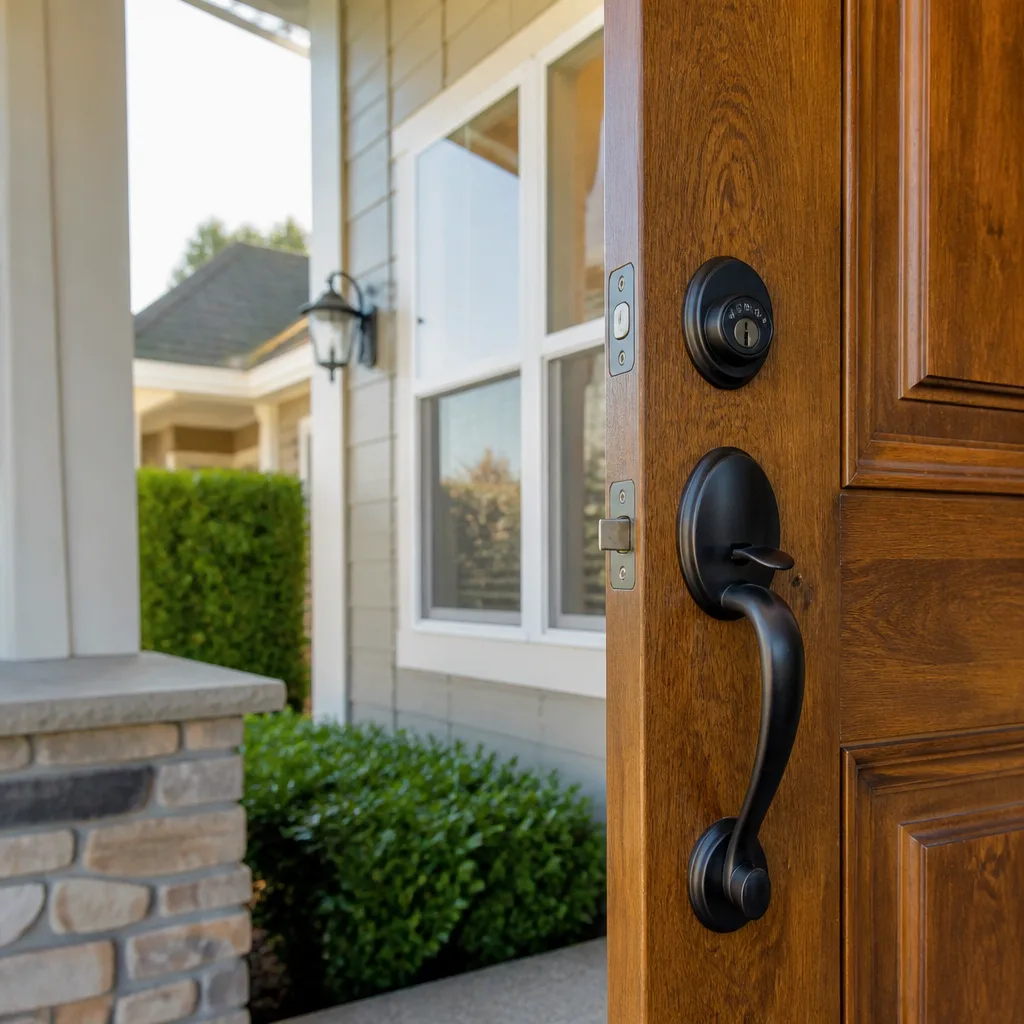
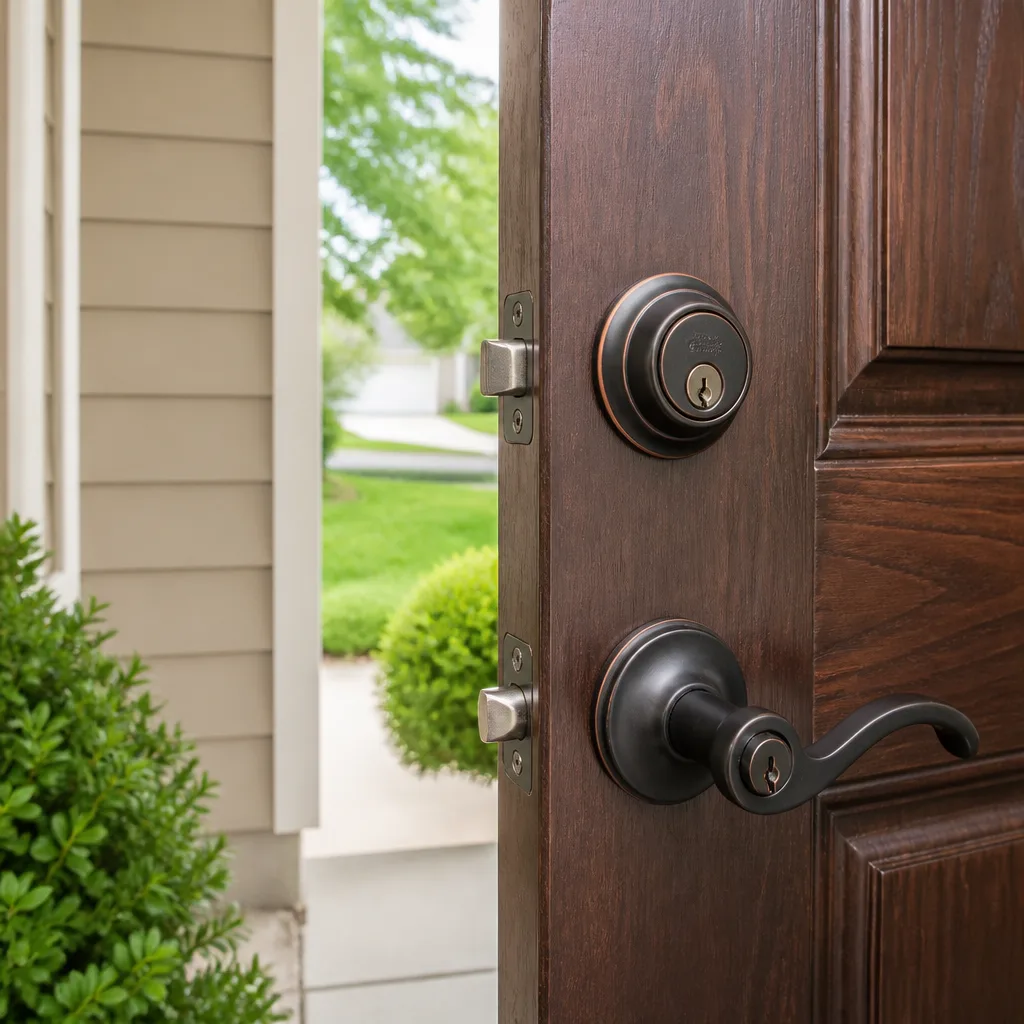
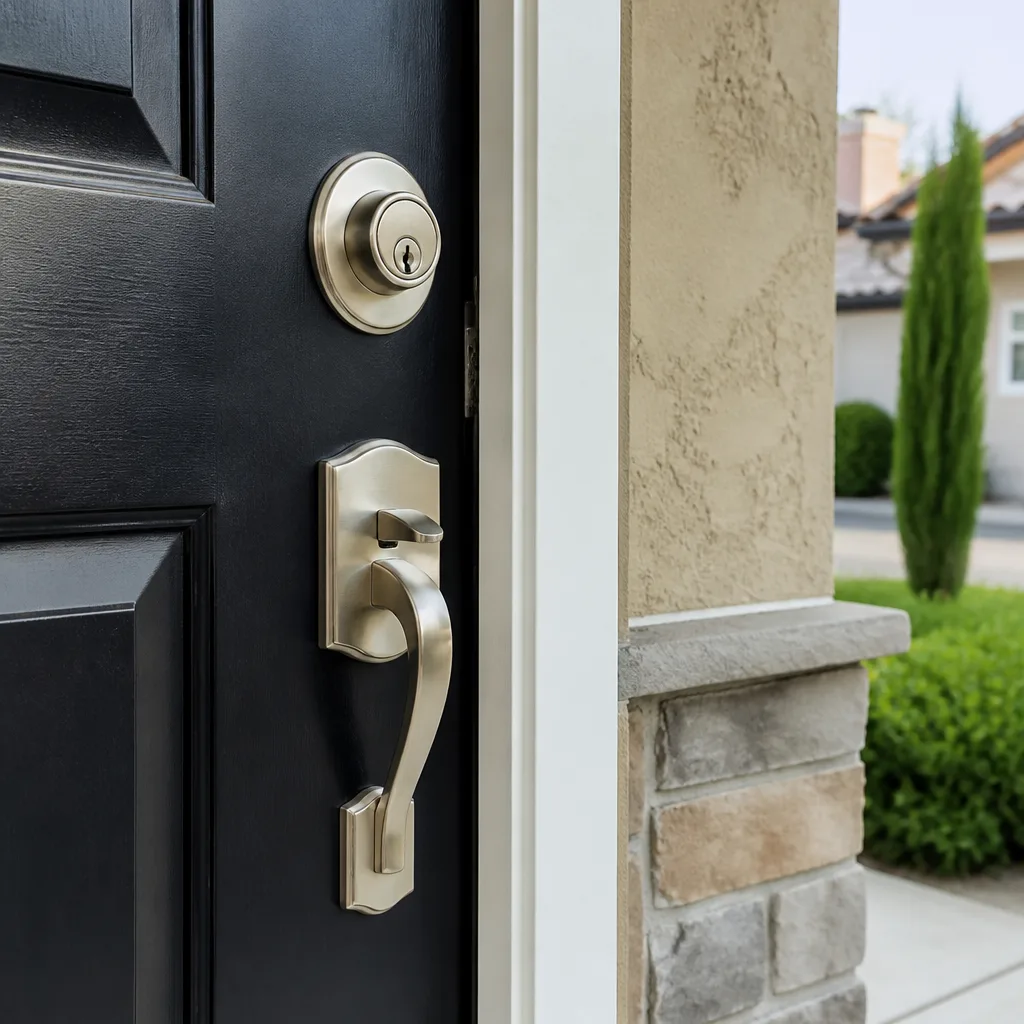
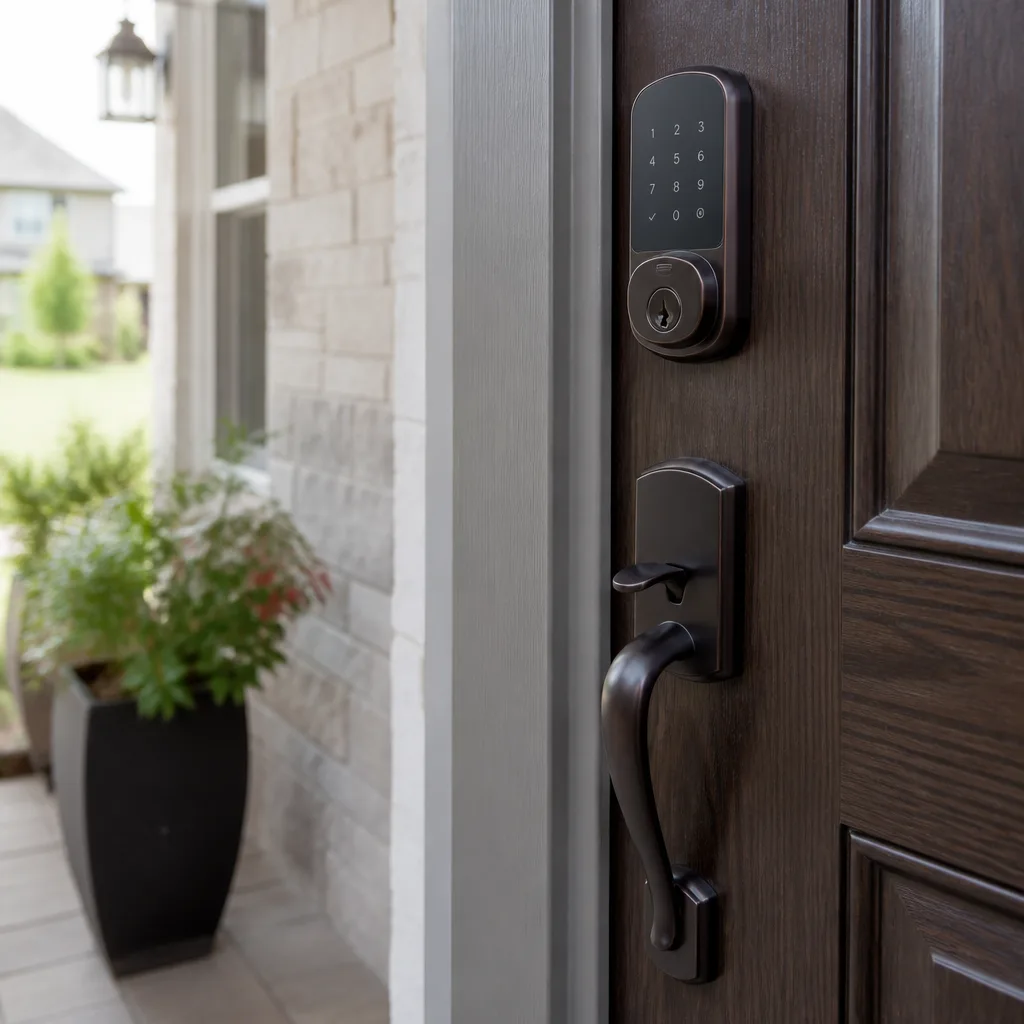
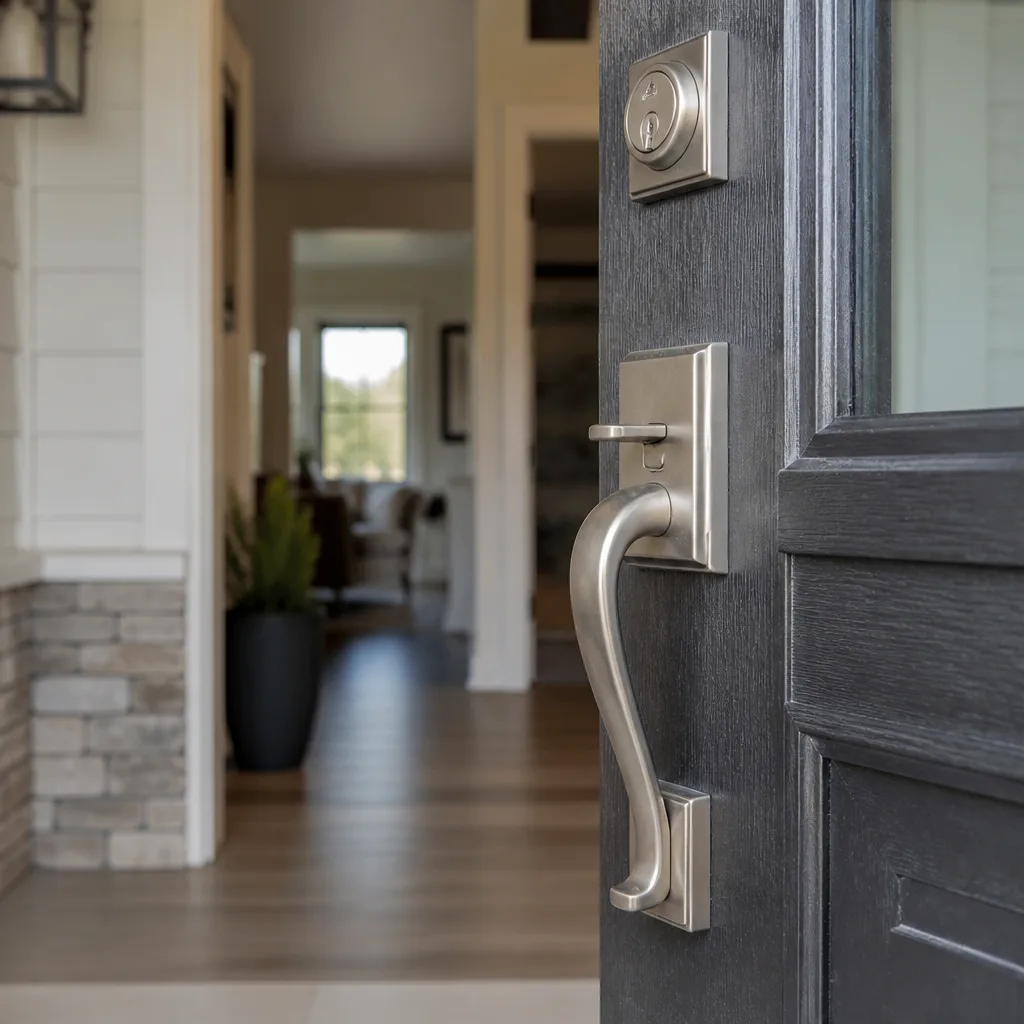
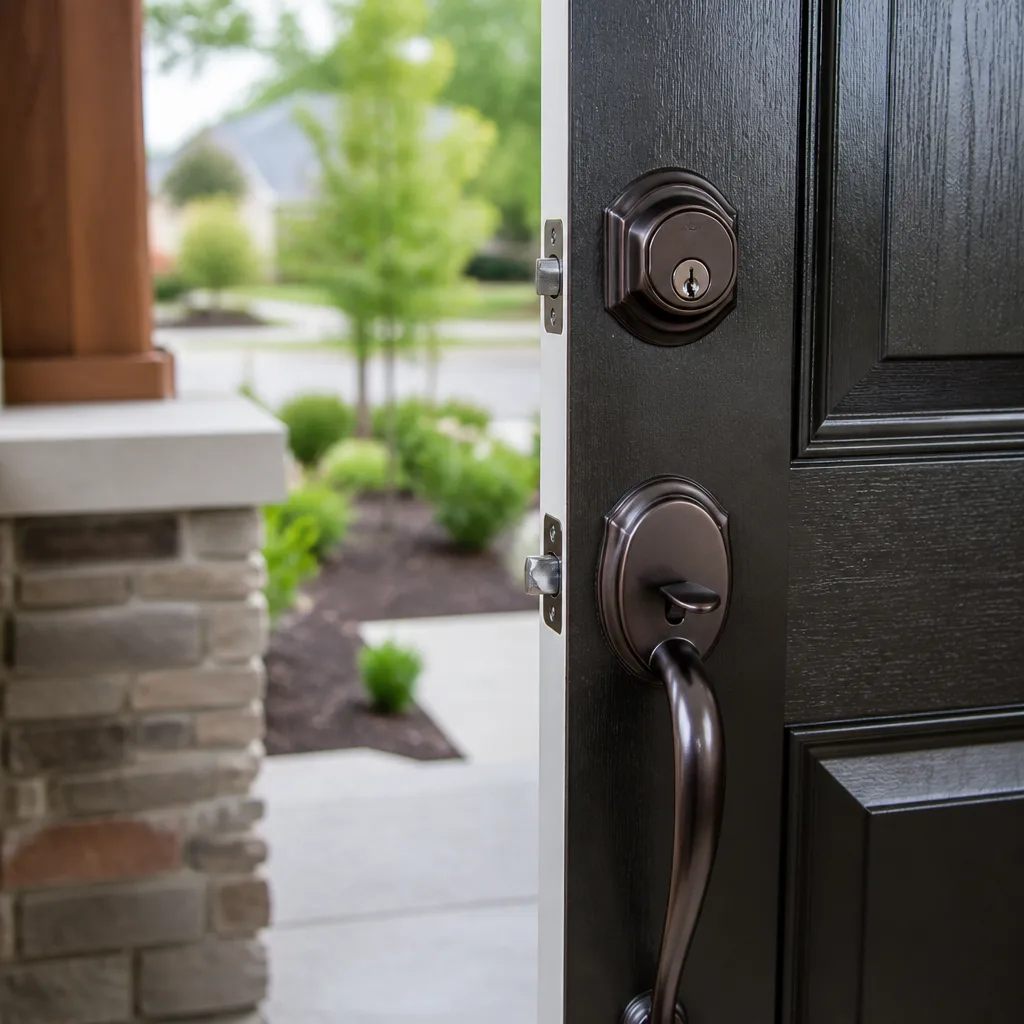
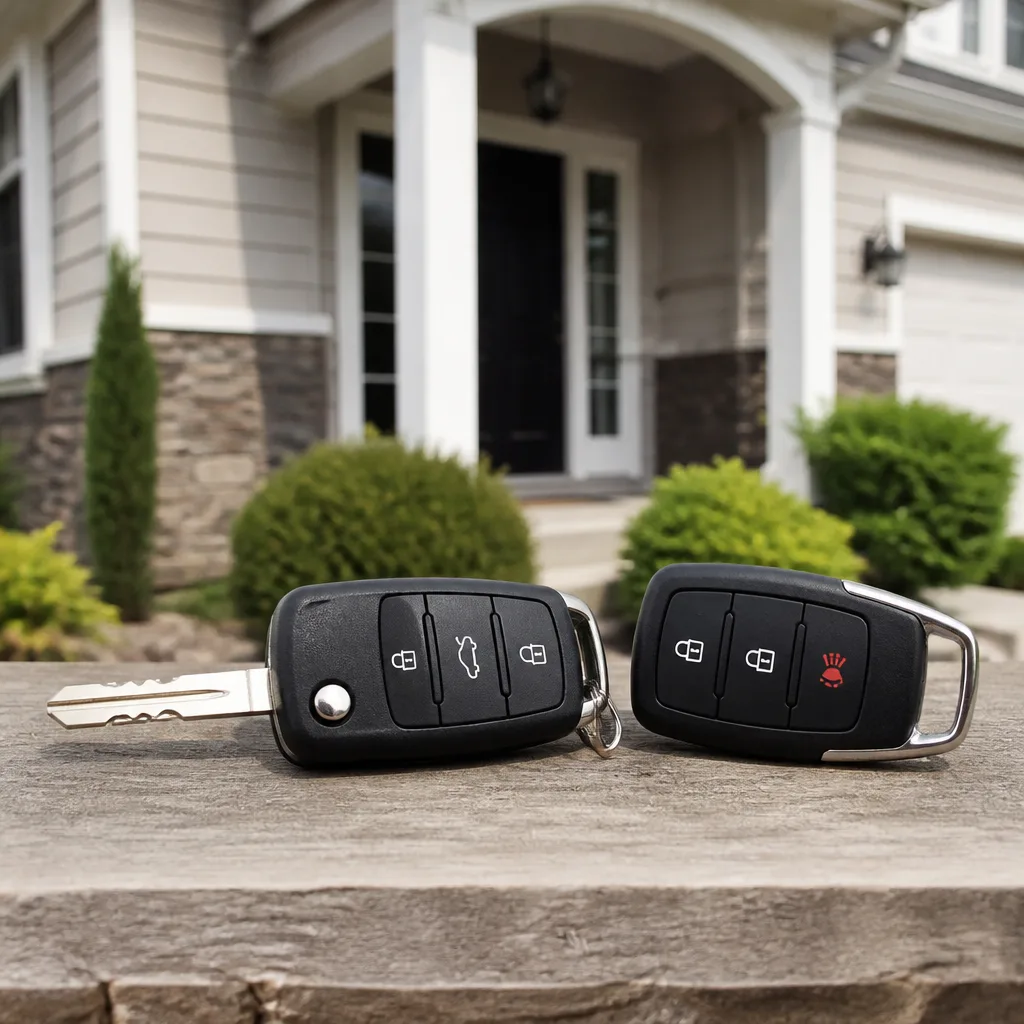
The Complete Change Door Locks Guide for Los Angeles Homeowners
Most door lock guides read the same whether you’re in Seattle, Austin, or Los Angeles. That’s the problem. A homeowner in Mar Vista dealing with salt air corrosion faces a different decision than someone in Woodland Hills, where afternoon heat bakes a lock cylinder until the pins seize. And if you own a rental property anywhere in Los Angeles, there’s a legal clock running from the minute you hand a tenant the keys. This guide covers the pieces generic advice misses: California landlord-tenant law, LA building code, HOA common-area rules, climate-specific hardware selection, and realistic local pricing. If you’re about to change a lock in Los Angeles, read this first.
Quick Answer
If you need to change door locks in Los Angeles, whether for a new home, a rental turnover, or after a security scare, the cost typically runs $95 to $260 per lock for rekeying and $150 to $450 per lock for full replacement including hardware, depending on the grade of lock and whether you choose standard or high-security hardware. In many cases you don’t need new hardware at all: rekeying (changing the internal pins so your old keys no longer work and you receive new keys) delivers the security outcome most people want at about half the price. But Los Angeles adds wrinkles most guides miss, including California Civil Code 1941.3, which gives tenants the legal right to request a rekey within 14 days of move-in, and LA-specific climate conditions that favor certain finishes and grades over others.
Table of Contents
- California Law: What You’re Legally Required to Do
- LA Building Code and Multi-Unit Requirements
- HOA and Condo Common-Area Door Rules
- How LA’s Climate Zones Affect Lock Choice
- Rekey vs. Replace vs. Upgrade: A Decision Tree
- What Changing Door Locks Actually Costs in Los Angeles
- Smart Locks in Los Angeles: What’s Actually Worth It
- Common Mistakes to Avoid
- When to Call a Professional
- Frequently Asked Questions
- The Bottom Line
California Law: What You’re Legally Required to Do
California Civil Code 1941.3 is the statute most Los Angeles landlords and property managers miss, and it’s the one that creates the most avoidable liability. If you own rental property in Los Angeles, it says your tenant has the right to request a rekey or lock change, and you must comply within 14 days of the tenant’s written request. It doesn’t matter if the prior tenant returned all their keys. It doesn’t matter if you “trust” the person who moved out. The law presumes the prior tenant may still have access, and it gives the current tenant a simple legal lever to force a rekey.
Here’s what the law requires in practical terms:
- Move-in rekey: A new tenant can request a rekey at any point during the tenancy, and the 14-day clock starts when the request is made in writing.
- Landlord obligation: If a landlord refuses or stalls beyond 14 days, the tenant can file a complaint, and the landlord can face civil penalties. Courts take this seriously.
- Subletter scenarios: If a tenant brings in a subtenant or a roommate after the master tenant moved in, the same logic applies. A subletter who was not present at move-in should have their own access control, which typically means either rekeying again or moving to a keyed system where each occupant has a unique key.
- Documentation: We always recommend landlords keep a written record of every rekey: the date, the lock or unit affected, and the key control number. In a dispute, that single piece of paper is often decisive.
For a homeowner changing locks on their own house, none of this legally binds you. But the reasoning behind 1941.3 applies to you too. You have no way of knowing how many copies of your current key exist. A house that changed hands three times may have five, ten, or twenty people who once held a working key. Rekeying closes that gap for the price of a service call.
LA Building Code and Multi-Unit Requirements
Los Angeles enforces specific lock and egress standards, and they’re most relevant if you live in a multi-unit building or if your single-family home has been converted in ways that blur the line. The city’s building code adopts California’s residential egress rules, which set hardware standards for exit doors.
- Single-action egress: Every exterior door in a multi-unit dwelling must open from the inside with a single action, no key required, no special sequence. That means a deadbolt with a thumbturn on the interior is fine. A double-cylinder deadbolt (keyed on both sides) on an exit door is not, unless the building is a single-family home and you accept the fire-risk tradeoff.
- Grade requirements for common-use doors: Doors serving shared corridors, lobbies, or amenities in Los Angeles multi-unit buildings are classified as commercial-grade openings, even in residential buildings. They need Grade 1 or Grade 2 hardware, not the Grade 3 hardware sold at big-box stores for bedroom doors.
- ADA-compliant hardware in commercial-adjacent properties: If your LA property has a live-work unit, home office serving clients, or any mixed-use character, lever handles may be required instead of knobs. Lever hardware must be operable with one hand, without tight grasping, pinching, or twisting. Many Los Angeles duplexes and converted buildings fall into this gray zone.
The sensible way to think about it: if the door is touched by more people than your immediate family, buy commercial-grade hardware. It costs more, but the durability is real, and it keeps you inside the code lines.
HOA and Condo Common-Area Door Rules
If you own a condo in Beverly Hills, Hollywood, or Koreatown, you don’t have free rein over the door that faces the common hallway. That door is usually defined as a limited common element, which means the HOA controls its appearance and, in many cases, its hardware.
- Finish restrictions: Many Los Angeles HOAs specify one allowed finish (satin chrome, brass, matte black) for all entry doors. If you install a lock in the wrong finish, the HOA can require you to change it back at your own cost.
- Keyed-alike or master-key systems: Some HOAs require all unit entry doors to work with a building master key so maintenance and fire personnel can access units in an emergency. If your HOA has a master system, you typically cannot replace the lock yourself; you must work with the building’s locksmith to ensure the new lock fits the existing keying system.
- Smart lock restrictions: An increasing number of LA high-rises prohibit smart locks on entry doors entirely, because a Wi-Fi-connected deadbolt can interfere with the building’s master key system or create an access-control conflict. Always check your CC&Rs before buying a smart lock for a condo.
We’ve seen this exact conflict multiple times: a homeowner pays $300 for a premium smart lock, installs it, and then the HOA sends a violation letter. Reading the CC&Rs first costs nothing. Replacing the hardware twice costs a lot more.
How LA’s Climate Zones Affect Lock Choice
Los Angeles spans several distinct climate zones, and the lock that lasts five years in one neighborhood may fail in three in another. This is one of the areas where generic advice fails LA homeowners most.
- Coastal (Santa Monica, Venice, Playa del Rey): Salt air and persistent humidity corrode cheap brass and zinc hardware quickly. Finishes like PVD (physical vapor deposition) or stainless steel hold up far better. Avoid polished brass unless you enjoy watching it tarnish.
- Inland valleys (Woodland Hills, Van Nuys, San Gabriel Valley): Dry heat and dust are the enemy. Dust works into the cylinder, mixes with lubricant, and turns into a grinding paste that seizes pins. Higher dust-sealed cylinders and occasional professional cleaning extend the life of the lock measurably.
- Foothills and high desert edges (La Cañada, Santa Clarita, Acton): Extreme temperature swings cause metal to expand and contract more than most people expect. Cheaper cylinders with wider tolerances bind in summer heat or winter cold. A tighter-machined cylinder from a brand like Yale or Baldwin tolerates this cycle far better.
If you’re buying hardware for a home in Los Angeles, the rule of thumb is simple: match the grade to the exposure. Coastal homes need corrosion-resistant finishes. Valley homes need dust protection. Foothill homes need precision machining. Paying attention to this saves you a mid-life lock failure.
Rekey vs. Replace vs. Upgrade: A Decision Tree
Most people who think they need new locks actually need a rekey. Here’s the decision path we walk customers through when they call us about our Change Door Locks services in Los Angeles:
- Is the existing lock physically worn, damaged, or difficult to operate? If yes, replace it. Rekeying changes the key, not the mechanical condition.
- Do you want the same style and finish, but with a new key? If yes, rekey. A standard rekey changes the internal pins so old keys no longer work, and you receive new keys that do. This costs roughly half of a replacement.
- Do you want better security than the current lock provides (stronger cylinder, more bump- and pick-resistance)? If yes, upgrade. This means installing a new lock with a Grade 1 cylinder from a manufacturer like Medeco, Mul-T-Lock, or Baldwin.
- Do you want keyless entry, remote access, or audit capability? If yes, install a smart lock or an electronic deadbolt. This is a replacement plus a technology upgrade.
The quick version:
- Rekey if the hardware is in good shape and you just need new keys and a reset on who has access.
- Replace if the hardware is failing or you’re changing the style.
- Upgrade if the current lock is basic and you want real security, not just the appearance of it.
In our experience serving homeowners across Los Angeles, about six out of ten calls that start as “I need new locks” end up as rekeys after a three-minute conversation about what the lock actually needs to do.
What Changing Door Locks Actually Costs in Los Angeles
LA labor rates run higher than national averages, but the range is still predictable if you know what you’re buying. Here are the numbers we see on service calls across the city, from Echo Park to Sherman Oaks:
| Service | Typical Price Range in Los Angeles |
|---|---|
| Rekey a standard knob or deadbolt (you have the key) | $95 – $180 per lock |
| Rekey when no key exists (cylinder rebuilt) | $120 – $220 per lock |
| Replace a standard Grade 3 deadbolt with a new Grade 2 deadbolt | $150 – $250 per lock |
| Replace with a Grade 1 deadbolt (Medeco, Mul-T-Lock, Yale) | $300 – $450 per lock |
| Smart lock installation (hardware plus labor) | $250 – $550 per lock |
| Service call + assessment | $50 – $90 (often credited toward work) |
These ranges reflect what Los Angeles locksmiths actually charge for legitimately licensed, insured work. You can find lower prices. You generally shouldn’t. Unlicensed operators sometimes advertise $15 service calls and then present a bill for $400 after drilling your lock. Real locksmiths quote the full price on the phone before anyone is dispatched, and the price on the invoice is the price you were quoted. At Dunmore Locksmith, that’s exactly how we operate: written price before work starts, no added call-out surcharge on arrival, and a 365-day guarantee on the repair itself.
Smart Locks in Los Angeles: What’s Actually Worth It
Smart locks are the most over-bought and under-thought lock category we see in Los Angeles. Here’s a straightforward breakdown:
- Worth it if: You have a steady stream of service people (dog walkers, cleaners, property managers) and you want to issue and revoke access codes instead of copying keys.
- Not worth it if: You live in a condo with HOA master-key restrictions, or your front door is fully exposed to direct Los Angeles sun for most of the day. Budget smart locks with plastic housings degrade quickly in high-heat exposures.
- Choose a name-brand deadbolt, not a startup: A Yale or Baldwin smart lock built on an established mechanical platform gives you the smart features plus a lock that still works mechanically if the battery dies. Off-brand smart locks are the single most common cause of lockout calls we respond to.
One more LA-specific point: if you install a smart lock with a camera or keypad, make sure it’s paired with a Grade 1 or Grade 2 mechanical deadbolt, not a decorative latch. Smart features don’t compensate for weak mechanics. A determined burglar ignores the keypad and attacks the lock.
Common Mistakes to Avoid
- Buying the cheapest deadbolt at the hardware store: A $20 lock is typically Grade 3, meaning the cylinder is zinc, not brass, and a practiced bump key can defeat it in seconds. Paying $40 to $80 more for a Grade 2 or Grade 1 deadbolt is the single most cost-effective security upgrade you can make.
- Assuming your new home’s builder gave you a clean key system: Builders often key every home in a development the same or from a master set, and construction subkeys float around for years after the last unit sells. If you buy new construction in Los Angeles, rekey on day one.
- Forgetting to rekey after a contractor finished work: General contractors, painters, cleaners, and stagers all get copies of your key. Most homeowners never think about this. Rekey after any large project.
- Using a double-cylinder deadbolt on a rental property door: This is both an egress hazard and a potential code violation in multi-unit buildings. It may also violate your insurance policy’s habitability requirements. Use a single-cylinder deadbolt on any door that serves as an emergency exit.
- Ignoring the HOA’s finish and hardware specs until after installation: In buildings with polished brass mandates or master-key requirements, a homeowner’s new lock can generate a violation notice that costs more than the lock itself.
- Not documenting a landlord-tenant rekey: If a tenant later claims you didn’t rekey after a subletter moved in, your written rekey record is the only thing standing between you and a 1941.3 complaint.
When to Call a Professional
Rekeying a lock is a skill a homeowner can learn, but most people never do it enough to make the learning curve worthwhile. Call a locksmith when: the lock is over ten years old and you want an honest condition assessment; the cylinder binds, grinds, or needs a key jiggle to turn; you need multiple locks keyed alike or integrated into a master-key system; you’re a landlord with a new tenant and want a documented rekey; or you simply want the job done once, correctly, with a written guarantee. Dunmore Locksmith offers free estimates in Los Angeles, and our technicians arrive background-checked, uniformed, and with a photo ID badge. Call (910) 714-4287 for a free estimate.
Frequently Asked Questions
Rekeying a standard lock in Los Angeles typically runs $95 to $220 per lock, while replacing a deadbolt with a new Grade 2 or Grade 1 lock runs $150 to $450 depending on brand and security level. Call (910) 714-4287 for an exact quote. Estimates are free, and the price goes in writing before any work starts.
Yes. At Dunmore Locksmith, the price we quote on the phone is the price on your invoice. There’s no call-out surcharge added on arrival, and no after-the-fact total. If the scope changes during the visit, we discuss the new price with you before doing anything else.
Yes, and this is one of the most common mistakes we see. Construction crews, subcontractors, and staging companies all held working keys before you, and you have no idea how many copies exist. A rekey costs a fraction of what a break-in can cost.
Yes. California Civil Code 1941.3 gives a tenant the right to request a rekey, and the landlord must comply within 14 days of a written request. This right applies regardless of whether the prior tenant returned their keys.
Rekeying changes the internal pins inside the lock so the old keys no longer work and new keys operate the same hardware. Replacing means installing a new lock mechanism and hardware entirely. Rekeying costs about half as much and is usually sufficient unless the lock itself is failing.
Smart locks are worth it if you manage frequent access for service people or Airbnb turnover, and you buy a name-brand model from Yale or Baldwin. They are not worth it in a condo with HOA master-key restrictions, or on a door exposed to heavy direct sun, where cheap plastic housings fail quickly. Call (910) 714-4287 if you want a straight recommendation for your specific door.
The Bottom Line
Changing door locks in Los Angeles is rarely just about hardware. It’s about California landlord-tenant law, LA building code, HOA CC&Rs, climate-appropriate materials, and honest local pricing. Rekey when the lock is sound and you just need new keys. Replace when the hardware is failing or you’re upgrading the grade. Document everything if you’re a landlord. And never accept a price that changes after the technician arrives. Get a written quote upfront, verify who’s coming to your door, and make sure the work is guaranteed in writing for a full year.
Written by Perry Osgood, Owner at Dunmore Locksmith, serving Los Angeles since 2007. For more guides & resources, visit our blog.