
Last updated October 8, 2026
Non-destructive entry first, always - and we re-key Schlage, Kwikset, and Baldwin locks on the spot while you watch
You get a price before we start. It does not change when we arrive. No surprises.
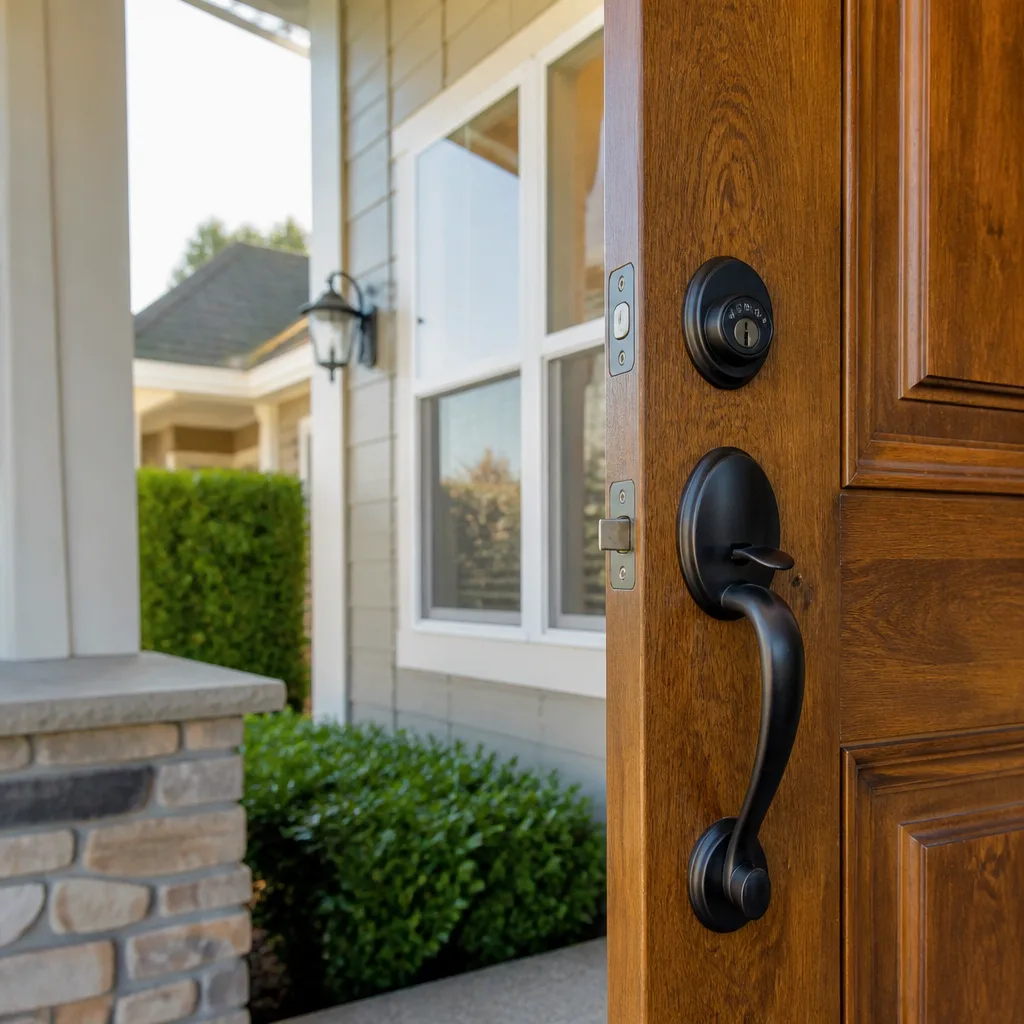
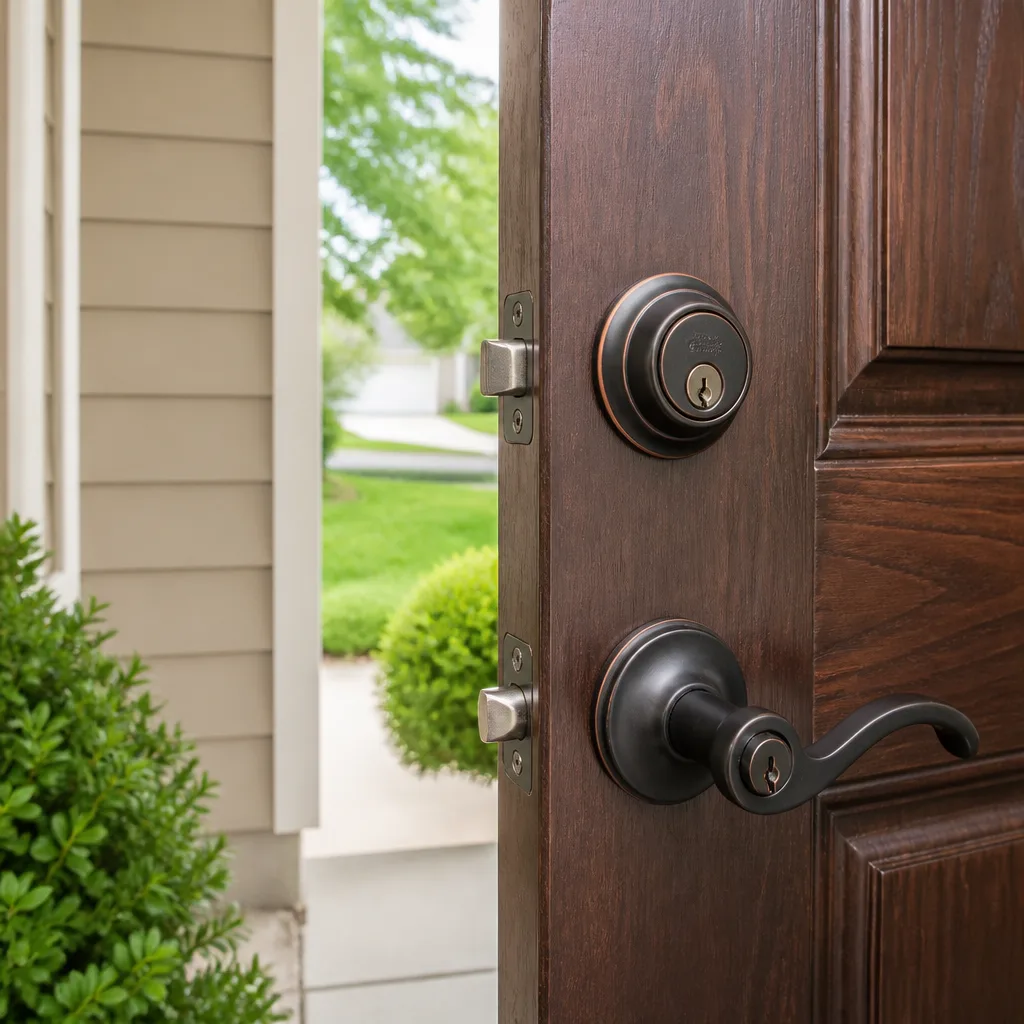
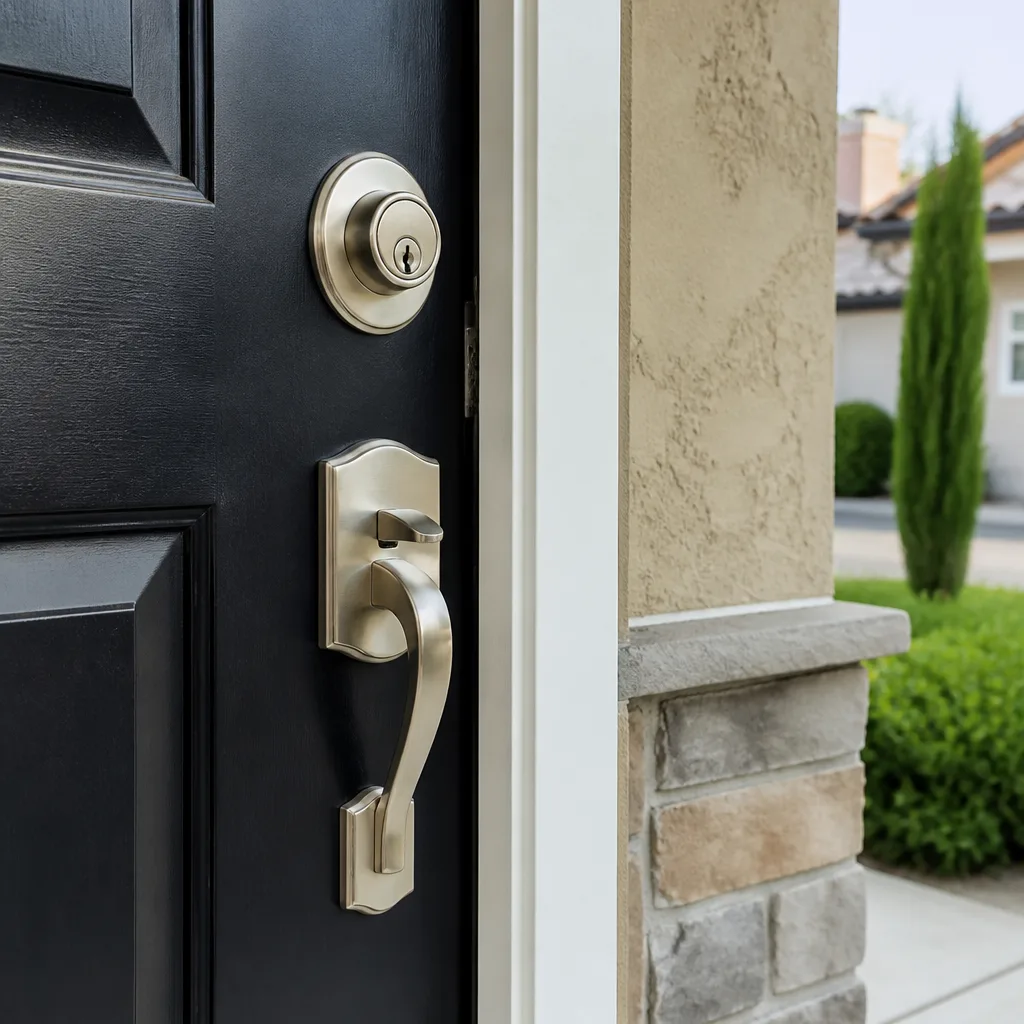
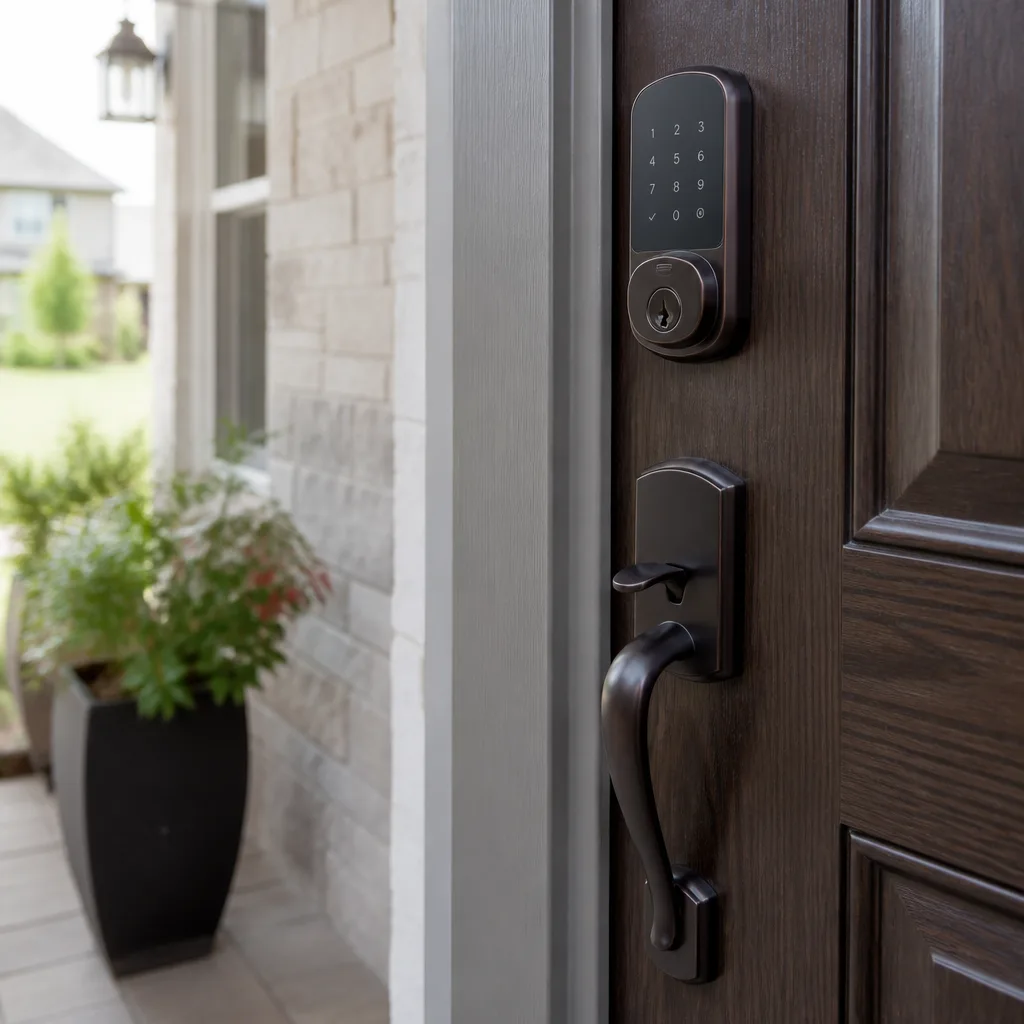
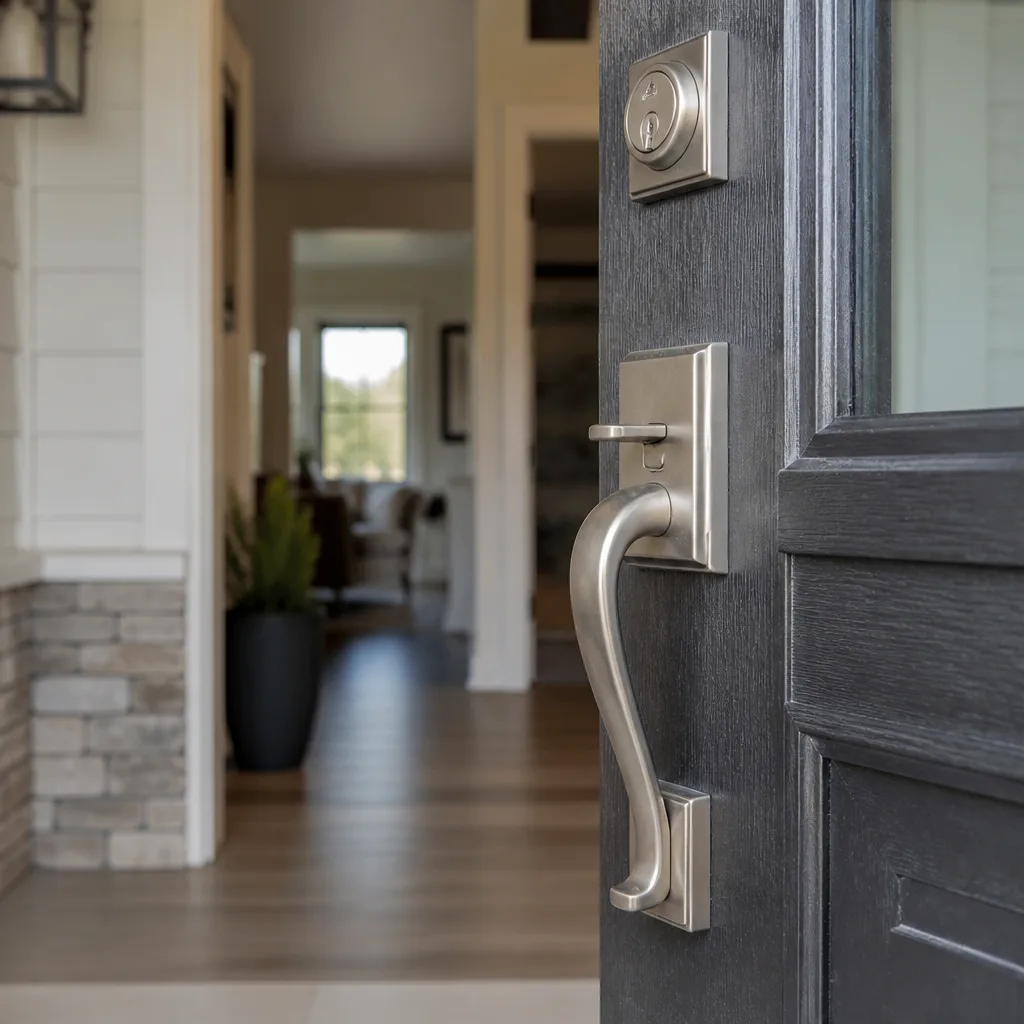
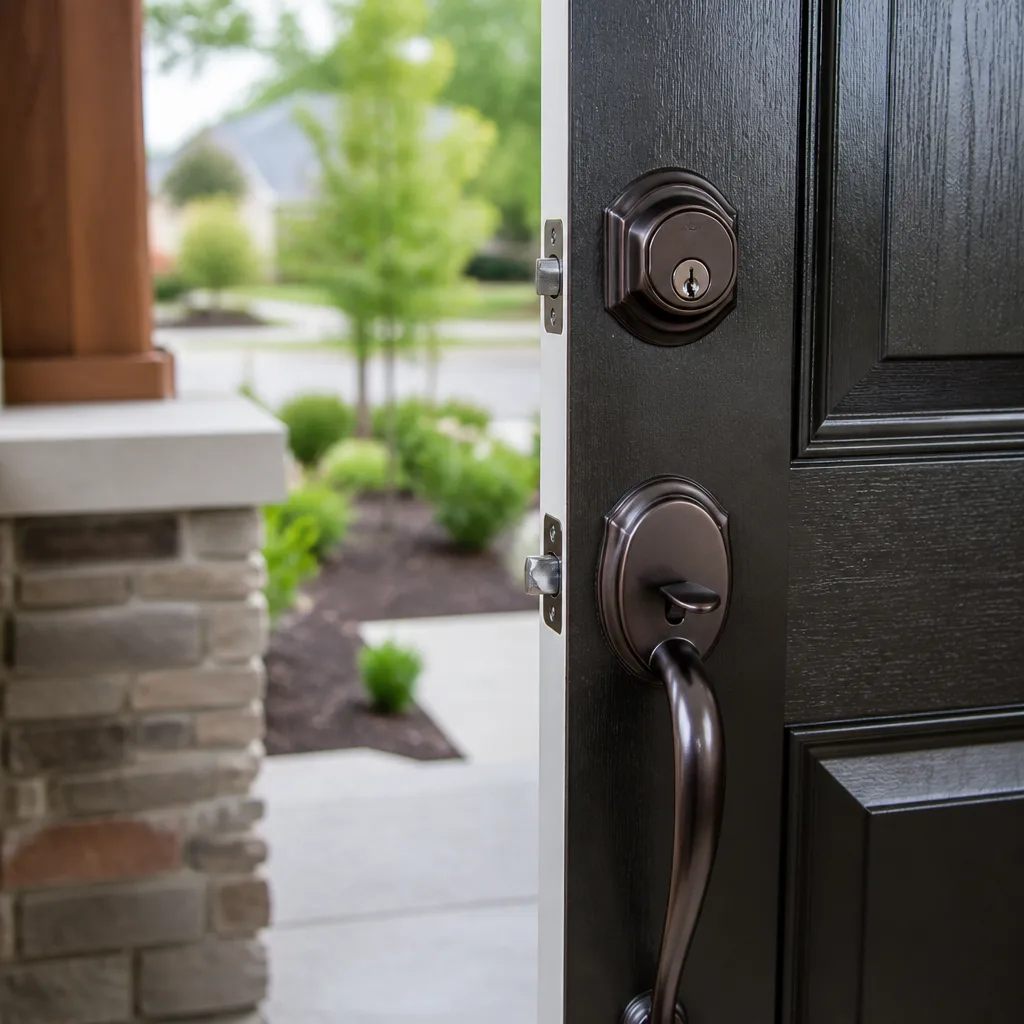
Choosing the Right Locksmith Brand: A Buyer’s Guide for Los Angeles
ANSI/BHMA Grade 1 is the rating most locksmiths throw around as the gold standard, but here’s what almost nobody tells you: two locks can both earn Grade 1 and still differ by 400% in their resistance to bump keys. That gap is the difference between a lock that holds and one that opens in under 30 seconds to a $15 tool from the internet. In Los Angeles, where the residential burglary profile skews toward fast, quiet entry methods rather than brute force, that single spec point matters more than the grade badge on the box. This guide walks through how to actually read lock ratings, match a brand to the specific threat you’re defending against, and avoid paying for features you don’t need.
Quick Answer
The best lock brand for your Los Angeles home depends on which attack you’re most likely to face: if you want the strongest all-around mechanical defense, Schlage or Medeco lead their price tiers; if bump-key resistance is your top priority, Mul-T-Lock and Abloy are engineered specifically to defeat it. Buy by ANSI sub-rating, not brand name, and make sure installation includes a reinforced strike plate and properly bored frame holes. Dunmore Locksmith has installed and serviced every major brand in Los Angeles since 2007 and can match the right hardware to your door and neighborhood; read our Commercial Locksmith Maintenance Schedule: What to Do and When to keep it performing.
Table of Contents
- Know Your Threat Profile: How Los Angeles Burglars Actually Enter Homes
- Reading ANSI Grades: What the Ratings Actually Measure
- Schlage vs. Kwikset vs. Medeco vs. Mul-T-Lock: A Real Comparison
- Smart Locks in Los Angeles: Heat, Earthquakes, and Warranty Reality
- Your Door Frame Matters as Much as the Lock
- What a Reputable Locksmith Tells You vs. a Sales Pitch
- What You Should Actually Spend at Each Budget Level
- Installation Quality: Where a Good Brand Goes Wrong
Know Your Threat Profile: How Los Angeles Burglars Actually Enter Homes
Los Angeles residential burglaries follow a different pattern than what most national lock guides assume. The city has one of the highest rates of rental turnover in the country, which means nearly every home or apartment has been keyed, re-keyed, and re-re-keyed by multiple landlords, tenants, roommates, and contractors. Lost keys are the single most common security gap we see in Los Angeles homes, not broken locks.
The three entry methods that show up most often in Los Angeles are bumping, picking, and kick-ins. Each requires a different defense:
- Bump attacks: A bump key works by striking a key blank inserted into the cylinder, transferring kinetic energy to the pins so they jump above the shear line for a split second. Standard pin-tumbler locks without bump-resistant pins open in under 10 seconds. Los Angeles has seen a documented rise in bump-key burglaries because they’re nearly silent and leave no visible tool marks, which means an alarm system never triggers.
- Pick attacks: Picking is slower but leaves zero evidence. A burglar with mid-level skills and a basic hook pick set can defeat most standard Kwikset or Schlage pin-tumbler cylinders in 1 to 3 minutes. Los Angeles door-to-door thieves often pose as delivery people or utility workers, spending minutes at a door without drawing attention.
- Kick-ins: This is the brute method, and it’s still surprisingly common in Los Angeles neighborhoods with older construction. The lock itself rarely fails. The door jamb splinters, or the strike plate rips out of the frame with only 3/4-inch screws holding it. A $300 Grade 1 lock on an unreinforced frame is defeated by one solid kick.
The brand you choose should directly counter the attack type your specific Los Angeles property is most exposed to. If you live in a 1920s bungalow in Highland Park with original wood frames, frame reinforcement matters more than the lock brand. If you’re in a new build in Playa Vista with a solid composite door but a builder-grade lock, cylinder quality is the priority.
Reading ANSI Grades: What the Ratings Actually Measure
ANSI/BHMA grades are the closest thing the lock industry has to an objective quality scale. Grade 1 is the top certification and means the lock survived 800,000 open/close cycles, 6 door strikes using a weighted pendulum, and a 360-pound lever torque test. Grade 2 means 400,000 cycles and 4 strikes. Grade 3 means 200,000 cycles and 2 strikes.
But here’s the part most Commercial Locksmith Troubleshooting: Common Problems and How to Fix Them guides skip: the grade is a floor, not a ceiling. Two Grade 1 locks from different manufacturers can differ dramatically in their resistance to the specific attack methods burglars actually use in Los Angeles. The ANSI tests measure durability and basic physical resistance, but they do not test bump resistance, pick resistance, or drill resistance to the same depth across all categories.
For example, a Grade 1 Schlage B660 deadbolt has a hardened steel anti-saw pin and a reinforced spinning collar that resists wrench attacks. A Grade 1 Medeco Maxum deadbolt adds side-bar locking pins that make bumping nearly impossible. Both carry the Grade 1 badge. Against a bump attack, the Medeco holds for minutes or indefinitely; the standard Schlage can fail in under a minute without its optional bump-resistant cylinder upgrade.
Sub-ratings to check when comparing specific models:
- Cycle rating: 800K for Grade 1, 400K for Grade 2, 200K for Grade 3
- Strike force resistance: how many weighted pendulum hits the bolt withstands
- Bolt projection: how far the deadbolt extends into the frame (1 inch is minimum for real security)
- Bump resistance: not part of the standard Grade 1 test, but some manufacturers publish their own bump-attack data
- Drill resistance: hardened steel pins and plates inside the cylinder
In our experience working on Los Angeles doors, we regularly find Grade 3 Kwikset knobs on the front door of homes with expensive alarm systems and security cameras-a Commercial Locksmith Warning Signs Every Homeowner Should Know red flag. The grade mismatches the risk: the homeowner spent thousands on monitoring but has a lock that fails the cycle test after a few years of daily use.
Schlage vs. Kwikset vs. Medeco vs. Mul-T-Lock: A Real Comparison
Rather than ranking brands as if they compete head-to-head, it’s more honest to say they occupy different tiers with different strengths. Here’s how they actually perform in Los Angeles residential applications:
Kwikset (Entry tier, roughly $15-$40 per deadbolt)
Kwikset is the most common builder-grade hardware in Los Angeles condos and apartments. The standard pin-tumbler cylinders are easy to rekey and inexpensive, which is why landlords love them. They carry Grade 3 ratings on most models. The SmartKey cylinder was designed to improve convenience, but early versions had a documented failure mode where the re-key function jammed, leaving the lock inoperable. Current SmartKey models are better, but they still don’t offer the pick or bump resistance of higher-tier cylinders. Kwikset is fine for interior doors or a secondary entrance. It’s not the lock you want as your primary front door defense if you own the property and plan to stay.
Schlage (Mid tier, roughly $40-$90 per deadbolt)
Schlage is the workhorse of Los Angeles residential security, and for good reason. The B560 and B660 deadbolts are Grade 2 and Grade 1 respectively, with solid brass or zinc cylinders, stainless steel bolts, and hardened steel anti-saw pins. The B660 specifically gets you the Grade 1 cycle rating and better strike resistance. Schlage’s biggest weakness is standard pin-tumbler vulnerability: bump keys work on most B560/B660 models unless you upgrade to the bump-resistant cylinder or a higher-end Schlage Primus. For most Los Angeles homes in moderate-crime neighborhoods, a Schlage B660 with a reinforced strike plate is a strong value.
Medeco (High tier, roughly $110-$180 per deadbolt)
Medeco is what you buy when key control matters. Medeco’s side-bar locking mechanism requires a key cut with angled cuts that interact with rotating pins and a side bar, which makes the cylinder dramatically harder to pick and effectively impossible to bump with a standard bump key. Medeco also controls key duplication: blanks are restricted to authorized dealers with proof of ownership, which means a Los Angeles landlord can’t get spares cut at a hardware kiosk. Medeco is overkill for many homes, but it’s the right call when you need actual key control.
Mul-T-Lock (High tier, roughly $100-$170 per deadbolt)
Mul-T-Lock is the Israeli-designed brand built around a telescoping pin-in-pin system that defeats bumping by adding a second set of pins inside the first. The interactive element is the addition of a spring-loaded locking bar that engages only when the key reaches the correct depth. Mul-T-Lock also offers restricted keyways for key control. We’ve installed Mul-T-Lock on Los Angeles homes where the owner has had prior break-ins and specifically wants bump resistance without moving to a full electronic system. It’s an excellent choice for that specific threat profile.
Other brands worth noting in commercial and high-security contexts include Sargent and Abloy. Sargent is more common in commercial Los Angeles buildings, where its heavy-duty mortise locks meet fire code and ADA requirements. Abloy makes disc-detainer cylinders that are effectively pick-proof and drill-resistant, used in high-end Los Angeles commercial and institutional settings. Both are specialized; most Los Angeles homeowners will not need them.
Smart Locks in Los Angeles: Heat, Earthquakes, and Warranty Reality
Smart locks are appealing, and Los Angeles has higher adoption than most cities because of the tech workforce and the popularity of short-term rentals. But the Los Angeles-specific factors matter more than the feature list.
Heat tolerance: Los Angeles summers put direct sun on west-facing doors in the Valley for 6+ hours a day. Surface temperatures on a dark metal smart lock can exceed 140 degrees. Cheaper smart locks with plastic internal gears soften and fail. Look for all-metal construction and a published operating temperature range. We’ve replaced more than a few smart locks in Sherman Oaks and Encino that failed after a summer of direct sun exposure.
Cellular backup for earthquakes: WiFi-only smart locks lose remote access when the power goes out or the router dies. Los Angeles earthquake preparedness means the lock should have a cellular backup or Bluetooth fallback so you can still operate it when WiFi is down. Check the spec sheet before buying. A surprising number of popular smart locks are WiFi-only.
Local service availability: Smart locks can’t be rekeyed the traditional way, and when the motor or Bluetooth radio fails, you need a locksmith who services that specific brand. Some national brands have no authorized service providers in Los Angeles, which means a warranty claim becomes a mail-in replacement, not same-day repair. Schlage Encode and Encode Plus have strong Los Angeles service coverage. Some newer brands with heavy social media presence are essentially unrepairable on-site.
Your Door Frame Matters as Much as the Lock
A Grade 1 deadbolt on a hollow-core door with a 1-inch strike plate is weaker than a Grade 2 lock properly installed on a solid door with a reinforced strike box and 3-inch screws driven into the stud behind the jamb. This is the single most important installation detail in Los Angeles wood-frame construction, and it’s the one most often skipped by handymen and DIY installs.
Here is the correct order of operations when upgrading security, from most impactful to least:
- Reinforce the strike plate: Replace the stock 1-inch strike plate with a 3-inch hardened steel strike box. Drive 3-inch screws through the plate into the door frame stud, not just the jamb.
- Check the door slab: A hollow-core door offers no real resistance to a kick. Solid wood or steel-faced doors are the right base for a security lock. In Los Angeles, many older homes still have hollow-core front doors.
- Install the deadbolt properly: The bolt should extend a full 1 inch into the frame. If the hole was bored too shallow by the original builder, the bolt only partially engages and the lock is doing half its job.
- Upgrade the cylinder: Once the frame and door are solid, the cylinder upgrade is what actually defends against bump and pick attacks.
We see this every week in Los Angeles: a homeowner buys a $120 Medeco or Mul-T-Lock deadbolt and installs it into a door frame that splinters with one kick. The lock was never the weak point.
What a Reputable Locksmith Tells You vs. a Sales Pitch
A reputable locksmith in Los Angeles will ask about your door, your frame, your neighborhood, your budget, and what you’re actually worried about before recommending a brand. A sales-motivated recommendation sounds different. Here’s the difference:
What a real locksmith says:
- “Your door is solid, but your strike plate is the weak point. Let’s fix that before we spend money on a cylinder upgrade.”
- “A Schlage B660 with a reinforced strike is the right value for this door. You don’t need Medeco key control unless you’ve had a lost key problem.”
- “That smart lock won’t survive the heat on your west-facing door. Let’s look at a model rated for direct sun.”
- “The price I’m quoting includes the hardware, the labor, and the reinforcement. It’s in writing before I touch the door.”
What a sales pitch sounds like:
- “This is our top-of-the-line model, best for everyone.”
- “You definitely need the most expensive cylinder on the market.”
- “The price is just an estimate; we’ll finalize after we open it up.”
- “I can’t give you the exact price until I see the door, but it won’t be much.”
Dunmore Locksmith operates on the Threshold Standard: every technician is background-checked, identity-verified, photo-badged, and sent to you by name and photo before the visit. Written pricing comes before any work starts, every single time. The 365-Day Done Right Promise covers every repair in writing: if the repair fails within a year, a second visit is provided at no charge. That’s the difference between buying a lock and buying security.
What You Should Actually Spend at Each Budget Level
Los Angeles lock pricing varies by brand, finish, and whether you’re buying retail or through a locksmith. Here are honest ranges for common jobs in the Los Angeles market as of 2025:
| Job | Typical Range (Los Angeles, installed) | What You Get |
|---|---|---|
| Rekey a standard knob or deadbolt | $25-$50 per cylinder | New pins, old keys no longer work |
| Grade 2 deadbolt (Schlage B560 or equivalent), installed | $80-$140 | Solid security for most homes |
| Grade 1 deadbolt (Schlage B660 or equivalent), installed with reinforced strike | $150-$250 | High cycle rating, better strike resistance |
| High-security cylinder (Medeco or Mul-T-Lock), installed | $200-$350 per lock | Bump-resistant, pick-resistant, key control |
| Smart lock (Schlage Encode or similar, single deadbolt), installed | $250-$450 | Keyless entry, remote access, local service support |
| Full front door security package (Grade 1 deadbolt, reinforced strike box, 3-inch screws, cylinder upgrade) | $300-$500 | Complete defense for the primary entrance |
Spend your budget on the front door first, then side and back entrances. A Los Angeles home with one properly installed Grade 1 deadbolt and a reinforced frame is more secure than a home with five Grade 3 locks. When you call Dunmore Locksmith at (910) 714-4287, the full price for your specific door is quoted on the phone before anyone is dispatched, and that price is what appears on the invoice. No call-out surcharge added on arrival.
Installation Quality: Where a Good Brand Goes Wrong
Even the best lock brand fails when installed wrong. We regularly correct installs in Los Angeles where a perfectly good Schlage or Kwikset was mounted with misaligned bolt paths, shallow bore holes, or screws driven into drywall instead of the stud behind it.
- Bolt alignment: The deadbolt must enter the strike plate straight and fully. A misaligned bolt scrapes, binds, and eventually fails to throw completely.
- Bore depth: The hole for the bolt in the door edge must be deep enough to allow full 1-inch projection. Many original Los Angeles doors were bored for shorter bolts.
- Screw length: The screws holding the strike plate and the lock body must reach the structural wood behind the jamb. The short screws included with most retail lock purchases are just enough to hold the hardware in place, not enough to resist force.
- Cylinder seating: The cylinder must sit flush and tight in the door. A loose cylinder is the easiest thing in the world to twist out with a wrench.
If you’re installing yourself, be honest about these details. If you’d rather have it done right the first time, Dunmore Locksmith has installed and serviced Schlage, Kwikset, Medeco, Mul-T-Lock, Sargent, and Abloy hardware across Los Angeles since 2007. Our Residential Locksmith in Los Angeles service covers full lock replacement and hardware upgrades, and our Door Lock Repair in Los Angeles team handles misaligned, binding, and partially failed locks. If you need to Change Door Locks in Los Angeles after a tenant move-out or lost key, we handle that as well. And if you want a complete security assessment of your home’s entry points, start with the Dunmore Locksmith home page to see what a full evaluation covers.
Common Mistakes to Avoid
- Buying by brand name instead of sub-rating: Two Schlage models can differ by a full grade and a 400% bump-resistance gap. Check the specific model number, not just the brand.
- Skipping the strike plate reinforcement: In Los Angeles wood-frame homes, this is the difference between a lock that holds and a frame that splinters. The lock is only as strong as the wood behind it.
- Installing a smart lock on a west-facing door without checking heat tolerance: Valley heat kills plastic-gear smart locks in one summer. Buy all-metal construction with a published temperature range.
- Using a Grade 1 lock on a hollow-core door: You’re spending $200 to protect a door that fails with $0 in tools and one kick. Fix the door first.
- Ignoring key control when it matters: Los Angeles rental properties with frequent tenant turnover create stray keys everywhere. If you haven’t rekeyed after every move-out, you don’t know who has access. Medeco or Mul-T-Lock restricted keys solve this permanently.
- Buying the cheapest lock at a big-box store and installing it yourself: Retail packaging hides weak sub-ratings, and a misaligned bore hole turns even a mid-tier lock into a liability.
When to Call a Professional
Call a professional locksmith in Los Angeles when you’ve had a break-in or near-miss and need a real security assessment, not a quick lock swap. Call when you’ve bought a new home and don’t know how many keys exist for the existing locks. Call when you’ve had a tenant move out, a roommate leave on bad terms, or a contractor who kept a copy of the key. Call when a smart lock fails in direct sun or stops connecting after a power outage. Call when the door frame is splintered, the bolt doesn’t throw fully, or the lock has been drilled. Dunmore Locksmith offers free estimates in Los Angeles. Call (910) 714-4287 for a written quote before any work begins.
Frequently Asked Questions
The best brand depends on your door, frame, and threat profile. Schlage’s B660 offers the best value for most Los Angeles homes, Medeco gives you key control and pick resistance, and Mul-T-Lock specifically counters bump attacks. A reputable locksmith will match the brand to your door and neighborhood, not sell you the most expensive cylinder by default.
A Grade 1 deadbolt like the Schlage B660 typically runs $150 to $250 installed with a reinforced strike plate in Los Angeles. High-security cylinders from Medeco or Mul-T-Lock run $200 to $350 per lock. Rekeying a standard knob or deadbolt costs $25 to $50 per cylinder.
Yes. Dunmore Locksmith answers the phone with a live person 24 hours a day, every day of the year, and can often dispatch a technician the same day for a lock installation, rekey, or repair. The price is quoted over the phone before anyone is sent. Call (910) 714-4287 for an exact quote.
Smart locks with all-metal construction and a published operating temperature range are safe for Los Angeles heat. Cheap plastic-gear smart locks fail in one summer on west-facing Valley doors. Look for heat-rated models, and prefer locks with Bluetooth or cellular backup so you’re not locked out during a power outage.
Rekeying a standard pin-tumbler lock is a mechanical job that requires a rekey kit and some patience, but doing it wrong leaves pins binding and the key failing after weeks of use. For most Los Angeles homeowners, paying $25 to $50 per cylinder to have it done right is cheaper than replacing a damaged lock. High-security brands like Medeco and Mul-T-Lock require specialized tools and dealer authorization.
A legitimate Los Angeles locksmith tells you the technician’s name and shows a photo before the visit, arrives in a marked uniform with a photo ID badge, and gives you a written price before any work starts. Dunmore Locksmith operates on the Threshold Standard: every technician is background-checked, identity-verified, and sent to you by name and photo. If someone arrives who you were not told to expect, the visit is covered at no charge. Call (910) 714-4287 and we’ll send a technician you can verify at the door.
The Bottom Line
Choosing a lock brand in Los Angeles is less about the name stamped on the faceplate and more about the specific attack resistance ratings that match your door, your frame, and your neighborhood’s crime profile; see more guides & resources for deeper dives. A Grade 1 Schlage with a reinforced strike plate is the right call for most homes. Medeco earns its price when key control matters. Mul-T-Lock is the answer when bump resistance is non-negotiable. Whichever brand you choose, the installation quality decides whether it actually works. Written pricing, a 365-day guarantee, and a technician you can verify at the door should be non-negotiable parts of the transaction no matter what lock you buy.
Written by Perry Osgood, Owner at Dunmore Locksmith, serving Los Angeles since 2007.