
Last updated October 8, 2026
Non-destructive entry first, always - and we re-key Schlage, Kwikset, and Baldwin locks on the spot while you watch
You get a price before we start. It does not change when we arrive. No surprises.
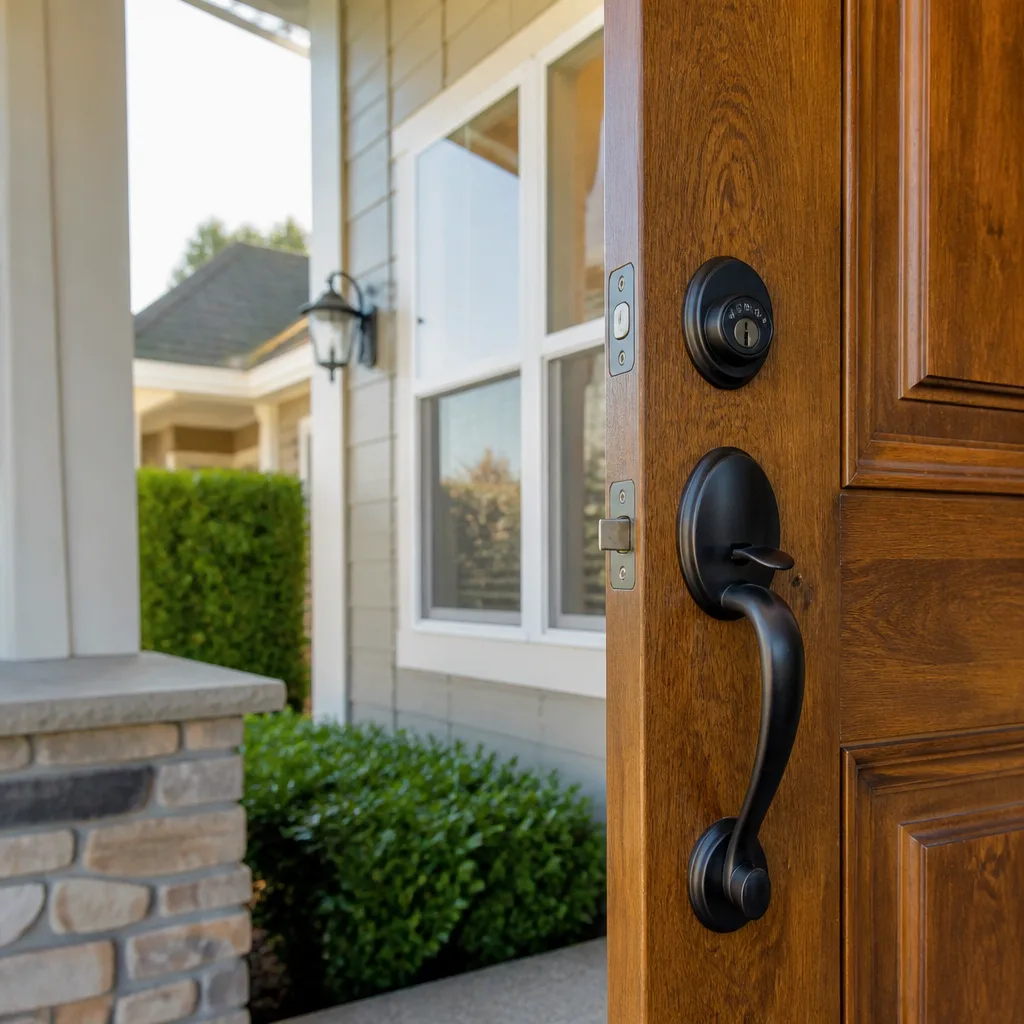
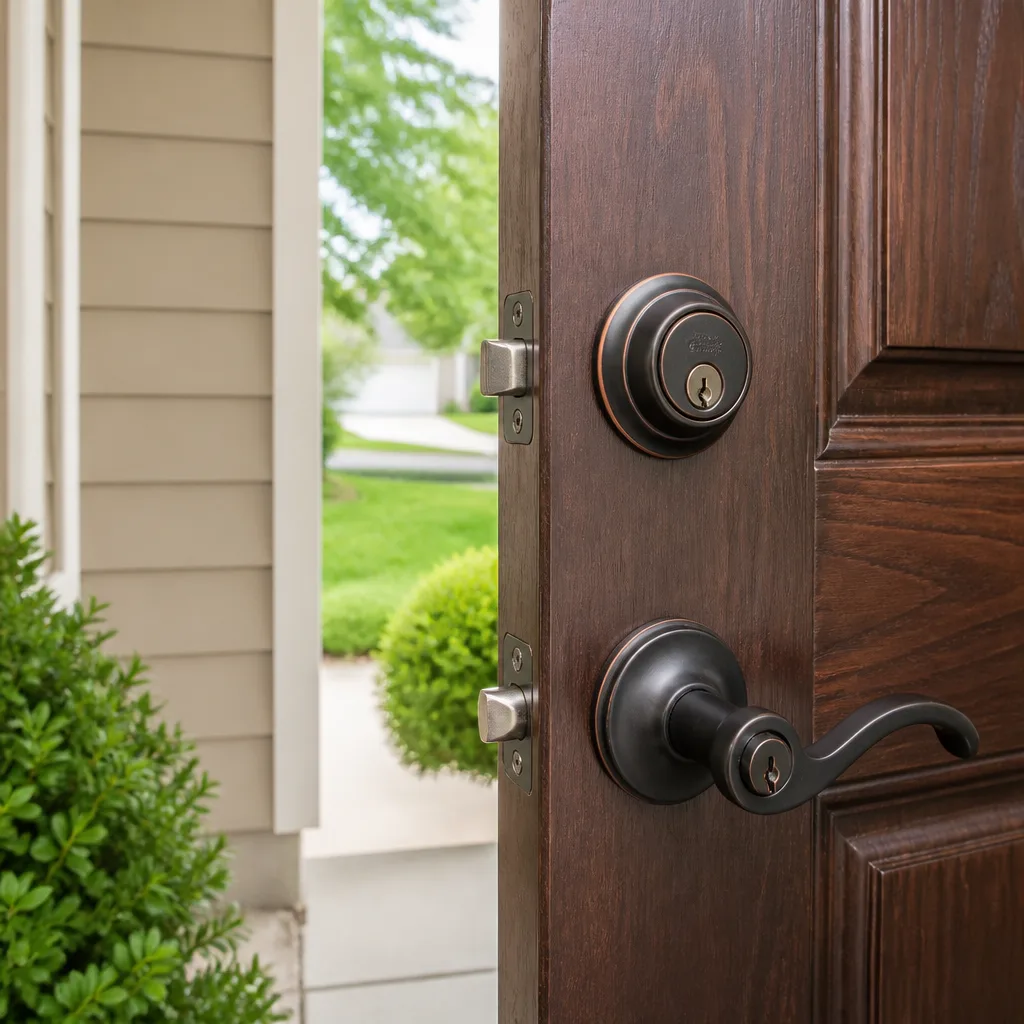
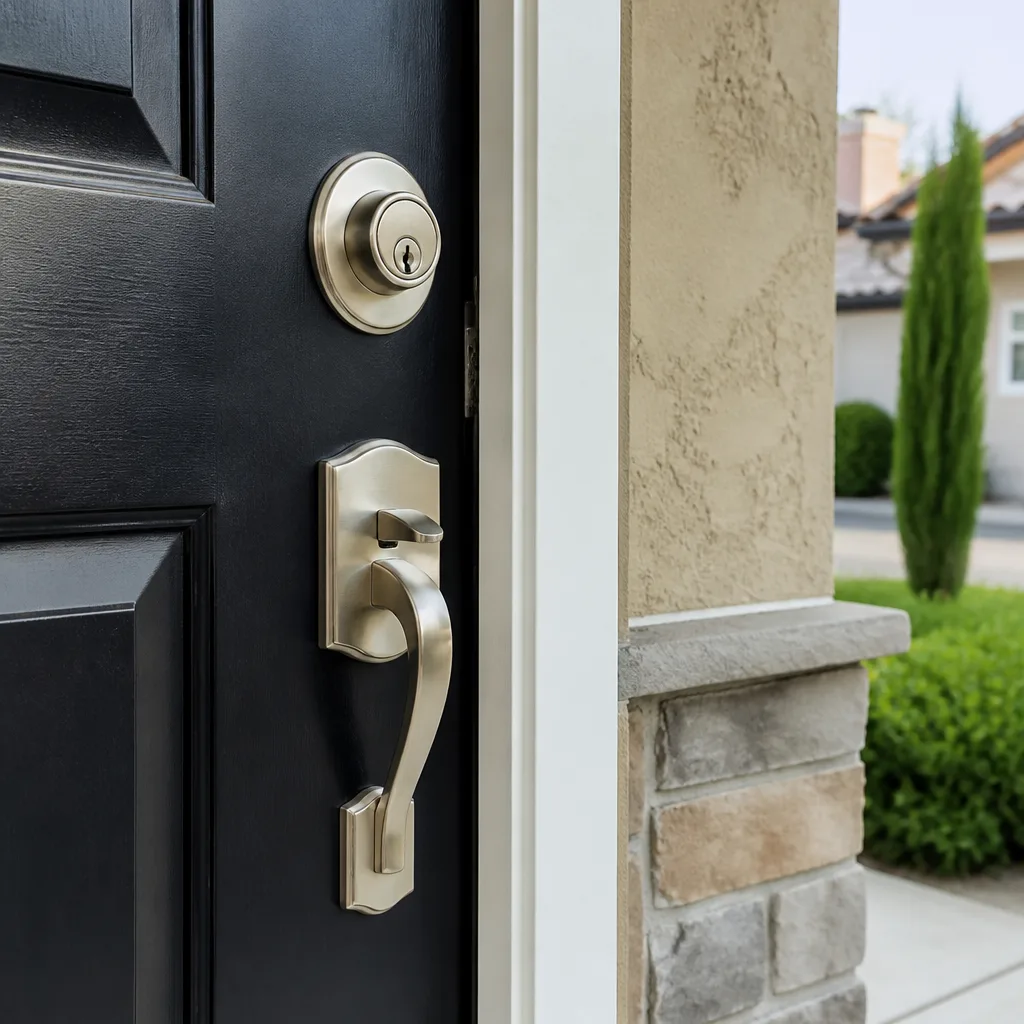
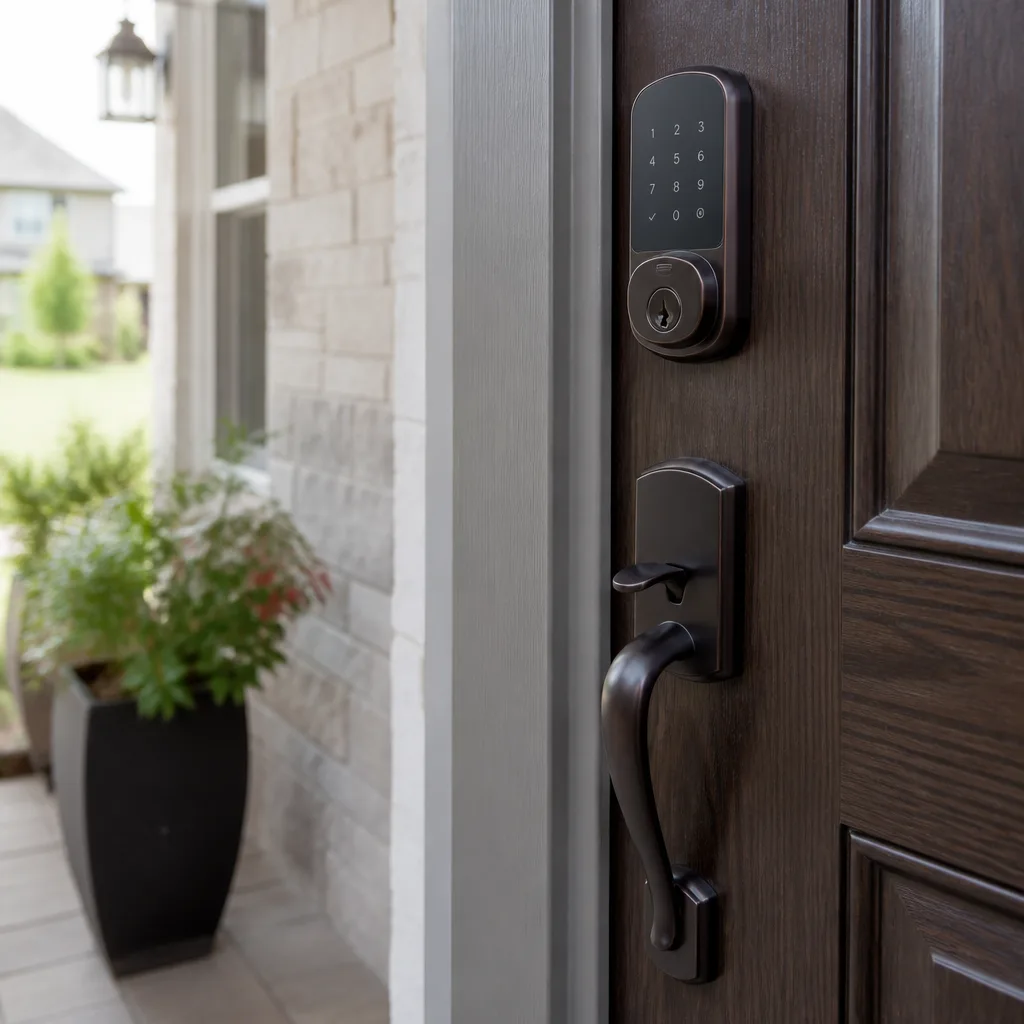
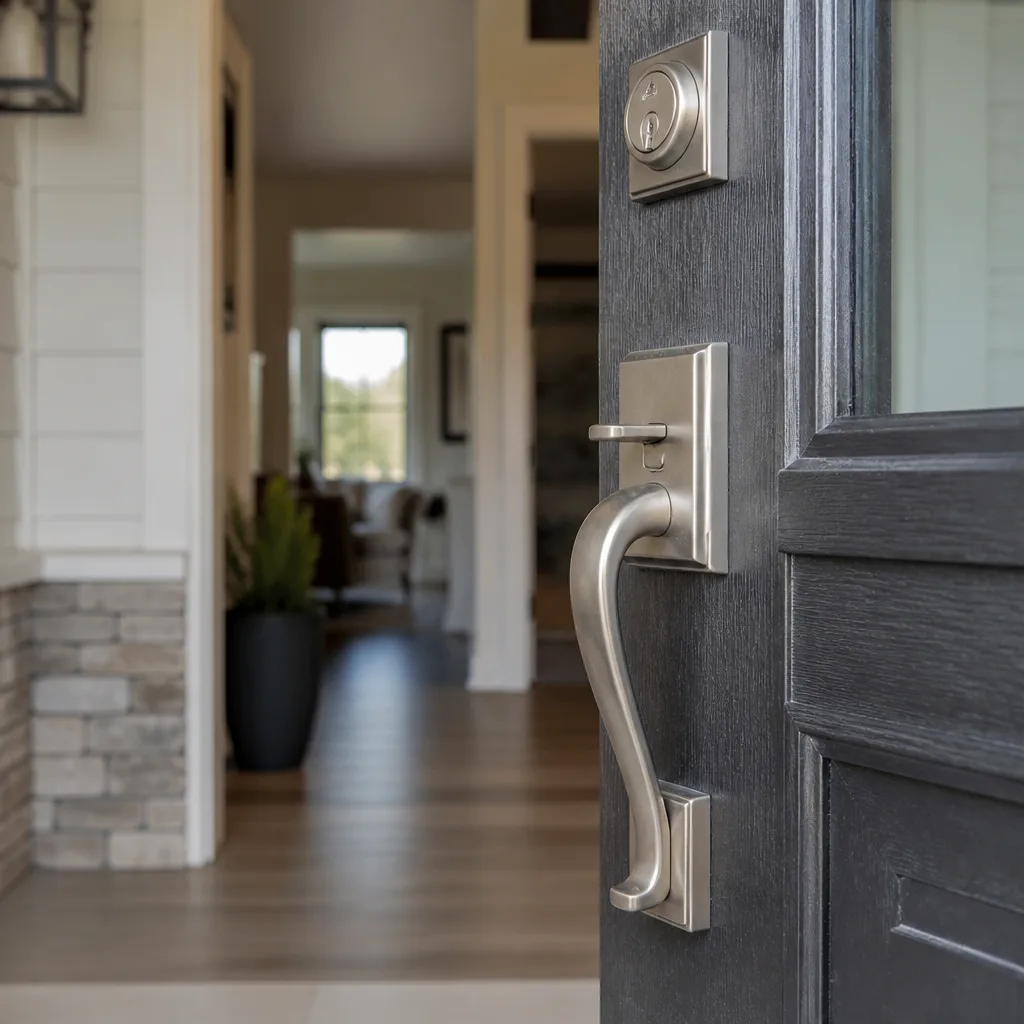
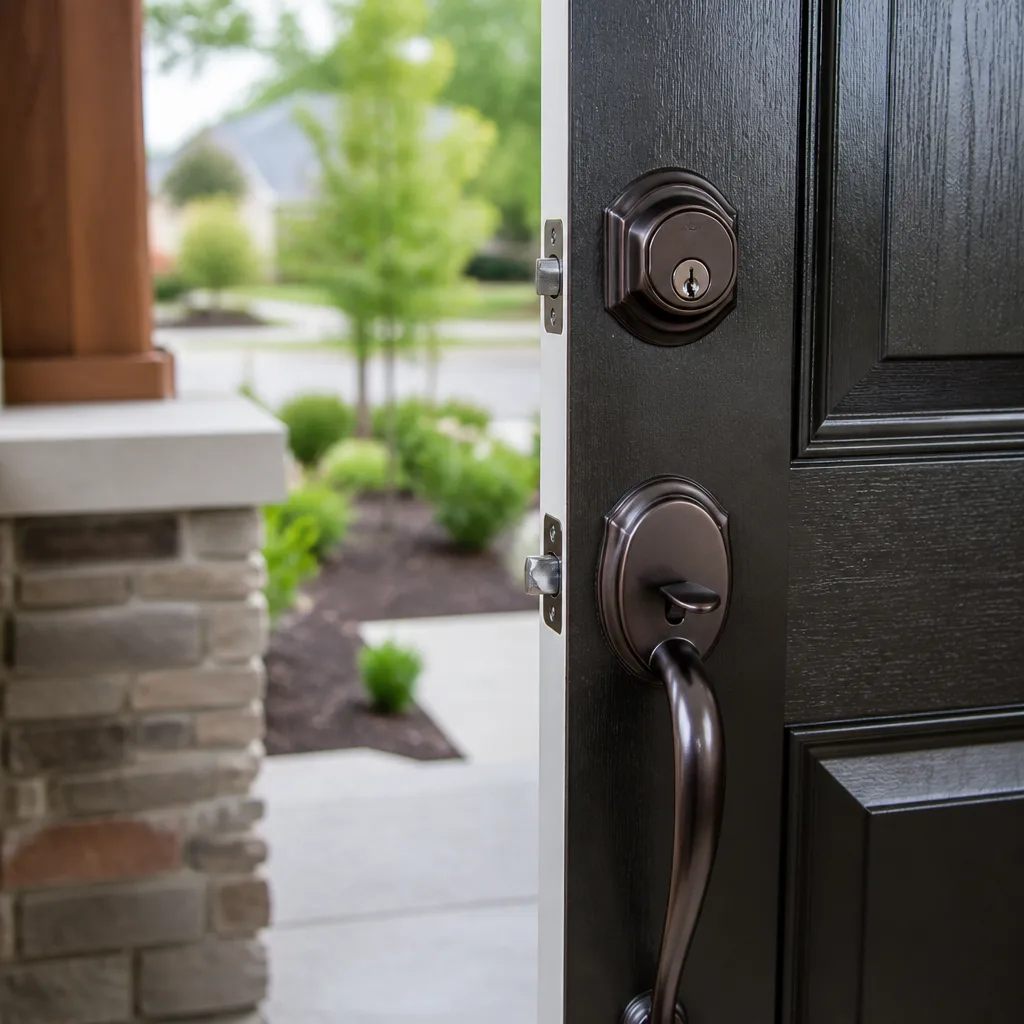
Residential Locksmith Maintenance Checklist for Los Angeles Homeowners
A deadbolt that passed a UL kick-resistance test in the factory can fail at roughly 60% of rated strength after two years of Pacific coastal exposure. Salt air corrodes internal pins. Seismic micro-shifts knock strike plates out of alignment. Dry heat cycles warp wood frames. Yet most homeowners in Los Angeles don’t touch a lock until it stops working. This residential locksmith guide is built around the specific conditions that degrade residential hardware in this city, not generic advice copy-pasted from a Midwest home-improvement blog. You’ll learn what to inspect, when to lubricate, how to test alignment after earthquakes, and when HOA rules limit what you can replace yourself.
Quick Answer
Homeowners in Los Angeles should inspect and lubricate exterior locks every six months, test strike-plate alignment after any earthquake over magnitude 3.0, and replace weather-worn hardware every five to eight years depending on proximity to the coast. A residential locksmith maintenance visit in Los Angeles typically runs $75 to $180 and takes under an hour for a full exterior audit.
Table of Contents
- Why Los Angeles Weather Destroys Locks Faster Than the National Average
- Lubrication Schedules: Pin-Tumbler vs. Disc-Detainer vs. Smart Locks
- Testing Strike-Plate Alignment After Earthquakes: The Step-by-Step Method
- How to Spot a Grade 1 Deadbolt Acting Like a Grade 3 Without Removing It
- HOA Rules in Los Angeles Condos: What You Can and Cannot Replace Yourself
- The Printable Annual Sign-Off Log for Home Insurance Documentation
- The Seasonal Maintenance Checklist: Coastal Zones vs. Inland Valley Heat
Why Los Angeles Weather Destroys Locks Faster Than the National Average
Los Angeles is not one climate. It’s at least three, and each damages lock hardware differently. A homeowner in Pacific Palisades faces salt-laden marine air that corrodes brass and steel within months. A homeowner in Woodland Hills deals with summer temperatures that bake lubricant into a gummy residue and warp wood door frames. A homeowner in Silver Lake gets both in milder doses, plus the occasional Santa Ana wind event that drives fine dust into exposed keyways and cylinders.
In our experience across Los Angeles, coastal locks fail most often from internal corrosion: the pins inside a pin-tumbler cylinder oxidize, the springs lose tension, and keys begin to stick or refuse to turn. Inland locks fail from dried-out lubrication and frame movement caused by expansive clay soil that shifts with moisture changes. Neither failure mode appears overnight. Both are invisible until the lock jams or a key breaks off inside-problems a residential locksmith troubleshooting call can help diagnose before they escalate.
The fix is a maintenance rhythm matched to your ZIP code, which is what the sections below walk through. A lock that is inspected and lubricated twice a year will typically outlast an ignored lock by five to seven years, even within a mile of the ocean. The Residential Locksmith in Los Angeles guide covers full-service options if you’d rather not do the inspection yourself.
Lubrication Schedules: Pin-Tumbler vs. Disc-Detainer vs. Smart Locks
Not all lubricants belong in all locks. In fact, the wrong lubricant is the single most common cause of lock failure we see in Los Angeles homes. Graphite powder clumps in humid coastal air. WD-40 washes away existing lubricant and leaves a sticky film that traps dust blown in by Santa Ana winds. What the lock needs depends on the mechanism, and the schedule depends on where in Los Angeles you live.
Pin-Tumbler Locks (Kwikset, Baldwin, Schlage, standard Yale entry locks)
Coastal ZIP codes (90272, 90402, 90291, 90803 and similar): Lubricate every three months. Salt air corrodes brass pins faster than anywhere else in the city. Use a dry PTFE lubricant applied directly into the keyway, then insert and remove the key four or five times to spread it across the pins.
Inland Valley ZIP codes (91364, 91367, 91403, 91604 and similar): Lubricate every four to six months. Dry heat evaporates lubricants quickly, but dust is the bigger enemy. Apply sparingly, then wipe the key with a clean cloth after the first insertion to remove debris.
Disc-Detainer Locks (including Abloy and some high-security cylinders)
Disc-detainer mechanisms are sealed better than pin-tumbler cylinders, but they’re not immune to coastal air. Lubricate every six months regardless of ZIP code, using only manufacturer-approved lubricant. These cylinders are precision-machined: too much lubricant is worse than none because it attracts grit. Medeco and Mul-T-Lock manufacturers publish specific guidance, and deviating from it can void the warranty on the cylinder.
Smart Locks and Electronic Deadbolts
Electronic locks need a different routine entirely. Lubricate the mechanical deadbolt portion on the same schedule as a pin-tumbler lock, but never spray lubricant near the circuit board, battery compartment, or keypad. In Los Angeles, sun exposure on west-facing doors also degrades the plastic housings of smart locks made by Kwikset and Yale within four to six years. Check for hairline cracks around the keypad border every two months. A cracked housing lets in exactly the kind of coastal moisture that kills the logic board.
What to use: A dry PTFE lubricant is the correct choice for nearly every residential lock in Los Angeles. Oil-based lubricants congeal in desert heat and trap corrosive salt near the coast.
Testing Strike-Plate Alignment After Earthquakes: The Step-by-Step Method
Door frame shifts are the leading cause of what Los Angeles homeowners call “mystery” lockouts: the lock works fine with the door open, but the deadbolt won’t throw when the door is closed. What happened is that the frame moved a fraction of an inch during an earthquake, even a minor one, and now the bolt no longer aligns with the strike plate hole.
You should test alignment after any earthquake over magnitude 3.0, and after any noticeable door-dragging or sticking. Here’s the full method:
- Close the door and look at the gap. Stand on the hinge side and look along the closed door edge. The gap between door and frame should be even top to bottom. If it’s wider at the top or bottom, the frame has shifted.
- Test the deadbolt with the door closed. Turn the thumbturn slowly. If you feel resistance before the bolt fully extends, the bolt is striking the edge of the strike plate hole, not entering it cleanly.
- Mark the rub point. Put a strip of masking tape over the strike plate hole, close the door, and throw the deadbolt. The bolt will leave a visible indentation or tear on the tape, showing exactly where the bolt is catching.
- Check the latch bolt on the knob or lever. Close the door without locking it. The latch should drop into the strike plate hole with a clean click. If it scrapes or catches, the frame moved vertically.
- Inspect the strike plate screws. Open the door and look at the strike plate. If the screws are loose, tighten them. If the plate moves when you tighten the screws, the underlying frame wood is stripped or split, which is common in Los Angeles homes built before 1980.
If the alignment is off by more than a millimeter or two, do not force the lock. Forcing a misaligned deadbolt bends the internal tailpiece and damages the cylinder over time. You can file the strike plate opening slightly larger if it’s a minor rub, but a shifted frame usually requires repositioning the strike plate or shimming the hinges. If you’re not comfortable doing that work, call a locksmith. This is a repair, not a replacement, and a professional can do it in under an hour. The Door Lock Repair in Los Angeles page has more detail on what a typical repair involves.
How to Spot a Grade 1 Deadbolt Acting Like a Grade 3 Without Removing It
Grade 1, Grade 2, and Grade 3 deadbolts are certified by ANSI/BHMA standards. Grade 1 is commercial-grade: it must survive a minimum of 500,000 open-close cycles, withstand ten strikes of 75 pounds of force, and resist kick-in attacks. Grade 3 is residential budget hardware: 200,000 cycles, five strikes, and significantly less kick resistance.
Here’s the problem: a deadbolt can leave the factory as a Grade 1 and perform like a Grade 3 within a few years in Los Angeles, especially along the coast. The certification applies to new hardware, not hardware that has been through two years of salt air and one moderate earthquake. Here’s how to spot degradation without removing the bolt from the door:
Listen to the throw. A healthy Grade 1 bolt throws with a solid, single clunk. A degraded bolt makes a softer, rattling sound, or a grinding sound as the bolt slides through the faceplate. The sound changes because internal components have worn or corroded.
Test for bolt wobble. Throw the deadbolt fully and then press the bolt sideways with your thumb. A Grade 1 bolt has almost no lateral play when fully extended. If you can wiggle the bolt more than a millimeter, the internal guide has worn down. What this means in practical terms: a kick near the bolt can now bend the bolt out of its channel and release the lock.
Count the key turns to unlock. From the locked position, turn the key toward the unlocking direction. A properly functioning Grade 1 cylinder rotates smoothly and firmly through a full 90-degree throw. If the key feels loose, sloppy, or if you must jiggle the key to get it to turn, the cylinder pins have worn down to the point where the lock is easier to pick or bump.
Check for faceplate corrosion. The faceplate is the metal plate on the edge of the door. On coastal Los Angeles properties, look for green or white powdery buildup around the screw holes. That’s brass and steel corrosion. Corroded faceplate screws shear off under kick force, and the entire lock assembly can be knocked out of the door in one blow, regardless of the original grade.
If you observe any of these signs, the deadbolt is no longer providing the protection you think it is. Replacing a degraded deadbolt is a straightforward job, and in Los Angeles, it’s particularly worth doing before the rainy season when swollen doors put extra strain on already-worn hardware. If you’re considering replacement, the Change Door Locks in Los Angeles guide covers what to expect in terms of cost and timeline.
HOA Rules in Los Angeles Condos: What You Can and Cannot Replace Yourself
If you live in a Los Angeles condo, townhouse, or planned development with an HOA, you may not have the right to swap out your front door hardware whenever you like. Many HOAs dictate the finish, brand, and even the specific model of lockset allowed on unit entry doors, because uniform hardware is written into the architectural standards that govern the building’s appearance.
Common HOA restrictions in Los Angeles include:
- Finish requirements. Oil-rubbed bronze may be required on all doors visible from the street or common walkway, regardless of personal preference. Satin nickel, polished brass, or matte black hardware may be restricted.
- Brand and model restrictions. Some buildings require a specific Kwikset or Baldwin model so that all units accept a master key or a common-area override key held by the property manager or security staff. Replacing the lock with a different brand can break the master key system, which creates a serious access problem for the building in an emergency.
- Smart lock prohibitions. Certain HOAs prohibit electronic or smart locks on unit entry doors due to liability concerns or because the keypad changes the door’s appearance. Some allow smart locks only if a keyed override cylinder is retained.
- Permission requirements for deadbolt changes. Changing a deadbolt on a fire-rated door may require HOA approval, because some fire-rated door assemblies are certified with specific hardware. Swapping the deadbolt can void the fire-rating certification.
If your HOA restricts what hardware you can use, you can still maintain the lock you have. Lubrication, cleaning, strike-plate adjustments, and cylinder rekeying are typically allowed without HOA approval because they don’t change the appearance of the hardware. If you want new hardware and you’re in a restricted building, submit a request with the specific model number and finish before you buy anything. Most Los Angeles HOAs approve standard requests within 30 days if the hardware matches their architectural standards.
The Printable Annual Sign-Off Log for Home Insurance Documentation
Most home insurance policies in California do not require a formal lock maintenance log, but a dated maintenance record can be the difference between a settled claim and a denied one. If a break-in occurs and the insurer determines that the lock was in disrepair, the claim can be reduced or denied. A log showing that the locks were inspected and maintained every six months makes that argument nearly impossible.
Here’s a simple annual log format that satisfies most home insurance documentation requirements. Print this and keep it in a file, or store it digitally with dated photos:
Annual Residential Lock Inspection Log
Property Address: ________________________________________
- January inspection: Exterior deadbolts lubricated. Strike plates aligned and screws tightened. All keys tested. Date and initials.
- July inspection: Exterior deadbolts lubricated. Weatherstripping checked. Smart lock batteries replaced. All keys tested. Date and initials.
- Post-earthquake check: Door frame gaps measured after any earthquake over magnitude 3.0. Strike plate alignment tested. Date and initials.
- Hardware replacement notes: Record the date, brand, model, and grade of any lock replaced. Keep the receipt.
Take a photo of the lock faceplate and strike plate during each inspection and store it with the log. In our experience, insurers respond well to visual evidence when a claim involves forced entry. The log doesn’t need to be elaborate, just consistent and dated.
The Seasonal Maintenance Checklist: Coastal Zones vs. Inland Valley Heat
Los Angeles doesn’t have four seasons, but it has two distinct maintenance seasons that matter for locks: the coastal marine season and the inland heat season. If you live within five miles of the ocean, your schedule should differ from a homeowner in Van Nuys or Canoga Park.
Coastal Maintenance Checklist (Santa Monica, Venice, Playa del Rey, Long Beach, San Pedro)
- Every three months: Lubricate all exterior pin-tumbler locks with dry PTFE lubricant. Coastal air deposits salt on internal pins even when the lock is not used regularly.
- Every three months: Wipe exterior hardware with a dry microfiber cloth. Remove any visible white or green corrosion from the faceplate edges.
- Every six months: Remove the faceplate screws and inspect for rust. Replace any screw that shows corrosion, even if it still feels tight. A corroded screw shears without warning.
- Every six months: Test the deadbolt throw with the door fully closed. Check for any binding or resistance.
- Annually: Have the cylinder rekeyed or replaced if keys are sticking or turning roughly. Coastal corrosion is gradual and feels like a slow decline until the lock seizes.
Inland Valley Checklist (Woodland Hills, Tarzana, Encino, Northridge, Burbank)
- Every four to six months: Lubricate all exterior locks. Dry heat causes lubricant to evaporate or gum up faster than in moderate climates.
- Twice a year: Check the door frame for gaps and sticking. Expansive soil shifts in the Valley cause frames to move slightly with moisture changes, even without an earthquake.
- Every Santa Ana wind event over 25 mph: Blow out keyways with compressed air or a can of air duster, then re-lubricate. Fine dust from Santa Ana winds works its way into cylinders and grinds against the pins.
- Annually: Inspect weatherstripping and the door sweep. Doors that don’t seal properly allow dust into the lock mechanism from the edge side.
You can do most of this yourself, but if your schedule makes it unlikely, a professional maintenance visit handles all of it in one stop. The Dunmore Locksmith home page has more about how we structure maintenance visits in Los Angeles, including what’s included in the standard inspection.
Common Mistakes to Avoid
- Using WD-40 on a lock. WD-40 is a penetrant, not a lubricant. It flushes out the existing lubricant and dries to a sticky film that attracts dust. It’s the fastest way to turn a sticky lock into a seized one.
- Waiting until the lock fails to inspect it. A lock that grinds, sticks, or needs jiggling has been failing for months. By the time you notice it, the repair is usually pricier than the preventive maintenance would have cost.
- Ignoring the strike plate. The deadbolt is only as strong as the screws holding the strike plate to the frame. Many Los Angeles homes still have the original half-inch screws from the builder, which a single kick can pull out of soft Douglas fir framing.
- Assuming a keypad lock needs no maintenance. Smart locks have mechanical deadbolts inside them. The electronics may work fine for ten years while the mechanical portion corrodes, and you won’t know until the backup key won’t turn.
- Lubricating a lock before cleaning it. If the keyway is full of dust, lubricant turns the dust into an abrasive paste. Blow out the cylinder first, then lubricate.
- Forgetting to test the lock after an earthquake. Even a magnitude 3.5 quake can shift a door frame enough to make the deadbolt bind. A lock that binds is one door-slam away from a full lockout.
- Replacing hardware in an HOA property without checking the rules. Swapping your Kwikset deadbolt for a Baldwin that isn’t on the HOA’s approved list can trigger a fine and a demand to reverse the work at your own cost.
When to Call a Professional
Some maintenance tasks are genuinely DIY-friendly: lubricating, cleaning, tightening screws, checking alignment. Others are better left to someone who does this daily. Call a professional if a key breaks off in the lock, if the deadbolt won’t throw even after you’ve verified the alignment, if the cylinder spins without engaging, or if you find visible corrosion inside the keyway. High-security cylinders made by Medeco or Mul-T-Lock require specialized tools and training to service, and attempting a DIY repair on those locks usually voids the manufacturer’s warranty and makes the problem worse. Dunmore Locksmith offers free estimates in Los Angeles, and our technicians carry factory authorization for Schlage, Kwikset, Medeco, Yale, Baldwin, and Mul-T-Lock hardware. Call (910) 714-4287 to schedule a maintenance visit or ask a question about your specific lock.
Frequently Asked Questions
Every three months if you live within five miles of the coast, and every four to six months if you live in the Valley or farther inland. The difference comes down to salt air versus dry heat, both of which are harder on hardware than the mild climate reputation Los Angeles has. Call (910) 714-4287 if you’re not sure which schedule applies to your neighborhood.
A dry PTFE lubricant is the correct choice for almost all residential locks, including pin-tumbler and disc-detainer cylinders. Avoid WD-40 and avoid graphite powder, especially in coastal Los Angeles ZIP codes where graphite clumps and hardens in humid air. Apply sparingly: two short sprays into the keyway, then work the key in and out several times.
A standard maintenance visit in Los Angeles typically runs $75 to $180, depending on the number of locks and whether any hardware needs replacement during the visit. Dunmore Locksmith provides a written price before any work begins, and that written price is the final price on your invoice. Call (910) 714-4287 for an exact quote on your locks and door hardware.
Usually not, but you should test your locks after any earthquake over magnitude 3.0. If the deadbolt still throws smoothly and the door closes without dragging, the lock is probably fine. If the bolt binds or the door sticks, the frame has shifted and the strike plate likely needs repositioning, which is a repair, not a full replacement.
No, and you should be wary of anyone who claims they can. The brand and grade of a lock are stamped on the faceplate or the cylinder, and a legitimate locksmith will ask you to describe or photograph those markings rather than guess. Dunmore Locksmith technicians are trained on Schlage, Kwikset, Medeco, Yale, Baldwin, and Mul-T-Lock hardware, and part of any maintenance visit is documenting exactly what you have on each door.
Yes. Dunmore Locksmith delivers a written price before any work starts, and that price is the price on the invoice. There is no additional call-out surcharge added on arrival, and no total that balloons after the work is done. If you’d like to see a written estimate before scheduling, call (910) 714-4287 and our team will walk you through the cost for your specific situation.
The Bottom Line
Los Angeles homes need more from their locks than most homeowners assume. Salt air, seismic movement, and dry heat each create specific failure patterns that show up years before the lock actually stops working. The maintenance routine in this guide is designed around those local conditions, not generic advice-see our more guides & resources for other security topics. Inspect and lubricate on the schedule that fits your ZIP code. Test alignment after earthquakes. Replace hardware when it degrades, not when it fails. A $100 annual maintenance visit is cheaper than a $300 emergency lockout repair, and a deadbolt that actually holds at its rated strength is the difference between being a homeowner and a victim. Written by Perry Osgood, Owner at Dunmore Locksmith, serving Los Angeles since 2007.