
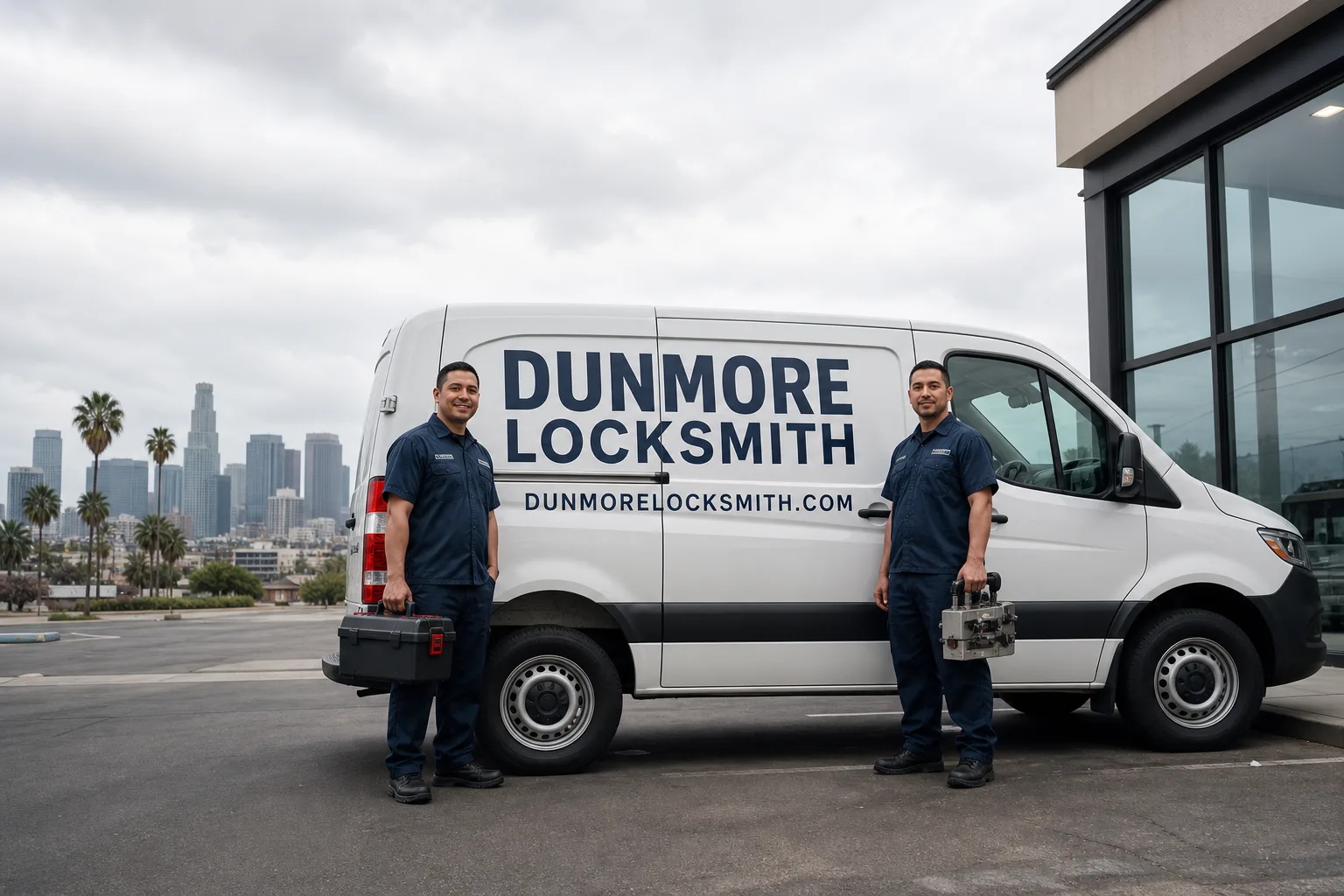
Non-destructive entry first, always - and we re-key Schlage, Kwikset, and Baldwin locks on the spot while you watch
You get a price before we start. It does not change when we arrive. No surprises.
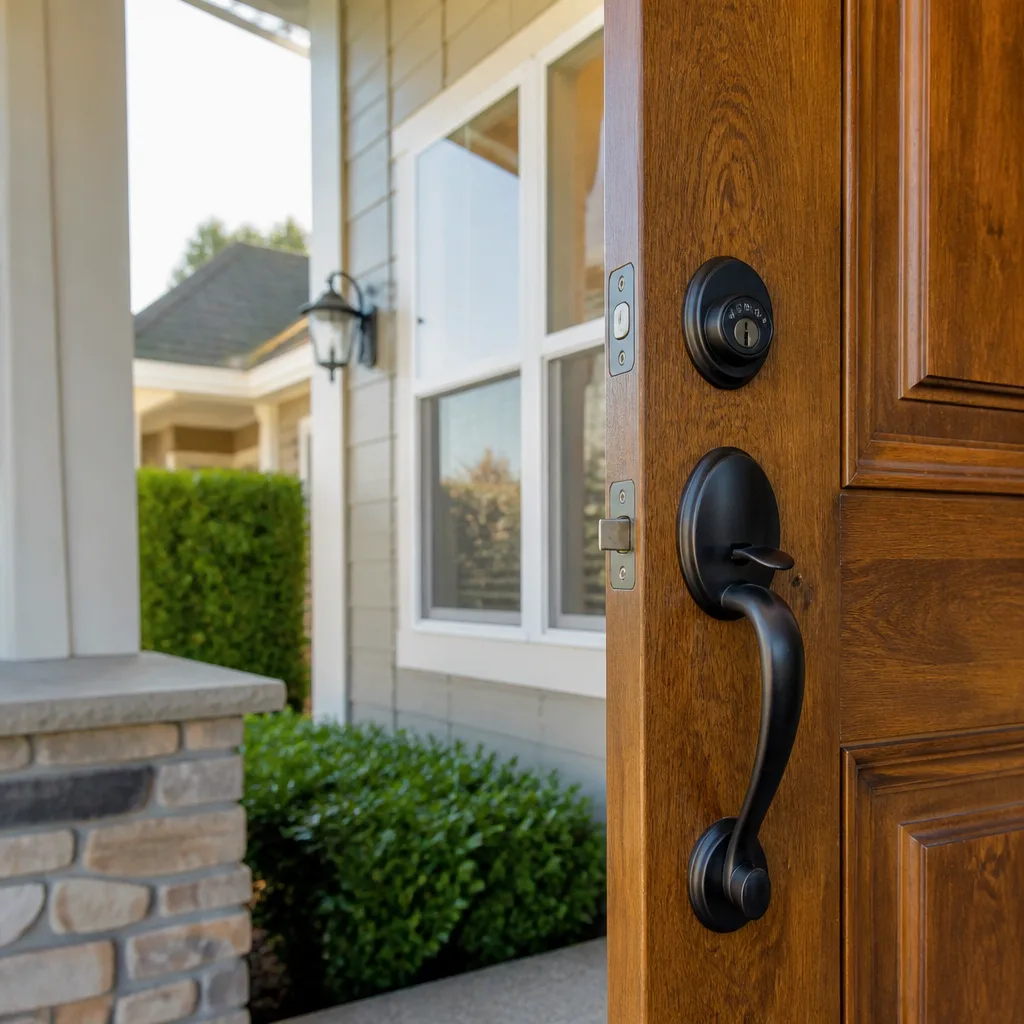
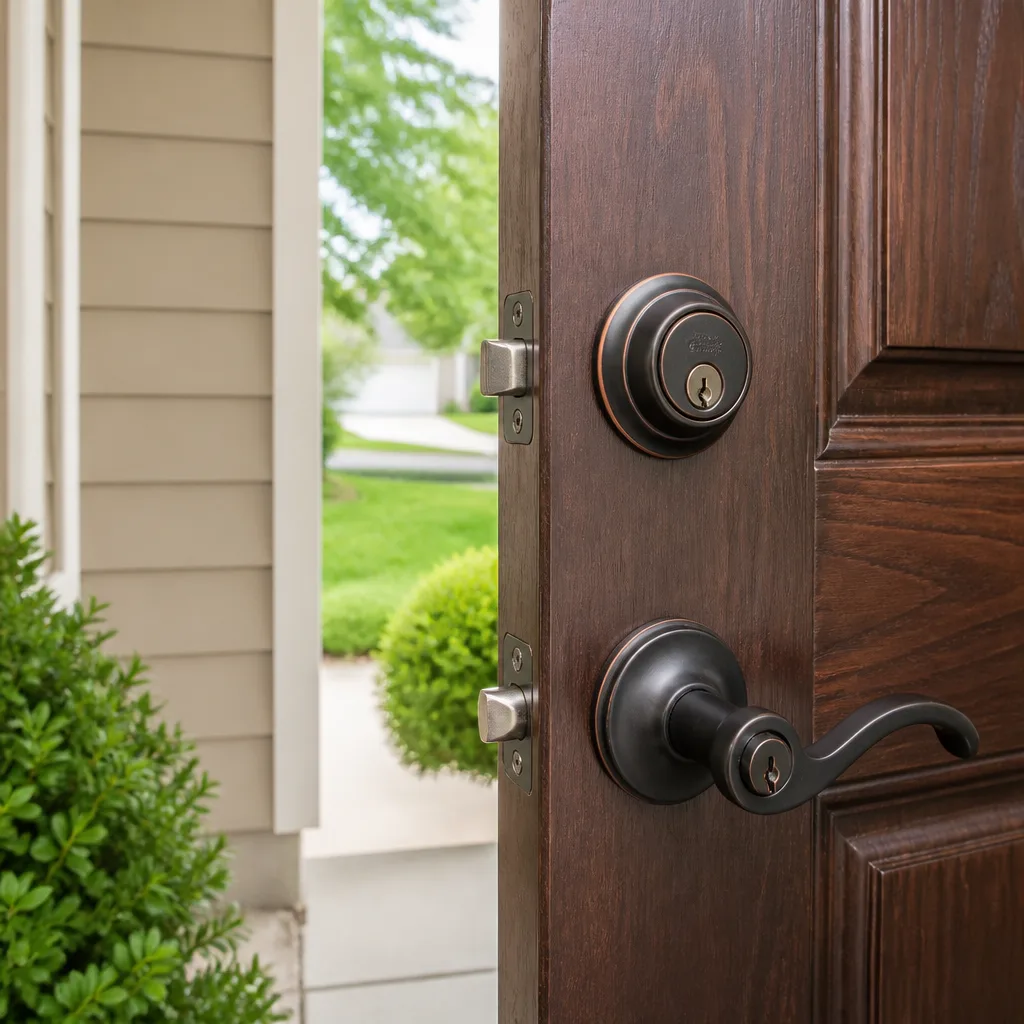
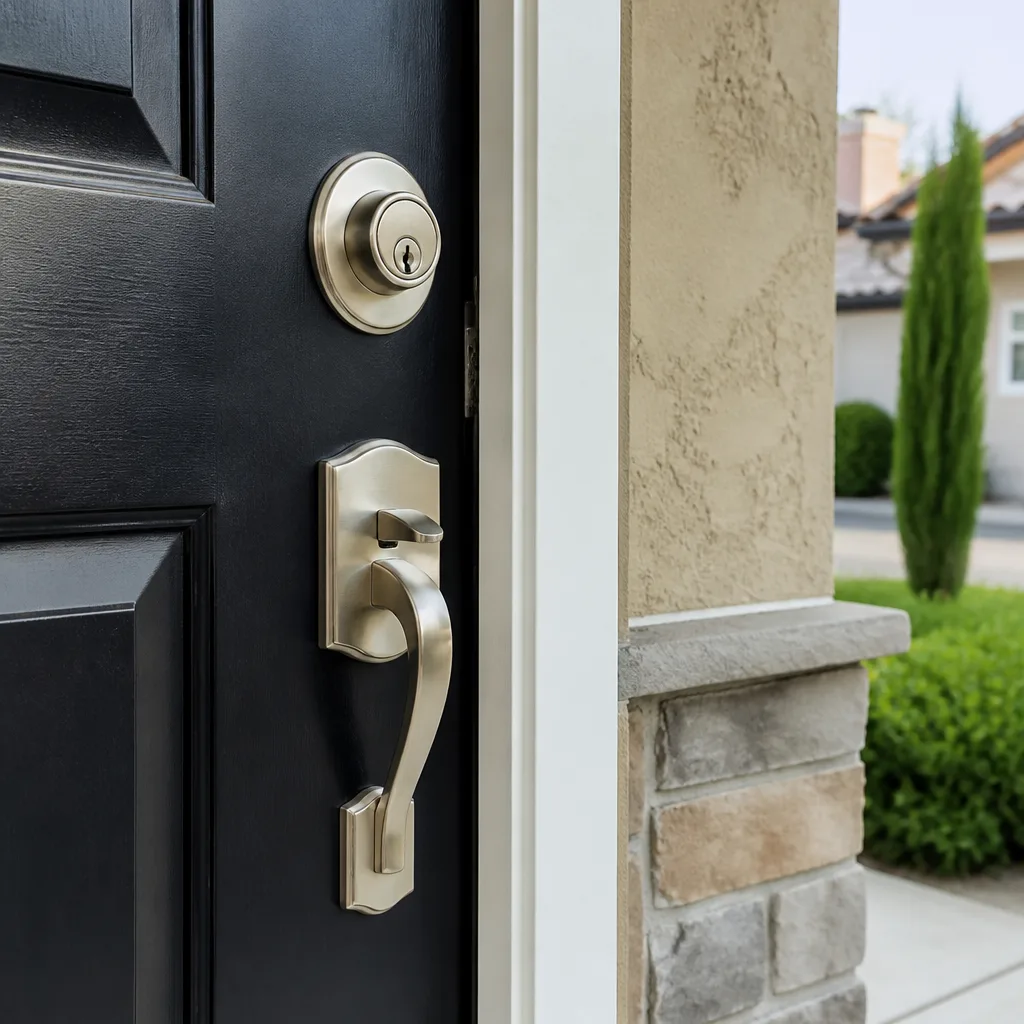
Lock Won’t Turn
What’s Happening
A lock that won’t turn is almost always caused by one of four things: a worn or binding cylinder, a misaligned strike plate, a key that’s no longer cut correctly, or a dead latch mechanism that has seized inside the door. Any of these can stop a perfectly good lock cold, and a trained technician can usually diagnose and fix the right one in a single visit.
It’s worth being specific about what “won’t turn” actually covers, because people mean a few different things. Sometimes the key slides in but won’t rotate at all. Sometimes it turns partway and sticks. Sometimes you can feel it trying to move but something inside resists and snaps back. Each of those sensations points to a different cause, and the fastest path to your door working again is knowing which one you’re dealing with before anyone picks up a tool. That’s where the diagnosis below comes in.
Why It Happens
1. The Cylinder Is Worn or Seized
Inside every keyed lock is a cylinder – a plug that rotates when the right key is inserted and lifts the internal pins to the correct height. Over years of use, those pins wear down, the springs behind them weaken, and the plug itself can corrode or dry out. When this happens, the key goes in but the cylinder either won’t move or turns with so much resistance that it feels like the lock is fighting you. A tell: if the lock worked fine until recently and the same key has been in use for years, a worn cylinder is the most likely culprit. You may also notice the key feels looser than it used to, or that you need to wiggle it before anything happens.
2. The Door or Frame Has Shifted
Houses settle. Frames expand in heat and contract in cold. Humidity can swell a wooden door by a measurable amount in a single season. When the door shifts, the bolt and the strike plate stop lining up, and the lock mechanism binds because it’s trying to throw a bolt into a hole that has moved. If you can see daylight around your door frame that wasn’t there before, or if the door itself requires a shoulder to close properly, a shifted frame is almost certainly the reason the lock won’t turn. The lock itself may be in perfect condition – it’s just fighting bad geometry.
3. The Key Is Damaged or the Wrong Cut
Keys wear. A key that’s been copied a few generations from the original can be off by a fraction of a millimeter – enough that it no longer lifts every pin to exactly the right height. A bent or nicked key has the same effect. If the lock works smoothly with a different key, even one that’s older, the key in your hand is the problem and not the lock. You can usually spot this by looking at the key edge: if the peaks and valleys look rounded rather than sharp, or if the blade has any visible bend, you’re looking at the cause.
4. The Internal Mechanism Has Failed
Behind the cylinder is a tailpiece or cam that connects the rotating plug to the latch or deadbolt. In a deadbolt, there’s also a cam follower that drives the bolt in and out. Any of these parts can crack, break, or slip out of position, especially on hardware that’s been in service for a long time or has been forced. If the key turns freely but nothing happens – no bolt movement, no click, no latch retraction – something mechanical has broken inside. This is not a lubrication problem. The lock needs to come apart, and in most cases, it needs to be replaced rather than repaired.
What to Do Right Now
- Stop forcing the key. Turning a key harder against resistance is how keys snap off inside cylinders. A broken key in a lock is a more expensive and more urgent problem than a lock that won’t turn. If it isn’t moving with normal hand pressure, stop.
- Try a spare key if you have one. If a second key works where the first one doesn’t, the key is the problem. Set the worn key aside and note it when you call – it speeds up the diagnosis.
- Check whether the door is fully latched. Sometimes a deadbolt won’t turn because the door is slightly ajar and the bolt is already at an angle against the frame. Pull the door fully closed before you try the lock again.
- Look at the strike plate area. Shine a light at the gap between the door and the frame near the lock. If the bolt is visibly misaligned with the hole in the strike plate, you’re looking at a frame or alignment issue, not a lock failure.
- Take a short video on your phone. A five-second clip of what happens when you insert the key and try to turn it gives your technician useful information before they arrive. It’s faster than describing it over the phone.
How We Fix It
When your local Dunmore Locksmith team arrives, the first thing the technician does is a hands-on diagnosis – checking the cylinder, the key, the alignment, and the internal mechanism before quoting anything. You’ll get the price for that specific repair in writing before any work starts. That’s not a policy we bend; it’s how every job works.
If the cylinder is worn or seized, we can often service it in place or replace just the cylinder core rather than the full lock. If the door has shifted, we’ll adjust the strike plate and, where needed, address the frame fit. A broken internal mechanism almost always means a full lock replacement, and we carry Schlage, Kwikset, Medeco, Baldwin, Yale, Mul-T-Lock, Sargent, and Abloy hardware on the truck so the work can usually be completed in one visit.
Most door lock repair calls take between 30 and 90 minutes depending on the cause. Whatever we do is covered by the 365-Day Done Right Promise – a written guarantee on every repair. If the fix fails within that year, we come back at no charge. No asterisks.
Frequently Asked Questions
It depends on which side of the door you’re on and whether the door can still be secured another way. If the failing lock is your only means of securing an entry point, it shouldn’t wait – a lock that won’t function reliably is a lock that can fail at the wrong moment. If you’re locked out entirely, call (910) 714-4287 now; we have live staff on the phone around the clock, every day of the year.
Our teams handle door lock repair calls on a same-day basis whenever scheduling allows. The fastest way to find out is to call (910) 714-4287 – a real person answers every call, not a voicemail. They’ll give you an honest arrival window based on your location and what’s on the schedule.
Yes. The price goes in writing before any work starts – that’s the only way we work. There’s no call-out charge added when the technician arrives, and the written quote you receive on-site is the number on your invoice. If anything changes in scope, we tell you before we act on it.
Before your technician leaves for your address, we send you their name and photo. At the door, they carry a photo ID badge and arrive in a clean, marked uniform. Every technician on our team has been background-checked and identity-verified through the Threshold Standard – the same process for every job, every location. If anyone arrives who you were not told to expect, that visit is on us.
Get It Fixed
Call (910) 714-4287 and a real person picks up – any hour, any day. Tell us what you’re seeing and we’ll get your local Dunmore Locksmith team scheduled. You’ll have a name, a photo, and a written price before anyone touches your lock.
Written by Perry Osgood, Owner & Lead Technician, Dunmore Locksmith – part of the Threshold Group family of independent local locksmith businesses, serving customers since 2007.
What Our Customers Say
"Our storefront door lock was worn and tough to turn. He repaired it on the spot and left us extra keys cut properly."
- Camille W."Good work installing a keypad lock on our back office. Showed up fifteen minutes late, but he called first. Programming codes took a while, but he made sure I understood it."
- Mitchell K."Deadbolt on the front door was sticking and wouldn't throw all the way. He cleaned it, adjusted the strike plate, and it works smoothly now. Charged very little."
- Victor S.