
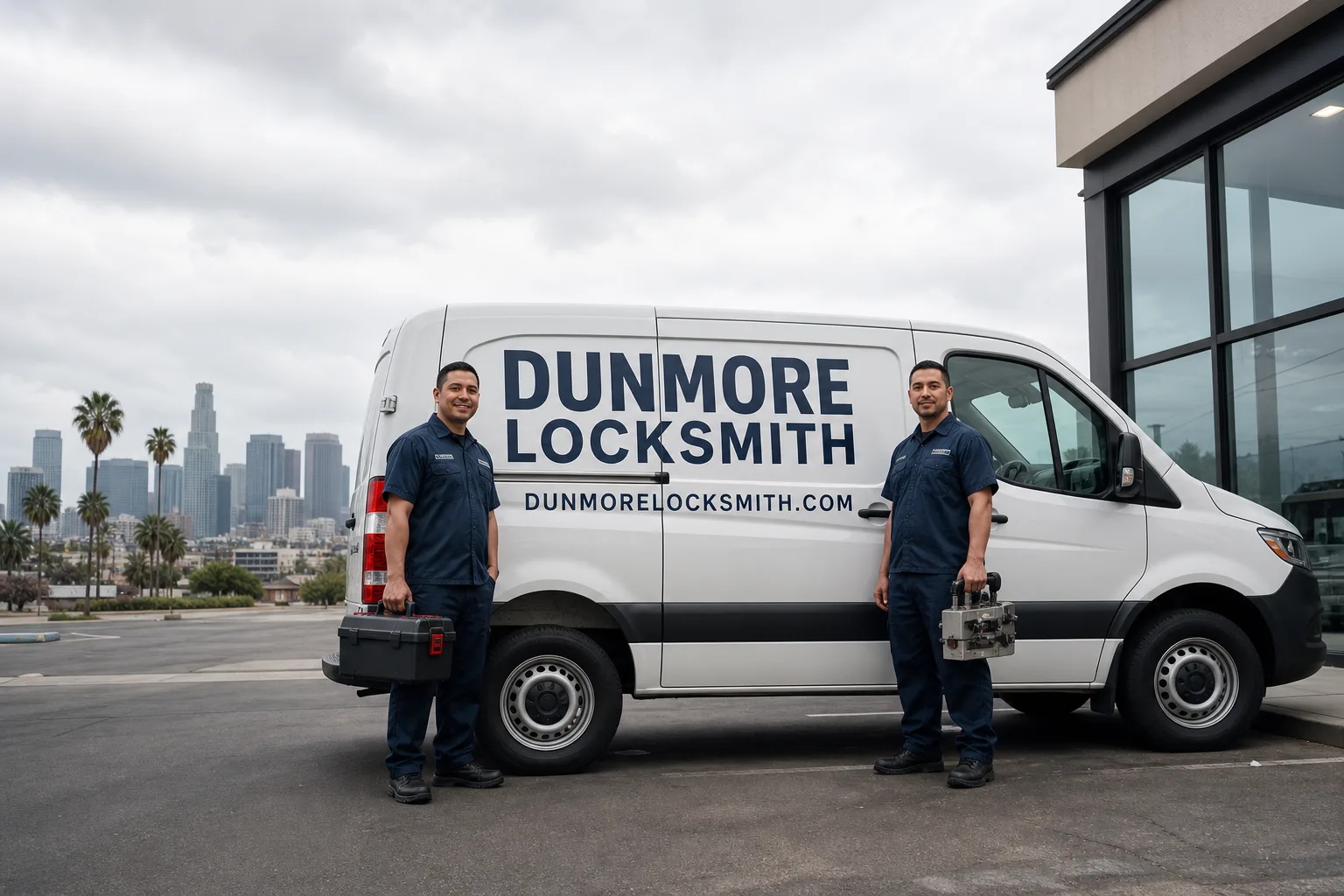
Non-destructive entry first, always - and we re-key Schlage, Kwikset, and Baldwin locks on the spot while you watch
You get a price before we start. It does not change when we arrive. No surprises.
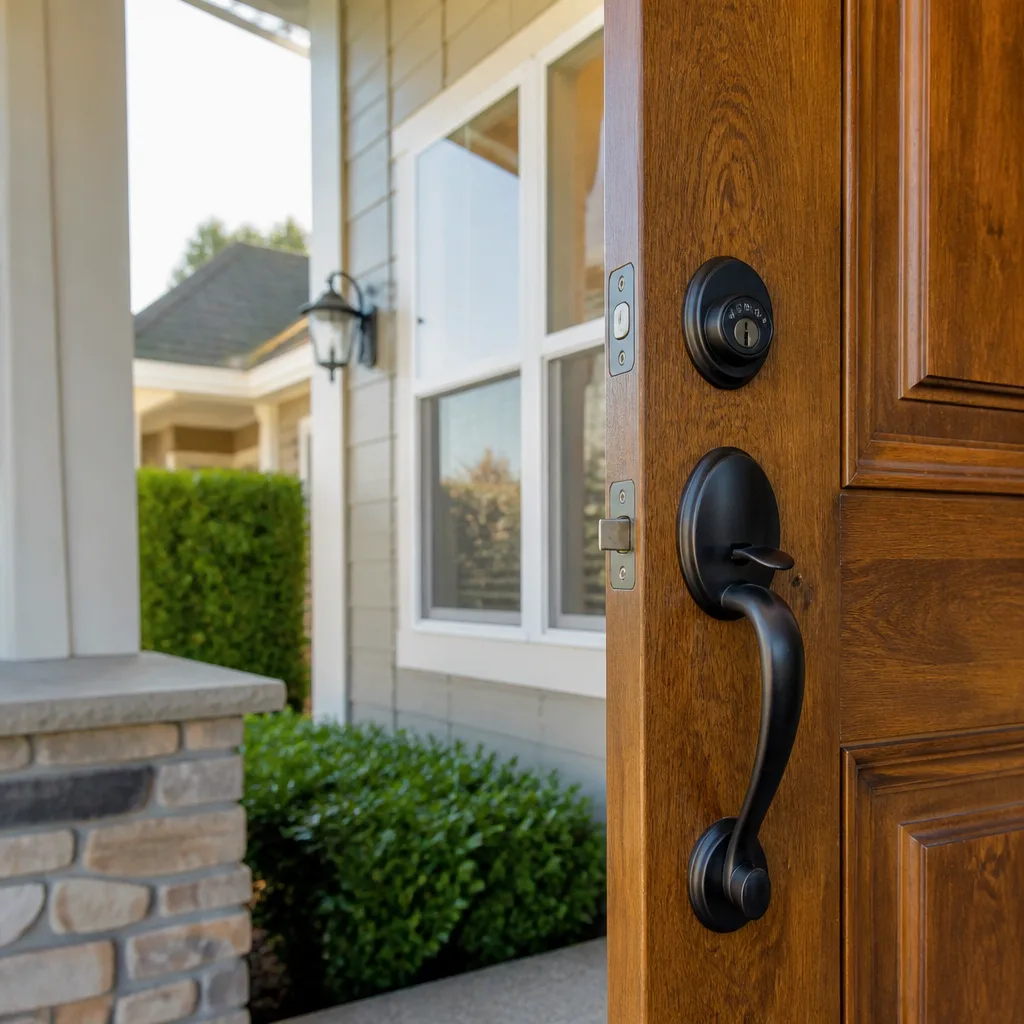
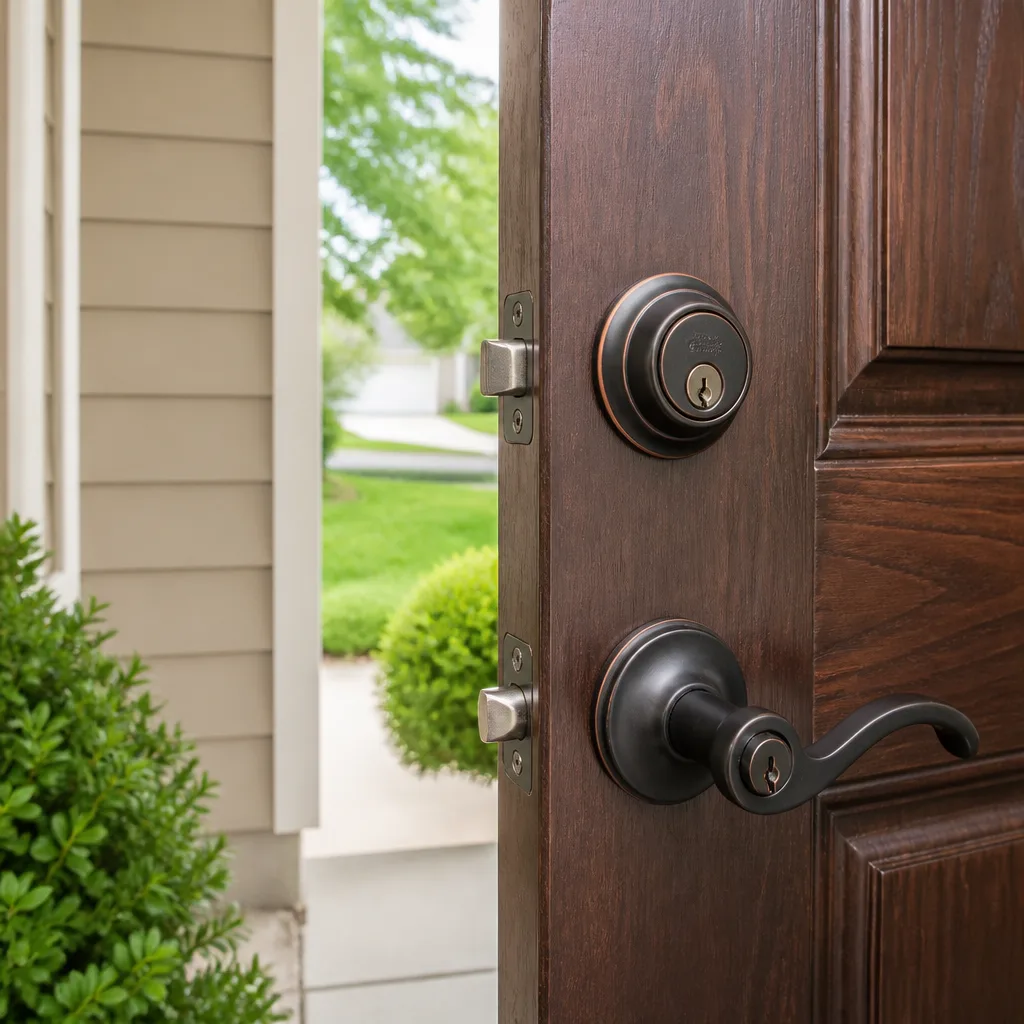
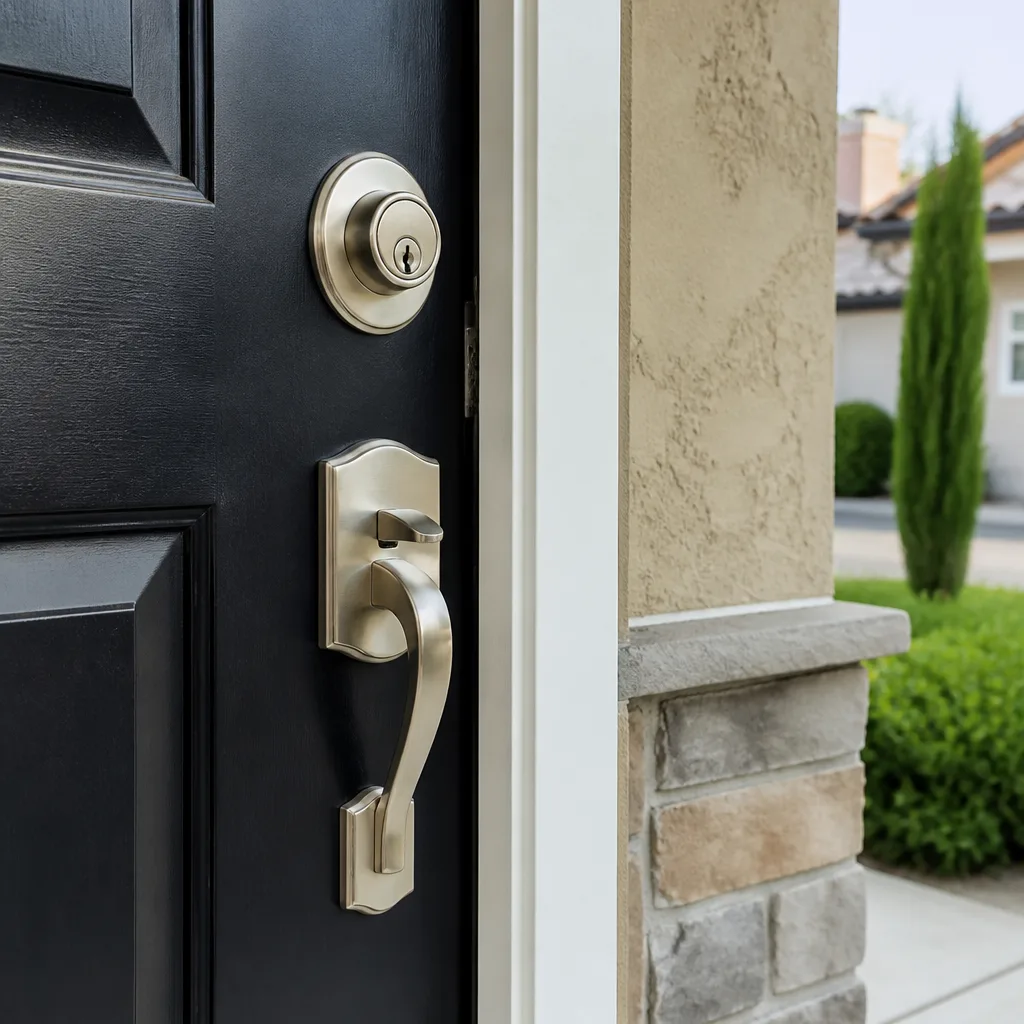
Key Turns but the Door Won’t Open
When your key turns in the lock but the door stays shut, the problem is almost never the key itself. In most cases, the latch or deadbolt is failing to retract, or it’s retracting but catching on the strike plate. A locksmith can usually diagnose and fix this in a single visit.
The good news is that a turning key means the cylinder is still reading your key correctly, so you’re not looking at a full lock replacement in most cases. The fault is further down the mechanism, in the parts that actually move the bolt or latch. Those parts wear out, shift out of alignment, or seize up, and knowing which one is misbehaving helps your technician arrive prepared with the right hardware.
Why It Happens
A Worn or Sticking Latch Mechanism
Inside your door, the key drives a cam or tailpiece that’s supposed to pull the latch back into the door. Over years of use, that linkage wears down, and the latch stops retracting fully even when the key turns all the way. You’ll often feel a kind of soft, mushy turn with no resistance at the end, and the latch visibly stays put. This is one of the most common reasons we get called out, and it usually means the lock body itself needs to be repaired or replaced.
A Misaligned Strike Plate or Door Frame
The deadbolt or latch retracts, but the bolt is sitting too high, too low, or at a slight angle relative to the hole in the strike plate, so it can’t fully clear. This happens when a door settles with the house, when hinges loosen, or after a hard season of humidity swelling the frame. The clearest sign is that the door opens fine in warm, dry weather but binds in winter or after rain. You might also see fresh scrape marks on the strike plate where the bolt has been dragging.
A Deadbolt That’s Seized or Corroded
Deadbolts on exterior doors face moisture, temperature swings, and years without lubrication. The bolt itself can corrode or the internal spring can weaken to the point where turning the key moves the mechanism but can’t push the bolt far enough to clear the frame. You’ll often hear the cylinder turning but notice very little movement from the bolt, or it will travel halfway and stop. This is different from alignment problems because the fault is internal, not a fit issue between the bolt and the plate.
A Broken or Disconnected Internal Component
Sometimes a spindle, cam, or connecting bar inside the lock body cracks or separates. The key turns freely, the cylinder spins, but nothing downstream is connected to it anymore. This can happen suddenly, especially in older hardware or cheaper locks that have taken a lot of use. If the key is spinning with almost no resistance and the bolt isn’t moving at all, a broken internal part is the likely culprit, and the lock will need to be opened by a technician using non-destructive entry methods before any repair can begin.
What to Do Right Now
- Stop forcing it. Applying extra torque to the key or pulling hard on the door while turning can snap the key in the cylinder or damage the bolt further. If it hasn’t opened with normal pressure, more force won’t help.
- Look at the bolt and the strike plate. With the door in the frame, see if you can tell whether the bolt is moving at all when you turn the key. If it moves but stops short of clearing the plate, that points toward alignment or a seized bolt. If it doesn’t move at all, you’re likely dealing with a broken internal part.
- Check whether the door is swollen or warped. Press your shoulder gently against the door while trying the key. If there’s any give, the frame may have shifted and the bolt is catching on the plate edge. Note whether the problem is worse today than usual, or started after a weather change.
- Take a photo. A quick picture of the lock face, the strike plate, and the gap between the door and frame helps your technician arrive knowing what they’re dealing with. Send it along when you call.
- Don’t leave the door propped or unsecured. If you managed to get in through another entry point while the primary lock is stuck, don’t leave it that way for long. A lock that isn’t fully engaging is not locking, and that matters whether you’re home or away.
How We Fix It
When one of our technicians arrives, the first thing they do is watch you turn the key, or turn it themselves, to confirm exactly where the mechanism is failing. That matters because the fix for a misaligned strike plate is different from the fix for a broken cam, and arriving with the wrong part wastes everyone’s time.
For alignment issues, the technician adjusts or repositions the strike plate and checks the door’s hang. For a worn or broken lock body, they’ll perform a door lock repair or, if the hardware is too far gone, walk you through a change of door locks with hardware you choose and a price you’ve agreed to in writing before anything is touched.
Most jobs like this take between thirty minutes and an hour. Before a single tool comes out, you’ll have a written price for exactly the work being done. That price is what’s on the invoice, no additions. Every repair is covered by our 365-Day Done Right Promise: if it fails within a year, we come back at no charge.
Frequently Asked Questions
If the lock isn’t engaging fully, your door may not be secured, which means it shouldn’t wait. A lock that turns without latching or bolting is an unlocked door, even if it looks closed. Call (910) 714-4287 and tell us exactly what’s happening so we can help you figure out whether it’s urgent.
Our phones are answered by a live person 24 hours a day, every day of the year, so you can always reach someone who can schedule your local Dunmore Locksmith team. Call (910) 714-4287 and we’ll tell you what availability looks like for your area right now.
Yes, and that’s not a small thing. Before your technician arrives, we send you their name and photo so you know exactly who to expect. At the door, they’ll show a photo ID badge and arrive in a clean, marked uniform. That’s part of what we call the Threshold Standard, and it applies on every single visit.
In many cases, the lock can be repaired rather than replaced, particularly when the fault is alignment or a single internal component. If replacement is the better answer, your technician will explain why and give you a written price for both options before any work starts. You decide, with no pressure either way.
Get It Fixed
A lock that turns without opening isn’t something to put off. Call (910) 714-4287 right now and a live person will pick up. Your local Dunmore Locksmith team will diagnose the problem, give you a written price before anything starts, and back the repair with our 365-Day Done Right Promise.
Written by Perry Osgood, Owner and Lead Technician at Dunmore Locksmith, part of the Threshold Group family of independent local locksmith businesses since 2007.
What Our Customers Say
"Deadbolt on the front door was sticking and wouldn't throw all the way. He cleaned it, adjusted the strike plate, and it works smoothly now. Charged very little."
- Victor S."The fact that he was background checked and carried ID made me comfortable letting him into the home. Changed out two worn deadbolts for new grade 1 ones."
- Brenda Z."We moved into a new house and wanted to know nobody else had a key. He rekeyed every exterior door and showed me how the pins work. Clear and patient."
- Anita P.