
Last updated October 8, 2026
Non-destructive entry first, always - and we re-key Schlage, Kwikset, and Baldwin locks on the spot while you watch
You get a price before we start. It does not change when we arrive. No surprises.
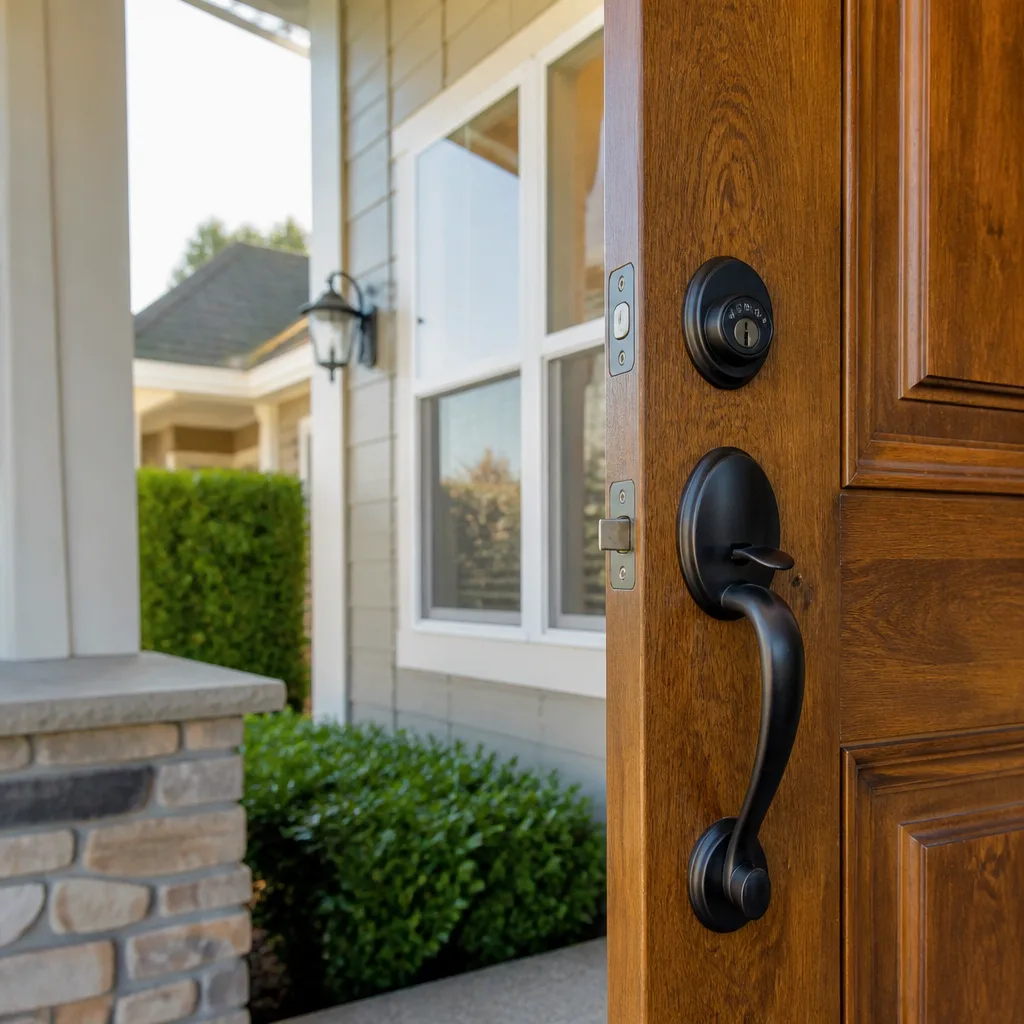
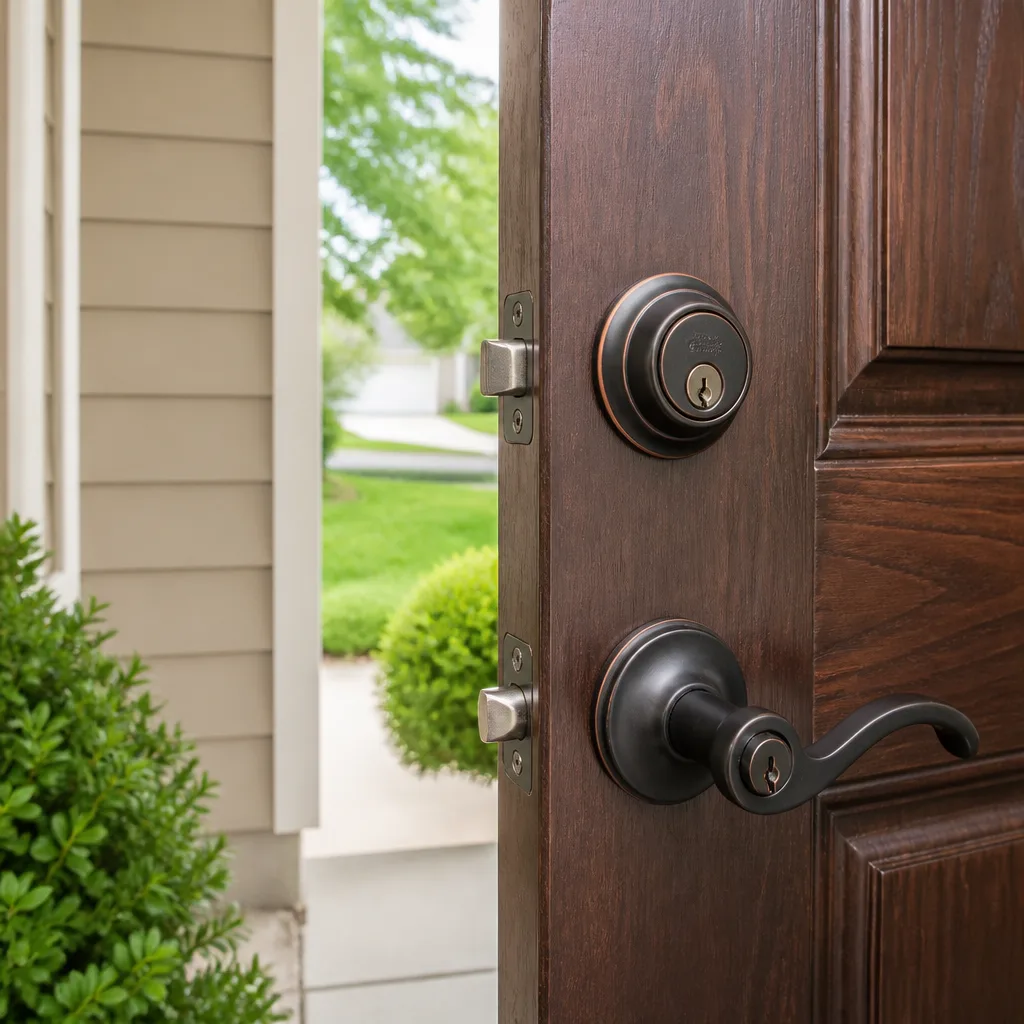
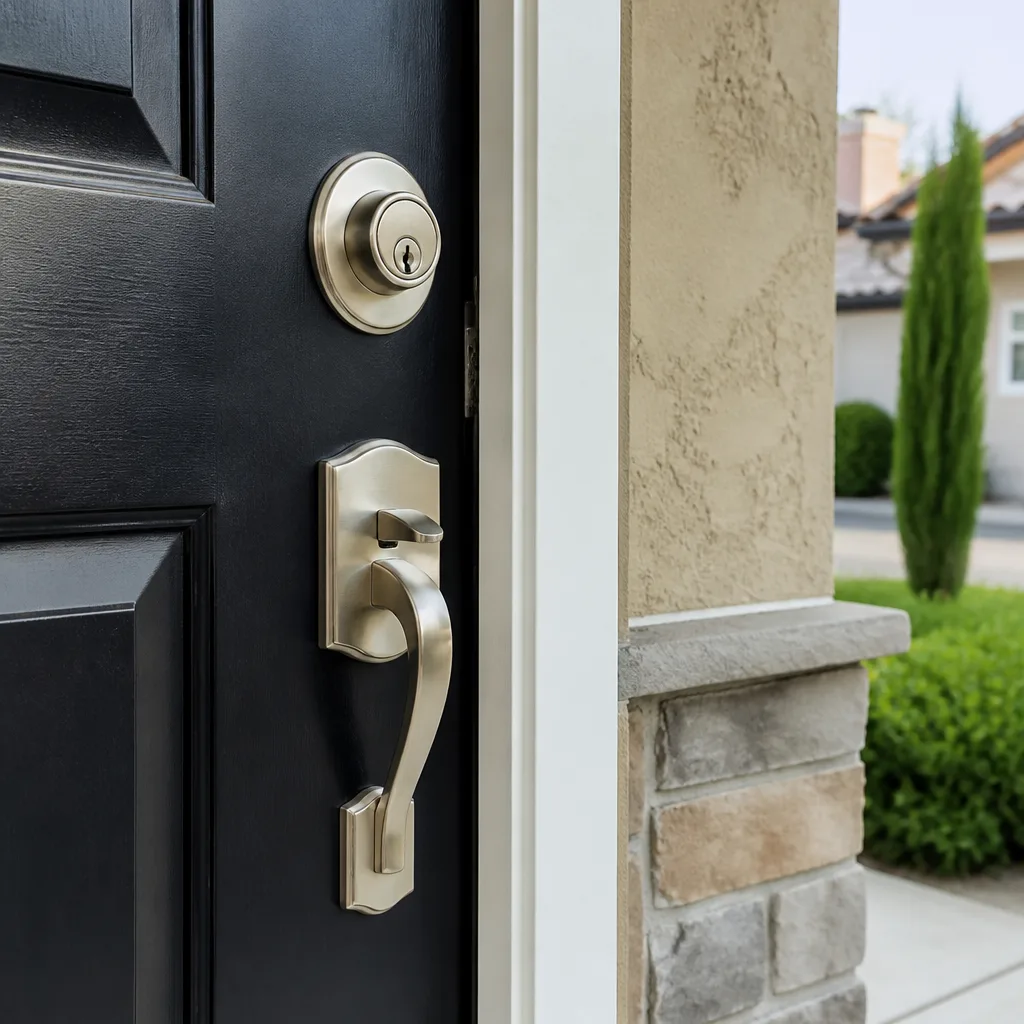
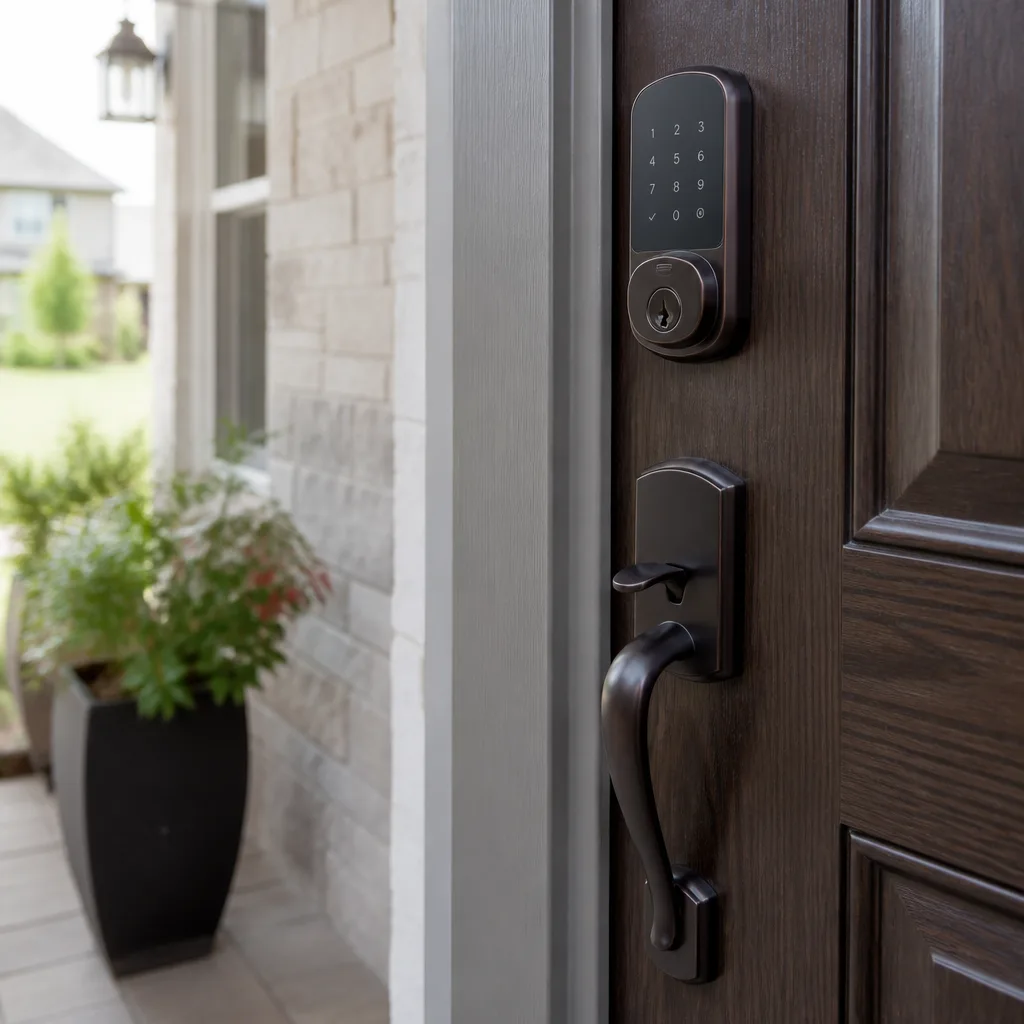
Locksmith Emergency Preparedness Guide for Los Angeles Homes
After the 1994 Northridge earthquake, locksmiths across Los Angeles answered nonstop calls for more than 72 hours. Homeowners were trapped inside houses with shifted door frames, standing outside homes with locks that had seized, or holding keys that no longer turned in any door. None of them had planned for it. Our more guides & resources exist so you don’t repeat that pattern. You’ll learn how to pre-vet a locksmith before you need one, what to do in the first ten minutes of a lockout during a wildfire evacuation, how to handle smart locks in a power outage, and how to assess your doors after an earthquake. If you live in Los Angeles, you live in a place where the ground moves, the power goes out, and the hills burn. Your locks are part of that equation.
Quick Answer
Emergency locksmith preparedness in Los Angeles means planning for two things happening at once: a physical lock failure and a degraded decision-making environment. You prepare by saving a verified, background-checked locksmith’s contact information before you need it, knowing which of your locks have mechanical overrides, keeping a written spare-key protocol with a trusted neighbor, and learning how to assess your doors after an earthquake. The goal is to make the 2 a.m. call only after you’ve already confirmed who’s coming to your door.
Table of Contents
- Pre-Vetting a Locksmith Before You Need One
- The First 10 Minutes: Lockout During a Wildfire Evacuation
- Power Outages and Smart Locks: What Actually Works
- Post-Earthquake Door Assessment: Safe to Open or Not?
- Family Communication Plan for Lock Emergencies
- Common Mistakes to Avoid
- When to Call a Professional
- Frequently Asked Questions
Pre-Vetting a Locksmith Before You Need One
The worst time to research a locksmith is during an emergency. Stress narrows your focus, your phone battery might be dying, and you’re more likely to call the first number that appears in a search result. That’s how people end up quoted one price over the phone and handed an invoice for three times that amount after the work is done. Los Angeles has more than enough licensed locksmiths to choose from, but the difference between a good one and a bad one shows up in how they handle verification before they ever touch your lock. See Locksmith Warning Signs: A Los Angeles Homeowner’s Reference Guide for what to watch for.
Before an emergency happens, collect these three pieces of information from any locksmith you’re considering:
- Written price confirmation policy: Ask directly whether the locksmith provides a written price before any work begins, and whether that price is the final invoice price. If they hedge on this question, move on. A legitimate Los Angeles locksmith will state plainly that the price you’re quoted is the price you’ll pay.
- Technician identification procedure: Ask how you’ll know the person at your door is actually from the company. The answer you want is specific: a name and photo sent before the visit, a photo ID badge shown at the door, and a uniform the company can describe. If the answer is vague like “you’ll just know” or “our guy will call you,” that’s a red flag.
- Guarantee terms in writing: Ask what happens if the repair fails in six months. A company with confidence in its work will put the terms on paper. At Dunmore Locksmith, every job carries the 365-Day Done Right Promise: if the repair fails within a year, we return at no charge. No fine print, no prorated fees.
Store this information in your phone contacts and on a physical card in a drawer. During a wildfire evacuation or a post-earthquake scramble, you won’t have time to redo this research. You’ll just make the call.
We’ve seen this play out in Los Angeles neighborhoods from Sherman Oaks to Eagle Rock. The homeowners who had a saved contact with verified credentials called, got a named technician sent to them, and had the job done at the written price. The ones who didn’t ended up paying whatever the first available stranger asked for.
The First 10 Minutes: Lockout During a Wildfire Evacuation
Wildfire evacuation orders in Los Angeles come fast. The 2019 Getty Fire, the 2025 Palisades Fire, and dozens of smaller burns have all produced the same scenario: a family realizes they’re locked out of their home while an evacuation notice is sitting unanswered on their phone. The lockout is no longer just inconvenient. It’s a security and safety compound problem. Here’s the priority sequence that actually works.
- Check every exterior door and accessible window before calling anyone. In the rush of evacuation prep, people forget the side garage door or the back patio slider. You’d be surprised how often one entry point is unlocked. This takes 60 seconds and costs nothing.
- If you have a smart lock, try the mechanical override now. Most keypad deadbolts have a physical keyway behind the keypad or on the bottom of the lock body. If you don’t have that key, check the battery. A dead 9-volt can be swapped from a smoke detector in a pinch, though we don’t recommend leaving your smoke detector uncovered.
- Call your pre-vetted locksmith before you call anyone else. Here’s why this order matters: police or fire personnel have no obligation to force your door, and breaking a window creates a new security hole while you’re evacuated. A locksmith gets you in without structural damage.
- Tell the dispatcher three things: your cross streets, not just your address (evacuation zones in Los Angeles are mapped by area, and cross streets help techs navigate road closures); whether the deadbolt is extended or the doorknob is locked (this changes which tools are needed); and whether anyone is inside or any pets are trapped.
- Verify the technician before opening the door. The person who arrives should match the name and photo you were sent. Ask to see the photo ID badge through the window or peephole before you turn the handle. At Dunmore Locksmith, every technician is background-checked, identity-verified, and sent to you by name and photo before the visit. If someone shows up who you weren’t told to expect, our policy is clear: that visit is covered at no charge.
The average Los Angeles locksmith response during a wildfire zone dispatch runs 45 to 90 minutes when roads are open. If you’re in a mandatory evacuation zone, tell the dispatcher immediately so they can prioritize and plan an alternate route.
Power Outages and Smart Locks: What Actually Works
Los Angeles loses power for two main reasons: wind events that down lines in the canyons, and rolling blackouts during heat waves. When a smart lock loses power, its behavior depends on the specific model and how it was installed. Some locks fail open, which is a security problem. Some fail locked, which is an access problem. Some do neither and simply drain a backup battery while you’re asleep in a powerless house. Here’s the real-world breakdown based on what we see in Los Angeles homes.
Kwikset smart locks with the standard keypad deadbolt design use four AA batteries and typically warn you with a red low-battery indicator for weeks before they die. The mechanical keyway is behind the keypad face. If you don’t have that physical key, now is the time to cut one and store it somewhere consistent. The battery backup in the lock itself is not the problem; the problem is that most homeowners never register the physical key location.
Yale smart locks, particularly the Assure series with the touchscreen keypad, have a notable weak point in power outages: the touchscreen draws more current than a push-button keypad, so battery life drops faster in standby. The mechanical override is typically a keyway at the bottom of the lock body. In our experience, homeowners with Yale locks are the most likely to have removed or lost the physical key because the touchscreen was supposed to replace it.
Baldwin smart locks are built on heavier mechanical hardware, so the deadbolt itself tends to hold up better during forced-entry attempts after a power failure. But the smart module is separate from the mechanical cylinder. If the module dies and you don’t have the physical key, you’re locked out just the same.
Here’s the Residential Locksmith Maintenance Checklist for Los Angeles Homeowners protocol we recommend for every Los Angeles home with smart locks:
- Change batteries on a schedule, not when the lock warns you. Twice a year works; align it with the spring and fall equinoxes so it’s easy to remember.
- Store one mechanical override key in a fireproof lockbox on the property, and give one to a trusted neighbor who will be home during most power outages.
- Test the mechanical override twice a year. Insert the key, turn it, and confirm the deadbolt actually throws. A key that hasn’t been used in three years can seize in a corroded cylinder.
- Know which way your door swings. In a power outage at night, if the deadbolt won’t retract electronically, you may need to pull the door toward you while turning the key. This is a Los Angeles-specific issue: many older homes in Silver Lake, Highland Park, and the San Fernando Valley have settled frames that bind against the deadbolt when the door isn’t in its natural resting position.
The mechanical override is not an optional feature. It’s the difference between a 30-second solution and a 2 a.m. locksmith call.
Post-Earthquake Door Assessment: Safe to Open or Not?
After an earthquake in Los Angeles, your first instinct might be to open a door to check on neighbors or survey damage. But a shifted frame can turn a normally safe door into a pinch point, and a jammed door can be hiding structural damage behind it. Before you yank on a stuck door or call a locksmith, walk through this assessment sequence.
- Look at the gap between the door slab and the frame. A uniform gap of about 1/8 inch on all three sides (hinge side, latch side, top) means the door is still aligned. A gap that’s wider at the top than the bottom, or wider on one side than the other, means the frame has racked.
- Check for visible cracks radiating from the top corners of the door frame. In Los Angeles, most post-earthquake door damage happens because the wall above the door shifted, not because the door itself moved. Cracks that run diagonally from the top corners of the frame mean the header has moved. A locksmith can’t fix that; a contractor needs to before the door will ever sit right again.
- Try the deadbolt gently with the key. If the key won’t turn at all, the cylinder is probably fine but the bolt is binding against the strike plate because the frame shifted. Do not force the key; you’ll break off the key in the cylinder and double the cost of the repair.
- If the door opens, leave it open until you’ve checked the hinge screws. A door that opens after an earthquake can still have loose hinge screws that will sag over the next few days. Tighten them now or the lock will start binding within a week.
- If the door won’t open and you see frame damage, don’t climb through a window unless you have to. Wait for a professional. The door may be load-bearing now, and removing it without shoring the opening is dangerous.
We respond to post-earthquake lock issues throughout Los Angeles, and the pattern is consistent: about 70% of the calls are simple misalignment fixes that take under an hour, and about 30% require frame repair before the lock can function again. A pre-vetted locksmith can tell you which category you’re in before they quote a price.
Family Communication Plan for Lock Emergencies
Most lock-related emergencies in Los Angeles households don’t involve earthquakes or wildfires. They involve a teenager who lost a key, a babysitter who locked themselves out, or an ex-partner who still has a copy of the house key. The family communication plan is the unglamorous foundation that makes every other plan work.
Spare key protocol: Decide today where one spare key lives outside the home, and who else is authorized to hold a copy. We recommend three locations: one in a lockbox or with a trusted neighbor within walking distance, one with a family member in the Los Angeles area who can drive over, and one in a drawer inside the home for the day you rekey and forget to redistribute keys. Write this down. Families that keep the protocol verbal forget it within six months.
Trusted neighbor authorization: Give your neighbor’s name and phone number to your locksmith in advance. If a lockout happens while you’re out of town and your neighbor is the one meeting the locksmith, the company should have a written record that this person is authorized to request entry. At Dunmore Locksmith, we log the authorization in the job file before the technician is dispatched. It doesn’t slow anything down, but it means the technician knows why the neighbor is there and isn’t just taking someone’s word for it.
What to tell the locksmith over the phone: Speed matters in an emergency, but so does accuracy. When you call, give the dispatcher these four things in this order: your address and cross streets; the type of lock (deadbolt, knob, smart lock with keypad, high-security cylinder); whether the key is broken off inside the lock or simply lost; and who will be present to let the technician in. That’s it. The technician will verify the rest at the door.
When to rekey instead of just replacing a lost key: If a key was lost anywhere near your Los Angeles home, in a bag stolen from a car in Koreatown, or in a purse taken off a café table in Studio City, rekey the lock. Rekeying means changing the internal pins so the old key no longer works. It’s cheaper than full lock replacement and closes the security gap immediately. Our standard rekey service on a Kwikset or Yale knob lock typically runs $95 to $160 per lock, depending on the cylinder type and accessibility.
Common Mistakes to Avoid
- Waiting until you’re locked out to Google a locksmith. This is how scams happen in Los Angeles. You’re stressed, you’re in a hurry, and you click the first ad. That ad may belong to a call center that dispatches an unchained subcontractor with no uniform, no ID, and no connection to the company you thought you called. Pre-vet now.
- Assuming your smart lock will work in a power outage. It will, but only if you have the mechanical key and the batteries aren’t dead. Most Los Angeles homeowners we’ve helped in outages had neither.
- Forcing a stuck door after an earthquake. If the frame has shifted, forcing the door can splinter the jamb and turn a $150 repair into a $600 frame replacement. Check the gap, check for cracks, then call.
- Giving the locksmith only your street address with no cross streets. Los Angeles addresses repeat across neighborhoods, and navigation apps misroute constantly in the hills. Cross streets cut response time by 15 to 20 minutes in our experience.
- Not asking for a written price before work begins. A legitimate Los Angeles locksmith puts the price in writing before touching your lock. If the technician starts working before you’ve seen a number, stop them and ask. The price should match what you were told on the phone, and it should be the price on the invoice, period.
- Keeping the spare key under the doormat. Burglars in Los Angeles know every hiding spot in the book, and the doormat is the first place they check. Use a lockbox or a trusted neighbor instead.
- Forgetting to rekey after moving into a new Los Angeles home. The previous owner, their family members, their dog walker, and a house cleaner you’ve never met may all have copies of the same key. Rekeying on move-in day should be as standard as changing the address on your driver’s license.
When to Call a Professional
You can handle battery changes, scheduled maintenance, and spare key distribution on your own. But some situations call for a trained locksmith with the right tools and the right accountability. Call a professional when a key breaks off inside a cylinder, when a deadbolt stops turning after an earthquake, when a smart lock’s electronic module fails and the mechanical key is missing, when you need a lock rekeyed after a lost key or a roommate move-out, or when high-security hardware like Medeco or Mul-T-Lock needs servicing. These are not jobs where you want to improvise. Dunmore Locksmith offers free estimates throughout Los Angeles. Call (910) 714-4287 and you’ll speak to a live person, get a written price before any work starts, and know exactly who’s coming to your door.
Dunmore Locksmith is the Los Angeles member of the Threshold Group, the network built around one premise: you should know exactly who is coming to your door before you open it. Since 2007, we’ve operated under the Threshold Standard: every technician is background-checked, identity-verified, photo-badged, and sent to you by name and photo before the visit. If someone arrives who you weren’t told to expect, that visit is covered at no charge. The name Dunmore comes from old words for a great fort, a stronghold built to keep what is inside safe. That’s the job, and we take it literally.
Frequently Asked Questions
In the Los Angeles market, a standard lockout during normal business hours typically runs $95 to $180 for a single-cylinder knob or deadbolt, depending on the neighborhood and time of day. After-hours calls between 10 p.m. and 6 a.m. usually run $150 to $260. Rekeying a standard Kwikset or Yale knob lock typically runs $95 to $160 per lock. If you’re being quoted $50 for a lockout from an unfamiliar company, that’s a classic bait-pricing setup in Los Angeles, and the final invoice will be much higher. Dunmore Locksmith provides a written price before any work starts, and that price is the price on the invoice. Call (910) 714-4287 for an exact quote; estimates are free.
Yes. At Dunmore Locksmith, the price we quote on the phone is the price delivered in writing before any work begins, and it’s the price on the invoice. No call-out surcharge added on arrival, no parts fees that weren’t disclosed, no labor expansion after the fact. If an unexpected complication changes the scope of work, we stop, explain what changed, and get your written approval before proceeding.
In most Los Angeles neighborhoods, our response time runs 45 to 90 minutes depending on traffic and whether you’re in a hillside area with limited access routes. During wildfire evacuation zones or major earthquake response, times can stretch to two hours because road closures force alternate routing. When you call, tell us if you’re in an active evacuation zone and we’ll route the nearest available technician accordingly. A live person answers the phone 24 hours a day, every day of the year.
Before the technician arrives, you’ll receive their name and photo by text or email. When they arrive, they’ll be in a clean marked uniform and they’ll show you a photo ID badge through the door or window before you open it. This is the Threshold Standard, and it applies to every job we do in Los Angeles. If someone shows up claiming to be from Dunmore Locksmith and you weren’t told to expect them, do not open the door. Call us immediately.
Not immediately, but you do need to rekey your locks. A lost key that can’t be accounted for is a security hole. Rekeying changes the internal pins inside the cylinder so your old keys no longer work, and it typically runs $95 to $160 per lock in Los Angeles. If you’re not sure whether the key was stolen or just misplaced, err on the side of rekeying. The cost is low relative to what a burglar with a working key can do.
Don’t try to extract it yourself with tweezers or pliers. You’ll push the broken piece deeper into the cylinder and turn a $25 extraction into a full cylinder replacement. Leave the lock alone, call a locksmith, and let them know over the phone that a key is broken off inside. The technician will bring the right extraction tools. Dunmore Locksmith handles broken key extraction throughout Los Angeles, and our Door Lock Repair in Los Angeles service covers this work under the same 365-Day Done Right Promise.
The Bottom Line
Emergency locksmith preparedness in Los Angeles is not about memorizing a phone number. It’s about building the decision infrastructure before the emergency hits: a pre-vetted locksmith with verified identity procedures and written pricing, a mechanical override key for every smart lock, a spare key protocol that your family and neighbors actually follow, and a post-earthquake door assessment sequence that keeps you from making damage worse. Do these things on a quiet Tuesday and the 2 a.m. call becomes simple: dial the number, verify the technician at the door, and get back inside at the price you were promised. For a free estimate or to pre-vet our credentials, call Dunmore Locksmith at (910) 714-4287. We’re the Los Angeles member of the Threshold Group, and we’ve been doing this since 2007. Explore our Residential Locksmith in Los Angeles services or learn about Changing Door Locks in Los Angeles when you’re ready to upgrade your home’s security.
Written by Perry Osgood, Owner at Dunmore Locksmith, serving Los Angeles since 2007.