
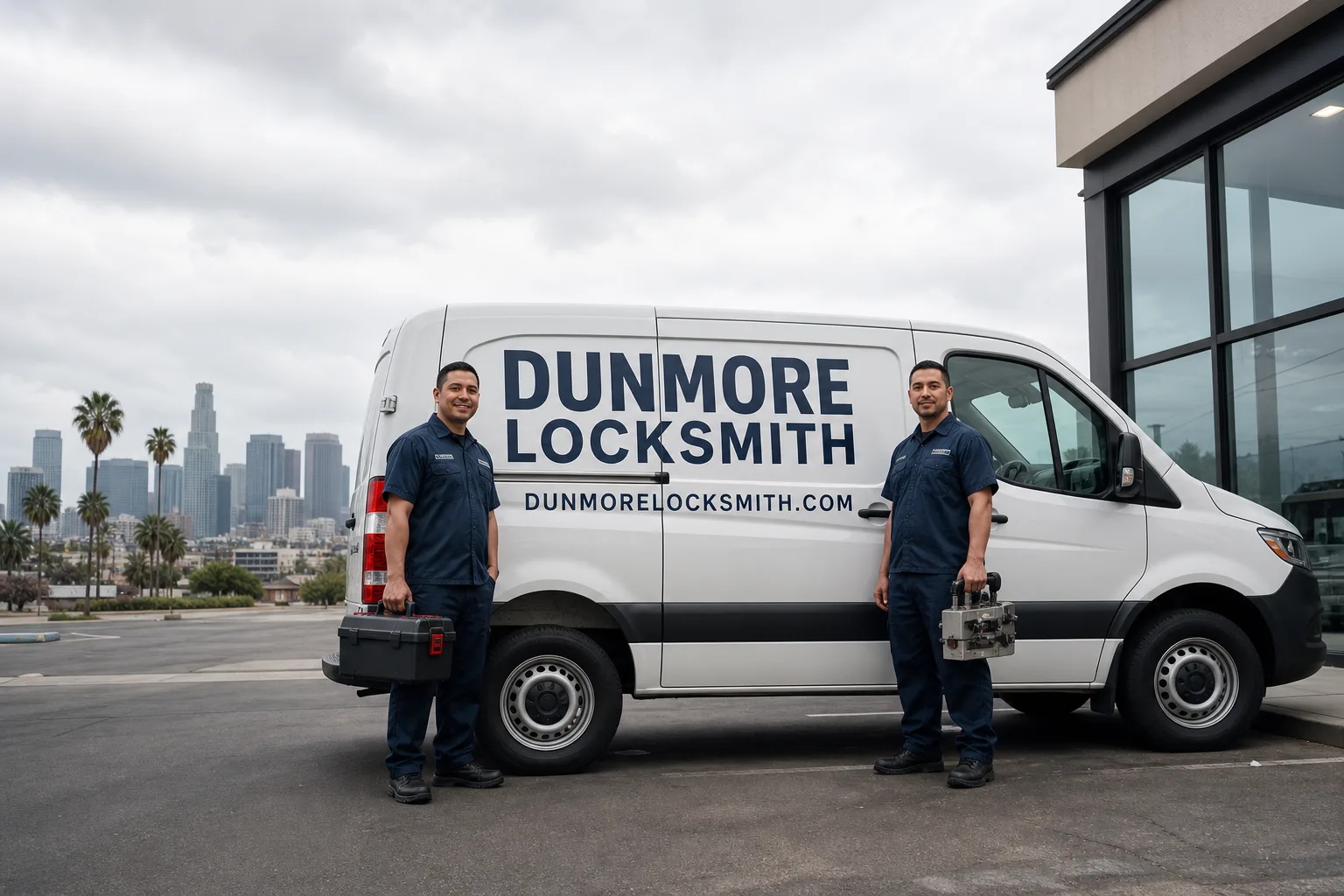
Non-destructive entry first, always - and we re-key Schlage, Kwikset, and Baldwin locks on the spot while you watch
You get a price before we start. It does not change when we arrive. No surprises.
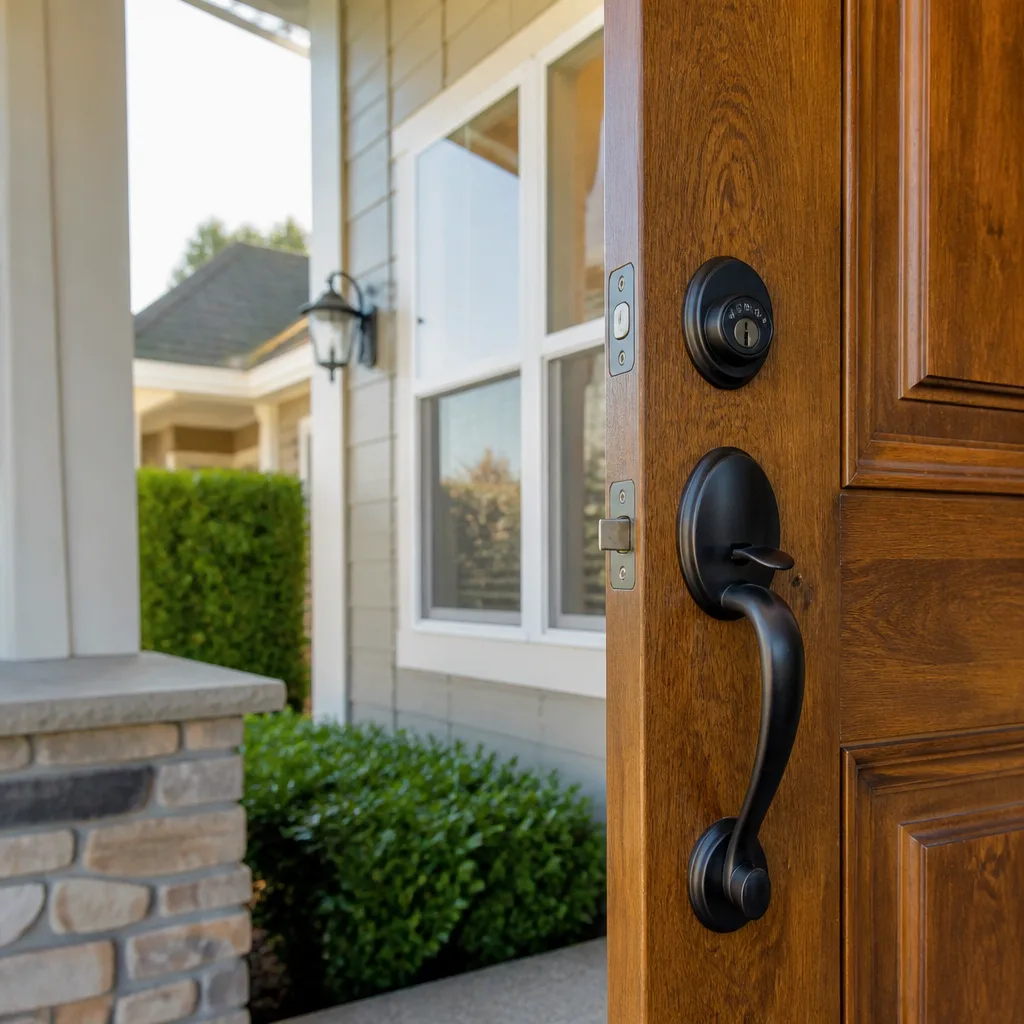
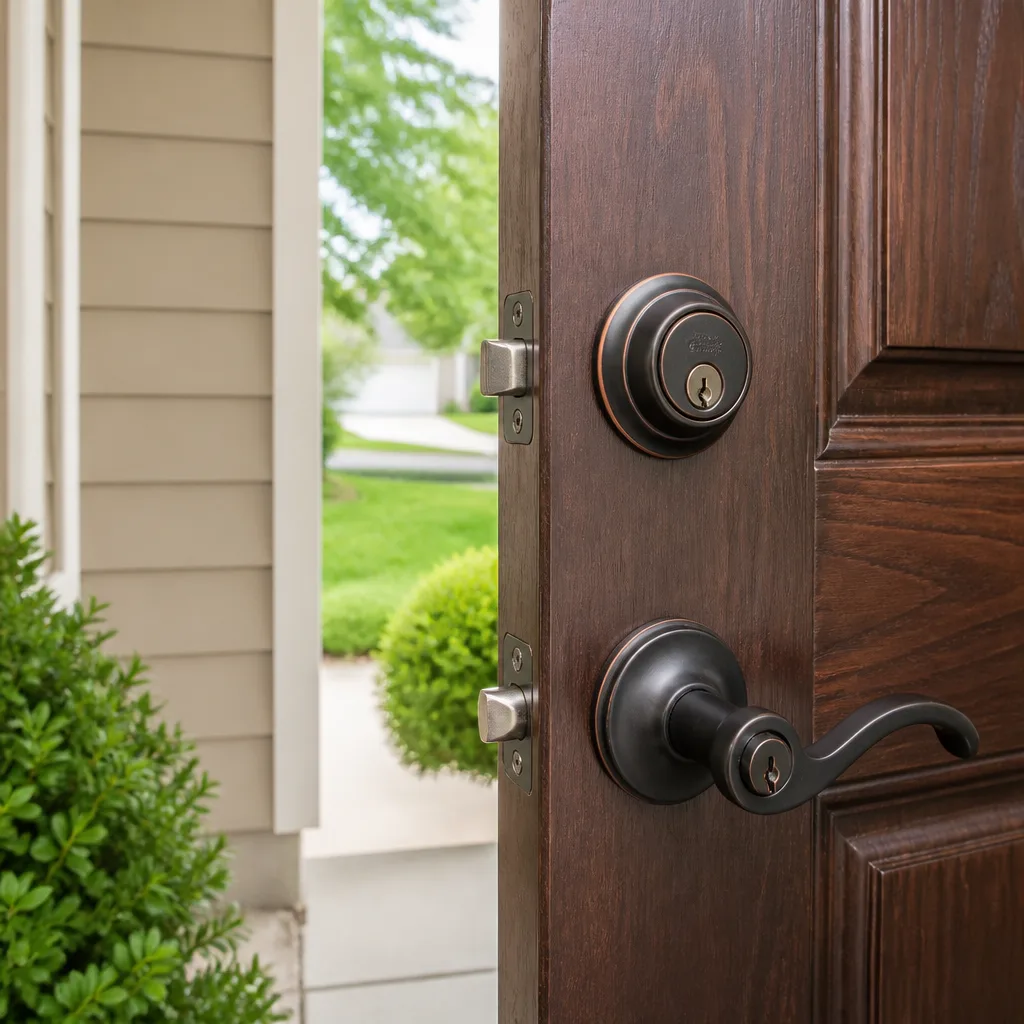
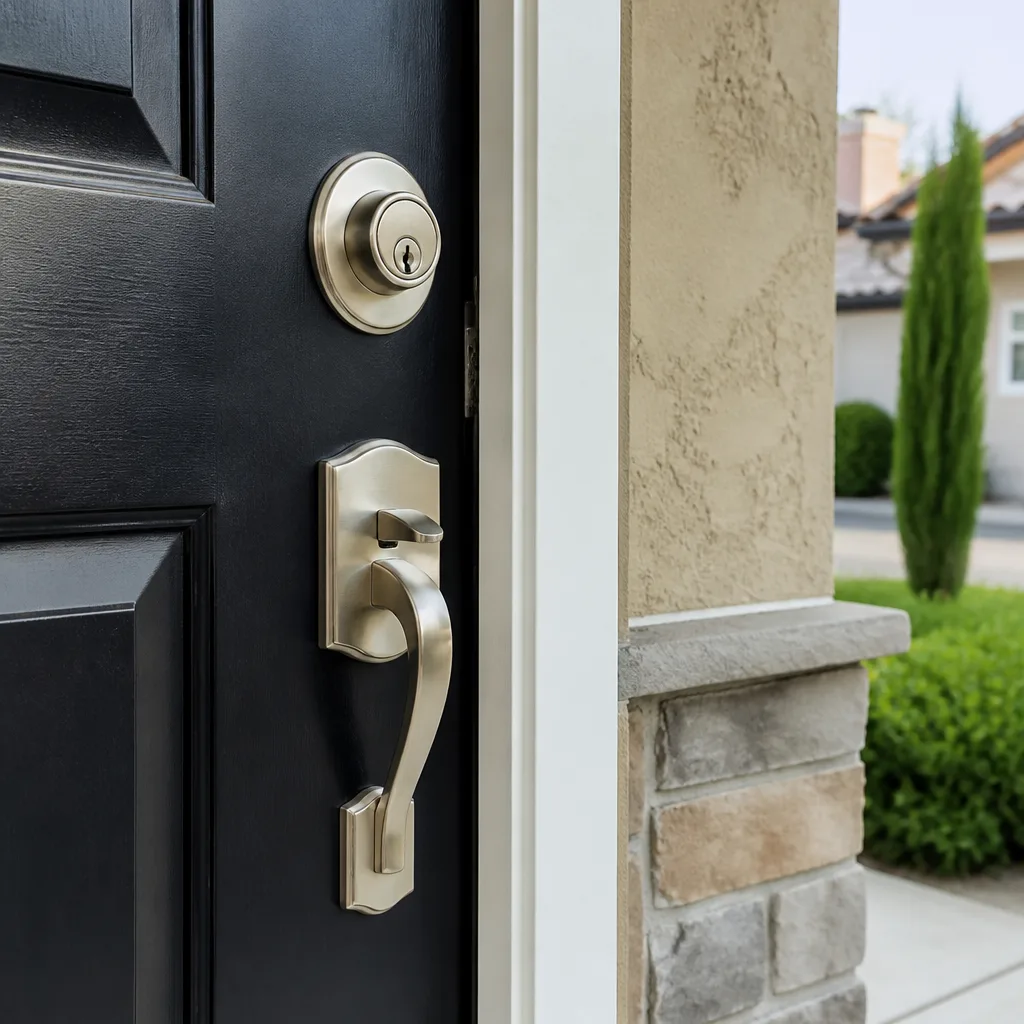
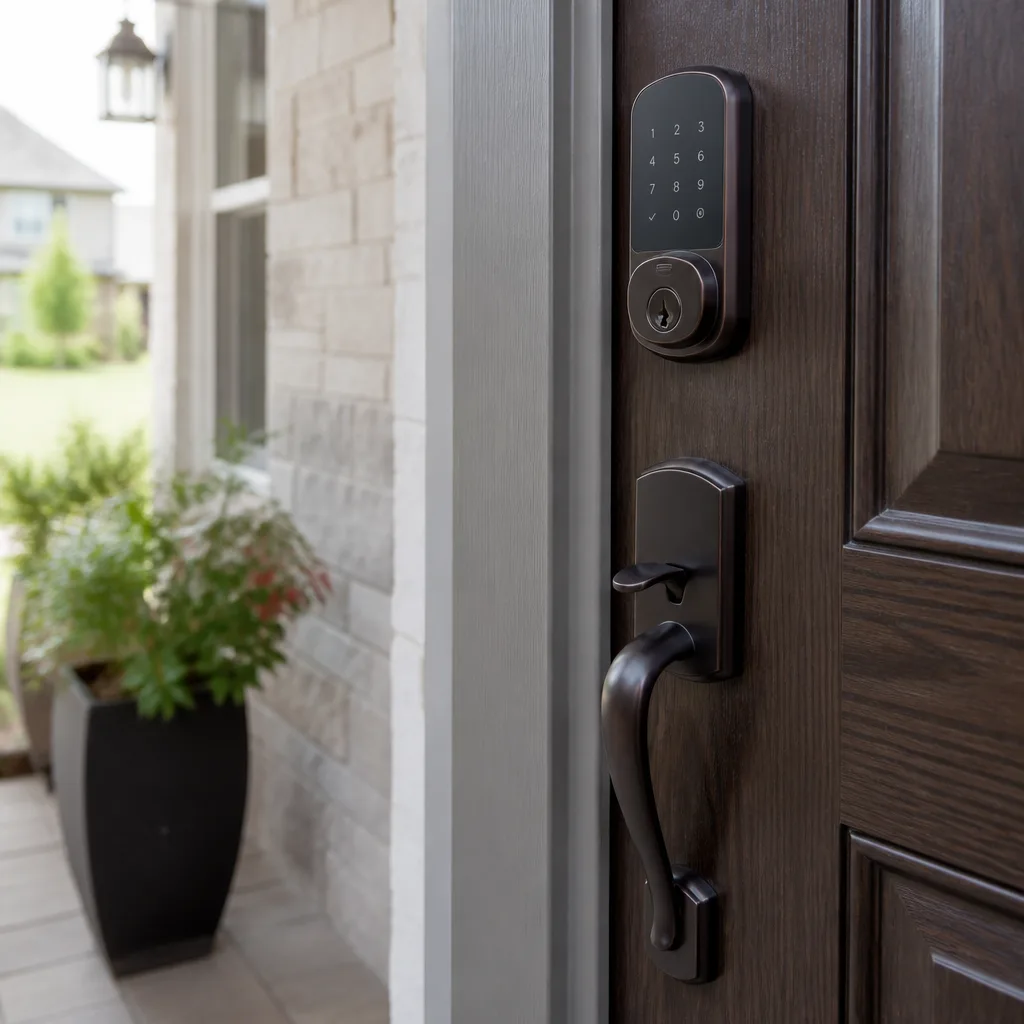
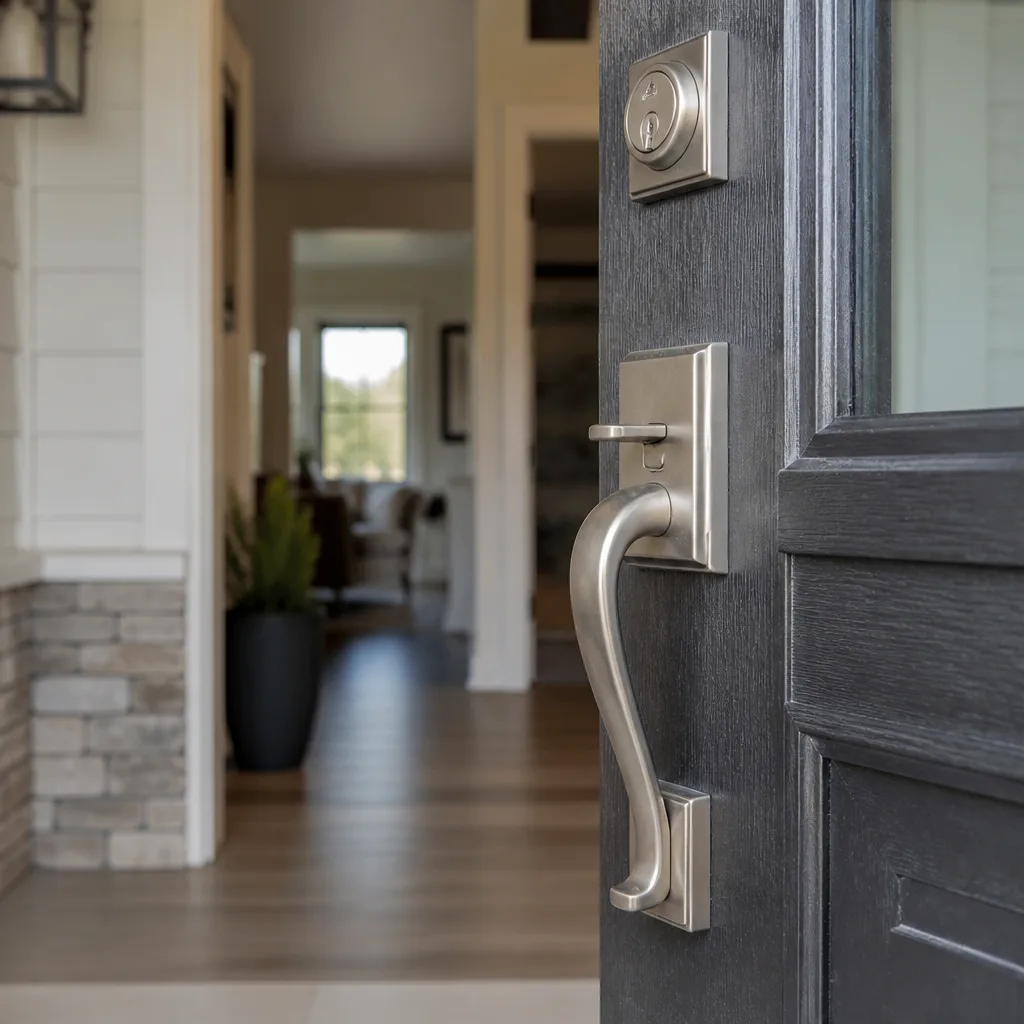
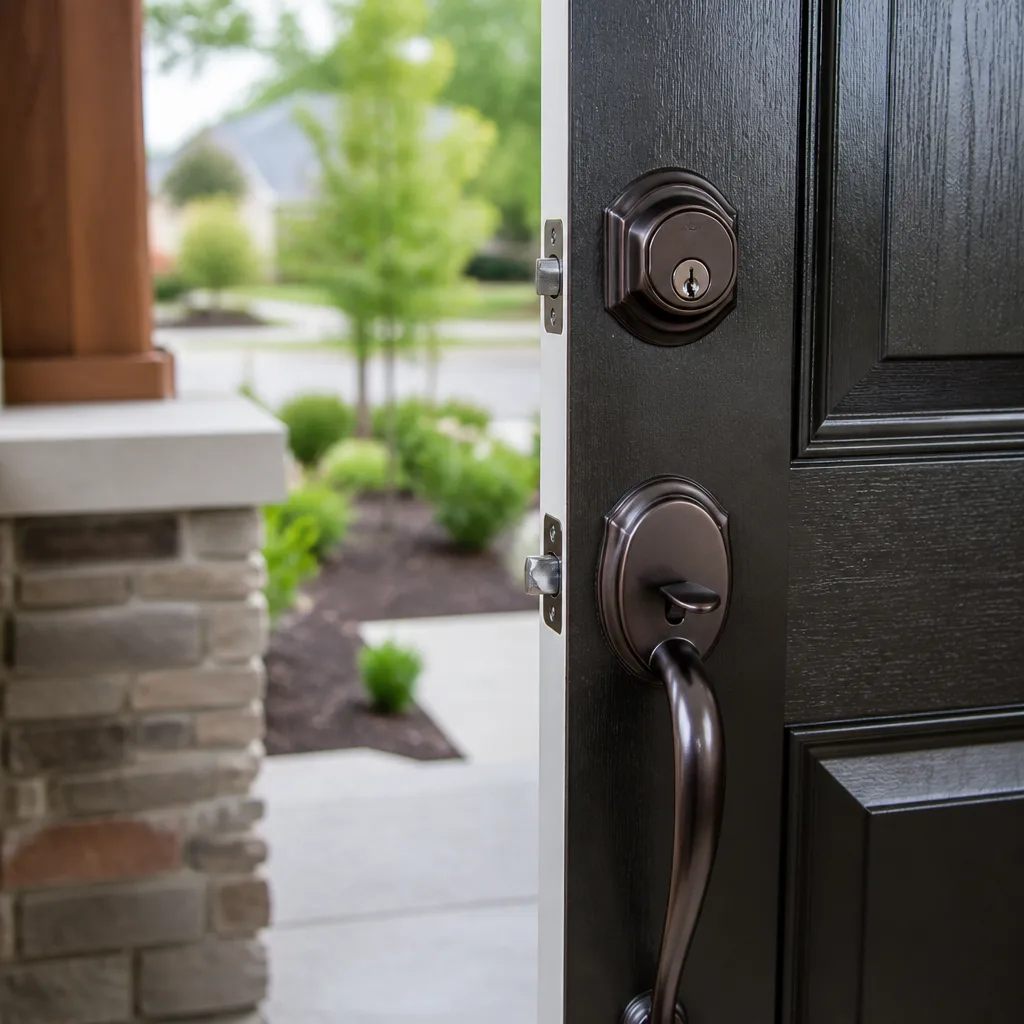
Door lock feels loose or wobbly
What’s Happening
A loose or wobbly door lock almost always means one of three things: the mounting screws have worked themselves out, the lock chassis inside the door has shifted, or the deadbolt or latch mechanism itself has worn past the point of holding firm. All three are fixable, and none of them require replacing the whole door. What they do require is a proper diagnosis, because the right repair depends on which part has failed – and doing the wrong fix wastes time and money.
The wobble you’re feeling is the lock telling you something has come loose or worn out at a structural level. It is not cosmetic. A lock that moves when it shouldn’t is a lock that may not engage cleanly, which means the bolt may not be fully extending into the strike plate when you lock up. That gap between “feels locked” and “is locked” is exactly what a forced entry exploits. So this is worth sorting out today, not next weekend.
Why It Happens
Loose mounting screws
This is the most common cause by far. Every lock is held to the door by two or four screws on the interior rose plate or escutcheon. Normal use – turning the knob or lever thousands of times a year – gradually backs those screws out of the wood. You can usually confirm this by gripping the interior handle and wiggling the whole trim plate side to side. If the plate moves independently of the door, the screws are the likely culprit. Sometimes the screw holes themselves have stripped, which means a longer screw or a wood-anchor repair is needed before the lock will hold.
Worn or damaged lock chassis
Inside the door is the lock body – the cylindrical housing that connects the exterior cylinder to the interior turn piece and latch. After years of use, the internal cam and connecting bar can wear down or crack, letting the whole assembly shift slightly with every turn. If tightening the mounting screws doesn’t stop the wobble, or if the handle has started to sag downward on its own, the chassis is worth suspecting. You will sometimes hear a faint grinding or clicking that wasn’t there before.
Deadbolt tailpiece or connecting hardware failure
On deadbolts specifically, the tailpiece – the small metal bar that runs from the cylinder to the bolt mechanism – can bend, crack, or slip out of position. When this happens, the cylinder itself will feel loose even though the mounting screws are tight, and the lock may feel like it’s turning without fully engaging the bolt. If you insert your key and it turns but doesn’t feel like it’s doing anything solid, or if the thumb-turn on the interior feels floppy, the tailpiece or connecting hardware is a strong candidate.
Door alignment and strike plate issues
Sometimes the lock isn’t the problem – the door frame is. Doors shift with seasonal wood movement, settling foundations, and humidity swings. When the door no longer sits square in the frame, the lock bolt has to fight the strike plate on every throw. Over time, that repeated friction transfers stress back into the lock body, loosening the whole assembly. Signs here include a door that has to be lifted or pushed to latch, a bolt that grinds going in, or visible daylight along the door edge that wasn’t there before.
What to Do Right Now
- Stop forcing it. If the handle or deadbolt is binding, don’t muscle through it. Forcing a failing mechanism can snap internal parts and turn a straightforward repair into a full lock replacement.
- Check the mounting screws visually. Look at the interior face plate around the handle or deadbolt. If you can see gaps between the plate and the door, or if the plate wiggles, note it – this helps the technician prioritize on arrival. Do not attempt to overtighten screws in stripped holes, as you can make the damage worse.
- Test the bolt in a safe way. With the door open, operate the lock through its full range of motion and watch whether the bolt extends fully and retracts cleanly. A bolt that only travels halfway, or one that stutters, is important diagnostic information. Do this with the door open so you can’t accidentally lock yourself out.
- Photograph what you see. A quick photo of the interior escutcheon, the exterior cylinder, and the strike plate helps your technician arrive with the right parts. Text it or email it when you call – your local Dunmore Locksmith team is reachable around the clock.
- Secure the door another way if needed. If the lock is too compromised to trust overnight, use a secondary security bar or door chain while you wait for the repair. Do not leave a door with a failed deadbolt as your only barrier through the night.
How We Fix It
When your local Dunmore Locksmith technician arrives, the first thing that happens is a hands-on diagnosis – not an assumption. The technician works through the lock from both sides, testing the cylinder, the chassis, the bolt travel, and the strike plate alignment, before anything is quoted or touched.
Once the cause is identified, you get the price in writing. That is not a formality – it is how every job works here. The number you see before work starts is the number on the invoice when the job is done.
The repair itself almost always falls under our Door Lock Repair service: tightening and re-anchoring mounting hardware, replacing a worn chassis or tailpiece, realigning the strike plate, or some combination of those. If the lock has worn past the point of repair, a Change Door Locks service using your choice of hardware is the next step. Most jobs of this type are finished in under an hour. Every repair is covered by the 365-Day Done Right Promise – a written guarantee, not a vague pledge. If the fix doesn’t hold, we come back at no charge.
Frequently Asked Questions
A wobbly lock is a security gap, not just an annoyance, and it should not be left unaddressed. A deadbolt that doesn’t engage cleanly – or a chassis loose enough that the bolt can be manipulated – gives forced entry a significant advantage. If this is your primary exterior lock, treat it as urgent. If you have a second secure lock on the same door, you have a little more time, but the problem will not improve on its own. Call (910) 714-4287 and we’ll get someone out to you.
In most cases, yes. Our phones are answered by a live person 24 hours a day, every day of the year – not a voicemail system – and your local Dunmore Locksmith team will tell you honestly what the schedule looks like when you call. Call (910) 714-4287 and we’ll give you a straight answer on timing.
The honest answer is that it depends on what the diagnosis turns up – a stripped screw anchor is a very different job from a cracked lock chassis or a full lock change. What we can promise is this: before anything is touched, you get the price in writing, and that price is the price. There are no add-ons at the end. Call (910) 714-4287 and your technician will give you a written estimate on arrival, at no obligation.
Before your technician is dispatched, you will receive their name and photo. They will arrive in a clean, marked uniform and show you a photo ID badge at the door. If anyone shows up who you were not told to expect, that visit is on us – and we make it right. This is the Threshold Standard, and it applies to every single job.
Get It Fixed
A loose or wobbly lock isn’t a small thing – it’s worth a same-day call. Reach your local Dunmore Locksmith team at (910) 714-4287, any hour, any day. A live person will pick up, get your information, and send a background-checked, photo-badged technician your way. You’ll know who’s coming before they knock.
Written by Perry Osgood, Owner & Lead Technician at Dunmore Locksmith, a Threshold Group member business serving residential and commercial customers since 2007.
What Our Customers Say
"The fact that he was background checked and carried ID made me comfortable letting him into the home. Changed out two worn deadbolts for new grade 1 ones."
- Brenda Z."We moved into a new house and wanted to know nobody else had a key. He rekeyed every exterior door and showed me how the pins work. Clear and patient."
- Anita P."Our storefront door lock was worn and tough to turn. He repaired it on the spot and left us extra keys cut properly."
- Camille W.