
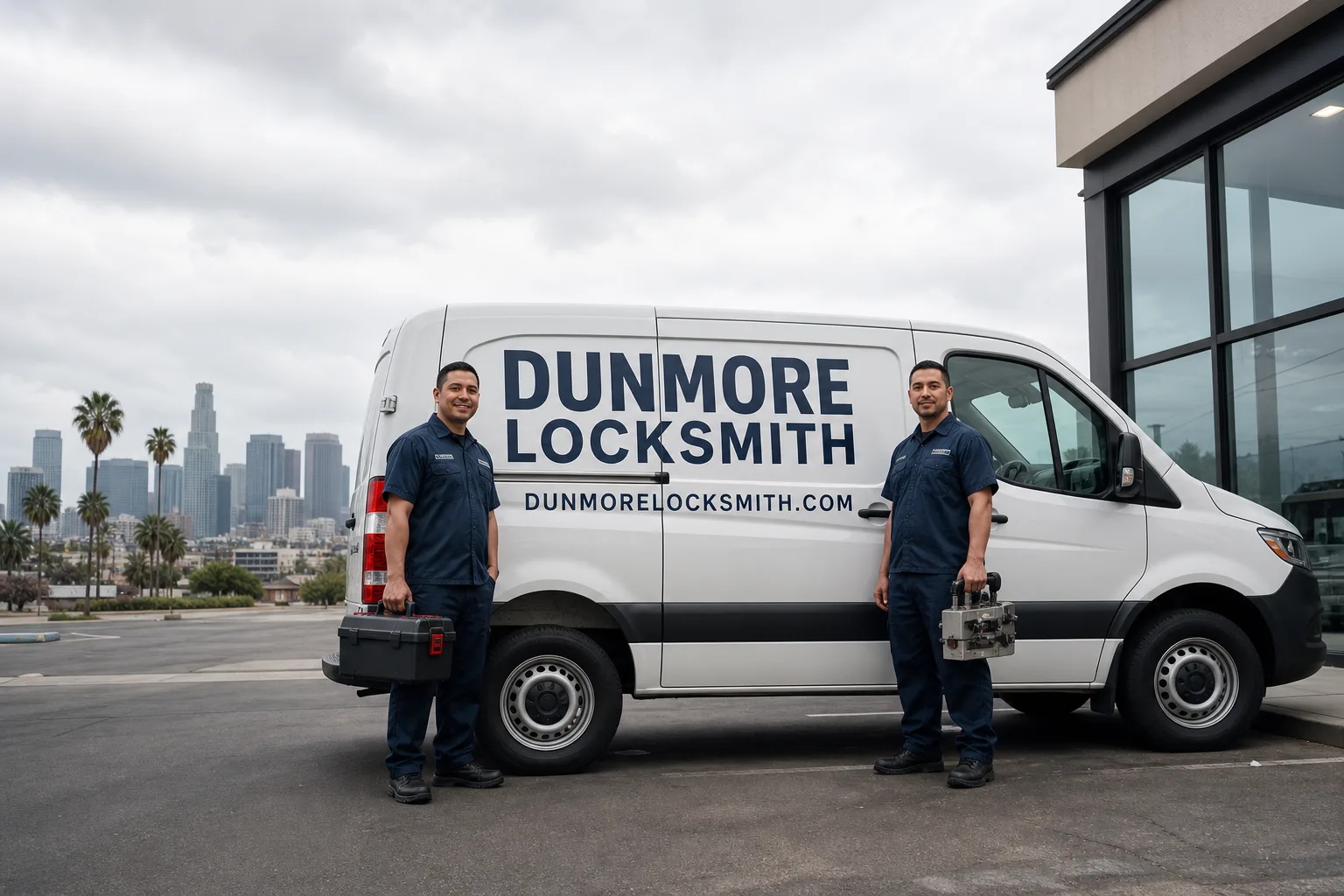
Non-destructive entry first, always - and we re-key Schlage, Kwikset, and Baldwin locks on the spot while you watch
You get a price before we start. It does not change when we arrive. No surprises.
Lost the Only Key to a Safe
What’s Happening
When you’ve lost the only key to a safe, you’re locked out completely – there’s no backup, no override key, and no way in without professional help or the right tools. In most cases, a trained locksmith can open the safe without damaging it and either re-key the lock or cut a new key from the lock itself.
A lost safe key isn’t just an inconvenience. Whatever is inside – documents, firearms, medications, jewelry, or cash – is inaccessible until the lock is addressed. The good news is that this is one of the more straightforward locksmith calls, as long as you don’t try to force it first. Forced entry attempts on a safe almost always jam the bolt mechanism, complicate the opening process, and can permanently damage a lock that would otherwise have been perfectly serviceable. Step back, leave it alone, and let a technician handle it the right way.
Why It Happens
The Key Was Simply Lost or Never Duplicated
Most residential safes ship with two keys, but a lot of people keep both on the same ring or in the same drawer – and one goes missing without a spare ever being made. If you’ve always had just one key and it’s gone, that’s the whole story. There’s no mechanical failure here, just a missing physical object. A locksmith can decode the lock and cut a working key directly from the cylinder without needing the original.
The Key Was Lost After a Move or Major Life Event
Safes often sit untouched for months or years. If you’ve moved, renovated, or dealt with an estate recently, the key can end up in a box that got donated, a drawer that got cleared out, or simply somewhere no one thought to look before it was too late. This is one of the most common reasons people call us – the safe wasn’t opened in two years, and now the key is just gone. The lock itself is usually fine; it just needs to be decoded or picked open.
The Key Was Damaged and Then Discarded
Thin safe keys, especially on smaller fire-resistant boxes, bend and break more easily than standard door keys. If someone forced a stubborn lock, the key may have been tossed after it bent without a spare being cut first. A bent or broken key is actually useful – a locksmith can sometimes use the remains to decode the cuts. If you still have the damaged key, hold onto it and bring it out when the technician arrives.
The Lock Has Jammed or the Key Stopped Working Before It Disappeared
Sometimes the lock itself is the original problem. Pins wear down, springs weaken, or debris gets inside the cylinder – especially in safes stored in garages, basements, or anywhere with humidity. If the key had become stiff or unreliable before it went missing, the lock may need service in addition to a new key. You can often tell by checking whether the bolt moves freely when you manually push it with a finger; if it grinds or catches, the cylinder itself likely needs attention.
What to Do Right Now
- Stop trying to pick or pry the safe open. A screwdriver in the keyway or leverage on the door will jam the bolt, damage the lock cylinder, and make a simple job into a complicated one. Safes are built to resist forced entry – they will win that fight.
- Search for the second key before calling. Most safes ship with two keys. Check the original box, the owner’s manual sleeve, the back of a drawer, or any key hooks near your safe. Five minutes of searching now can save you the service call entirely.
- Locate any documentation that came with the safe. The model number and serial number are often printed on the inside of the door or on a sticker on the back or bottom. A technician may be able to use this to source a factory-cut key or reference the lock specifications, so having it ready speeds things up.
- Take a photo of the keyway and the lock face. A clear photo of the lock type helps your local Dunmore Locksmith team bring the right tools and any matching blank keys on the first visit.
- Keep the damaged key if you have it. Even a bent or snapped key gives a locksmith useful information about the cuts. Put it somewhere safe and hand it to the technician on arrival.
How We Fix It
When a technician from your local Dunmore Locksmith team arrives, the first step is identifying the lock type – whether it’s a standard wafer lock, a pin-tumbler cylinder, or a higher-security mechanism. From there, the technician will pick or decode the lock to get the safe open without damaging the door or the contents inside.
Once it’s open, you have two paths: re-keying the existing lock so a new key works it, or replacing the cylinder entirely if the lock has worn to the point it’s no longer reliable. Either way, you’ll leave with at least two working keys and a lock that functions the way it should.
Most safe-key calls are completed in a single visit. The price for your specific job – the lock type, the safe model, and whatever service makes sense – goes in writing before any work starts, in keeping with our no-hassle upfront pricing. That written price is what appears on your invoice, period. Every job is also covered by the 365-Day Done Right Promise: if the repair fails within a year, we come back at no charge.
This falls under our Residential Locksmith and Door Lock Repair services, depending on what the lock needs.
Frequently Asked Questions
In most cases, yes – a trained locksmith can pick or decode a standard safe lock without drilling or forcing the door. The exception is if someone has already attempted a forced entry and jammed the mechanism; in that case, more involved work may be needed, and the technician will explain what’s required and show you the price before touching anything. If the lock is truly unserviceable, drilling may be the only option, but that determination is always made and priced transparently before it happens.
That depends entirely on what’s inside. If the safe holds medication you need, legal documents with a deadline, a firearm that shouldn’t be left unsecured, or anything else with time-sensitive value, don’t wait – call (910) 714-4287 and your local Dunmore Locksmith team will get someone out to you. If the contents aren’t urgent, you have time to gather your model number, check for that second key, and schedule at a time that works for you. Either way, the call is free, and a live person answers every time.
Our phones are answered by a live person 24 hours a day, every day of the year – not a voicemail, not a chatbot. Call (910) 714-4287 and tell us what you’ve got; your local Dunmore Locksmith team will let you know exactly when a technician can be there. We don’t make scheduling promises on a page, because availability varies by location and time of day, but we won’t leave you on hold with a recording.
Safe-opening prices depend on the lock type, the safe model, and what condition the lock is in when we arrive. We don’t publish a single number here because the range is wide enough that a flat figure would either undersell a complex job or oversell a simple one – and neither helps you. What we do guarantee is that the price for your specific situation goes in writing before any work starts, and that written number is the price on your invoice – no balloon totals, no after-the-fact add-ons. Call (910) 714-4287 and we’ll give you a real estimate for your actual safe.
Get It Fixed
Call (910) 714-4287 – a live person answers 24 hours a day, every day of the year. Your local Dunmore Locksmith team will confirm availability, get the details on your safe, and have a background-checked, photo-badged technician on the way. You’ll know the name and face of who to expect before anyone knocks.
Written by Perry Osgood, Owner & Lead Technician, Dunmore Locksmith, part of the Threshold Group family of independent local locksmith businesses since 2007.
What Our Customers Say
"Deadbolt on the front door was sticking and wouldn't throw all the way. He cleaned it, adjusted the strike plate, and it works smoothly now. Charged very little."
- Victor S."The fact that he was background checked and carried ID made me comfortable letting him into the home. Changed out two worn deadbolts for new grade 1 ones."
- Brenda Z."We moved into a new house and wanted to know nobody else had a key. He rekeyed every exterior door and showed me how the pins work. Clear and patient."
- Anita P.