
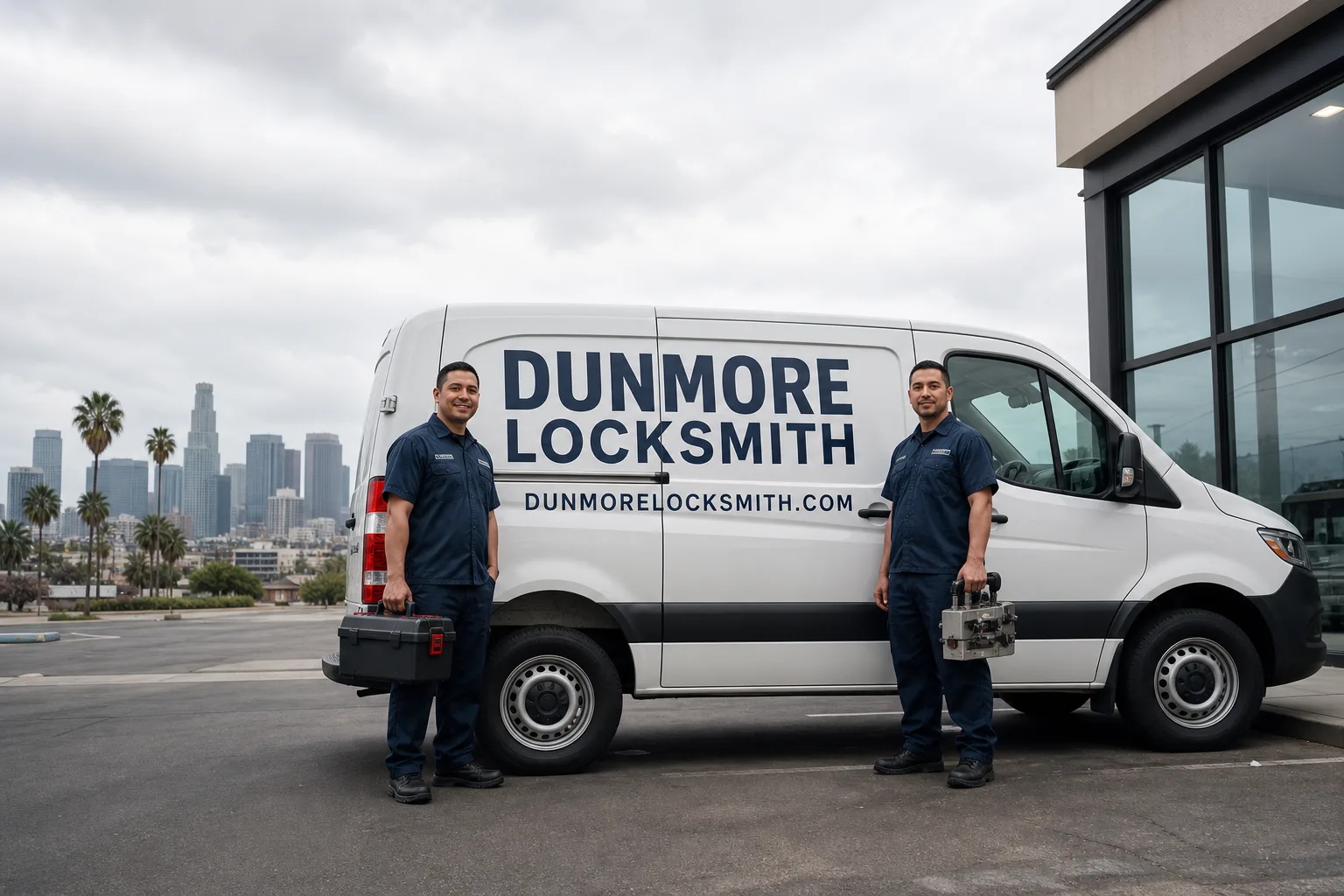
Non-destructive entry first, always - and we re-key Schlage, Kwikset, and Baldwin locks on the spot while you watch
You get a price before we start. It does not change when we arrive. No surprises.
Locked Out of My Car
Being locked out of your car almost always comes down to one of three things: keys left inside the vehicle, a key fob that has stopped communicating with the door lock, or a physical lock or door handle that has failed mechanically. In most cases, a qualified locksmith can get you back in without damaging the door, the weather stripping, or the lock cylinder itself. Your local Dunmore Locksmith team handles car lockouts as part of their residential and mobile locksmith work, and a live person is on the phone right now at (910) 714-4287.
If you are reading this from a parking lot or a roadside, stay somewhere safe and visible while you wait. A lockout is frustrating, but it is not something you need to force or pry your way out of – both of those approaches tend to create a second, more expensive problem on top of the original one. The fastest path back into your car is usually a phone call.
Why It Happens
Keys Locked Inside the Vehicle
This is the most common reason people search “locked out of my car,” and it is exactly what it sounds like. You set the keys on the seat, the door locked on the way shut, and now you can see them through the glass. If you can spot your keys inside, this is your cause. A locksmith uses specialized non-destructive tools to manipulate the door latch or unlock the mechanism without touching the lock cylinder at all.
Dead or Malfunctioning Key Fob Battery
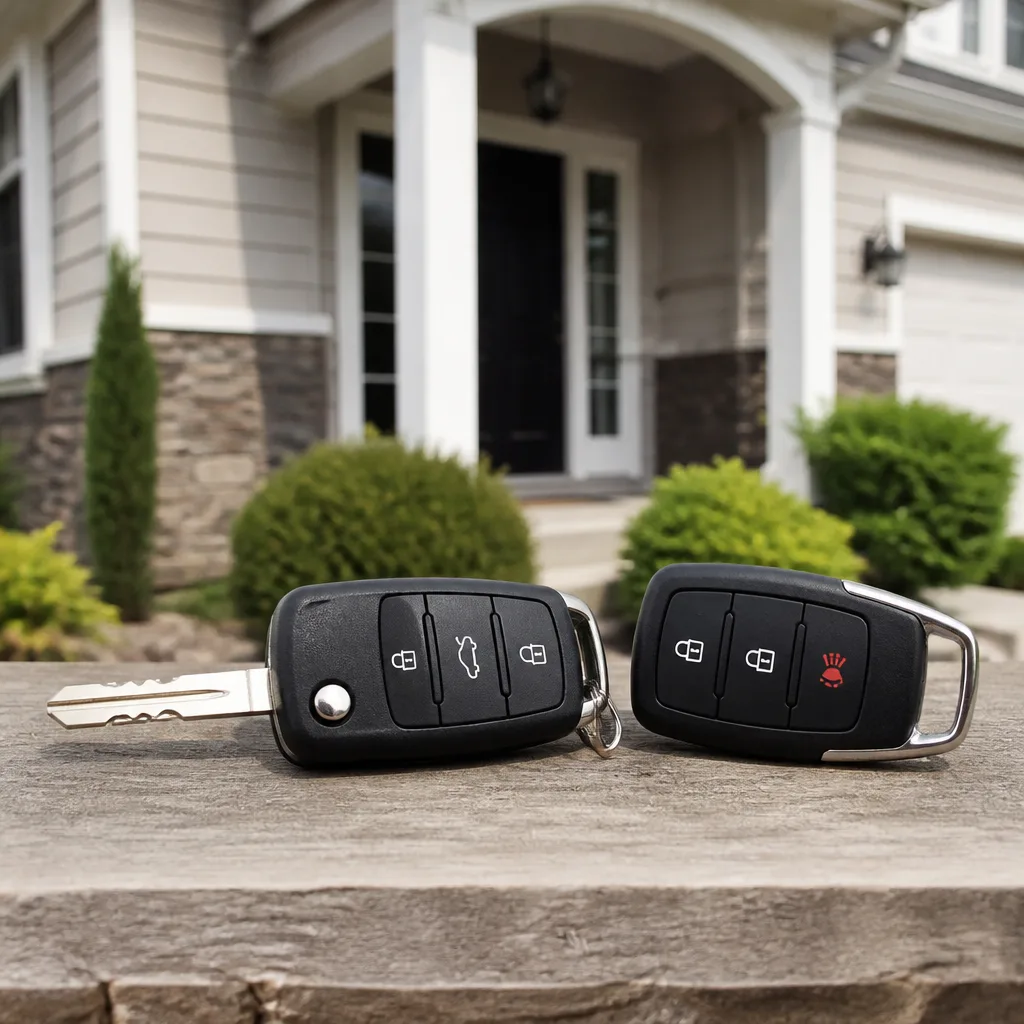
Modern vehicles rely heavily on keyless entry, and when the fob battery dies, the door simply will not respond – no click, no flash of the turn signals, nothing. You can usually tell this is the issue if the fob worked recently but has been getting sluggish, or if pressing the button repeatedly produces no reaction whatsoever. Most fobs have a small physical key blade hidden inside; check for a release tab on the back. If that blade still will not turn the lock, you may be dealing with a mechanical problem at the cylinder rather than a dead battery.
Worn or Damaged Lock Cylinder
The physical lock cylinder on a car door takes a beating over years of use, especially in climates with temperature swings that cause metal components to expand and contract. Symptoms include a key that turns but does not disengage the latch, a key that inserts only partway, or a lock that spins loosely without catching. If you are inserting your key and feeling grinding, unusual resistance, or no resistance at all, the cylinder itself has likely worn past the point where normal operation is possible. Do not force it – a snapped key inside a cylinder turns a simple lockout into a more involved extraction job.
Broken Door Handle or Frozen Lock
In colder conditions, moisture inside the lock mechanism can freeze and prevent the key or fob from actuating the latch. In any weather, the exterior door handle can break at the connection point, leaving the latch engaged with no way to release it from outside. If your handle pulls but nothing moves, or if you hear a clicking sound with no latch movement, this is likely a mechanical handle or linkage failure rather than a pure lockout. It is worth checking whether the passenger door or a rear door opens before concluding the vehicle is fully locked.
What to Do Right Now
- Stay somewhere safe. If you are on a roadside, move away from traffic. If you are in a parking structure or an isolated area at night, move toward a lit, populated spot and call from there.
- Check every door and the trunk. Try all handles before assuming every entry point is locked. One door is occasionally left unlocked, especially on older vehicles with manual locks.
- Look for the physical key blade in your fob. Most keyless fobs conceal a small key blade for exactly this situation. There is usually a slide or press tab on the back of the fob that releases it. If your car has a physical key slot on the door, try the blade gently – do not force it.
- Do not use a coat hanger, a wedge, or any improvised tool on the door frame. Forcing a gap in a car door bends the frame, damages weather stripping, and can trigger airbag sensors on some models. The repair bill from that kind of attempt often exceeds the locksmith call significantly.
- Take a photo of the lock and door handle if anything looks visibly damaged. This gives the technician useful information before they arrive and helps confirm whether the issue is a pure lockout or a mechanical failure that needs a different approach.
How We Fix It
When your local Dunmore Locksmith technician arrives, the first thing they do is assess the situation – which door is most accessible, what the lock type is, and whether there are any signs of prior damage. For a standard key-locked-inside situation, they will use non-destructive entry tools to work the door latch or unlock rod without touching the finish or the seal. Most straightforward lockouts are resolved in a matter of minutes once the technician has eyes on the door.
If the lock cylinder is worn or a key has broken inside it, that moves into door lock repair or a lock change, depending on the condition of the cylinder. The technician will explain what they found, what the fix involves, and exactly what it costs – in writing, before any work starts. That is not a policy we bend; it is how every single job works under the Threshold Standard.
Every repair is covered by the 365-Day Done Right Promise: if the repair fails, we come back at no charge. No fine print on that.
Frequently Asked Questions
Yes, in most cases. Professional non-destructive entry tools are designed specifically to work inside the door frame without bending metal or tearing weather stripping. The key word is “professional” – improvised tools used by non-specialists are the ones that cause damage. A trained locksmith’s goal is always to leave the door in the same condition it was in before the lockout, and if anything unexpected comes up, you will hear about it before any work proceeds.
It depends on your situation. If there is a child, a pet, or a vulnerable person inside the vehicle, treat it as an emergency and call 911 first – do not wait for a locksmith. If it is a standard lockout with no one inside and you are in a safe location, it can technically wait, but there is no reason to stand in a parking lot longer than necessary. Call (910) 714-4287 now and a live person will answer and get your local team moving.
Your local Dunmore Locksmith team is available, and phones are answered by a real person 24 hours a day, every day of the year – not a voicemail, not an automated system. When you call (910) 714-4287, someone picks up, takes your location, and dispatches a technician. Before the technician arrives, you will receive their name and photo so you know exactly who to expect at your door.
There is no flat answer that is honest, because the price depends on your vehicle type, your location, the time of day, and whether the job is a pure lockout or involves a damaged lock or broken key extraction. What we can tell you with certainty is how our pricing works: you get a written price for your specific job before anything starts, and that number is the number on the invoice. There is no call-out surcharge added on arrival. Call (910) 714-4287 for a free quote – the estimate costs you nothing.
Get It Fixed
Call (910) 714-4287 right now – a real person answers every call, around the clock. Your local Dunmore Locksmith team will give you a written price before any work starts and get a background-checked, photo-badged technician to you. You will know their name and face before they arrive.
Written by Perry Osgood, Owner and Lead Technician at Dunmore Locksmith, part of the Threshold Group family of independent local locksmith businesses serving communities across the country since 2007.
What Our Customers Say
"Our storefront door lock was worn and tough to turn. He repaired it on the spot and left us extra keys cut properly."
- Camille W."Good work installing a keypad lock on our back office. Showed up fifteen minutes late, but he called first. Programming codes took a while, but he made sure I understood it."
- Mitchell K."Deadbolt on the front door was sticking and wouldn't throw all the way. He cleaned it, adjusted the strike plate, and it works smoothly now. Charged very little."
- Victor S.